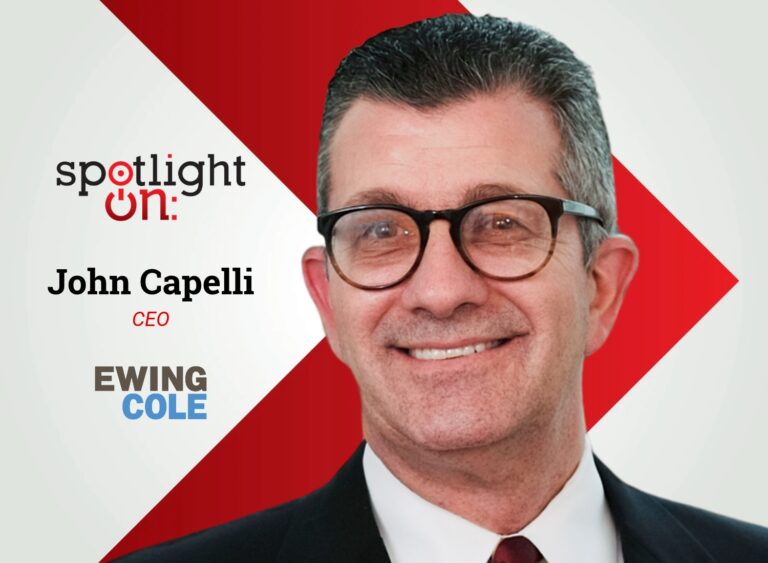

Spotlight On: John Capelli, CEO, EwingCole
Key points:
- • Higher costs make clients selective, yet EwingCole sees potential for modest 2027 growth.
- • Healthcare is a significant opportunity, including new Cooper Norcross Health System work.
- • EwingCole’s national model staffs projects across offices, including Duluth’s 940,000-square-foot St. Mary’s.
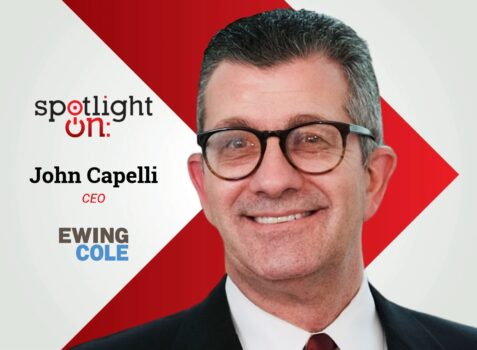 November 2026 — John Capelli, CEO of EwingCole, spoke with Invest: about market conditions, talent strategy, healthcare investment, and EwingCole’s national delivery model. “Complex projects create opportunities for our people to grow while helping clients solve some of their most demanding challenges,” Capelli said.
Join us at caa’s upcoming leadership summits! These premier events bring together hundreds of public and private sector leaders to discuss the challenges and opportunities for businesses and investors. Find the next summit in a city near you!
How has business evolved over the past year?
It’s been a good year for EwingCole, and we are positioned to pursue additional opportunities in our core markets. The market is challenging and competitive. Inflation and other rising costs are tightening clients’ margins, and that pressure carries through to us as clients look closely at project costs, including design fees. It’s a ripple effect across the industry. We began the year a little slowly in terms of workload, then saw a steady improvement in the second and third quarters. We expect to finish the year generally in line with our projections, with strong third-quarter sales supporting the potential for modest growth in 2027.
We feel reasonably good about our position. Our range of markets and geographic reach give us opportunities even as conditions vary across the industry.
How are costs and financing affecting clients’ investment decisions?
Higher construction costs and financing expenses are making clients more selective about what they build, when they proceed, and how they phase their investments. In science, technology, and life sciences, a large project can begin with an aggressive schedule, but changes in research priorities, business conditions, or funding can quickly alter its scope or timing. Federal government work is the opposite. Once funding is released and a project is authorized, there is greater continuity, although timing and priorities can still change. Education faces a different set of pressures, including enrollment trends, operating costs, and concerns about affordability. There isn’t one uniform explanation for client behavior. We have to understand the conditions in each market.
 How are you attracting and developing talent?
People want competitive compensation, meaningful work, and a clear sense of where their careers can go. Those priorities vary by individual and career stage, so attracting and retaining talent starts with understanding what matters to each person. Experienced talent remains competitive across the industry, making development and retention especially important.
We want to be competitive on compensation while helping employees see a future at EwingCole. That means discussing career paths, providing learning and mentorship opportunities, and giving people access to challenging projects and experienced colleagues across the firm. Sara Eastman’s new role as vice president, leading talent and expertise initiatives, reinforces that commitment, with a focus on helping our people develop their skills, grow into leadership roles, and build long-term careers at EwingCole. Work-life balance and a sense of community matter as well, supported by volunteer activities and opportunities to build relationships.
The complexity of our work is an important part of that offer. It gives people opportunities to deepen their expertise, take on responsibility, and see the impact of their contributions. Our goal is to make that connection between their work today and their longer-term growth clear.
 Where do you see the strongest opportunities in Greater Philadelphia?
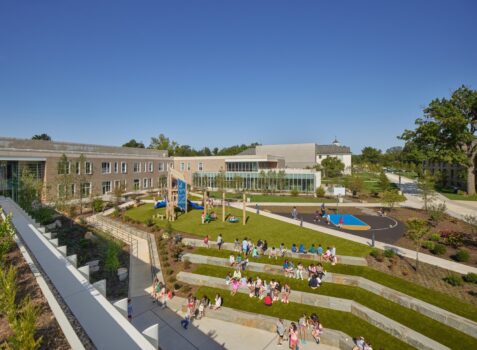
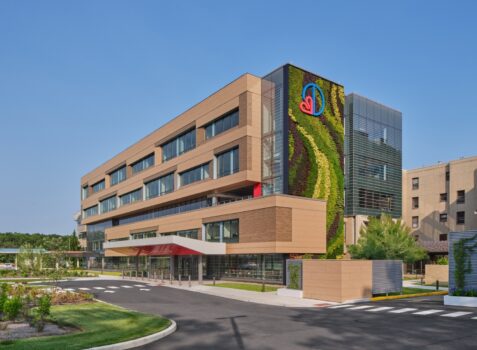
Philadelphia’s economy is known for education and healthcare. Healthcare remains a significant opportunity for EwingCole as systems invest in facilities that improve access, support new technology, and respond to changing care delivery models. We’re doing well in healthcare, including new work with the Cooper Norcross Health System in Camden, along with Temple, Fox Chase, and Bayhealth. Health systems are modernizing existing campuses and expanding outpatient networks to bring care closer to patients. These investments help systems remain competitive while improving convenience and access.
Biotech and science and technology are also important opportunities in Greater Philadelphia. The region’s universities, research institutions, and pharmaceutical companies create a strong foundation for this work. We see opportunities to help organizations adapt existing laboratories, advance research, and move therapies into production. While investment and project timing vary, our experience in research and manufacturing facilities positions us to support clients as their needs evolve.
Education presents a more uneven picture. Institutions have different financial resources and enrollment outlooks, which affect their ability to invest. Public-private partnerships may offer one path for selected projects, helping institutions improve facilities while managing capital demands. That helps them compete for students and retain both students and talent.
What else is important to understanding EwingCole’s role in the region?
Philadelphia is our base, and our national reach strengthens what we contribute to this region. Pursuing complex projects across the country brings opportunities and experience back to our Philadelphia team while giving local clients access to expertise from across the firm. We organize teams around the needs of each project, drawing on colleagues across offices and disciplines. Clients experience one firm, with the right expertise brought together wherever the project is located.
For example, St. Mary’s Medical Center in Duluth, Minnesota, is a 940,000-square-foot medical center delivered jointly by our New York, Philadelphia, and North Carolina offices. Winning and completing that work supports jobs and professional development here, deepens our healthcare expertise, and strengthens what we can offer clients in Greater Philadelphia. It demonstrates how a Philadelphia-based firm can contribute nationally while continuing to invest in its home region. We take the same approach across our other markets and intend to continue doing so.
Want more? Read the Invest: Philadelphia report.