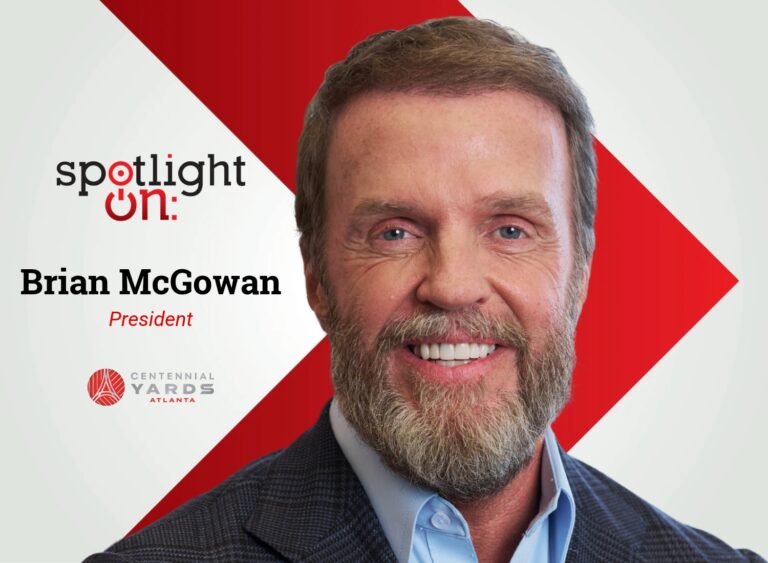


Christopher Molineaux, President & CEO, Life Sciences PA
 In an interview with Invest:, Christopher Molineaux, president & CEO of Life Sciences PA, discussed improving capital markets, commercialization initiatives, and Pennsylvania’s statewide life sciences ecosystem. “There’s interdependency throughout the life sciences value chain,” Molineaux said.
How has the past year shaped the direction of Pennsylvania’s life sciences industry?
We have to acknowledge that 2023, 2024, and 2025 were particularly difficult years for the industry, within and beyond Pennsylvania. Manufacturing expansions were difficult to finance, and raising money for biotech and medical device companies was extremely challenging. Public policy coming out of Washington created substantial uncertainty in 2025.
We entered 2026 with strong optimism. Markets began opening in the last few months of 2025, and that optimism has been borne out. We’ve seen very large investment deals and substantial merger and acquisition activity since January. There may be fewer investments, but the dollar amounts are significantly greater than we’ve seen in a long time.
At Life Sciences Pennsylvania, membership has continued growing to more than 960 companies. That reflects the health of both the association and the industry. Companies are also using our group purchasing arrangements to buy more laboratory supplies and equipment, another indication of that strength.
How could Innovate in PA 2.0 help companies commercialize scientific discoveries?
One major element is forming a clinical trials network. State funding could connect the 12 or 13 largest healthcare systems in Pennsylvania, where sponsor companies bring their trials. Greater coordination and patient access can reduce sponsors’ costs, increase access for patients who can enroll, and differentiate Pennsylvania as a place to conduct clinical trials.
Another element is a fund to match federal grants. The details aren’t fully developed, but the idea is for the state government to manage funds for companies that have already received federal grants. Their technologies have undergone rigorous federal review, so this wouldn’t require additional vetting or infrastructure. The match probably won’t be one-to-one. Other states typically provide about a 20% match against federal dollars.
Senior executive workforce development is another important component. Across the country, there aren’t enough biotech startup CEOs for all the technologies coming out of universities. A university spinout needs an experienced or well-developed CEO to build a company around its technology. Some funding will support that senior leadership development. These elements can help companies statewide, including those in small local workspaces in Doylestown and Philadelphia.
What are you hearing from members about access to venture capital?
The companies we hear from are often still struggling to raise capital. We don’t always hear from those succeeding in today’s active investment market because they’re busy raising money and running their companies. We do regularly see news of new investments and Series A and Series B raises, much more frequently in 2026 than in 2025 or 2024.
How are companies approaching AI in drug development and their operations?
Many of our companies are taking a staged approach to AI, using it for drug discovery and development as well as day-to-day operational efficiencies. In drug development, it’s proving useful for identifying potential new uses for existing approved drugs.
Every Cure is an example. It uses AI and scientific evidence to identify potential additional uses for therapeutics beyond their approved indications. Those uses could benefit patients with other diseases. Our companies are proceeding carefully and judiciously, starting with operational efficiencies.
How do smaller companies benefit when major life sciences companies expand in Pennsylvania?
Everyone benefits when a major company expands its presence here. We’re seeing that with Eli Lilly, Johnson & Johnson, and, more recently, GlaxoSmithKline and Merck.
Smaller companies benefit from having large companies nearby through talent, visibility, and partnerships. Startups can work with larger companies to develop assets or, in some cases, take an asset out of a company that isn’t pursuing a particular therapeutic area. That ecosystem dynamic is real. Each participant benefits from the others, and if one falls down, it can potentially hurt the whole system. There’s interdependency throughout the life sciences value chain.
How do you assess Pennsylvania’s position amid competition and commercialization challenges?
Pennsylvania is on the rise. State government support is the strongest our industry has received here in almost 30 years. Gov. Josh Shapiro and his team have supported attracting large companies, developing the workforce, and funding programs for startups. Those are differentiators that will continue growing the state’s life sciences economy.
We recently released a study showing substantial growth between 2016 and 2024, the last full year of data. Pennsylvania’s life sciences industry increased annual economic output by 47%, reaching nearly $130 billion. The number of R&D-based companies grew about 37% over that period. More than 3,900 organizations statewide now engage in discovering, developing, manufacturing, and commercializing life sciences technologies and therapeutics, spanning pharmaceuticals, biotech, medical devices, and diagnostics.
How can Philadelphia strengthen its life sciences talent pipeline?
We have some of the world’s greatest institutions for research and talent development. Pennsylvania is arguably the epicenter of global pharma, certainly in the United States. Major companies continue expanding here, and the talent is unmatched.
Boston’s strength in biotechnology and Minnesota’s strength in medical devices are well established. What Pennsylvania, and Philadelphia particularly, has is the full value chain: biotech, pharma, devices, diagnostics, research institutions, contract research organizations, and contract development and manufacturing organizations. Innovate in PA 2.0 allows continued enhancement of leadership talent.
Which indicators will you watch over the next one to two years?
We track new company formation and growth, acquisitions, and new product approvals and launches. An acquisition is positive for a company, even if it means we lose it as a member.
Philadelphia has produced medical firsts, including the first gene therapy and cell therapy approved by the FDA. I expect medical advances and their funding to continue, including NIH funding. The University of Pennsylvania is among the top five nationally in NIH funding. We watch technologies emerging from research laboratories, company formation, exits, and product launches. Those indicators have risen over the past decade, and that’s how we measure our industry’s success.
What else should people understand about the industry’s statewide reach?
The figures I’ve discussed are statewide. The Wistar Institute, the Science Center, and life sciences activity in Doylestown are examples of regional participants cultivating technologies and companies. Philadelphia is Pennsylvania’s largest market and a very important piece, but our view is statewide.
I sit on the boards of two companies, one public and one private. Neither receives venture capital from Philadelphia organizations or conducts its clinical trials in this area. The industry’s operating model has changed from everyone reporting to one office or lab five days a week. Pennsylvania is well positioned for that virtual way of working.