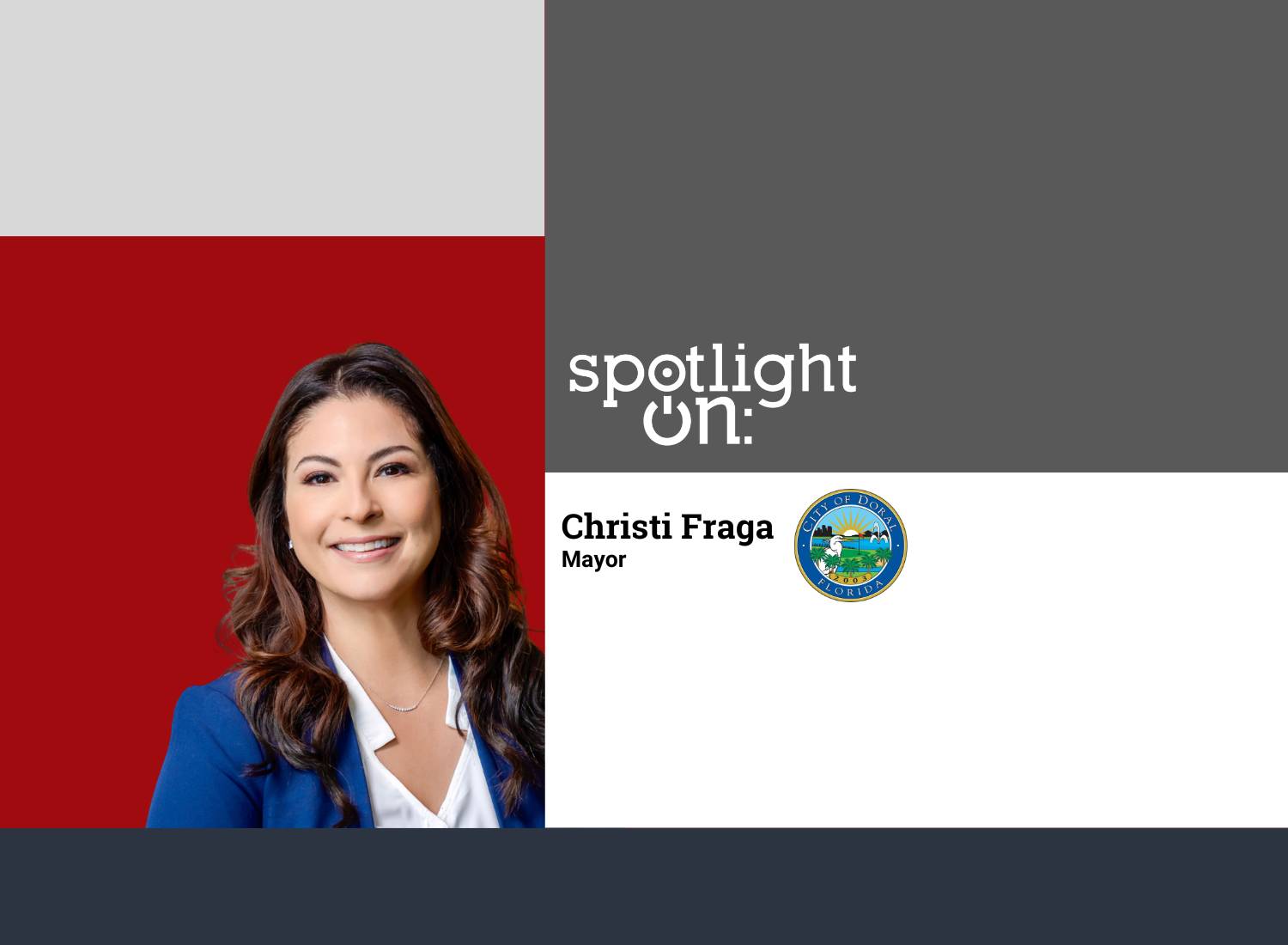







Dana Redd, President & CEO, Camden Community Partnership
In an interview with Invest:, Dana Redd, president and CEO of the Camden Community Partnership, said that Camden’s transformation over the past 40 years reflects the power of public-private partnerships and a holistic approach to urban revitalization. “Our redevelopment strategy is holistic. It’s not just about buildings; it’s about supporting the dreams and aspirations of Camden residents.”
What changes and milestones have most impacted Camden and Camden Community Partnership in the past year, and in what ways?
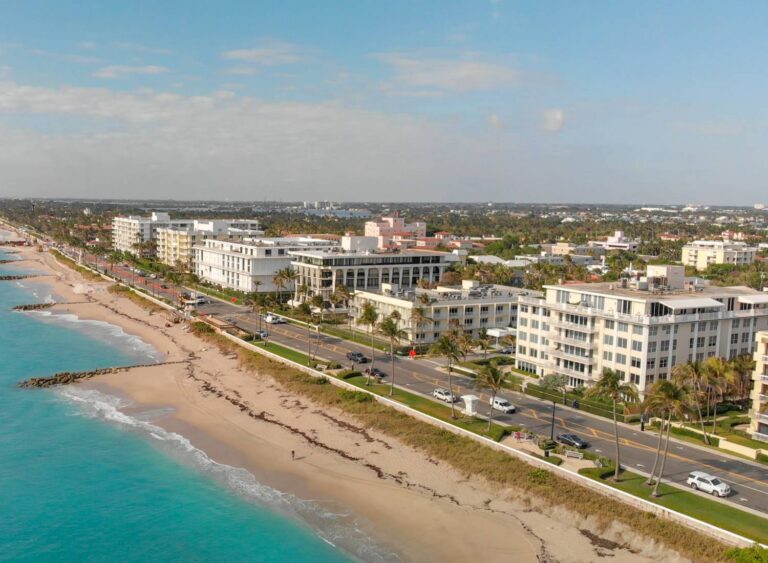
Reflecting on the past year, it was truly dynamic as we celebrated the 40th anniversary of our founding in 1984. Growing up in Camden, I remember the waterfront being dominated by brownfields, abandoned factories, industrial sites, and vacant lots. To see how much it has transformed since then is astonishing. The Camden Waterfront, directly across from Philadelphia, is now a vibrant destination. Our organization’s early work focused on laying the foundation — installing the street grid, addressing infrastructure — and this has led to $800 million in public-private investment over the past 40 years.
Today, the Camden Waterfront is home to attractions like the Adventure Aquarium, the Delaware River Port Authority, the Battleship New Jersey, and the Freedom Mortgage Pavilion Amphitheatre, which hosts renowned artists and can accommodate over 25,000 attendees. Camden is also proud to host the Philadelphia 76ers’ administrative offices and their state-of-the-art practice facility. New corporate partners like New Jersey American Water and other businesses in the Triad 1828 building have chosen Camden as home. Our skyline continues to evolve, increasingly rivaling that of Philadelphia, and positioning Camden as a regional hub for education, medicine, and research. We’re proud of these achievements over the past four decades and look forward to more exciting developments. Camden has beautiful green spaces, and Wiggins Waterfront Park and Marina was one of the first major projects. Since 1992, Camden County has hosted a free jazz concert series, attracting more than 3 million visitors annually to Camden’s waterfront. That’s remarkable, and we look forward to continued growth.
How does Camden reflect broader trends in urban redevelopment through public-private partnerships in New Jersey?
During its industrial peak, Camden was a South Jersey hub, home to companies like RCA Victor, New York Shipbuilding, and Cooper University Hospital. However, like many urban centers, the city declined in the 1960s due to suburbanization and population loss. Beginning around 2002, political leaders, clergy, community-based organizations, and faith institutions came together to reshape Camden’s identity, focusing on education and healthcare — the “eds and meds” sectors. The Municipal Economic Rehabilitation and Recovery Act catalyzed this transformation by investing $175 million, leading to over $3 billion in subsequent investment. This includes the expansion of Rutgers University’s Camden campus with new schools and facilities, Cooper University Healthcare’s growth, Virtua Healthcare, Lourdes, CAMcare, and Rowan University’s Cooper Medical School. These institutions have anchored neighborhoods, attracted housing development, improved parks, and upgraded infrastructure throughout the city, not just on the waterfront.
Most recently, Cooper University Healthcare announced a $3 billion expansion, and Governor Phil Murphy committed $250 million to rebuild the Walter Rand Transportation Center, New Jersey’s third busiest transit hub. Camden is also expanding its research footprint through partnerships with Rowan, Rutgers, the Rowan University/Rutgers Board of Governors, and the Coriell Institute for Medical Research, which is building a $100 million facility. These investments are solidifying Camden’s role as a leading center for healthcare, education, and research.
How does Camden Community Partnership support workforce development for residents, small businesses, and large corporations based in Camden?
We’ve launched several initiatives to address the social determinants of health and improve workforce development, working closely with Rutgers, Rowan, and corporate leaders, many of whom serve on our Board of Directors. One key initiative is the Camden Loop, an on-demand micro-transit service launched in June 2023 to reduce transportation barriers. For just $2 a ride, residents can use this service Monday through Friday from 6 a.m. to 8 p.m. With over 58.5% of Camden households owning only one or no vehicles, and public transit often limited or unreliable, the Camden Loop fills a critical gap. It connects residents to jobs, education, healthcare, and five full-service grocery stores just outside the city, helping address Camden’s status as a designated food desert.
We also run Camden Works, launched in 2019 in partnership with other nonprofits, government entities, and Camden County College. This program has connected over 1,400 residents not just to jobs but to careers, addressing employment as a key social determinant of health. Another program is the Camden Home Improvement Program, which offers up to $25,000 in forgivable loans to eligible homeowners for critical repairs like roofing, siding, masonry, electrical, plumbing, HVAC, and energy efficiency upgrades. These efforts help families stabilize and improve their homes, contributing to neighborhood vibrancy and long-term community wealth. Our redevelopment strategy is holistic. It’s not just about buildings, it’s about supporting the dreams and aspirations of Camden residents, particularly young people, and connecting them to opportunities, especially in healthcare, a sector that will continue to drive employment growth. That’s why institutions like Cooper, Virtua, Inspira, and others are vital: they’re driving the region’s economy. To further promote inclusive economic growth, CCP is also assisting the mayor with the Buy Camden First initiative. This program connects Camden’s small businesses—such as catering companies, entertainment providers, florists, and others—with larger corporate partners based in the city. Participating small businesses are certified to demonstrate their capacity to deliver quality goods and services, building trust and visibility among major employers. Through this effort, CCP is helping ensure that Camden’s revitalization creates direct opportunities for locally owned businesses.
What challenges does Camden face, and what opportunities might these challenges present in the coming years?
As a nonprofit leader with government experience, I’m always mindful of national policy trends. One major challenge we face is the risk of potential funding cuts at the federal and state levels, which could impact many of the projects we manage. We’re focused on building organizational resilience and helping the city adapt to these changes. Developing creative financing solutions remains on our agenda. Fortunately, we have a talented team with deep expertise in navigating uncertainty, fostering innovation, and responding effectively to challenges.
What are Camden Community Partnership’s Top 3 priorities for the coming years?
Everything feels like a priority in Camden. Our top priority is driving housing production and stabilizing neighborhoods. Second, rehabilitating and improving parks to support health and wellness for children, youth, and families. And third, advancing transportation and infrastructure improvements, particularly the Walter Rand Transportation Terminal project. Across all these priorities, resident engagement is essential because they are the ultimate beneficiaries of our work.