

Northern business sentiment shows resilience with rising optimism

IMSPe3_Banner_Visit_Owatona

Writer: Mirella Franzese

CAA25_IBSS_Q3_North_BannerOctober 2025 — In the third quarter of 2025, business sentiment across major Northern metro areas showed signs of modest recovery, buoyed by growing optimism in the regional economy and corporate performance. However, economic sentiment and perceptions of government support continued to lag, according to the latest Invest: Business Sentiment Survey (I:BSS).

“There’s a bit of uncertainty right now. We have good news and bad news economically, and we aren’t quite sure where we are landing,” a New Jersey hospitality leader told Invest:.

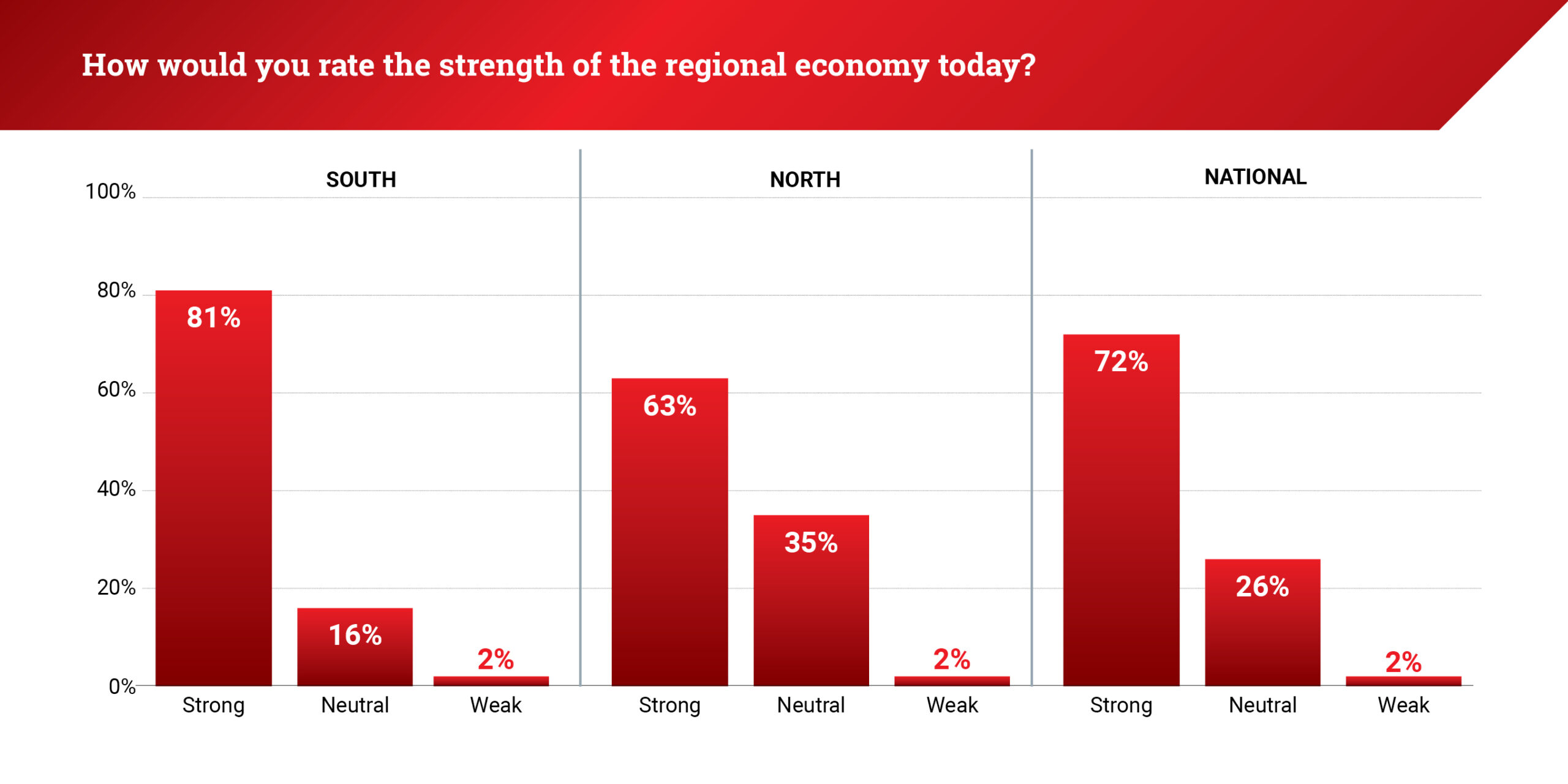
Confidence across regional economies grew by 5% this quarter, with 63% of surveyed executives rating current conditions as “strong.” (Respondents rated various economic factors on a scale of 1 to 5, with 5 being the highest). Despite improving expectations, regional market sentiment remains down 12% year-over-year, reflecting continued instability and an unclear economic outlook.

CAA25_IBSS_North_2Q25_3

“Over the last year, the primary challenge has been the economy’s uncertainty,” explained a New Jersey-based bank CEO to Invest:. “The unpredictability of factors such as tariffs and regulatory changes emerging from Washington, D.C., made it a worrisome period.” 

Economic sentiment among Northern business leaders (3.73) trailed the national average of 3.95 in 3Q25, which was largely buoyed by a strong 4.17 average in Southern markets like Atlanta, Charlotte, and Houston. 

While national and Southern average scores remained mostly unchanged from the previous quarter, Northern economic sentiment rose by 0.12 points, indicating growing optimism. The uptick is partly attributed to the region’s key industries and upcoming economic drivers, including the 2026 FIFA World Cup, which is expected to boost infrastructure, tourism, and hospitality.

CAA25_IBSS_North_2Q25_2

“Philadelphia remains a community with immense potential,” a Pennsylvania-based banking executive told Invest:. “The region has a diverse economy: strong “eds and meds,” vibrant sports culture, and excellent transportation links that make it a great place to live, work, and grow. Major events like next year’s semiquincentennial celebration, the MLB All-Star Game, and multiple FIFA fixtures will further showcase the city.”

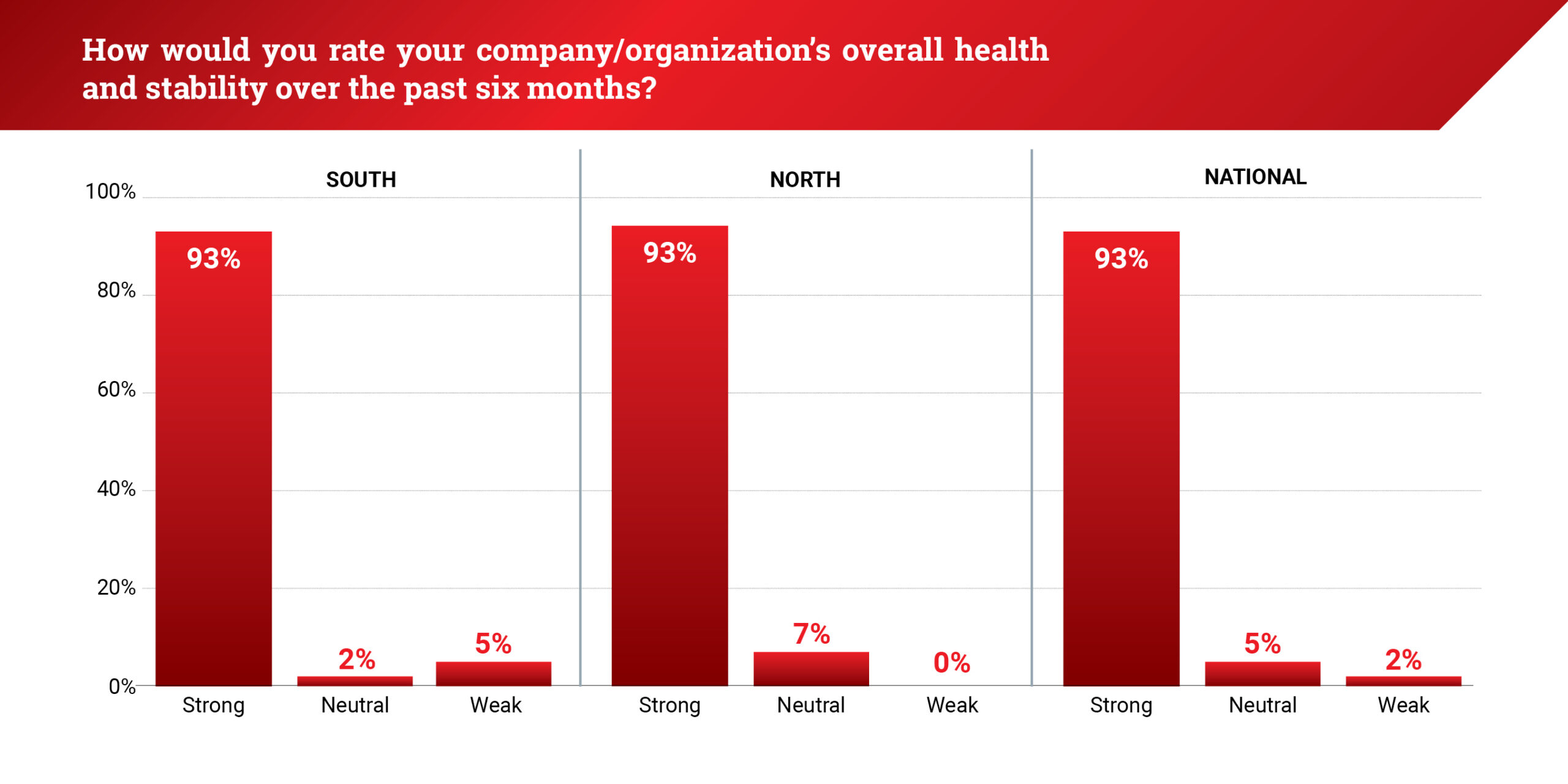
Positivity extended to perceptions of company health and stability despite shifting market conditions. Corporate sentiment skewed positive, with 93% of respondents in the North rating their company’s performance as “strong,” compared to just 90% in the previous quarter and 88% a year earlier.

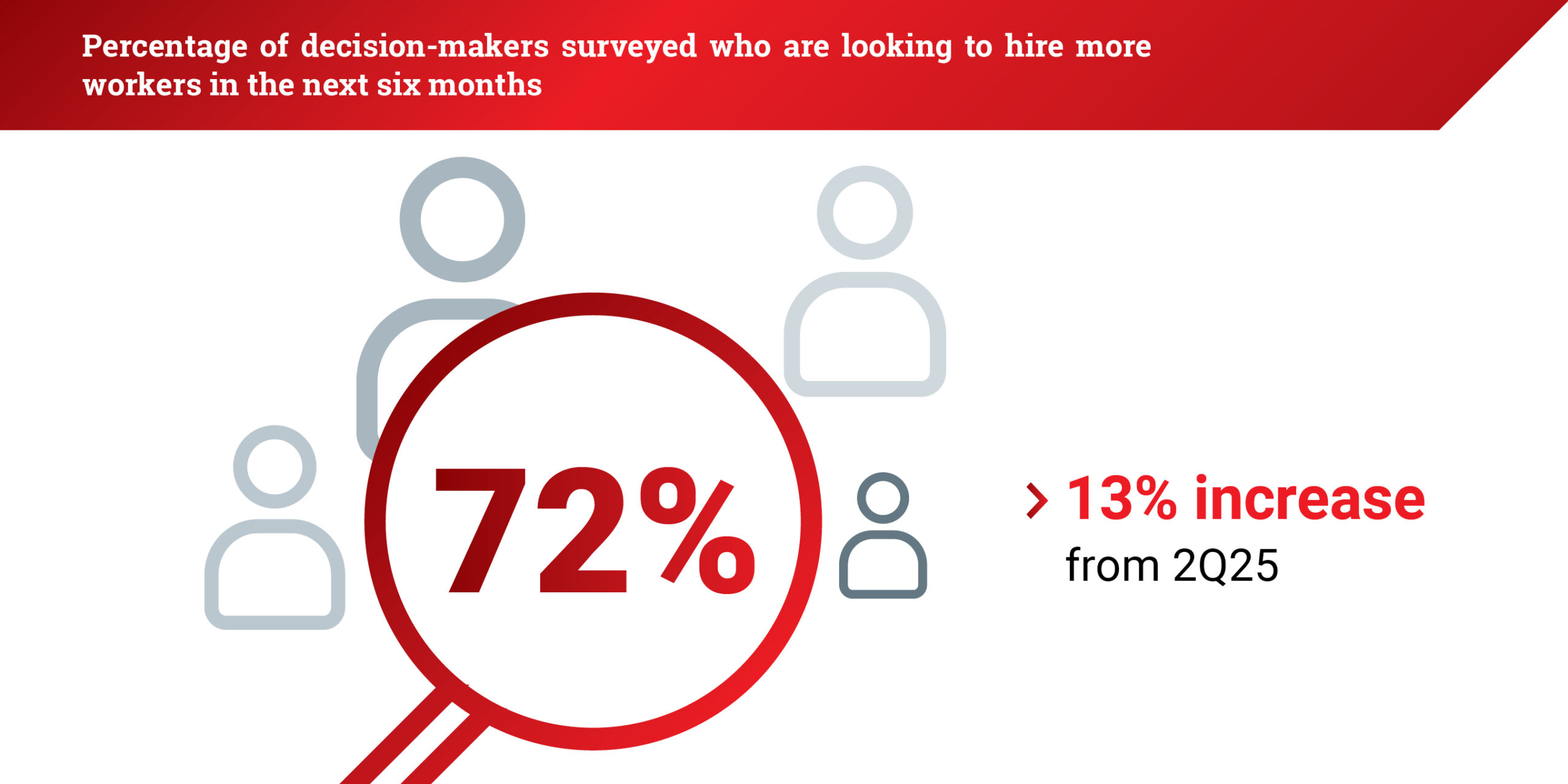
In Northern markets, hiring intent remains steady despite a cooling labor market. About 79% of decision-makers plan to hire in the next six months, a 6% increase from the previous quarter (73% in 2Q25) and a 4% rise year over year (75% in 3Q24). Nationally, 75% of businesses are planning to increase their headcount. 

As companies continue investing in technology and AI, demand for tech-specific roles has emerged as a regional bright spot, particularly in professional services, contributing to the hiring momentum across the North.

“The timeline for hiring technology positions happens faster than in construction,” a Pennsylvania contractor CEO told Invest:. “We’ve seen a lot of growth in the technology sector, and companies are coming here to set up shop and utilize the talent pool.”

“Leveraging the tech stacks would enable us to reach economies of scale,” said the managing director of a New Jersey accounting firm. “A lot of CPA firms.. are hiring  accountants or ….more non-accountants who are focused on information systems, data analytics, and technology capable of producing data links and data mining, which is necessary for our consulting services.”

Despite a moderate hiring appetite, market conditions remain uneven across sectors, with 68% of leaders in the South and North reporting favorable performance. Sectors such as construction continue to face the effects of elevated interest rates, making development harder to finance and further affecting housing costs, affordability, and workforce development in the region.

CAA25_IBSS_North_2Q25_4

“Many private development projects are highly sensitive to interest rates,” a Philadelphia builder told Invest:. “Over the past two years, there’s been a lot of waiting and hoping for meaningful rate reductions, which haven’t materialized.”
CAA25_IBSS_North_2Q25_5

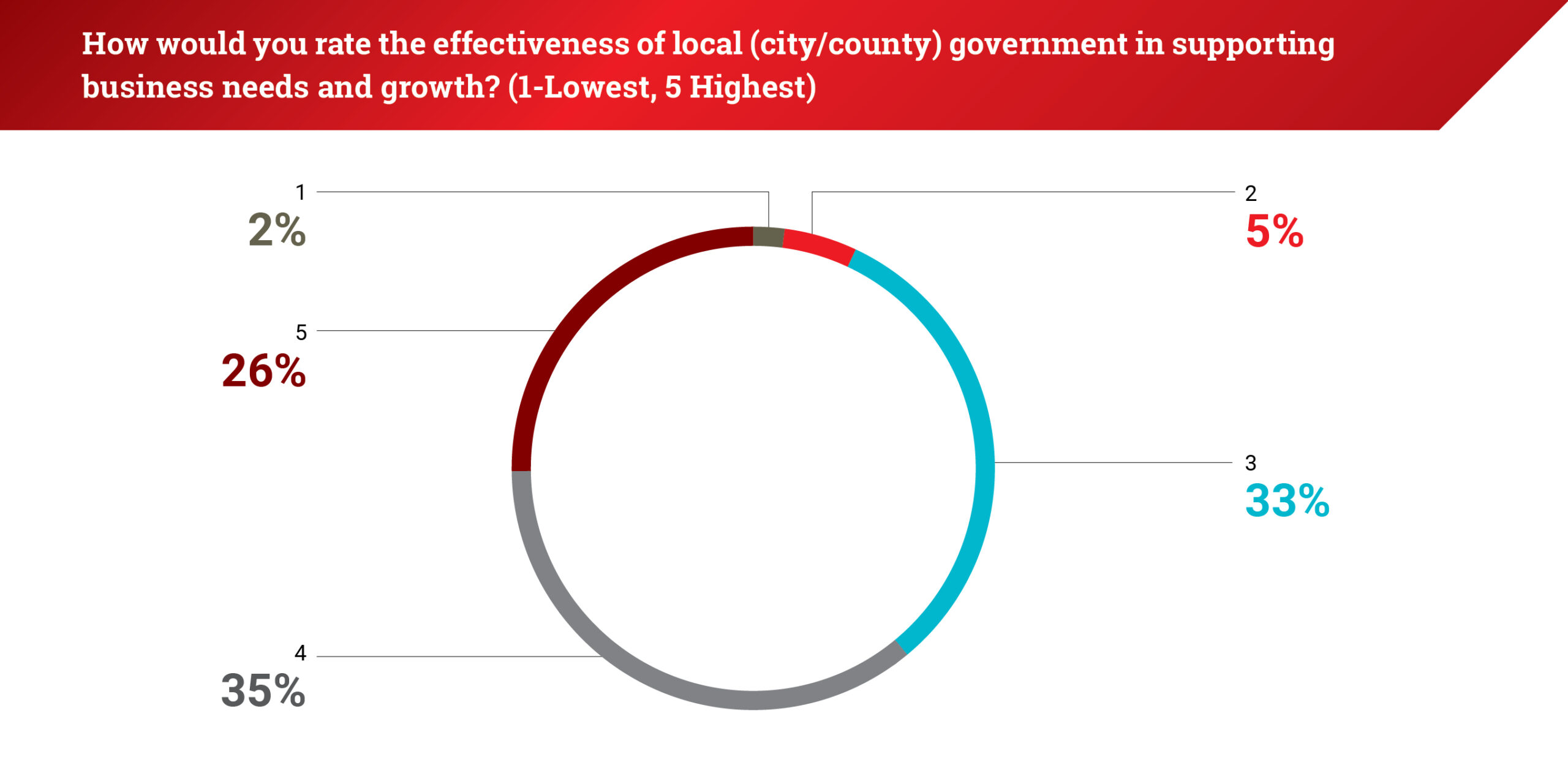
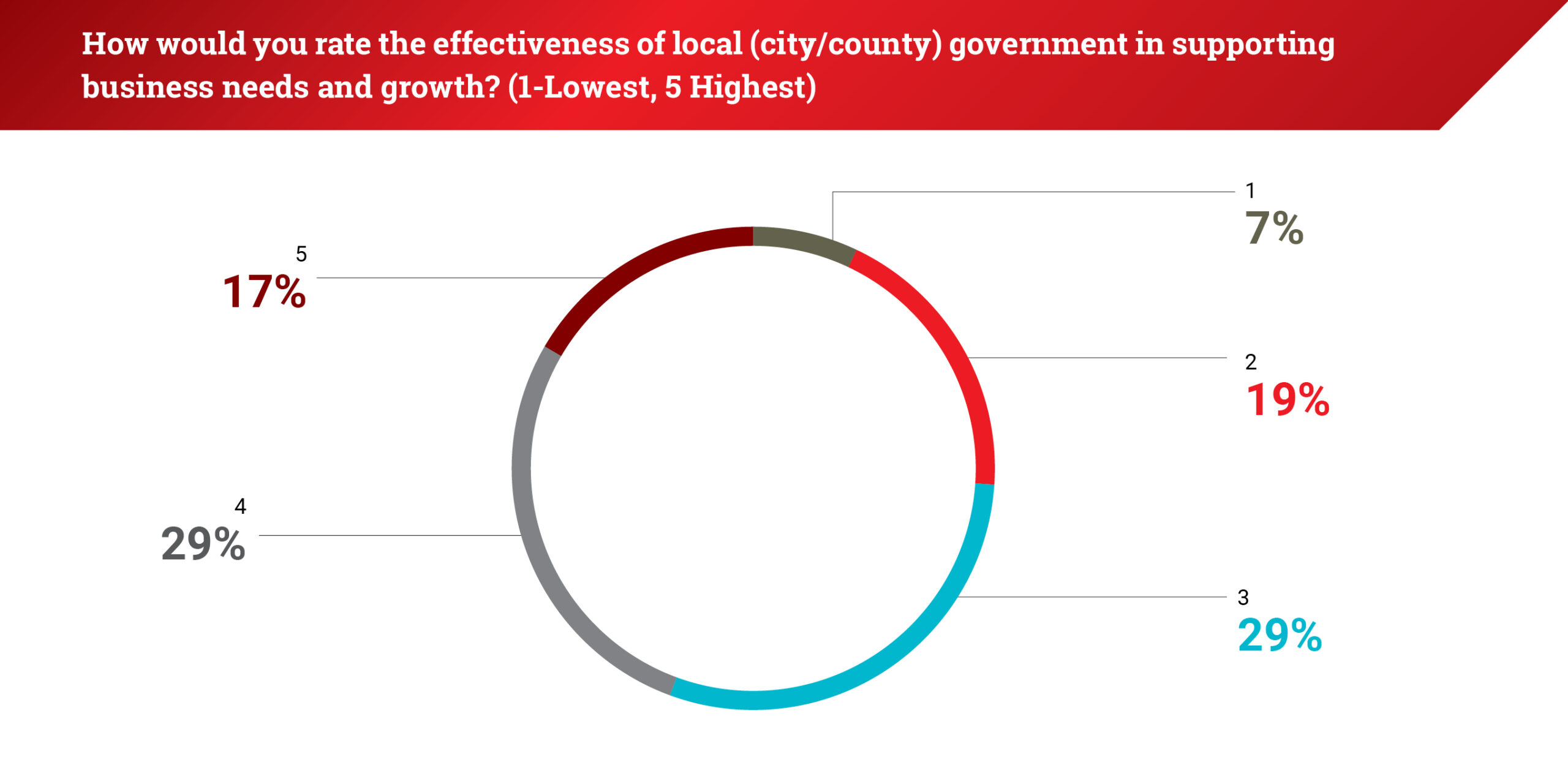
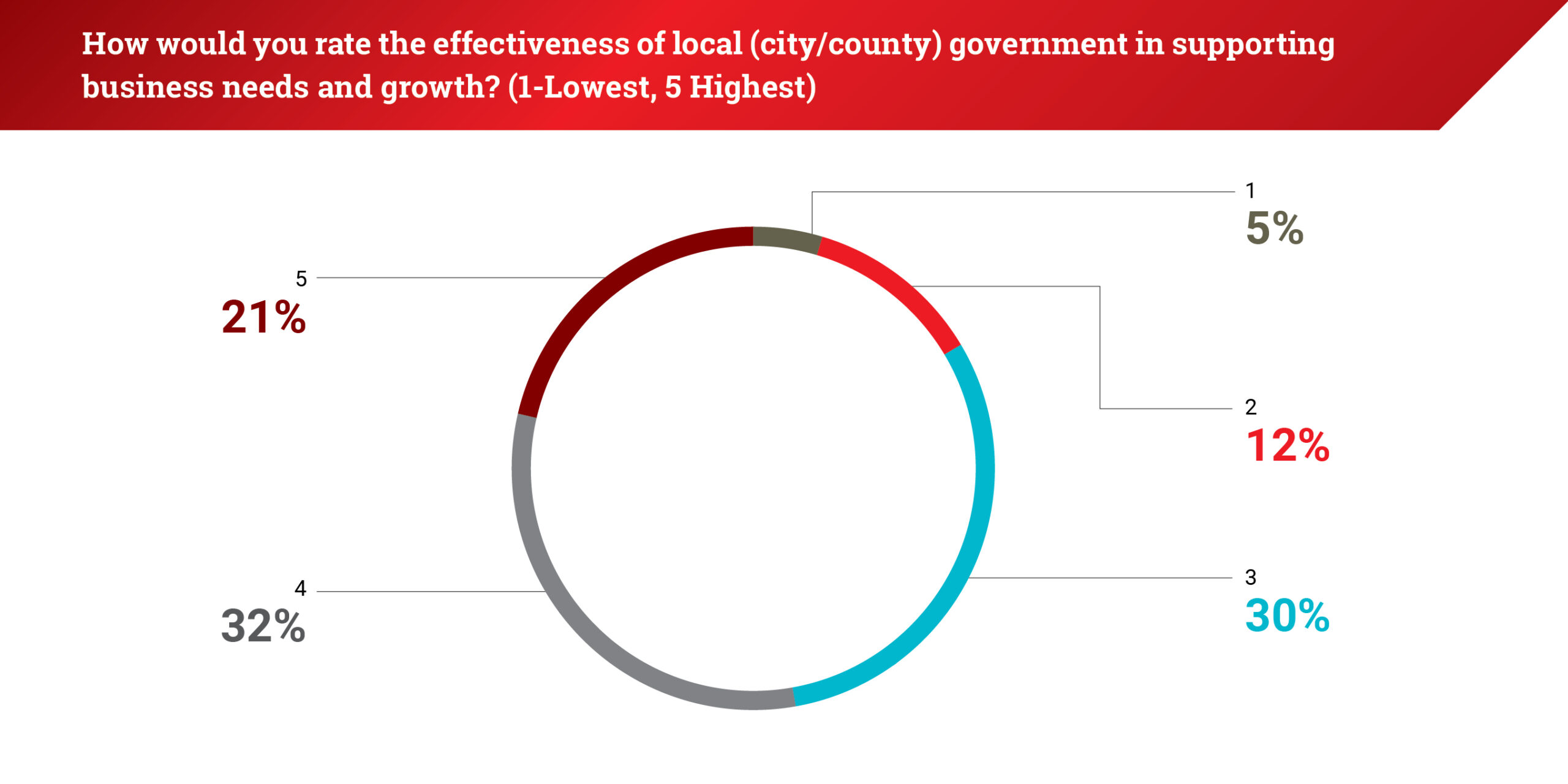
At the same time, perceptions of local government performance diverge significantly between regions. Just under half of Northern executives (46%) rated their local government’s ability to support businesses as “strong,” showing little change quarter over quarter. In the South, by comparison, 70% of respondents expressed a positive view of local government support.

For more I:BSS reports, click here.

Subscribe to Our Newsletters

"*" indicates required fields

Address*
Would You Like To Receive Our National Newsletter?*
Interests
Markets
This field is hidden when viewing the form

Economic sentiment remains unchanged in Q3, Invest: Biz Survey finds

IPITe3_Banner_Liberty_Energy

Writer: Ryan Gandolfo

CAA25_IBSS_Q3_BannerOctober 2025 — Business and economic sentiment changed little in the third quarter of 2025 as leaders pointed to market strength despite ongoing uncertainty, according to a new survey from caa.

In September, the Federal Reserve cut interest rates for the first time in nearly a year, slightly moving the needle in a positive direction, but business leaders still see a murky overall picture.

“The cost of capital is just higher now,” a Tennessee-based commercial real estate investment firm managing partner told Invest:. “Investors are efficient and they’ll go where the best risk-adjusted return is. If you can’t offer that, they’ll put their money elsewhere.”

The survey of public- and private-sector leaders was conducted from July 1 through Sept. 30 and compiled in the Invest: Business Sentiment Survey (I:BSS). On average, respondents rated the strength of their regional economy at 3.95 out of 5, with 5 being the highest. The figure is virtually unchanged from the previous quarter.

Just under three-quarters (72%) of respondents viewed their regional economy as strong (4 or 5 out of 5). Southern market leaders were the most optimistic at 81%, while their Northern counterparts were less convinced, with only 63% rating their regional economy as strong.

CAA25_IBSS_National_3Q25_1

The latest I:BSS findings come as the U.S. government endures an ongoing shutdown, halting key economic data releases on the job market, inflation, consumer spending, and business investment, Reuters reported. The 3Q I:BSS responses do not reflect the shutdown, which began on Oct. 1 and could impact sentiment in the final quarter of the year. 

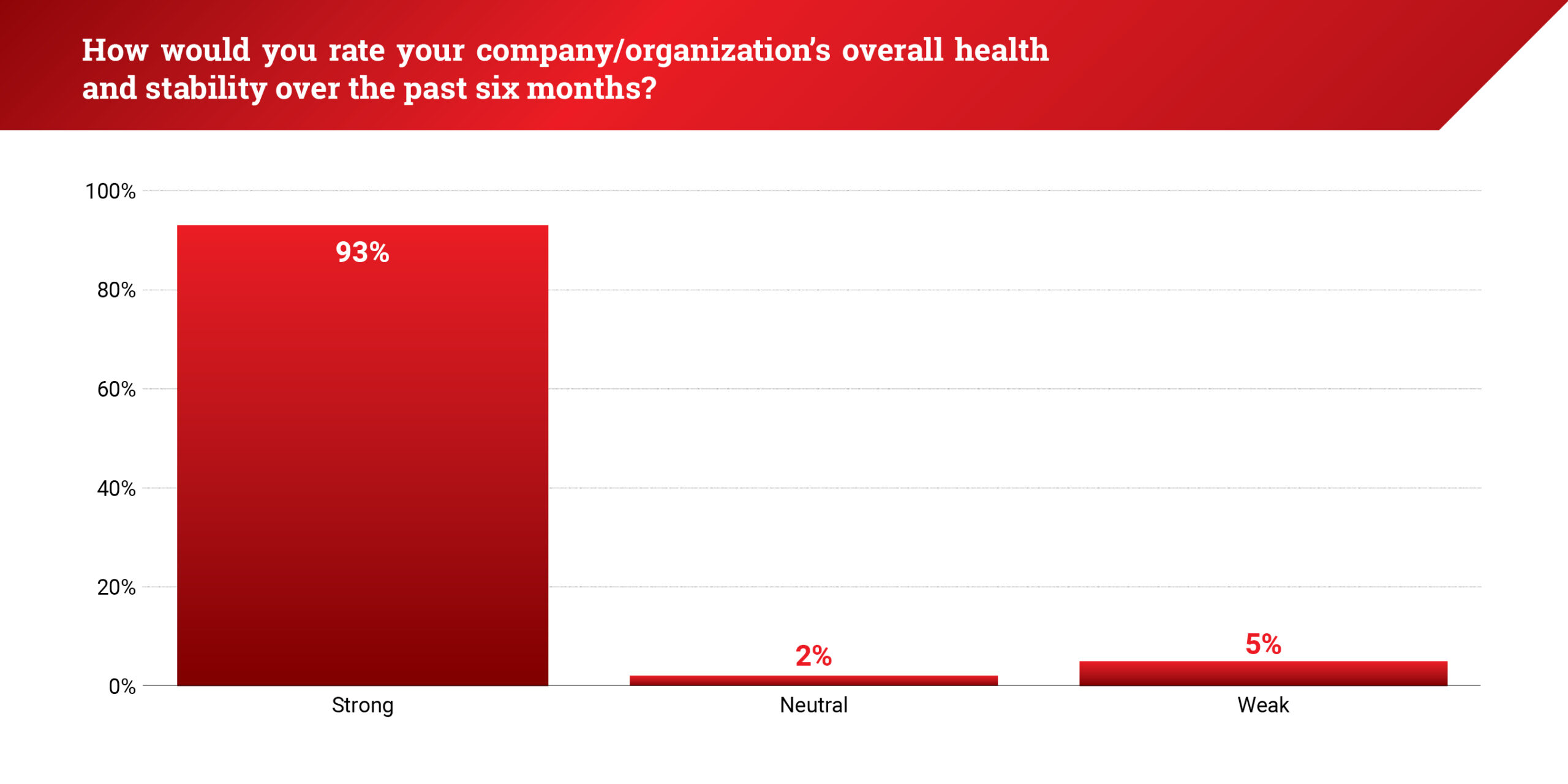
Regarding organizational health and stability, 93% of Northern and Southern market leaders held favorable views, rating their firm’s performance over the past six months at 4 or higher.

CAA25_IBSS_National_3Q25_2

In the third quarter, leaders attributed sustained business activity to the strength of key markets.

“Markets in Dallas and the Atlanta area have maintained some activities that allowed us to keep moving forward,” an Atlanta-based construction firm CEO told Focus:. “Those are some of the most resilient markets across the country.”

Total U.S. construction spending reached a record $2.21 trillion in May 2024, on a seasonally adjusted annual basis, but has stagnated over the past 15 months following a 13-year upward trend. As of Oct. 7, the latest monthly report has yet to be released.

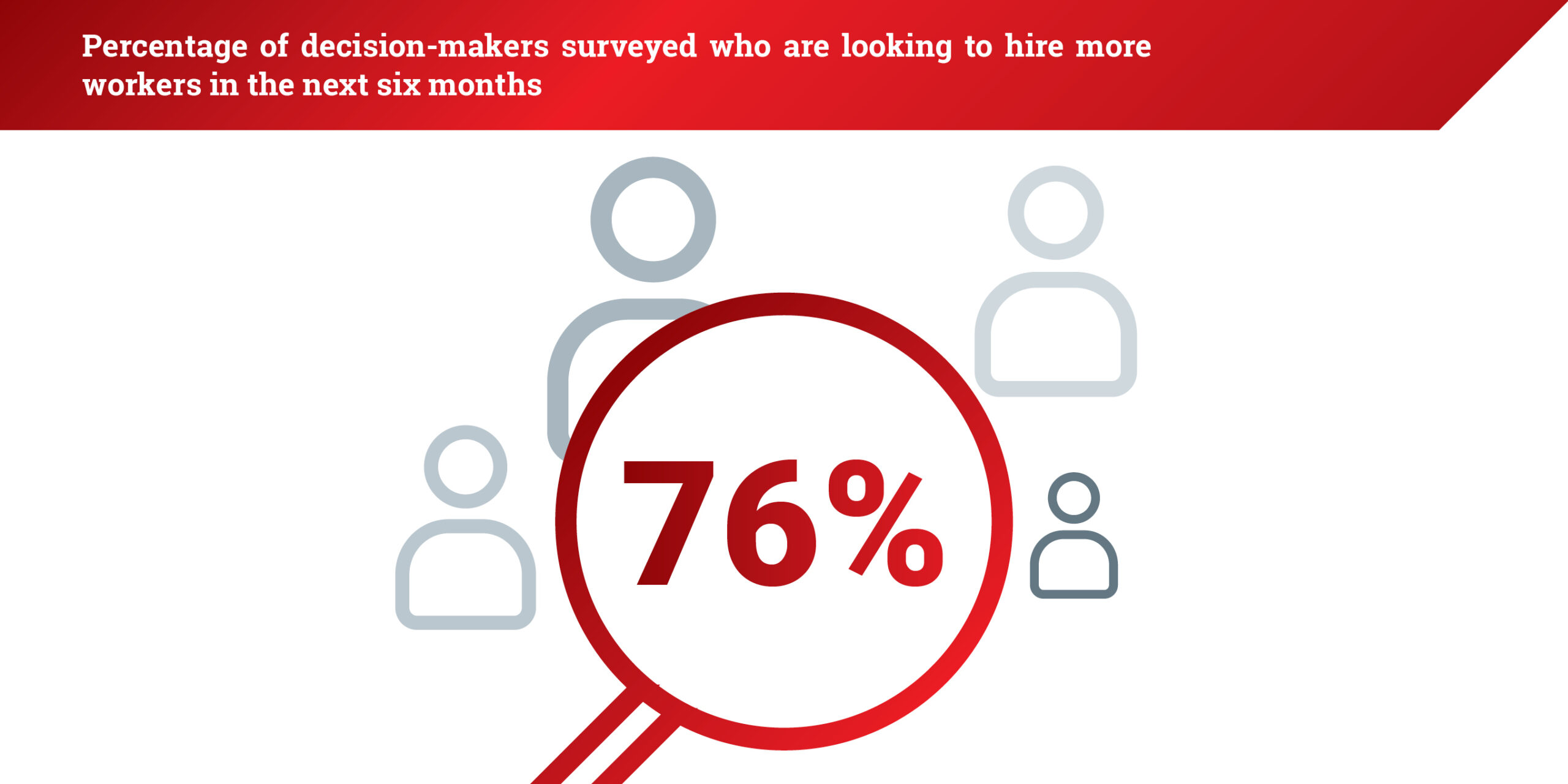
While confidence in company health and stability remained strong, labor market optimism has been more restrained throughout 2025. In 3Q25, 76% of survey respondents rated hiring expectations over the next six months at 4 or higher, compared to 79% in the third quarter of 2024.

CAA25_IBSS_National_3Q25_3

Nationally, job openings remained unchanged at 7.2 million in August, according to the Bureau of Labor Statistics. However, Google Trends data shows searches for “hiring” falling to one of their lowest points in 2025 at the end of Q3.

Just over half (53%) of respondents rated local government support for businesses as strong (4 or 5 out of 5), while 47% held neutral or negative views.

CAA25_IBSS_National_3Q25_5

Continued growth across U.S. metro areas will depend on public and private sector collaboration, particularly in key areas like affordable housing.

“I don’t like mixing government with the private sector, but sometimes it’s necessary,” said a Tennessee-based entrepreneur to Invest:.

For more I:BSS reports, click here.

Subscribe to Our Newsletters

"*" indicates required fields

Address*
Would You Like To Receive Our National Newsletter?*
Interests
Markets
This field is hidden when viewing the form

Southern business leaders report growth despite hiring, cost pressures: I:BSS survey shows

ISATe4_Banner_Marmon_Mok_Architecture

Writer: Andrea Teran

CAA25_IBSS_Q3_South_BannerOctober 2025 — Southern ​​business leaders report continued strength in company performance and demand, but confidence has cooled slightly in the face of persistent cost volatility and policy uncertainty.

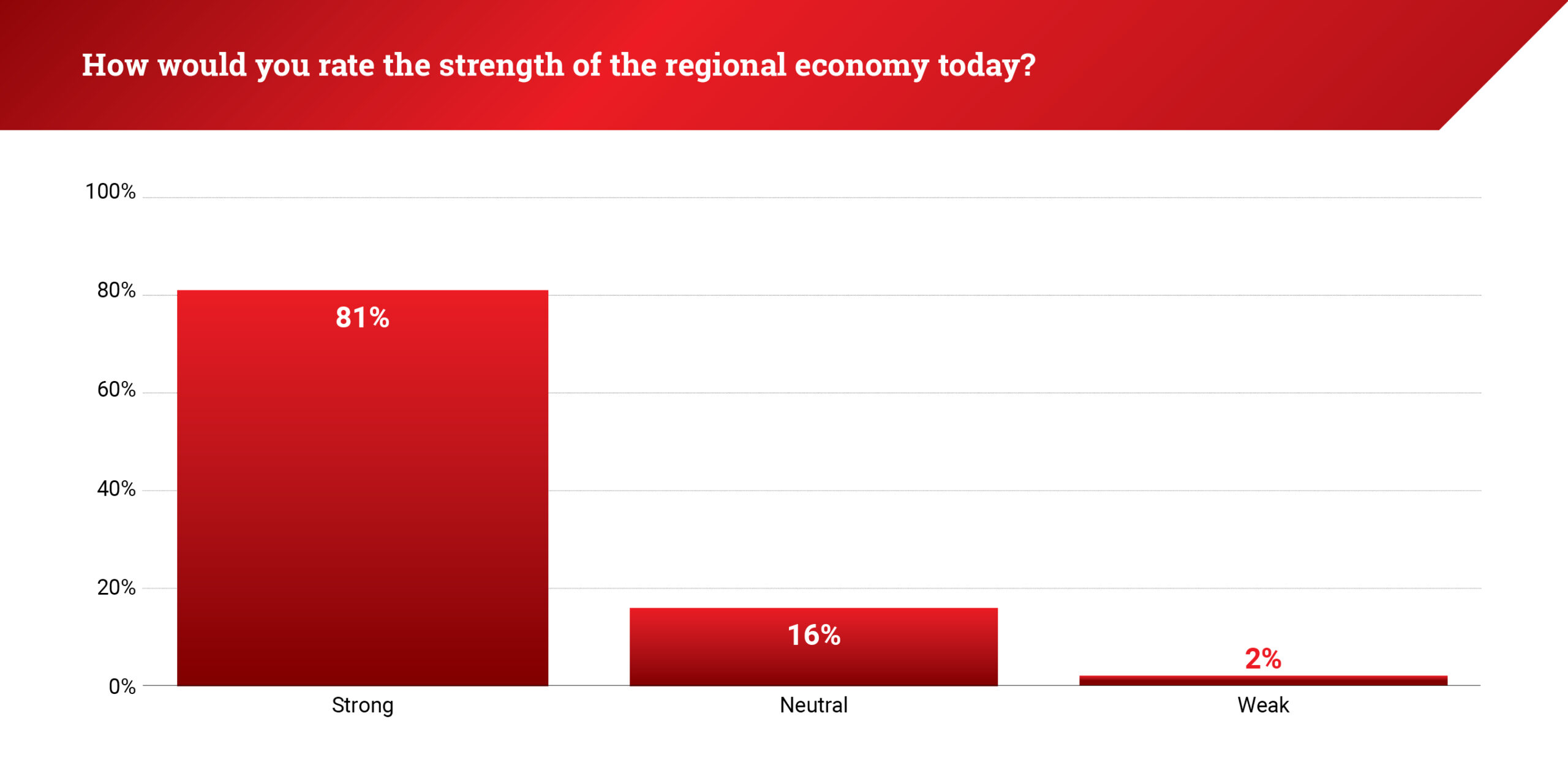
According to caa’s latest Invest: Business Sentiment Survey (I:BSS), 81% of U.S.-based Southern executives rated their regional economy as “strong” (scores of 4 or 5), down from 86% in 2Q25 and 89% in 3Q24.

“We’re fortunate to be in Texas, where the economy has been more insulated than in other regions,” a San Antonio-based engineering executive told caa. “Even if growth slows, we can continue moving forward without significant setbacks because of the diversity of our markets.”

Southern markets continue to outperform the U.S. overall, with an average rating of 4.17 in 3Q25, compared to 3.95 nationally and 3.73 in the North. But the 5-point quarterly drop in strong responses reflects declining optimism as tariffs, rate uncertainty, and rising costs lower economic sentiment.

CAA25_IBSS_South_3Q25_1This resilience stands out amid greater turbulence in the world economy. According to the OECD’s September 2025 Economic Outlook, global GDP growth is projected to slow from 3.3% in 2024 to 2.9% this year and next, with global output expected to rise by just 2.5% through the fourth quarter of 2025. The slowdown is particularly pronounced in the U.S., where GDP is projected to grow by only 1.1% over the year.

In a bid to support slowing growth, the Federal Reserve cut its benchmark interest rate by 25 basis points in mid-September — the first rate cut since December 2024. This brought the federal funds target to a range of 4.00% to 4.25%. The Fed signaled two additional cuts may follow by year-end. While the move could ease borrowing costs, many executives remain concerned that tariffs, supply chain challenges, and overall volatility may temper any near-term relief.

CAA25_IBSS_South_3Q25_2

When asked to rate their organization’s overall health over the past six months, 93% of Southern leaders gave a strong rating; up 2 points from the previous quarter and 6 points year over year. This aligns with leaders’ insights from construction, finance, and technology firms.

“Even when clients hesitate due to tariffs or macro uncertainty, we continue to see new project activity almost immediately,” said a Palm Beach-based construction executive. “The market resets and moves forward quickly.”

Perceptions of market strength in the South, however, declined sharply in 3Q25, with 74% of leaders rating current industry conditions positively, down from 94% the prior quarter. Just 2% indicated weakening conditions this quarter.

“We’ve adjusted by staying close to our clients, regularly updating budgets and offering flexible planning,” added a Houston-based engineering and consulting executive.

Inflation expectations have been revised upward by the CBO economic projections, driven largely by tariffs. The PCE price index — the Federal Reserve’s preferred inflation measure — is projected to rise 3.1% in 2025, before easing to 2.4% in 2026 and 2.0% in 2027. Elevated input costs are expected to persist through the near term, aligning with Southern executives’ concerns about pricing volatility. A Houston-based consultant noted, “We’re frequently updating project budgets to reflect material and labor cost shifts; flexibility has become a core part of our client engagement model.”

The U.S. labor market continues to cool. Unemployment rose to 4.3% in September, from 4.1% at the end of 2024, according to the latest figures from the Bureau of Labor Statistics. The CBO anticipates the unemployment rate will continue to rise to 4.5% in 2025 before briefly easing to 4.2% in 2026.

Despite this, 72% of Southern executives say they plan to hire — an increase from the previous quarter, but still 8 points below the same period in 2024 — suggesting businesses remain responsive to labor market tightness while navigating potential softening ahead. Reduced immigration levels are also expected to further limit labor supply, compounding hiring challenges in sectors already facing talent shortages.

CAA25_IBSS_South_3Q25_3

“Talent shortages are especially pronounced in the accounting field,” said a Florida-based accounting executive. “We’re working to reframe the profession as one that’s strategic, tech-forward, and deeply client-facing to appeal to the next generation.”

A Houston-based staffing leader echoed the competitive nature of the labor market: “Most small and midsize firms we work with are either backfilling roles or expanding teams. Employers are leaning on hybrid flexibility and mission-driven messaging to stay competitive.”

Southern executives remain more satisfied with local government support than their Northern peers. Seventy percent rated local government support as favorable — down from 78% last quarter, but unchanged from the same period in 2024. In contrast, only 46% of Northern respondents rated their local government positively.

CAA25_IBSS_South_3Q25_5

“We encourage all our clients, especially small businesses, to engage more directly with local governments,” said a South Florida-based financial services executive. “That dialogue helps ensure policies remain aligned with business needs and market realities.”

Sectors such as energy infrastructure, logistics, and advanced manufacturing remain active. For example, Swiss firm ABB announced a $110 million U.S. manufacturing investment, expanding capacity in Texas to support grid modernization and power-intensive sectors like data centers.

For more I:BSS reports, click here.

Subscribe to Our Newsletters

"*" indicates required fields
Address*
Would You Like To Receive Our National Newsletter?*
Interests
Markets
This field is hidden when viewing the form

The untapped trillion-dollar opportunity in women’s health

IPITe3_Banner_Magee_Womens

Writer: Mirella Franzese

Doctor_and_patientOctober 2025 — Women’s health remains one of the most underinvested areas in medicine, a social, public, and economic imperative that also represents a missed opportunity for investors, especially as the U.S. scales back health funding.

“Women’s health research has always been underfunded, and federal funding cuts over this past year only deepen the gap,” said Michael Annichine, CEO of Magee-Womens Research Institute & Foundation.

Key segments of the healthcare market remain largely untapped, despite sizable potential returns. For context, just 1% of healthcare research and innovation is invested in female-specific conditions beyond oncology, according to a McKinsey study.

Opportunities in pharmaceuticals are significant, as sex-based differences affect how drugs are processed and how they act on the body — influencing treatment outcomes and efficacy. This is seen particularly with cardiovascular medicines and antidepressants.

Yet, capital invested in women’s health and research can unlock major financial returns through spillover benefits. These include better outcomes for children, more productive workforces, fewer caregiving burdens, and less strain on public resources, all of which translate into stronger economies.

“When women’s health is viewed as capital rather than cost, results appear in laboratories, workplaces and households over time,” wrote Amira Ghouaibi, head of the Global Alliance for Women’s Health at the World Economic Forum (WEF).

In general, women live 25% more of their lives in poor health compared to men, according to a WEF report.

Closing this gap would add seven healthy days per year for each woman, generating an estimated $1 trillion to annual global GDP by 2040 — a $3 return for every $1 invested.

Similarly, investing in treatments for endometriosis — a condition that affects only women — has a market potential of $180 billion to $250 billion, comparable to markets for high-cost conditions such as diabetes.

The problem is that investments in women’s health research are lower now than in the past two decades. For example, the National Institutes of Health (NIH) — the U.S. government’s primary medical research agency — cut its budget allocation for women’s health from 13.5% in 2005 to just 10% this year, according to reproductive health research firm The Guttmacher Institute.

According to Annichine, fields that have historically received little attention — such as maternal health, menopause, endometriosis, and pelvic floor disorders — are at even greater risk now.

“The areas that were under-resourced before are even more so today, ” he told Invest:. “This limits our ability to move discoveries forward, train the next generation of scientists, and ultimately improve care for women and their families… There will be inefficiencies in our care delivery system.”

More specifically, the recent federal funding cuts are expected to have a disproportionate impact on the delivery of sexual and reproductive health and HIV services. Planned Parenthood, which supports U.S. women’s health services and abortions, could lose nearly $700 million in federal funding, leading to the closure of as many as 200 facilities nationwide.

Shutdowns at this scale could be devastating for women. Maternity deaths in the U.S. are already double, if not triple, the rate for most other high-income countries, including Australia, the U.K., Canada, France, and Germany, according to a 2024 Commonwealth Fund study. Of the 14 countries surveyed in the study, the U.S. was the only one without mandated maternity leave and without pregnancy costs covered by medical insurance. 

“The health of our society depends on ensuring women are healthy, not just during reproductive years, but across their lifespans,” said Annichine.

Despite systematic underfunding, women’s health initiatives are gaining momentum in the U.S. Leading organizations like Magee-Womens Research Institute & Foundation are reframing women’s health beyond reproductive biology to address some of these critical gaps and improve outcomes for women at every stage of life.

Industries outside of medicine are taking notice as well.  Anywhere Real Estate (formerly Realogy) and 84 Lumber — a leading supply builder — partnered with Magee to contribute to women’s health research.

More recently, the Gates Foundation announced a $2.5 billion commitment to accelerate R&D focused on enhancing women’s health in five high-impact areas: Obstetric care and maternal immunization, maternal health and nutrition, gynecological and menstrual health, contraceptive, and sexually transmitted infections.

“Women’s health is not just a philanthropic cause — it’s an investable opportunity with immense potential for scientific breakthroughs that could help millions of women,” said Anita Zaidi, president of the Gates Foundation’s Gender Equality Division, in a press release.

“What’s needed is the will to pursue and follow through.”

Want more? Read the Invest: reports.

Subscribe to Our Newsletters

"*" indicates required fields
Address*
Would You Like To Receive Our National Newsletter?*
Interests
Markets
This field is hidden when viewing the form

Small businesses adapt to inflation and access to capital pressures

Writer: Mirella Franzese

RetailOctober 2025 — Small businesses contribute nearly half of the U.S. GDP, but in 3Q25 they were tested by significant barriers to growth. Inflation, tariffs, and a tight labor market have hindered expansion, while access to capital remains a major obstacle.

“Most small businesses fail for lack of capital,” Daniel Sheehan, president of Vista Bank, told Invest:.

According to the U.S. Chamber of Commerce’s Q3 2025 Small Business Index, inflation is the primary concern for 46% of small businesses. In the past year, 75% of small businesses said they were impacted by inflation, with many raising prices to offset higher costs.

In general, one in three U.S. firms is planning to increase prices by the end of the year as supplier costs and tariffs squeeze bottom lines. Among small businesses, twice as many (65%) are expected to hike prices, led by the retail sector.

A 2024 report by Boston Consulting Group noted that in an uncertain economy even the smallest price increases can discourage low-to-middle-income consumers from making discretionary purchases. For small businesses, which already tend to operate with slimmer profit margins, this could cause companies to close, Todd McCracken, president and CEO of the National Small Business Association advocacy group, told CNBC.

Beyond inflation and supply chain issues, small business owners are facing three core challenges: attracting talent, affording employee benefits, and revenue.

Nearly half of small business owners say they can’t find qualified applicants in the current labor market, according to NFIB’s 2025 Jobs Report. In addition to the lack of skilled workers, small enterprises are having to compete with larger employers on pay and benefits, as well as increase labor costs.

Access to capital is a big part of the equation, especially for corporations with less than 20 employees and in retail and service sectors. “Small businesses are the backbone of the U.S. economy,” said Rory Ritrievi, president and CEO of Mid Penn Bank, in an interview with Invest:. But he pointed out they “can’t get the financing they need from large institutions.”

Forty percent of small businesses are in debt of $100,000 or more, according to the Federal Reserve, but more than half cannot afford to take out a loan given current interest rates. At the same time, the number of small businesses seeking financing at big banks continues to decline — down from 44% in 2023 to 39% in 2024 — due to tighter credit requirements and growing dissatisfaction with lenders.

Community banks and smaller financial organizations like Georgia United Credit Union (GUCU) are doubling down on the small business segment, as a result.

“We focus on filling gaps that traditional banks often overlook,” said GUCU President Laura King to Invest: reporters. “While banks lean heavily on large commercial lending, we don’t … We’ve introduced products that big banks rarely offer to these groups.”

“For example, our high-earning savings account doesn’t require the typical $25,000 minimum. Members can open it with any amount and earn the full rate if they deposit at least $100 net each month,” she added.

King noted that many members wouldn’t have qualified for such products before expansion.

For Ritrievi, the relationship between small banks and small business owners could help stabilize the economy. “That relationship helped the country recover quickly after the 2007-2008 crisis. Whether starting, expanding, or transitioning ownership, (small businesses) rely on banks like us,” Ritrievi said.

In fact, small and midcap banks provide the majority of small business credit, according to Vista Bank’s Sheehan. Additionally, small business owners report easier access to capital than two years ago — a step in the right direction.

Despite concerns, the outlook for this quarter remains strong. The MetLife & U.S. Chamber of Commerce Small Business Index hit an all-time high of 72 — up from 65.2 last quarter — showing the resilience of small business owners amid economic whirlwinds.

“Small business owners are resilient,” said Ritrievi. “They make personal sacrifices and push through tough periods. Their dedication often drives the broader economy forward.”

Want more? Read the Invest: reports.

Subscribe to Our Newsletters

"*" indicates required fields
Address*
Would You Like To Receive Our National Newsletter?*
Interests
Markets
This field is hidden when viewing the form

What downtown’s latest office exit means for the city’s urban core

Writer: Andrea Teran

Downtown_San_AntonioOctober 2025 — In a move that underscores the shifting dynamics of urban office demand, telecommunications giant AT&T will vacate its downtown San Antonio office at 1010 N. St. Mary’s St., leaving approximately 400,000 square feet empty in an already challenged central business district.

The company is relocating to The Reserve at Westover Hills on the city’s West Side, where it will occupy more than 100,000 square feet. CBRE brokered the deal, according to sources cited by the San Antonio Business Journal.

The exit marks another significant setback for San Antonio’s urban core, which has seen a string of corporate departures in recent years. Other notable exits include Visionworks, PwC, and USAA, part of a broader trend of firms favoring suburban campuses over downtown high-rises.


Join us at the San Antonio 4th Edition Leadership Summit! This premier event brings together hundreds of San Antonio’s business and regional leaders to discuss the challenges and opportunities for businesses and investors. This year’s theme centers on how the region is balancing economic growth and authenticity. Buy your ticket now!


AT&T’s move aligns with similar patterns in other major Texas metros. In August, the Dallas Business Journal reported that AT&T was also exploring a suburban relocation from its global headquarters in downtown Dallas. Locally, the company’s relocation places it near other large tenants, such as consulting firm Guidehouse, which signed a 107,000-square-foot lease in the same Westover Hills complex last year.

Yet some local voices caution against viewing this trend as one-directional. Erin Cestero, president of JBGoodwin Realtors’ San Antonio Division, noted the evolving nature of workplace geography. 

“We still see COVID impacts, but where the outskirts boomed during COVID, now employees are returning to offices,” she said during a recent interview with Invest:. “Demand has moved back to areas with airport access, downtown living, and amenities… This is the adaptability I mentioned: We shifted to the outskirts during COVID, now we’re shifting back.”

In response to similar departures, IBC Bank announced plans to reposition its riverfront IBC Centre I property into a 300-room hotel, according to the San Antonio Business Journal.

“We’re seeing major projects like the $600 million Alamo redevelopment on the east side, a new baseball stadium on the West Side with 1,200 units of housing, and potentially even relocating the Spurs arena to the eastern edge of Hemisfair Park,” Centro San Antonio President and CEO Trish DeBerry told Invest:. “Great cities have great downtowns… Our job is to honor that history while embracing the future with things like autonomous vehicles, AI, and the next wave of urban innovation,” she added.

Mayor Gina Ortiz Jones has also emphasized the importance of a vibrant downtown. “We have a rare chance to revitalize our downtown. But it’s important to look at history, to see how similar projects played out before,” she said in a recent interview with Invest:. “We need to learn from that and apply those lessons now, so we can achieve our two big goals: reducing poverty and increasing competitiveness.”

Beyond office real estate, San Antonio is also experiencing evolving residential demand dynamics. Nearly half of online home listing views by San Antonio shoppers between April and June were for properties outside the metro, up from 36.8% in the same period in 2019, according to Axiom.

Top outbound destinations include Austin (11%), Corpus Christi (7.2%), and Dallas–Fort Worth (5.9%). Meanwhile, San Antonio remains a draw for buyers from DFW, Chicago, and Austin. Though not all online activity translates to home purchases, the data suggests mounting affordability pressures and a growing preference for suburban or regional alternatives.

“Depending on where people work, they generally try to live nearby,” said Gilbert Gonzalez, president and CEO of the San Antonio Board of REALTORS® in an interview with Invest:. “Some people want that quality of life; being able to walk to dinner, walk to the grocery store, and live in a more walkable city… But even in the suburbs, development is happening all over town: north, south, east, and west.”

Despite the headwinds downtown, select adaptive reuse efforts are gaining traction. Developers behind the Tower Life Residences project are converting the historic office tower into 242 apartments — half designated as affordable housing through a deal with Bexar County.

“We wanted the name to be enduring going forward,” said Jon Wiegand, managing director of real estate for McCombs Enterprises and part of the team behind Tower Life Residences, as cited by the San Antonio Business Journal. “We also want it to be emblematic of the use of the building going forward. So it is a tower, absolutely, but it does represent life and residential community. It sits in the center of our city. In a lot of ways this is the cultural hub of San Antonio. It sits on the banks of the San Antonio River, which is what brought life to our community and what continues to sustain us in so many different ways.”

Want more? Read the Invest: San Antonio report

Subscribe to Our Newsletters

"*" indicates required fields
Address*
Would You Like To Receive Our National Newsletter?*
Interests
Markets
This field is hidden when viewing the form

Spotlight On: Francisco Cigarroa, Senior Executive Vice President for Health Affairs and Health System, The University of Texas at San Antonio | UT Health San Antonio

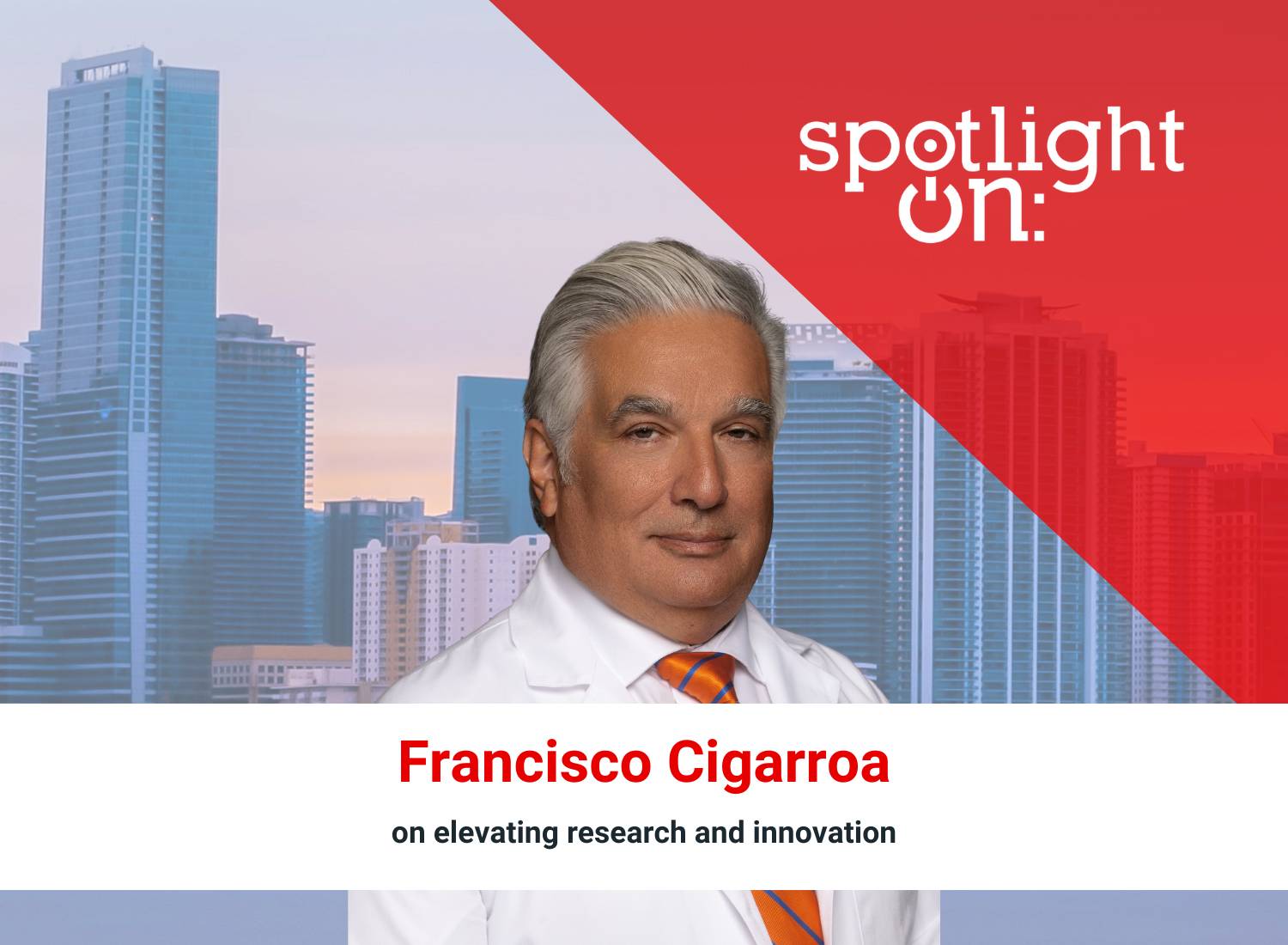
Francisco_Cigarroa_Spotlight_OnOctober 2025 — In an interview with Invest:, Francisco Cigarroa at UT Health San Antonio, called the merger with UTSA “an inflection point” for the region, positioning the combined institution to become Texas’ third-largest public university and a future member of the Association of American Universities (AAU). He emphasized the merger’s potential to elevate research and innovation without sacrificing access. “We can pursue the highest excellence while ensuring education remains accessible,” Cigarroa said.

How do you see UT Health San Antonio’s mission evolving through the merger with UT San Antonio?

The merger with UT San Antonio is an inflection point for our city, South Texas, and the entire state. Together, we will become the third-largest public university in Texas, and we’re on a trajectory to become the fourth Association of American Universities (AAU) member in the state. That designation, held by only 69 universities in the United States and two in Canada, represents the highest level of academic excellence.

This will elevate our scholarship, research, and innovation, bringing tremendous economic impact to San Antonio and Texas. At the same time, we will not compromise on access or social mobility, both of which are critical to our community. I firmly believe we can pursue the highest excellence while ensuring that education remains accessible.


Join us at the San Antonio 4th Edition Leadership Conference! This premier event brings together hundreds of San Antonio’s business and regional leaders to discuss the challenges and opportunities for businesses and investors. This year’s theme centers on how the region is balancing economic growth and authenticity. Buy your ticket now


The synergies with UT San Antonio are extraordinary. Their strengths in engineering, chemistry, artificial intelligence, and business will blend with our focus on healthcare to improve lives in countless ways. Artificial intelligence is not a passing trend — it is a transformative force that is here to stay. We view it as a powerful tool to augment and elevate care, not replace the essential bond between physician and patient. By enabling greater efficiency and precision, AI strengthens the human connection at the heart of medicine, ensuring that technology advances the personal relationship rather than diminishes it.

Biomedical engineering is another area of promise. San Antonio already has a track record of innovations that changed the world, including the Palmaz stent, which dramatically improved treatment for heart disease without major surgery, and the titanium rib, which corrected life-threatening chest wall deformities in children. Both originated here. With UTSA as a partner, the cross-pollination of ideas will only accelerate, leading to new devices and therapies that improve health, attract investment, and create a discovery park to rival other top research hubs in the nation.

This merger is one of the most important decisions the UT System Board of Regents has made in the past 100 years. It’s why I took this role, because I know the profound impact it will have on the region I love.

Why is San Antonio a strategic hub for academic medicine, and why is this the right moment?

My answer is, why not? San Antonio reflects the rich diversity of America: a beautiful population with different backgrounds, cultures, and experiences. It is truly inspiring to serve this community.

Geographically, we’re in a strategic corridor that connects Austin, San Antonio, and Laredo, with direct ties into Latin America through Monterrey Tech and other leading Mexican universities. That makes San Antonio a gateway city with enormous potential for international collaboration.

Our population is also growing rapidly, and people see San Antonio as a wonderful place to raise a family and build a life. With that growth comes greater responsibility for healthcare. Our region struggles with higher rates of diabetes, obesity, metabolic disease, and certain cancers than much of the country. For example, obesity can lead to fatty liver, which increases the risk of cirrhosis and liver cancer.

We are fortunate to have an NCI-designated cancer center, which allows us to offer prevention programs and life-saving clinical trials that are otherwise unavailable in many communities. We also face rising rates of Alzheimer’s Disease and dementia, which many people fear more than cancer. Our Biggs Institute for Alzheimer’s & Neurodegenerative Diseases is world-class, and with state support for a dementia prevention research institute, San Antonio is poised to become a national leader in brain health.

What sets San Antonio apart is our spirit of collaboration. Our healthcare systems, from University Health and the Veterans Health Care System to Brooke Army Medical Center and private networks like Methodist and Baptist, communicate and work together instead of building silos. That cooperation and collaboration are a big part of the magic of San Antonio.

How is UT Health San Antonio expanding the pipeline for healthcare professionals, and how will the merger support this?

UTSA is a large research university, and many of its students aspire to have careers in healthcare. By creating a seamless pathway into our medical, dental, nursing, allied health, biomedical sciences, and public health programs, we can help more students achieve those aspirations.

Residency programs are just as important. Research shows that students who complete both medical school and residency in Texas have an 80% chance of staying here to practice. With San Antonio’s growing population, retention is critical.

We already have outstanding clinical training sites: University Health, which is a premier teaching hospital; the Veterans Health Care System; Brooke Army Medical Center; and our new UT Health San Antonio Multispecialty and Research Hospital. These, combined with strong private healthcare systems, give us a critical mass of exceptional training opportunities that will grow even stronger through the merger.

What motivated you personally to take on this role, and what do you hope this merger achieves for future generations?

I come from a long line of physicians — I’m a third-generation doctor, and my grandfather and great-grandfather studied medicine at UNAM in Mexico City. I grew up in Laredo, right on the U.S.-Mexico border, and those experiences drew me to San Antonio to build my career. This is a region I love deeply.

After years in administration, I had planned to focus solely on being a transplant surgeon, a role I treasure. But when this opportunity arose, I felt it was too important to pass up. I stepped away from my surgical practice to take on this responsibility because the impact of this merger will be felt for generations.

For me, it’s about more than building a great university. It’s about making healthcare more compassionate, more innovative, and more effective — not just for patients, but for their families as well. Complex diseases like dementia, cancer, or those requiring transplants affect entire families, not just individuals. A great academic health center must care for the whole family unit with compassion and understanding.

Our responsibility is to make life better for those who come after us. Education saves lives. This merger sets the stage for generations of students, physicians, researchers, and patients to have a better future. That’s why I took this role.

Want more? Read the Invest: San Antonio report.

Subscribe to Our Newsletters

"*" indicates required fields
Address*
Would You Like To Receive Our National Newsletter?*
Interests
Markets
This field is hidden when viewing the form

Spotlight On: Reynaldo Anaya Valencia, President & Dean, South Texas College of Law Houston

Reynaldo_Anaya_Valencia_Spotlight_OnOctober 2025 — In an interview with Invest:, Reynaldo Anaya Valencia, president and dean of South Texas College of Law Houston, shared his focus on securing accreditation and enhancing the school’s curriculum. He highlighted the school’s independence, practice-ready training, and commitment to access. “It’s all about breaking down barriers and giving people pathways into this profession,” Valencia said.

What are your top priorities as you begin your tenure as president and dean?

We recently celebrated our 100th anniversary, so we’re now in our second century of serving this community. One of my top priorities is essential: our accreditation. Our accrediting body is the American Bar Association (ABA), and we have a site visit this year to renew our accreditation. Maintaining that accreditation is critical because most states don’t allow graduates to sit for the bar exam unless they come from an ABA-approved law school.

Beyond that, a top priority is ensuring our curriculum prepares students for the 21st-century practice of law. I graduated from law school in 1990, and so much has changed since then. There’s a new bar exam on the horizon, and our students need to be ready to pass it and succeed. We’re also focused on how we train them to navigate changes like AI and new technologies. For example, some court proceedings have changed. Many family law hearings in Harris County now happen on Zoom, so our students must be prepared for that reality, too.


Join us at the Houston 2nd Edition Leadership Summit! This premier event brings together hundreds of Houston’s business and regional leaders to discuss the challenges and opportunities for businesses and investors. This year’s theme centers on Houston’s role as a leader in world innovation. Buy your ticket now!


Equally important are the soft skills. It’s about knowing the law but also knowing how to sit with a family in crisis, help someone who needs a will drafted at the end of their life, or support survivors of devastating events like the recent Texas floods. We want to produce graduates who are competent, ethical, and truly ready to serve as Dr. Martin Luther King Jr. described: “as soldiers for justice.”

What sets South Texas College of Law Houston apart?

We’re an independent law school — we don’t have a university infrastructure behind us. That means we stand on our own. Many other law schools rely on broader university systems for support, but we’ve thrived for more than a century as a standalone institution.

Another key differentiator is that we’re a practice-ready school. I went to an elite law school that primarily taught students how to think like lawyers but didn’t teach how to file documents, find the right court, or handle practical issues. Here, our students graduate ready to appear in court and practice law immediately. Judges and employers often tell us they’re impressed with how well our graduates perform right out of school.

We’ve also built programs to meet evolving industry needs. We have robust clinics that serve the local community, a strong advocacy program with more than 140 national championships, and specialized centers like our Transactional Practice Center. We also offer joint degrees and certificate programs to help students gain focused experience in areas that make them more marketable.

How do you view South Texas College of Law’s role in expanding access and equity?

Expanding access and opportunity has always been part of our DNA — it’s not a new goal for us. We’ve historically offered a part-time night program for working students. We offer a full-time day program, and now we’re building out online programs, too. It’s all about breaking down barriers and giving people pathways into this profession.

I’m also honored to be the first Latino and first person of color to hold this office. It’s humbling, and I take seriously the responsibility to continue our legacy as a place that opens doors.

What opportunities for growth do you see in the years ahead?

I’d like to see more of our programs recognized at the same level as our nationally known advocacy program. A rising tide lifts all boats, so the goal is to expand awareness of our excellence across all areas.

Another opportunity is continuing to strengthen our role as a community partner. We want to make sure we’re a good neighbor, serving Houston, Harris County, South Texas, and beyond. We’re also focusing on student wellness. When I went to law school, no one talked about mental health or wellness. Now, we have student wellness initiatives and programs to ensure students are supported. It’s about making the experience more humane, so our graduates go into the profession not just well-trained but well-prepared to thrive.

Want more? Read the Invest: Houston report.

Subscribe to Our Newsletters

"*" indicates required fields

Address*
Would You Like To Receive Our National Newsletter?*
Interests
Markets
This field is hidden when viewing the form

10 reasons Boston is a great place for business investment

Writer: Andrea Teran

Boston city landscape

October 2025 — Boston, known for its historic charm, world-class education, and thriving economy, is increasingly recognized as one of the best regions for business investment. With its unique blend of talent, innovation, and infrastructure, the city continues to attract companies across diverse sectors. Here are 10 key reasons why Boston stands out as an ideal destination for business investors.

WORLD-CLASS EDUCATIONAL INSTITUTIONS AND TALENT POOL

Greater Boston is home to more than 100 colleges and universities, including Harvard University and MIT, both ranked among the top three in the U.S. News & World Report Best National University Rankings. This concentration of world-class institutions makes Boston a leading hub for innovation and research. These prestigious schools provide a steady pipeline of top talent, particularly in high-demand sectors like healthcare, finance, and technology. The academic ecosystem fosters robust collaboration between academia and industry, creating fertile ground for research-driven startups and cutting-edge tech companies. Boston’s status as a global center for entrepreneurship and innovation is further strengthened by its No. 8 ranking in Oxford Economics’ Global Cities Index, which highlights the collective knowledge and skills of the city’s population.

ROBUST TECH AND INNOVATION ECOSYSTEM

Ranked No. 3 in World Intellectual Property Organization’s (WIPO) ranking of  global innovation clusters with most intensive activity, the Boston-Cambridge continues to lead in cutting-edge advancements. The region is particularly prominent in life sciences, with Kendall Square in Cambridge often referred to as “the most innovative square mile on the planet.” Local startups collaborate closely with major research institutions, fostering a dynamic ecosystem that attracts venture capital and corporate investment. This continuous cycle of innovation, research, and commercialization solidifies Boston’s position as a global leader in technology.

STRONG HEALTHCARE AND LIFE SCIENCES INDUSTRY

Boston is a global epicenter for healthcare and biotechnology, with major pharmaceutical companies like Pfizer, Biogen, and Moderna maintaining a significant presence in the region. The city is also home to top-ranked hospitals, including Massachusetts General Hospital and Brigham and Women’s Hospital, both featured on the U.S. News 2024-2025 Best Hospitals Honor Roll. These institutions drive world-class medical research, keeping Boston at the forefront of healthcare innovation. The Massachusetts Life Sciences Center further accelerates growth by offering grants and tax incentives to support startups, making the region a hub for biotech advancements.

READ MORE: Boston’s healthcare sector fueled by greater investment, expanded services

ACCESS TO VENTURE CAPITAL

Boston consistently ranks among the top U.S. cities for venture capital investment, particularly in life sciences, technology, and clean energy. Recently, it was ranked the sixth-best startup city globally by PitchBook. “In 2023, $7.7 billion in venture capital flowed to Massachusetts companies, with about $3 billion in the first half of this year,” Kendalle O’Connell, CEO and president of MassBio, told Invest: in caa’s latest Boston area report. She also noted that the state receives 32% of all U.S. life sciences VC investment, second only to California. The city’s concentration of financial institutions and venture capital firms allows businesses to secure funding efficiently, driving rapid growth in emerging sectors.

STRATEGIC LOCATION AND CONNECTIVITY

Boston’s strategic location on the East Coast makes it a prime gateway for both domestic and international trade. The city’s proximity to major markets and its well-developed transportation infrastructure — including Logan International Airport — ensure that businesses can efficiently connect with global markets. Major ports and trade agreements further facilitate international commerce, cementing Boston’s role in global trade.

HIGH QUALITY OF LIFE

Boston consistently ranks high on quality-of-life indices, thanks to its vibrant cultural scene, green spaces, and historical significance. According to a survey by the Institute for Quality of Life, Boston is the second-happiest city in the U.S and the 131st in the world. The city’s diverse and inclusive community, along with strong support for work-life balance, attracts top-tier talent. This high standard of living and rich cultural environment helps businesses retain highly skilled employees who appreciate Boston’s lifestyle.

DIVERSE ECONOMY

Massachusetts was ranked the No. 3 state for business environment by U.S. News & World Report in 2025. Boston’s diversified economy spans sectors such as healthcare, education, and technology, providing a stable foundation for businesses and making it an attractive destination for long-term investment. This economic diversity ensures resilience, mitigating risks associated with downturns in any single sector.

GOVERNMENT AND PRIVATE SECTOR SUPPORT

Boston’s government actively supports businesses with favorable policies designed to streamline operations through data and analytics, fostering a collaborative environment between businesses, universities, and residents. Public-private partnerships are key drivers of the city’s thriving business ecosystem. In recent years, Mayor Michelle Wu’s administration has introduced programs like small business grants and commercial tax relief to support local enterprises. The Massachusetts Life Sciences Center also provides funding and support for biotech companies, accelerating growth in this high-demand sector.

THRIVING REAL ESTATE MARKET

Boston’s real estate market remains a top draw for investors, consistently ranking among the leading U.S. markets for real estate investment. As Michelle Landers, executive director of ULI Boston/New England, noted to Invest:, “Boston was the only market in the Northeast to make the Top 10 markets to watch in ULI’s Emerging Trends in Real Estate report, reflecting the confidence of both local and national investors.” The city’s strong demand for all property types, combined with its rich history and world-class status, creates exceptional opportunities for those looking to invest, own property, or develop in Boston. Investors are finding significant opportunities in residential and mixed-use developments, particularly in fast-growing areas like the Seaport District and Kendall Square.

READ MORE: Big, bold real estate developments keeping Greater Boston competitive

TOURISM AND INTERNATIONAL APPEAL

Boston’s tourism sector is a significant economic driver, with international travel surpassing pre-pandemic levels. Ranked among the Top 4 Labor Day destinations, according to AAA booking data, Boston continues to attract families seeking a final getaway before the school year begins. The region benefits from a steady influx of tourists drawn to its rich history, cultural institutions, and academic events. The tourism revival, particularly in areas like the Seaport and downtown, has contributed to the city’s broader economic recovery, creating investment opportunities in the hospitality and retail sectors.

This article was originally published in September 2024 and updated in October 2025.

Want more? Read the Invest: Boston report.

Subscribe to Our Newsletters

"*" indicates required fields
Address*
Would You Like To Receive Our National Newsletter?*
Interests
Markets
This field is hidden when viewing the form

How industries are supporting Philadelphia’s eds and meds growth

Writer: Eleana Teran

StudentsOctober 2025 — Greater Philadelphia’s economy continues to be defined by the strength of its ‘Eds and Meds.’

Institutions like Penn, Jefferson, Temple, and CHOP remain the city’s largest employers, anchoring a workforce in which healthcare and social assistance represent 32% of the total employment, up from 26% in 2009, according to Center City District’s Philadelphia Employment Report 2025.

Life sciences and healthcare investments have been a bright spot, yet the signals are mixed. Companies like Spark Therapeutics are moving ahead with a 500,00-square-foot Gene Therapy Innovation Center in University City, slated for completion in 2026, and the Wistar Institute has also expanded its lab footprint at uCity Square. At the same time, Spark announced nearly 300 layoffs in 2025, as part of a corporate restructuring under biotech company Roche. A spokesperson emphasized that the cuts would not affect the Innovation Center and that the remaining employees will be integrated into Roche’s broader operations in Philadelphia, however, the announcement reflects ongoing uncertainty in the sector, as similar volatility has been seen in recent lab space development slowdowns, where a cooling national capital market has tempered leasing activity in some parts of University City.


Join us at the Philadelphia 6th Edition Leadership Summit! This premier event brings together hundreds of Southeast Pennsylvania and South Jersey’s regional leaders to discuss the challenges and opportunities for businesses and investors. This year’s theme centers on the regional strengths of the eds and meds. Click here to learn more.


Those contradictions mirror the broader economic climate. Inflation, rising costs of care, and shifting federal priorities weigh on decision-makers, while Philadelphia competes with peer cities like Boston and New York for life sciences capital. CBRE notes that the city’s location and talent pipeline remain advantages, but Select Greater PHL reports only 42% of business leaders plan to expand locally in 2025, with most either holding steady or looking elsewhere. 

Invest: spoke with leaders from across the region whose industries intersect with healthcare and higher education. Their perspectives highlight commitments to growth, technology, and service, reflecting both the opportunities and uncertainties shaping Greater Philadelphia’s eds and meds, as well as ways other industries are supporting the sector’s growth.

Chris_Cera_Quote_StackChris Cera, CEO of Arcweb Technologies

We focus on digital health companies, providers, and payers. The Arcwell platform we launched includes a clinical research component, which has also positioned us to play a significant role in clinical research and performance improvement projects at large health systems.
Leveraging AI happens at many different levels. In clinical care, much of the focus is on governance to ensure that whatever is produced is both safe and effective. But AI’s impact extends beyond clinical applications; it’s reshaping the entire healthcare delivery workflow.

For years, software development meant teams of engineers hand-coding applications line by line. Now, in a significant portion of our projects, AI is generating much of the code, with our engineers reviewing and auditing it. This shift represents a completely different workflow, changing how projects are built, what they cost, how long they take, and how they’re maintained. It’s disrupting nearly every aspect of the process.

Aran_McCarthy_Quote_StackAran McCarthy, president of FCArchitects

We’ve seen a gradual increase in AI use in healthcare, especially around telehealth, which became hugely important during COVID and has remained relevant since.

The aim is to improve the patient experience while also making things easier for caregivers. During COVID, we saw firsthand the importance of designing not just beautiful but clinically advanced spaces. A key trend now is using AI tools like auto-transcription, so providers don’t need to take notes during appointments. AI also helps interpret clinical data and assist in diagnosis. We do a lot of work in cancer care, such as building cancer centers, where AI is playing a growing role in diagnostics and treatments, especially with technologies like mRNA and others in vaccine development. We help support that.

Another major change is the sheer volume of data. Health systems are realizing their data infrastructure is outdated. There’s not enough storage for the volume of new data being generated, so there’s a significant shift toward cloud-based computing to store and analyze that data, on both the inpatient and outpatient sides.

One of the most exciting developments is how hospitals are starting to use AI in the design process itself. We’re seeing big advancements in metaverse technologies and digital tools that help us visualize and create healthcare spaces. For example, with twinning technology, if we design a cancer center for one client, we can digitally replicate it in a 3D format that allows users to virtually enter and evaluate spaces like infusion suites or hybrid operating rooms. Doctors can walk through the space virtually, give feedback on equipment placement, and suggest adjustments based on their workflow. It’s a game-changer.

Susanne_Svizeny_Quote_StackSusanne Svizeny, executive vice president and chief C&I banking officer of OceanFirst Bank

Our business is fundamentally about building relationships with companies and providing comprehensive banking solutions. The past year was one in which we focused heavily on investment and growth for the long term. Our focus was shaped by our commitment to thinking long-term in a market that experienced some uncertainty, particularly with inflation and broader economic conditions. Despite these challenges, our organization remained steadfast in prioritizing future growth. In my role, where I oversee all commercial and industrial business from Boston to D.C., we doubled the size of our team over the last 18 months in terms of relationship managers. It was an exciting year to make these investments providing more resources and options for our clients, especially given the broader context of inflation, an election cycle, and other dynamics within the banking industry. We stayed the course, advancing our strategy and expanding our business. We have also invested in new markets. Additionally, we built a new business line at the bank called our Premier Bankers, based in Long Island, New York. This team is dedicated to delivering high-touch customer service and experience while strengthening our deposit base.

Youseff_Tannous_Quote_StackYouseff Tannous, market president for Eastern Pennsylvania at KeyBank

In the Greater Philadelphia region, healthcare, higher education, and retail continue to be strong economic drivers. Pennsylvania has also seen renewed momentum in manufacturing. Our team is equipped to support a wide range of industries through dedicated bankers and private banking services for business owners. Additionally, our digital platform, Key@Work, enhances employee financial wellness programs, addressing the rising costs of benefits by delivering financial education and personalized support to employers. This allows us to serve both businesses and their employees comprehensively.
We’re leveraging technology to enhance our offerings while continuing to support small businesses and reinvesting in the communities we serve. Our goal is to meet clients at every stage of life, whether they’re opening a first account, planning for retirement, or starting a family. By staying ahead of market trends and remaining responsive to client needs, we aim to maintain a competitive edge in both the regional and national banking landscapes.

Marc_Tepper_Quote_StackMarc Tepper, head of the Philadelphia office at Buchanan Ingersoll & Rooney

Energy, life sciences, healthcare, and finance, continue to be the cornerstones of our work. Over the past year and into 2025, life sciences and healthcare have led the way in terms of legal activity and exciting new work.

Our healthcare section has the transactional experience that makes the difference. The group has led 40+ major healthcare transactions valued at more than $20 billion dollars in the past few years. What sets us apart is our integrated approach: our government relations team works closely with our attorneys to represent clients across the healthcare landscape, from health systems and psychiatric facilities to physician groups and insurers.

In life sciences, our FDA practice is one of the top regulatory teams in the country. The team’s work spans FDA regulatory matters, IP, litigation, and government relations — all coordinated to provide comprehensive support for our clients in life sciences and healthcare.

Image provided by Academy of Notre Dame de Namur

Want more? Read the Invest: Philadelphia report.

Subscribe to Our Newsletters

"*" indicates required fields
Address*
Would You Like To Receive Our National Newsletter?*
Interests
Markets
This field is hidden when viewing the form