



Spotlight On: Doug Edgeton, President & CEO, North Carolina Biotechnology Center (NCBiotech)

Key points:

  • • North Carolina’s life sciences sector is expanding statewide, driven by major investments, onshoring, and regional hub growth.
  • • Workforce development, especially through community colleges and training programs, remains a key competitive advantage.
  • • NCBiotech is focusing on scaling investment, strengthening pipelines, and increasing awareness of career opportunities.
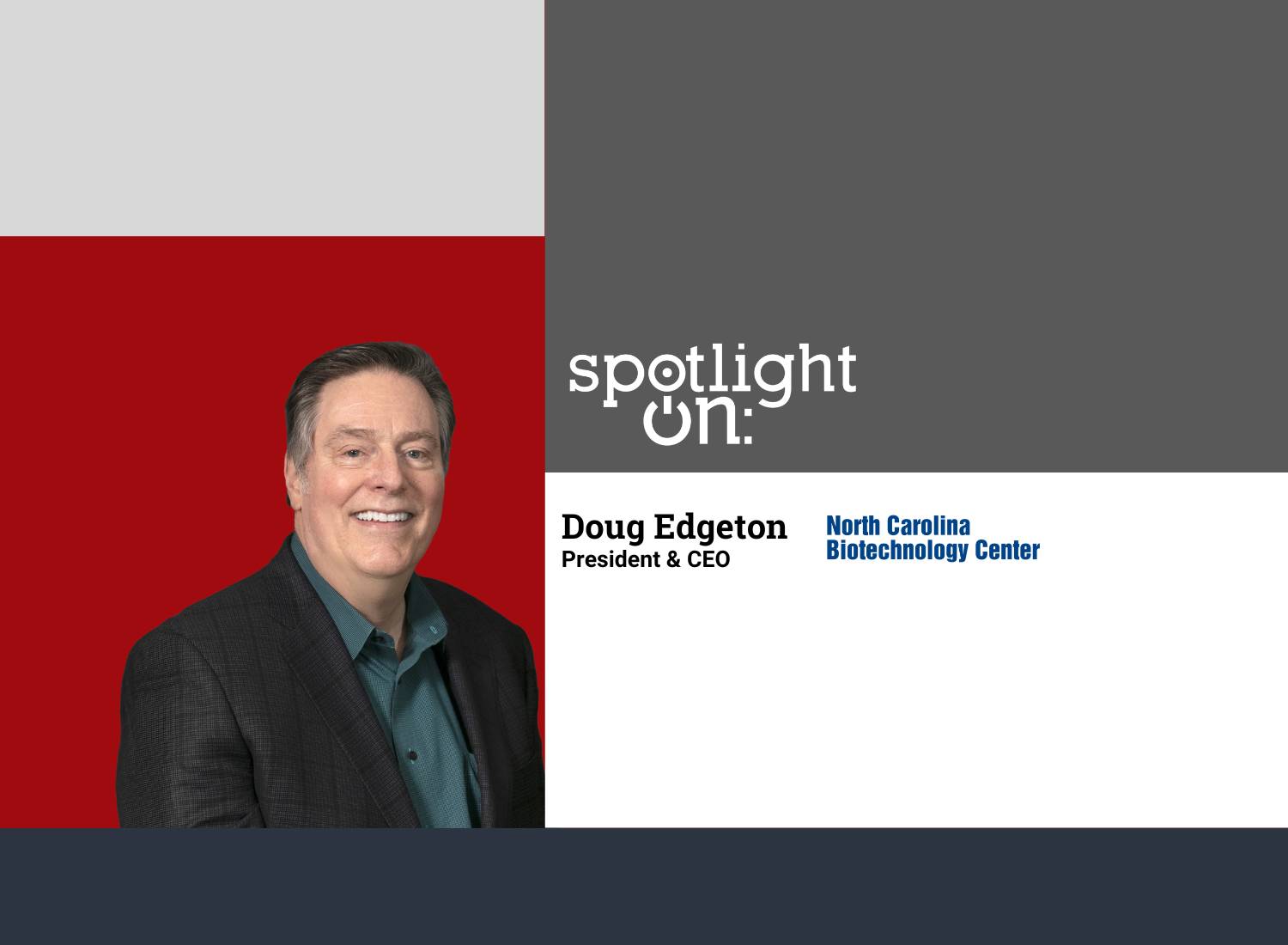
Doug EdgetonMarch 2026 — In an interview with Invest:, Doug Edgeton, president and CEO of the North Carolina Biotechnology Center, discussed statewide expansion, emerging technologies, and workforce pipelines. “Workforce development is a cornerstone of the state’s success. North Carolina’s community colleges are flexible and responsive to industry needs. That has helped attract major investments,” Edgeton said.

What changes have occurred in North Carolina’s life sciences sector, and in what ways have those changes influenced NCBiotech’s direction?

NCBiotech was founded in 1984 as the world’s first organization of its kind, focused on advancing life sciences in North Carolina. Since then, it has developed a range of programs to help grow the life sciences sector.

A mark of success is how well North Carolina performs as a place to do business. CNBC has ranked it No. 1 in its “best states for business” list three of the past four years. That reflects both strong state policy and NCBiotech’s role in providing expertise in life sciences development and company recruitment.

Recent recruitment wins include Novartis’ $771 million investment in Wake and Durham counties and Johnson & Johnson’s $2 billion investment in Wilson, with the latter expanding the life sciences across the state. Likewise, Novo Nordisk’s $4 billion expansion in Clayton, 25 miles from Raleigh, shows how biomanufacturing is spreading.

For its first few decades, NCBiotech focused largely on the Research Triangle Park region, home to Duke, NC State, and UNCChapel Hill universities. Now growth is statewide, reaching Greenville to the east, Wake Forest, Asheville, and Charlotte to the west, and Wilmington to the south. NCBiotech is working to strengthen those regional hubs while continuing to support the Triangle’s growth.

More companies are also onshoring operations as tariffs and global trade shifts prompt supplychain reevaluation. NCBiotech’s recruiters are actively engaging such firms, highlighting North Carolina’s skilled workforce, robust training infrastructure, lower business operating costs, and high quality of life.

These changes have pushed NCBiotech toward a broader statewide mission, focused on regional growth and meeting companies’ evolving needs.

What progress has been made on the goals or direction you are setting for the next five years?

Successes between 2020 and 2025 have set the stage for ambitious 2030 goals. One milestone we met was exceeding the $4 billion target for attracting venturefunding to North Carolina for our 2025 goals. The new goal is to attract $5 billion by 2030.

Capital has tightened since the Silicon Valley Bank collapse, but large venture capital firms continue investing. In North Carolina, Tune Therapeutics raised $175 million in January and Pathalys Pharma raised $105 million in August. Big pharma companies are also investing locally. Novo Nordisk is partnering with IMMvention Therapeutics on the early-stage company’s oral sicklecell therapy technology. 

Another noteworthy collaboration is Lindy Biosciences’ agreement with Novartis for a multitarget drug delivery innovation. Novartis secured global rights to Lindy’s microglassification technology, enabling highconcentration, selfadministered biologic injections. Lindy received $20 million upfront and could earn up to $934 million in milestone payments plus royalties.

The partnership originated after Novartis noticed an NCBiotech article about Lindy, underscoring how NCBiotech’s efforts drive visibility, connectivity, and investment.

These achievements are shaping NCBiotech’s next phase, supporting companies from early research through commercialization, strengthening collaboration across the ecosystem, and advancing North Carolina’s global standing as a life sciences hub.

How is NCBiotech supporting regional hubs and emerging biotech clusters across North Carolina?

In 2003, we opened our first regional office outside the Research Triangle Park area, starting in Winston-Salem to support regenerative medicine activity there. Since then, we’ve added offices in Greenville, Wilmington, Charlotte, and Asheville. These regional offices help connect local universities and industries with NCBiotech’s statewide programs. The process has taken time, but we’re seeing real results.

Greenville is a great example. In 2017, we helped launch the NC Pharmaceutical Services Network in partnership with East Carolina University and Pitt Community College, providing equipment to train workers in tablet pressing and capsule manufacturing. Recent facility upgrades have advanced the training of aseptic techniques and isolator operations. Virtual reality is used to help students hone skills that are in high demand at biomanufacturing companies such as Thermo Fisher Scientific and Catalent. The program recruits in local high schools from surrounding counties. Graduating seniors who perform well in science and math can complete this training, funded by NCBiotech. If they pass, Thermo Fisher and Catalent have committed to interview them.

The results are powerful. Last year, 28 students completed the program and 26 received job offers, with starting pay around $45,000 and opportunities for further education. Companies like Thermo Fisher provide educational benefits, helping employees continue to pursue associate, bachelor’s, and master’s degrees while working full-time. These are the kinds of life-changing opportunities the life sciences industry can offer.

What role does workforce development play in North Carolina’s life sciences growth?

Workforce development is a cornerstone of the state’s success. North Carolina’s community colleges are flexible and responsive to industry needs. That has helped attract major investments. For example, a program expansion at Wilson Community College played a key role in Johnson & Johnson’s decision to build a $2 billion facility there.

We also work with the military to attract transitioning service members for biotech careers. More than 20,000 service members leave the military each year in North Carolina, and many want to stay. Our Military Outreach and Veterans Engagement (MOVE) program trains them in the classroom and on the job through internships, and those who complete it have no trouble finding work. It’s a win for employers and veterans alike.

We’re fortunate to have top-tier training centers such as the Biomanufacturing Training and Education Center (BTEC) at NC State University and the Biomanufacturing Research Institute and Technology Enterprise (BRITE) at NC Central University. Both are preparing workers for biologics manufacturing environments. BTEC even trains NIH staff, a sign of its highly credible reputation. BRITE continues to graduate highly qualified, job-ready professionals.

NCBiotech’s Ambassador Program has trained 330 ambassadors across 39 counties, reaching more than 13,000 people in 74 counties with information about life sciences careers.

Our pipeline spans from middle school through advanced degrees. Some school systems are introducing biotech as early as junior high. Each year, around 6,000 students earn advanced degrees in biomedical life sciences, and 4,900 graduate in engineering — both high-demand areas.

Those numbers are expected to grow. The state has directed NC State to add 4,000 engineering graduates, UNC Charlotte 1,500, and East Carolina University around 1,000. That expansion will continue to strengthen the state’s technical workforce for the future.

What broader impacts and challenges are shaping the future of life sciences in North Carolina?

Life sciences are a powerful economic force in the state, generating $82 billion in activity and $2.5 billion in state and local taxes per a 2024 report published by TEConomy. About 67% of that activity is centered in the Research Triangle region, though growth is steadily expanding east to Wilson, south to Holly Springs and Sanford, and west into other regions. While RTP continues to thrive, we’re also focused on driving growth statewide. 

One of North Carolina’s greatest strengths is its collaboration model. When industry leaders identify workforce needs, community colleges and universities coordinate efforts to meet demand, avoiding duplication and delivering complementary training. Other states often ask how we make it work, and the answer lies in how well public and private sectors cooperate here.

In the past two years, the community college system has invested more than $250 million to keep up with workforce needs. Wake Tech, for instance, is expanding in Apex to support growth from companies like FUJIFILM Biotechnologies and Amgen. That kind of alignment between education and industry is crucial.

Still, awareness of job opportunities remains a challenge. People don’t realize major operations may be located just down the road. Students often overlook these career paths simply because they’re not aware of them.

Programs like Accelerate NC and the Ambassador Program are helping address that. With federal support, we’ve trained ambassadors to visit communities and talk to young people about opportunities in life sciences. Their message is clear: you don’t need a four-year degree to enter the field. Community college programs can lead to promising careers at companies like Pfizer, Lilly, and Amgen.

One initiative I’m especially proud of is Made in Durham. It supports 18- to 24-year-olds, many from minority communities, who are out of school and seeking a career path. They complete a six-month BioWork certificate training and receive a stipend to help cover living expenses while training. Many students had been working multiple jobs just to stay afloat. Now, with this program, they’re employed in full-time roles with benefits, sometimes at companies that provide onsite childcare. Their stories are inspiring and a reminder of how life sciences can open doors and transform lives.

Want more? Read the Invest: Raleigh-Durham report.

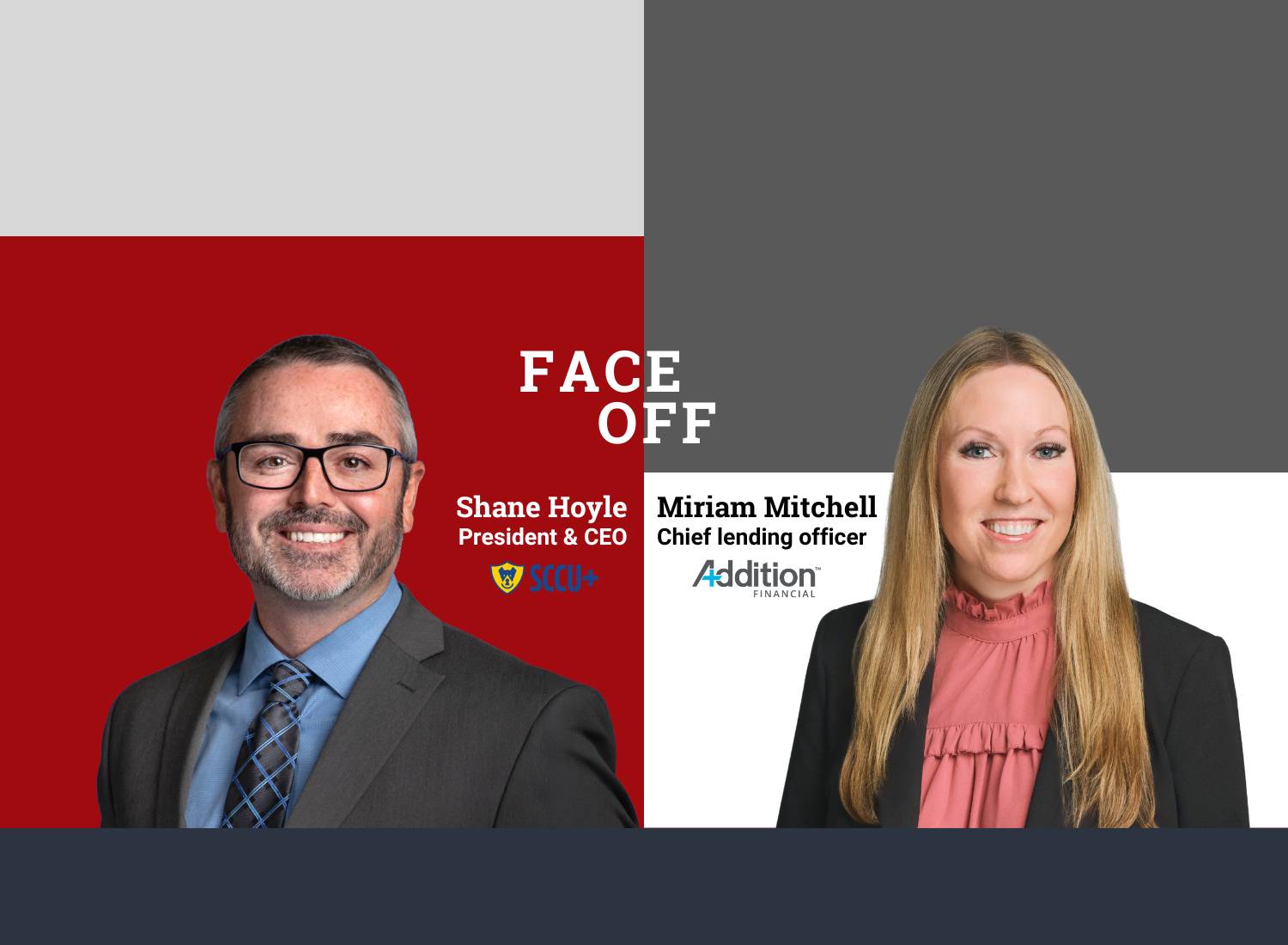
Face Off: How Florida credit unions are rethinking lending in 2026

Key points:

  • • Credit unions are adapting to higher rates and affordability pressures by expanding digital capabilities and member-focused lending strategies.
  • • Mergers, business banking expansion, and fintech partnerships are reshaping how institutions scale and compete.
  • • Financial education and community partnerships are central to long-term growth, building stronger and more financially resilient members.

Shane Hoyle Miriam Mitchell face off credit unionMarch 2026 — As the past year was marked by elevated interest rates and ongoing affordability challenges, 2026 has been a major adjustment for the financial sector. Credit Unions see this window changing lending activity while also redefining how institutions support their members, particularly as households face increasing pressure around higher costs and debt management.

Broader economic trends including slower growth and continued digital disruption are pushing credit unions to rethink their strategies. Institutions are increasingly focused on balancing operational efficiency with member-centric services, while also leveraging technology such as automation and AI to remain competitive in a rapidly evolving financial landscape.

Credit unions are also expanding their role in long-term community development through financial education and workforce readiness initiatives. Partnerships with schools and local organizations are becoming a key strategy to improve financial literacy early on, helping build stronger, more resilient communities while creating future generations of financially confident consumers.

Across Central Florida, credit unions are navigating the challenge of scaling their impact in a competitive market while preserving the trust and community focus. To explore how institutions are approaching this balance, Invest: Greater Orlando sat down with Miriam Mitchell, chief lending officer of Addition Financial Credit Union, and Shane Hoyle, president and CEO of Space Coast Credit Union.

What were some of your major milestones or decisions over the past year that helped shape your direction?

Shane Hoyle Miriam Mitchell face off credit unionShane Hoyle: We had a leadership change last year, and I stepped into an interim position in January 2025 and stayed there for about eight months. During that period, we made targeted, incremental changes focused on culture, internal support, and retention. Once the permanent decision was made, we moved into a broader restructure, aligning the organization more intentionally around areas where we heard we needed to improve.

One of the most important shifts was becoming more focused on technology and our digital platform. “Digital transformation” is a phrase people use constantly, but the reality is that it’s critical, both for internal teams and for members. That includes improving internal systems so they connect better, and improving external communication so we can connect with members more effectively. We created more specialized roles centered on those priorities.

Shane Hoyle Miriam Mitchell face off credit unionMiriam Mitchell: This year, one of our major projects and accomplishments was completing a merger with a credit union in the Tallahassee area in North Florida. That was a huge focus for us. We put a lot of effort into partnering with another credit union that is very like-minded, with a similar mission and history, so we could expand our reach across the state and help more communities and families. 

In addition to that, we’ve put a lot of focus on business banking and building partnerships with business members throughout the community and developing products and services that really meet their needs. We’ve always offered business and commercial products, but it wasn’t a major focus before. We were much more consumer-driven, so this has been a big pivot as we look at where we’ve been and where we want to go in the market, especially around reaching small businesses and helping them with financing and account management.

How does digital transformation factor into staying competitive in today’s environment?

Mitchell: Fintechs, automation, and artificial intelligence are huge factors. The way we lend today is very different than it was just a few years ago. We have to be much more agile and responsive because people expect decisions 24/7. That means we have to make sure our processes can accommodate that level of speed and convenience. We’ve taken a strong focus on automating where it makes sense and partnering with fintechs that offer AI-driven solutions for lending and account opening so we can remain relevant and competitive. We’re also seeing more physical banks and credit unions coming into our market. 

Historically, credit unions tended to have defined markets and you didn’t see as much overlap, but that has changed. Your territory is no longer just your territory; you should expect other banks and credit unions to move in, sometimes right across the street. We have to be prepared to compete at that level on both service and product.

Hoyle: It’s essential for staying relevant. Competition is coming from everywhere, especially fintechs. I actually welcome some of that competition because it pushes us to elevate our game.

To stay top of wallet and top of mind for members, we have to keep innovating. We don’t have the budget of the very largest institutions, but we do have the trust and loyalty of members, and that matters. We’re also large enough to scale, but not so large that bureaucracy slows every decision. That gives us agility, and we want to use it.

The other major factor is operational efficiency. Every dollar we spend is our members’ money, so we’re mindful about how we invest. We’ve strengthened internal capability around operational discipline and making sure the tools we implement are actually used to their highest potential.

We’re going to meet you where you want to be met, and that means continuing to invest in the digital experience while protecting the human touch that members expect from a credit union. 

Which macroeconomic pressures are having the greatest impact on lending demand in Central Florida?

Hoyle: It’s constantly shifting. Consumer demand changes, the regulatory environment changes, and the economy feels different depending on who you ask. As a credit union, we also serve underserved members, and they can feel financial pressure in a different way. That makes it even more important that our pricing is fair, our fees stay low, and our products clearly bring value.

We try to listen closely to what members are experiencing, not just from a service standpoint but financially. We also provide tools and products that encourage savings and help members build better habits.

Auto lending is one area where we’re very active, and it requires a careful balance. We work hard to keep pricing competitive for members while still managing risk and maintaining profitability. We also look for opportunities to offer better value on savings products when we can.

Mitchell: We’re seeing several pressures, particularly in Central Florida. We have about 1,500 people moving into the region each week, and it has been difficult to keep up with that pace when it comes to housing and affordability. There isn’t enough new home construction to account for the number of people who need to purchase homes, which is driving prices up. When you combine that with higher interest rates — even though they’ve come down slightly over the past year — it still hasn’t been enough to motivate many would-be sellers to put their homes on the market. Affordability is a major issue, and qualifying for a mortgage is challenging when prices are so high. Your average first-time homebuyer isn’t looking for a $350,000 home, but that’s often what the market looks like. We’re also still seeing lagging effects from the pandemic in the vehicle market. During that period, borrowers were purchasing vehicles at overinflated prices because there wasn’t enough inventory. Now that inventory has normalized, many borrowers are very upside down in their vehicles. Trying to get out of those loans and into something more affordable has been difficult, and we’re seeing more people turning in cars and becoming credit-challenged as a result.

How are you approaching challenges like housing affordability and access to quality lending options?

Hoyle: Housing affordability is one of the biggest challenges people are dealing with. Fees and closing costs can be a real barrier, on top of the down payment and the broader cost of living.

We created products designed to reduce that friction, including our HERO loan, which is built to support specific groups with competitive pricing and reduced costs. That product ties back to our roots. We started at Patrick Air Force Base (now Patrick Space Force Base), and serving military families and first responders is part of our DNA. We want to understand the challenges members face and build products that meet those needs.

We also strengthened internal roles focused on gathering market information and understanding what competitors are offering. The goal is to ensure we’re offering the right products, at the right price, and that we’re doing the research needed to earn trust.

One of our core values is trusted products. Members should feel confident that we’ve done our homework, that the pricing is competitive, and that what we’re offering is built for their benefit.

What trends are you seeing in consolidation and M&A activity across the banking sector?

Mitchell: There has definitely been a shift. We’re seeing a lot of smaller credit unions having a harder time staying afloat as regulation and costs increase. It’s more difficult for smaller institutions to remain relevant and keep up with technology investments and compliance demands. As a result, we’ve seen more mergers where smaller credit unions partner with larger ones so they can continue to serve their membership base. 

Another trend is credit unions purchasing banks. Years ago, that wasn’t something you saw, but over the last five years there have been more credit unions buying community banks. They often share a similar philosophy in how they serve their customers and communities, so it can be a natural fit. It has also helped credit unions that have not historically been in the commercial lending space. 

By partnering with or acquiring a community bank that has that expertise and bringing it in-house, we gain more ability to serve more businesses and members with the level of expertise they deserve.

Looking ahead, how are education partnerships shaping access to credit and financial literacy, and how does that support your credit union’s long-term competitiveness?

Hoyle: It comes back to balance. One top priority is continuing digital transformation while staying true to a member-first approach. That will not change. We want to keep improving how members engage with us, while protecting the personal service that defines a credit union.

Another priority is continuing to invest in our communities. They’re the reason we exist. That includes financial literacy efforts and broader community engagement, because we want people to know we’re committed to supporting the places we serve.

Mitchell: One of the key things that came out of our partnerships with local colleges is improving access to credit for students who have never had it before. We pair that with a broader financial literacy strategy that starts as early as pre-K. We partner with organizations to help young children understand basic concepts about money, then build on that at each stage. We even have high school branches that are fully run by students, where they learn money management skills in a real-world environment. 

At every phase, from early childhood through retirement, we’re focused on helping people use credit wisely. We don’t want young people to start out by maxing out a $2,000 credit card and only making minimum payments, then carry that burden into vehicle loans and eventually into the mortgage process. Our goal is to equip them with the knowledge and tools to make sound decisions so credit becomes a powerful tool, not a long-term obstacle.

Want more? Read the Invest: Greater Orlando report.

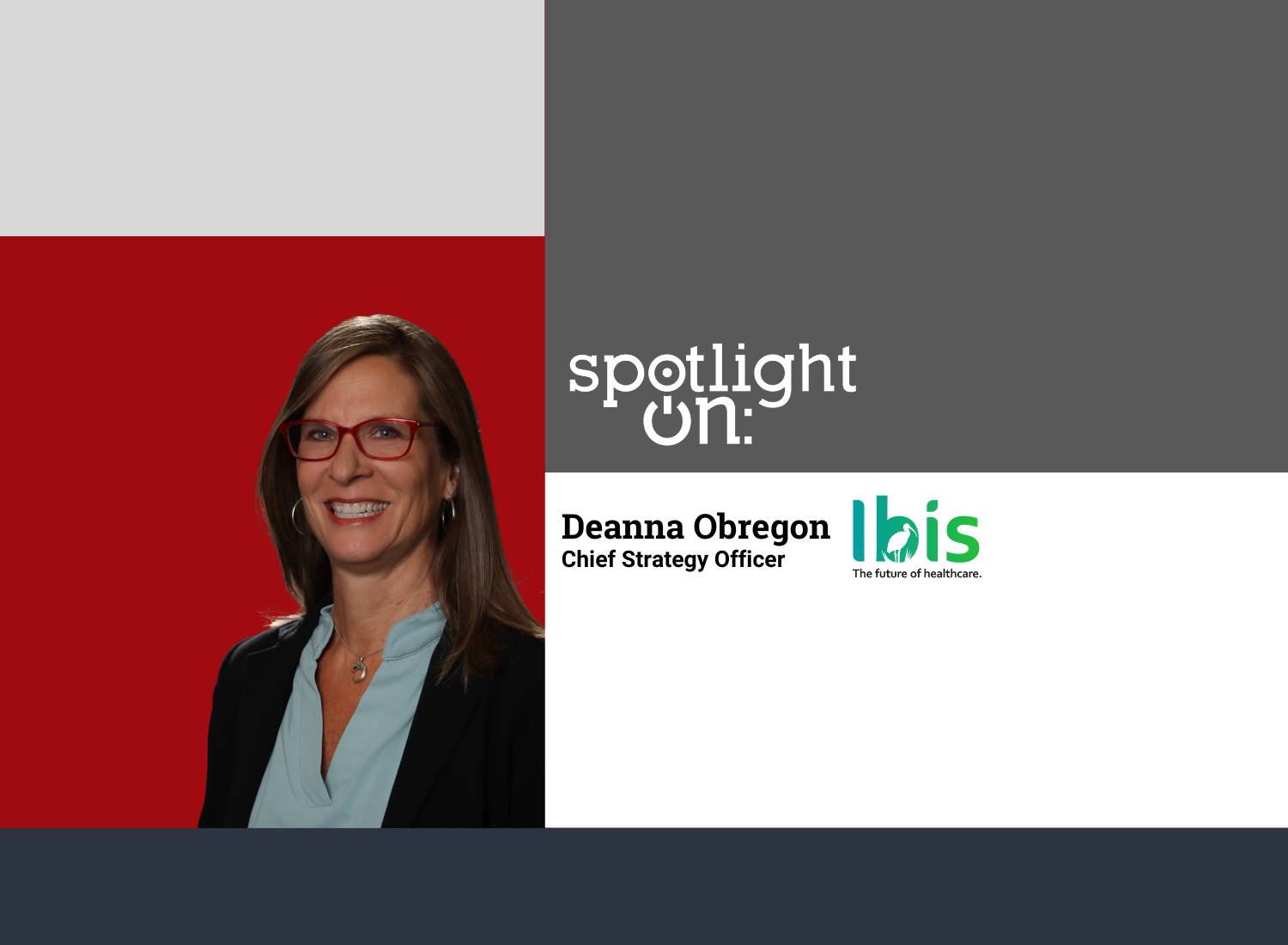
Spotlight On: Deanna Obregon, Chief Strategy Officer, Ibis Healthcare

Key points:
  • • The merger created a fully integrated care model, reducing fragmentation and improving patient access across behavioral, mental, and primary care.
  • • Early gains include streamlined intake, better care coordination, and stronger internal transitions between treatment levels.
  • • Workforce development, integrated care, and cautious AI adoption are central to Ibis Healthcare’s long-term strategy.

Deanna Obregon spotlight onMarch 2026 — Invest: spoke with Deanna Obregon, chief strategy officer of Ibis Healthcare, about the merger that brought together behavioral health, mental health, and primary care under one integrated model. “No matter what door you come in, we can assess you and determine what you need, and we had the full continuum to provide it,” Obregon said.

What were the key drivers behind the merger that formed Ibis healthcare, and how did it reshape the organization’s strategy?

Cove Behavioral Health was known as a leading provider of substance use treatment in Hillsborough County, and Gracepoint Wellness was known for mental health services. As we started talking about the future, we kept coming back to the same issue: patients needed the full continuum of care, and the system was too siloed to deliver it efficiently.

Patients would come through one organization, complete assessments, see licensed clinicians, nurses, physicians, and case managers, and then get referred elsewhere for the next part of their care. If they had a mental health need in addition to substance use, they were often starting over, using the same limited licensed workforce twice. With staffing shortages and fewer licensed professionals available, that approach was not sustainable and it was not patient-centered.

The vision became building one organization that could provide the full continuum: substance use services, comprehensive mental health services, and primary care. Gracepoint also had an FQHC look-alike, which strengthened the primary care component and made integration more practical. No matter what door you come in, we can assess you and determine what you need, and we have the full continuum to provide it, so patients were not being bounced between organizations to get the services they needed.

Once we aligned on that, our boards looked at what was best for our community, and how we make access easier.

We also wanted a name to reflect something new. Ibis Healthcare signaled a combined organization while still carrying forward the experience behind it, including decades of history on both sides. In these first months, our strategy has been to blend operations and culture first, then accelerate growth once the foundation is stable.

What early impacts are you seeing on patient access and outcomes since the merger?

Access was one of the first areas where we saw meaningful change. We combined call centers so that when a patient calls, they can be assessed and linked into the right program right away. Before, people were too often told to call another organization after they had already worked up the courage to make the first phone call. That created another roadblock and forced them to tell their story again.

Now, the call center can identify what is going on and connect the patient without sending them elsewhere. We are also seeing stronger warm handoffs across levels of care. When someone steps down from residential to outpatient, the transition is planned, the next appointment is set, and the next provider is ready. If a patient needs more support, the move up to a higher level of care is coordinated internally rather than starting over outside the organization.

It is still early. The merger became effective July 1, 2025. But even in that short time, smoother access and better transitions have been some of the most visible improvements for patients.

How are you approaching recruitment, retention, and training while blending two teams into one workforce?

We are doing two things in parallel by blending teams and building pipelines.

On the integration side, after the initial hesitation that is natural with a merger, many staff became excited because they gained access to expertise they did not have before. Mental health teams can tap deeper substance use expertise, and substance use teams can tap deeper mental health expertise. With primary care in the mix, we can better wrap services around complex patients, and staff feel they have more bench depth to support high-acuity situations.

Operationally, we have unified duplicated functions into single programs and processes. Outpatient programs were aligned, call centers were combined, and teams were trained on a shared workflow. It takes education, team building, and clear communication, especially in the first year, to move from Cove did it this way and Gracepoint did it this way to now we do it the Ibis way.

On the workforce development side, we work with registered interns and provide clinical supervision to support licensure. We also train fellows and residents through the University of South Florida, with rotations through our programs. That exposure helps build the broader workforce, and it also becomes a natural feeder when people decide they want to stay in a mission-driven environment after they graduate or become licensed.

Which trends are most influential in behavioral health today, and how is Ibis healthcare positioning itself within them?

Integrated care is the biggest trend. The integration of medical and behavioral health is becoming fundamental to improving outcomes. By combining substance use, mental health, and primary care, we can coordinate treatment plans, reduce fragmentation, and improve communication across disciplines, including clearer visibility into medications and reduced risk of contraindications across settings.

The second major trend is artificial intelligence and how it can support access and care delivery. We have started using AI in areas like call handling, and we are exploring AI-supported documentation tools so staff spend less time on paperwork and more time with patients. We are also looking at tools that may help identify changes over time from session to session, including signals like shifts in voice cadence, to help clinicians ask better questions and intervene earlier.

At the same time, we are cautious. Not everything in AI is appropriate for behavioral health, so we stay focused on patient safety and clear clinical benefit before adopting anything at scale.

What are your key goals and priorities for Ibis healthcare over the next two to three years?

Workforce strategy is a major priority. We are likely to see more consolidation across healthcare as experienced clinicians and leaders retire and the pipeline does not refill quickly enough. Organizations will need to avoid duplication, like repeating assessments across separate systems, because every duplication wastes scarce clinical time. That is why we focus on training and development programs that help build capacity over time.

We also think proactively about succession planning, including roles people do not always talk about, such as CFO leadership, where retirements are rising and replacement experience can be hard to find.

In terms of service expansion, we are working to open a 64-bed psychiatric hospital for women, which we believe will be the first women’s psychiatric hospital in Florida. That is scheduled to open summer 2026 and will require meaningful workforce growth.

Clinical trials are another focus. We recently wrapped our first trial focused on cocaine use and medication approaches, and we are beginning a second trial focused on opioid use and different medication options. We expect to begin enrollments in February. Over the next few years, we also want to expand responsible use of AI in ways that strengthen access, improve documentation, and support earlier intervention, while keeping clinical judgment and patient safety at the center. Staying involved in research helps us shape future care models while improving treatment options for patients today.

Want more? Read the Invest: Tampa Bay report.

Spotlight On: Kelly Nierstedt, president of Orlando Health Orlando Regional Medical Center (ORMC) and senior vice president of the Orlando Region

Key points:

  • • Orlando Health is expanding rapidly across Florida and beyond while keeping complex care centralized at ORMC.
  • • Strategy focuses on mission-driven growth, seamless care networks, and expanding access through new facilities and telehealth.
  • • Workforce culture, AI integration, and proactive community-based care are key priorities for long-term success.

Kelly NierstedtMarch 2026 — In an interview with Invest: Kelly Nierstedt, president of Orlando Health Orlando Regional Medical Center (ORMC) and senior vice president of the Orlando Region, discussed Orlando Health’s rapid expansion and mission-driven growth. Over the past year, the health system has added new hospitals, expanded specialty institutes, and increased access points across Central Florida. “This is about bringing advanced care closer to where people live while keeping downtown as the destination for the most complex cases,” said Nierstedt.

What have been the most significant milestones and changes for Orlando Health over the past year?

It has been a year of tremendous growth. We purchased five hospitals in Alabama, our first expansion outside Florida and Puerto Rico, and three hospitals along Florida’s Space Coast. In one of those markets, we decided to sunset the existing hospital and build a new facility in Viera.

Closer to home, we opened a freestanding emergency department in Waterford Lakes on the east side of Orlando, serving a community that has long wanted Orlando Health services. 

We have also grown our specialty institutes: We opened a brand new, state-of-the-art expansion for the Orlando Health Digestive Health Institute downtown and brought services to the Tampa market. And the Orlando Health Jewett Orthopedic Institute, whose primary offices are in downtown Orlando, now has a presence on both the east and west coasts of Florida. All of this is about bringing advanced care closer to where people live while keeping downtown as the destination for the most complex cases.

As Orlando Health expands its footprint, what is the broader strategy for sustaining the system’s leadership?

When we look at opportunities to grow, Orlando Health does not grow just for the sake of growing. We are drawn to our mission to improve the health and quality of life of the individuals and communities we serve. If we do not believe we can live that mission in a given market, we will not go there. That is our true north.

ORMC is the hub of the system and the foundation of our history; this is where Orlando Health began more than 100 years ago. We expect ORMC to remain the destination for higher-level tertiary and quaternary services, while our community hospitals provide excellent care close to home.

Not every community facility can or should offer the most complex services. Our focus is on building the infrastructure that connects those local settings to ORMC so patients can move seamlessly when they need that higher level of specialization, especially as traveling into downtown becomes more challenging.

How is this demographic shift influencing demand for emergency, trauma, and specialized care, and how are you responding?

ORMC is the only Level One Trauma Center for adults in Central Florida, and Orlando Health Arnold Palmer Hospital for Children is the only Level One pediatric trauma center. The aging population adds new layers of complexity. Older adults need care that is designed specifically for their physiology and risks. We are developing programs geared toward older adults so that emergency, trauma, and inpatient services reflect best practices in geriatric care. These efforts are underway not only at ORMC but across the facilities where we care for patients.

What are the biggest industry-wide challenges you see in Central Florida’s healthcare landscape, and how are they affecting Orlando Health?

Workforce remains the most significant. Coming out of COVID, it became clear that we could not treat today’s workforce the way we did 20 or even five years ago. One of the most important things we have done is focus on culture and becoming a best place to work. When you create an environment where people want to be, you are better positioned to recruit and retain talent, and we are fortunate to have a strong pipeline of people who want to join the Orlando Health family.

During COVID, many systems relied heavily on temporary traveler staff. Orlando Health made a commitment early on that long-term dependence on travelers was not aligned with our culture. We instead focused on attracting and retaining permanent team members, and today, on our downtown campus, we have zero travelers. Understanding what makes a workplace meaningful for different age cohorts and backgrounds has been essential to sustaining that progress.

How is Orlando Health leveraging AI while preserving the human side of medicine?

AI is here — there is no way around that. At Orlando Health, we see AI as a tool to support our work, not a replacement for the human relationships at the heart of medicine. Clinically, AI supports diagnosis and screening across multiple specialties, helping clinicians identify and, in some cases, assist in diagnosing conditions more efficiently. But it is never the sole basis for care.

Operationally, AI helps improve efficiency in areas like the operating room by showing how supplies are used and where costs can be managed responsibly. AI gives us data; our people translate that into patient-centered decisions. That human touch will always be essential.

How are you strengthening community partnerships and expanding access to care across the region?

Access is one of the biggest challenges for healthcare systems as populations grow, and patients want to be seen quickly. Orlando Health has been intentional about placing access at the center of our strategy. Beyond expanding hospital footprints, we are adding freestanding emergency departments, urgent care centers, primary care practices and specialty clinics in the communities we serve.

We’ve extended hours beyond the traditional 9-to-5 model and now see patients in the evenings, on weekends, through telehealth and, in some cases, in the home. Telehealth proved its value during the pandemic. While it is not appropriate for every patient or circumstance, it works well for wellness checks, follow-ups and certain chronic care visits. Remote-monitoring devices—tracking blood pressure, blood sugar or cardiac rhythms—are another way we are closing access gaps, especially for patients with transportation barriers. Most people have a phone, and that connection enables us to reach more people where they are.

Looking ahead three to five years, what are Orlando Health’s top priorities?

Orlando Health has been part of this community for more than 100 years, and our priority over the next three to five years is to continue expanding care where we can make the most meaningful difference in a community’s health. We want to be the provider of choice, which means being proactive rather than reactive. Orlando is growing quickly, so we are evaluating where future growth will occur and establishing a presence ahead of that curve rather than waiting for communities to become healthcare deserts.

We also want to remain cutting-edge in how we care for diverse populations. Central Florida has a large Hispanic community, and our work with hospitals in Puerto Rico is one example of how we strive to better understand and serve that population here. Every decision we make is guided by our mission and our commitment to improving the health and quality of life of the individuals and communities we serve.

Want more? Read the Invest: Greater Orlando report.

Palm Beach is rethinking how we train the next generation

Key points:

  • • Education leaders are prioritizing adaptability, critical thinking, and soft skills to prepare students for an evolving workforce.
  • • Healthcare is rapidly integrating AI and data, while navigating challenges around adoption, ethics, and training.
  • • Collaboration between education and healthcare is key to building a future-ready workforce.

Palm BeachMarch 2026 — The future of work and healthcare is arriving faster than most institutions expected. In Palm Beach County, educators and health system leaders are grappling with how to prepare students and clinicians for a world still being shaped by AI, data and rapidly shifting workforce demands.

“Going beyond the curriculum is essential to preparing students for the future,” said Ralph Maurer, head of school at the Oxbridge Academy, at the Invest: Palm Beach 6th Edition Leadership Summit in early February. “Soft skills are more important than ever, and while hard skills remain necessary, teaching students to think independently is the real key.”

Watch Panel 2 of the Invest: Palm Beach 6th Edition Leadership Summit:


“Adaptability is essential today,” added Chuck Maddox, head of school at the Boca Prep International School. “We encourage students to be flexible and apply their skills across a variety of settings to prepare for an unpredictable future. That’s why we offer IB at every grade level. Through the IB program, we focus on developing self-management, research, critical thinking, and adaptability, skills that transcend the classroom and support success in every aspect of life.”

Watch Panel 3 of the Invest: Palm Beach 6th Edition Leadership Summit:

With breakthroughs in data analytics, AI, precision medicine, and digital tools, healthcare stands at a pivotal moment. These innovations also bring challenges, including ethical considerations, integration hurdles, workforce readiness, and equitable access. During the Invest: summit, Palm Beach healthcare and research leaders explored how technology can be applied thoughtfully, improving outcomes while strengthening the resilience of health systems for the future.

“Culture can be a barrier. Some industries are naturally resistant to change,” reflected Paul Testa, chief medical information officer at NYU Langone Health. “Patients and clinicians need to understand that the digital experience is a valuable way to receive care.”

Max Planck Florida Institute for Neuroscience Scientific Director and CEO David Fitzpatrick, who joined the panel discussion, talked about the ultimate goal of pushing the boundaries of scientific discovery. “I never imagined we’d have the tools we have today to see how neurons communicate,” said Fitzpatrick. “AI even traces its origins back to neuroscience. At the heart of innovation is curiosity and risk-taking.” 

While the healthcare industry is naturally cautious about adopting new technologies, it’s still an integral part of clinical care. “That’s why we’ve implemented programs in our graduate schools,” Lewis Nelson, dean of the Charles E. Schmidt College of Medicine at Florida Atlantic University, shared at the summit. “Ultimately, the goal is to safely and efficiently integrate new technologies to achieve the best patient outcomes. This applies across the healthcare landscape, from education to implementation.”

Interested in reading the Invest: Palm Beach 6th Edition report? Sign up today!

For complete conference panel discussions, tune in to our YouTube Channel.

Rodeo strengthens Houston economy before World Cup

Key points:

  • • The Houston Rodeo generates major annual economic impact, acting as a recurring driver for tourism and local business.
  • • New premium experiences and programming are expanding revenue and audience reach.
  • • The event supports agriculture, education, and serves as a test run for large-scale events like the 2026 World Cup.

HoustonMarch 2026 — The Houston Livestock Show and Rodeo returns March 2–22 with new premium hospitality, a concert-only finale, and expanded programming that reinforces its role as one of Houston’s most durable economic engines.

Now in its 94th year, the 21-day event at NRG Park generated more than $597 million in annual economic activity, with $326 million in direct regional impact in 2024. Attendance surpassed 2.7 million in 2025, the highest in event history. Unlike one-time mega events such as the Super Bowl, the Rodeo delivers this scale annually.

A recurring economic platform

Major sporting events create short-term spikes. The Rodeo operates as recurring infrastructure.

Officials state the event delivers an equal or greater impact than recent marquee events hosted in Houston, including the NCAA Final Four and the College Football Playoff National Championship.

Hotels, restaurants, transportation providers, and retailers benefit from a sustained three-week demand surge. Corporate suites and sponsorship activations drive additional spending across hospitality and event services.

For NRG Park, the Rodeo remains its largest and most complex tenant. The scale reinforces Houston’s position as a national sports and entertainment hub.

Concert-only finale expands yield

Country artist Cody Johnson will headline a concert-only performance March 22. It marks the fourth concert-only event in RODEOHOUSTON history.

No rodeo competition will precede the show. Grounds attractions remain open. Johnson is the first entertainer to perform on the final night since George Strait in 2022.

The format increases programming flexibility and maximizes stadium revenue on a non-competition day. The model mirrors strategies used by major arenas seeking to optimize calendar utilization.

Premium dining signals revenue diversification

The new 1932 Cattleman’s Club introduces a high-end, full-service restaurant concept at NRG Park in partnership with Fertitta Entertainment. Located outside NRG Stadium’s east entrance, the venue offers lunch, dinner, and late-night service.

The move reflects a broader industry shift toward experiential spending. Large-scale events increasingly rely on premium food and beverage to drive per-capita revenue growth. Hospitality operators view these buildouts as long-term brand extensions beyond the event window.

Leadership transition

Kyle Olsen was named chief show operations officer, as cited in an October press release by RodeoHouston. In the new role, Olsen oversees logistics, guest services, carnival operations, and production. 

The appointment comes as event operations grow more complex and security, broadcast, and experiential standards continue to rise. Olsen is replacing longtime executive Mike DeMarco, who is retiring after 34 years.

Agriculture remains the core sector tie

Beyond entertainment, the Rodeo anchors Texas’ agricultural economy. 

Junior livestock auctions routinely set six-figure records. In 2025, the Grand Champion Barrow sold for $501,000. The Grand Champion Steer record stands at $1 million.  

Auction proceeds flow directly to Texas 4-H and FFA exhibitors. The structure connects rural production with urban capital.

In 2026, the Rodeo will commit more than $30 million to educational initiatives, including more than $15.1 million in scholarships and more than $11.2 million to junior show exhibitors.

Since 1957, nearly 22,000 scholarships valued at more than $660 million have been awarded. More than 2,200 students currently attend 79 Texas colleges and universities on Rodeo scholarships.

The pipeline feeds institutions including Texas A&M University and Texas Tech University. Many recipients enter agriculture, energy, engineering, and veterinary sciences.

Entertainment diversification broadens market reach

Nine performers are first-time RODEOHOUSTON acts. First-time artists represent 43% of the 2026 lineup. Country performers account for 71%. Non-country artists represent 29%.

The lineup includes J Balvin and Pepe Aguilar for the third consecutive year of Latin representation. Genre expansion strengthens Houston’s international appeal.

A proving ground before the World Cup

Houston will serve as a host city for the 2026 FIFA World Cup, bringing global media, tourism and corporate investment to NRG Park and surrounding districts.

The Rodeo functions as an operational stress test.

For 20 days, NRG Park accommodates daily crowds exceeding 70,000, along with carnival traffic, corporate hospitality demand, and international visitors.

Transportation networks, public safety coordination, and hospitality operators gain live-event experience ahead of the World Cup influx.


Read more: How the 2026 FIFA World Cup Is driving infrastructure investment across US cities


Regional positioning

Houston’s economy is anchored by energy, healthcare, logistics, and advanced manufacturing. The Rodeo intersects with each.

Energy companies sponsor major event days. Hospitality groups expand premium offerings. Agricultural producers showcase livestock and genetics. Transportation networks absorb sustained visitor traffic.

The Rodeo reinforces Houston’s brand identity. It blends Western heritage with global entertainment. It channels capital into education.

As Houston prepares for the World Cup spotlight, leadership framed the event’s long-term value in the 2025 Impact Report.

“Our impact lasts far longer than just three weeks a year,” said Chris Boleman, president and CEO of the Houston Livestock Show and Rodeo, in the 2025 Impact Report.

Want more? Read the Invest: Houston report.

The invisible forces behind Nashville’s growth

Key points:

  • • Rapid population growth in Middle Tennessee is straining infrastructure, making utilities and connectivity key project drivers.
  • • Rising power demand, especially from data centers and AI, is increasing pressure on electricity systems and planning.
  • • Workforce shifts and technology are reshaping development, requiring earlier coordination across sectors.

NashvilleMarch 2026 — Middle Tennessee is growing at a pace that is straining the systems built to support it. Between 2020 and 2024, the Nashville metropolitan area added more than 136,000 residents — a 6.4% gain — pushing demand for housing, commercial space and the infrastructure required to service both.

But supply isn’t keeping up. Developers and project teams say that gaps in electricity, water, transportation and digital connectivity are increasingly determining where — and whether — new projects move forward.

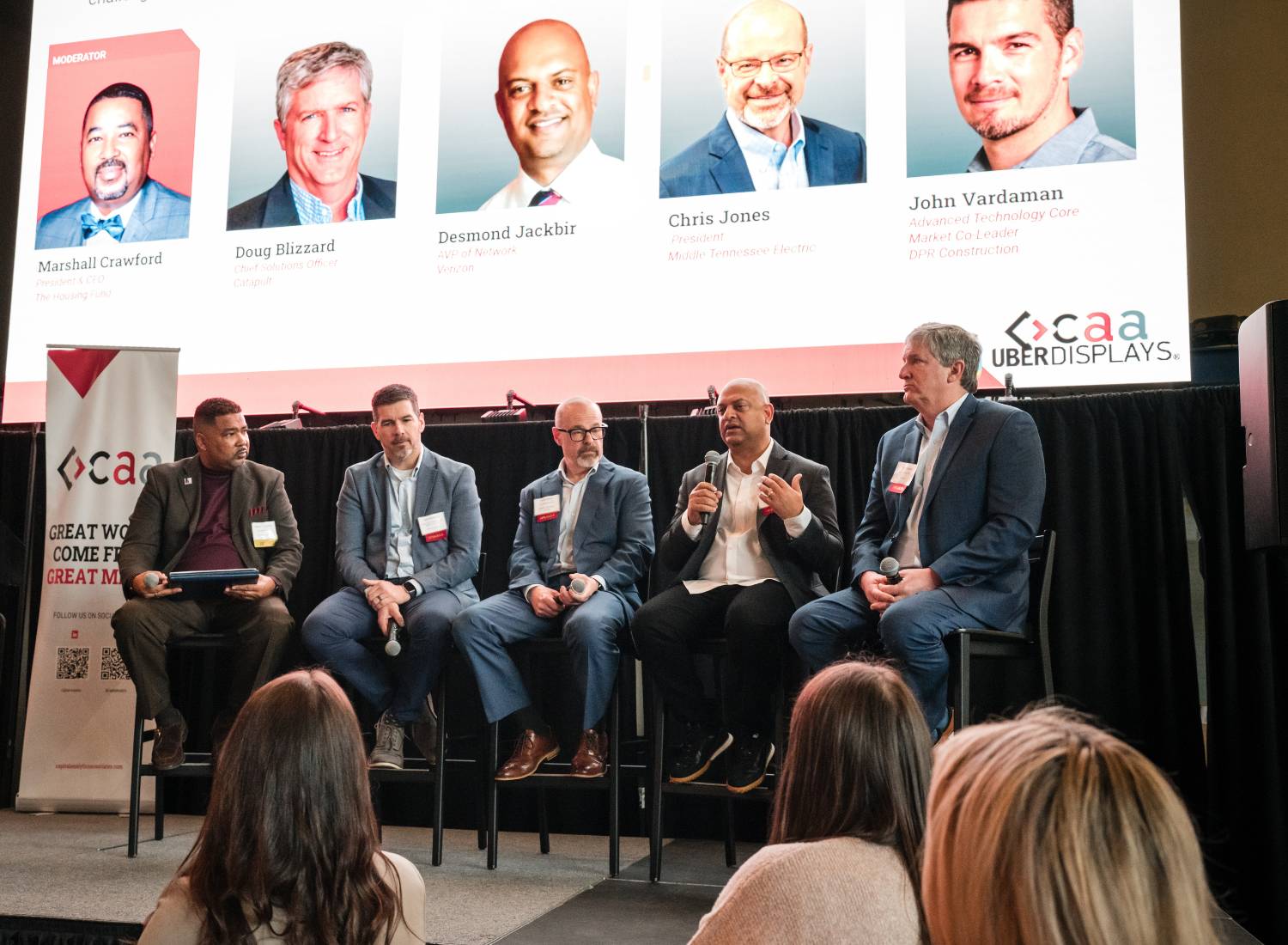
“If the infrastructure is not there, the project is on hold, full stop,” said John Vardaman, advanced technology core market co-leader at DPR Construction, speaking during the Invest: Nashville 4th Edition Leadership Summit at the Bridgestone Arena in early March. “If there is no predictability around what infrastructure is available and when it will be available, that affects everything.” 

Connectivity and power demand

As development expands, infrastructure systems that once operated in the background are becoming central to planning decisions. “Today, people expect connectivity to be available everywhere. Reliable network access has essentially become a baseline requirement,” said Desmond Jackbir, AVP of network at Verizon. Developers are increasingly incorporating connectivity infrastructure during the earliest design phases of projects, allowing properties to support technologies such as biometric access, automated retail environments, and advanced wireless networks. 

Electricity capacity is also emerging as a critical issue as data centers and artificial intelligence infrastructure increase demand for power. “We need more generation overall, not just locally but across the entire system. Electric utilities also need to focus on maintaining the infrastructure that already exists while continuing to modernize it,” said Chris Jones, president of Middle Tennessee Electric. 

After remaining relatively flat for much of the past decade, electricity demand in the United States is expected to rise sharply as data centers expand to support AI and cloud computing. Across the nation, data centers consumed roughly 183 terawatt-hours of electricity in 2024, representing more than 4% of the country’s total power consumption. By 2030, that demand is expected to grow by 133% to about 426 terawatt-hours.

Individual facilities can require enormous amounts of power. A typical hyperscale data center focused on AI can consume as much electricity as 100,000 households, a scale that will continue to push utilities and developers to coordinate infrastructure planning earlier in the development process. 

“We should want an abundance of power,” added Jones. “If we make the right investments, then the opportunities people are talking about, especially around AI and data centers, can come here with confidence.”

Workforce and technology

Infrastructure planning is also being shaped by changes in how companies organize work and deploy technology. 

“This is the moment to actively rethink how, when and where work gets done,” said Doug Blizzard, chief solutions officer at Catapult. “Every time a person leaves, it is an opportunity to rethink that position, rethink the work itself, rethink whether AI can be used and rethink different types of rewards and incentives.” 

Employers are navigating multiple structural changes at once, including demographic shifts and evolving expectations around flexibility. Earlier projections suggested gig workers could make up nearly 50% of the U.S. workforce, reflecting a shift toward project-based employment models, up from about 36% in 2023.

“For anyone involved in infrastructure planning, it is important to keep those workers in mind, because they all add demand and mobility, but not necessarily in the same way traditional workers do. They may not be tied to one place, and they are often much more mobile,” Blizzard said. 

As demand for power, connectivity and logistics capacity continues to grow, infrastructure planning is becoming a more central part of development strategy. Developers increasingly evaluate land availability, zoning, utility capacity, transportation access and digital infrastructure alongside workforce availability and shifting employment patterns when determining whether projects can move forward at scale.

For large projects, those decisions often require coordination across utilities, technology providers, workforce planners and local governments well before construction begins.

“These projects are so much more complex now, and so much more interconnected,” said John Vardaman, advanced technology core market co-leader at DPR Construction. “Success really depends on having the right team together from the start.”

Interested in reading the Invest: Nashville report? Sign up today!

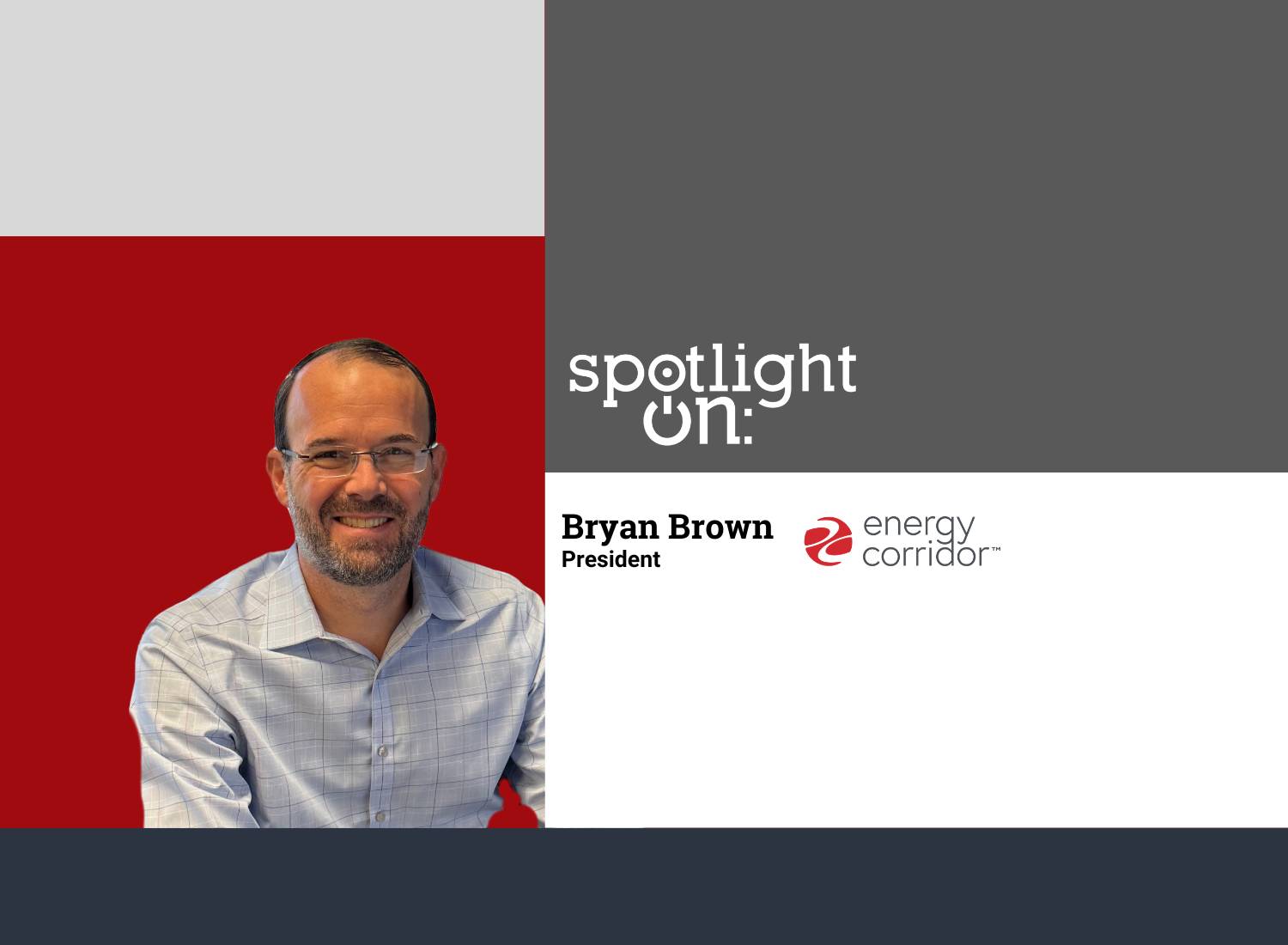
Spotlight On: Bryan Brown, President, Energy Corridor District

Key points:

  • • The Energy Corridor is benefiting from strong energy investment, driving office demand and outperforming national trends.
  • • Growth is supported by high-quality office space, strong workforce access, and increasing residential development.
  • • Public safety, infrastructure, and partnerships are key to maintaining long-term competitiveness and investor confidence.

Bryan BrownMarch 2026 —Invest: spoke with Bryan Brown, president of the Energy Corridor, about Houston’s sustained momentum, why the district continues to outperform national office trends, and how quality, workforce access, and long-term planning are shaping its next phase of growth. “The underlying investment climate in Texas is really yielding dividends,” Brown said.

What have been the most important changes you’ve seen in the Energy Corridor over the past year that directly affect business investment and growth?

If you start with the big picture, Texas and the broader Gulf Coast economy have been incredibly strong. Politics aside, some of the policy shifts at the federal level have reopened energy investment in Texas, and Houston and our ports have benefited tremendously. The level of commerce across the region is really second to none.

I’ve been in Houston for four decades, and this is probably as hot as I’ve ever seen it. That momentum has absolutely flowed into the Energy Corridor. Our core tenant base is energy-focused, and those companies have benefited from both private investment and state-level economic development efforts that continue to attract new businesses to Texas. When you combine companies relocating with companies already here expanding, it’s been a tremendous year. As a native Houstonian, it’s been exciting to watch.

Houston’s office vacancy rate has dropped while many other markets have struggled. What is driving that performance?

The underlying investment climate in Texas is really yielding dividends. We’ve been fortunate in the Houston region to avoid the severe vacancy challenges seen elsewhere, but even within Houston, there are differences by submarket.

What’s remarkable is that our overall office valuations actually increased last year, while many markets were struggling just to stay flat. That’s a strong indicator of demand. A big driver has been the flight-to-quality trend. The Energy Corridor has a high concentration of Class A office space, which is exactly what tenants are seeking right now.

There’s also significant federal and state funding flowing into the region to attract companies. Our role as a district is to support that momentum by staying closely connected to property owners and reinforcing the value we provide, from safety to cleanliness to placemaking. Houston is a massive city, but within our 2.4 square miles, we want companies to feel they’re in a distinctly well-managed environment.

How is the Energy Corridor planning for future housing needs to support continued business growth?

One of the most interesting developments recently was the conversion of a former office tower near BP’s campus into 101 Class A apartments. That project was delivered last September, and it’s performing well.

We also have another multifamily development that broke ground in December and is expected to deliver in early 2027. Multifamily has been strong, and while it’s hard to predict how long that cycle lasts, we do expect future growth to be primarily multifamily rather than single-family.

Looking ahead, there may be room for condominiums, which would be a new product for the district. I wouldn’t be surprised to see something like that emerge over the next three to five years as the district continues to balance office, residential, and supporting retail uses.

Workforce access has long been a strength of the Energy Corridor. How does that advantage continue to shape investment decisions?

Our people are absolutely our greatest strength. We recently updated our land use and demographics study, and the data reinforced just how powerful our workforce access is. More than half of the professional scientists, mathematicians, engineers, and computer scientists in Houston live within a 25-minute drive of the Energy Corridor, and 71% of our residents within that same area have a postsecondary credential — from technical associates to PhDs. 

That proximity is a major advantage for employers and employees alike. In a city known for long commutes, having reasonable access to work is a meaningful quality-of-life benefit. Happy employees are productive employees, and that ultimately supports business performance. The depth and accessibility of our talent pool continue to be a major draw.

How are companies leveraging the area’s STEM talent pool to support expansion and innovation?

Energy companies tend to be guarded about what they’re developing, but we know they’re continuing to invest heavily in talent. With work visa processes becoming more challenging, many companies are relying more on local talent, which Houston is fortunate to have in abundance.

That dynamic also encourages highly skilled professionals to relocate to areas like the Energy Corridor, especially when companies are willing to compete for talent. The concentration of STEM expertise remains one of the district’s strongest assets.

Public safety and cleanliness are often deciding factors for site selectors. How do those services factor into your value proposition?

They’re foundational. Landscaping and cleanliness are two of the most visible ways we signal that the Energy Corridor is a special place. We invest in irrigated medians, high-quality landscaping, and daily maintenance crews that keep the district looking cared for and professional.

Public safety is equally critical. We contract with a local constable precinct to provide dedicated patrol coverage, with at least one officer in the district 24/7. That presence helps deter property crime and gives tenants confidence.

We’ve invested in Flock license plate reader cameras to help law enforcement identify stolen vehicles or other flagged activity in real time. We also offer grant assistance to help commercial property owners invest in their safety equipment, such as better lighting and surveillance. All of this reinforces the idea that the district is actively managed and that safety is taken seriously.

How do partnerships help the district address challenges that no single organization could solve alone?

Partnerships are essential. While we have a strong budget funded by property owner assessments, it’s not enough to address everything on our own. We work closely with Harris County Precinct 4, the city of Houston, and a range of nonprofit and community partners.

One example is our parks. Although we’re within the city, our parks are owned and operated by the county, so collaboration is critical for programming and security. Another major win was securing a federal grant through Congressman Wesley Hunt’s office to improve underpass lighting beneath the Katy Freeway, addressing safety concerns in darker areas.

We also work closely with nonprofits and faith-based organizations to address community needs, including occasional unhoused individuals passing through the district. These partnerships allow us to extend our impact well beyond what we could do alone.

What differentiates the Energy Corridor from other Houston submarkets when companies are evaluating long-term investment decisions?

One key distinction is that we’re a suburban office district, which appeals to companies that have already decided downtown isn’t the right fit for them. Houston is fortunate to have several suburban nodes, but the Energy Corridor stands out because of its concentration of high-quality office and residential space.

The flight-to-quality trend has been sustained, not temporary, and we have the product that tenants are looking for. Geographically, the west side of Houston has consistently performed better for office than the east side, which is more industrial. Being close to talent, having modern assets, and offering a well-maintained environment give us a strong competitive position.

Looking ahead three to five years, what types of investment would you most like to see increase in the district?

I expect continued office growth, supported by broader energy and economic trends that favor Texas and Houston. At the same time, the district is well-positioned to become more balanced, with additional multifamily development and potentially condos, along with supporting retail and dining.

Houston doesn’t have traditional zoning, so development is largely market-driven. That means our role is to stay nimble and be ready to support property owners as opportunities emerge. Overall, I’m optimistic. We’re positioned for growth, and we’re prepared to adapt as the market evolves.

What recent milestone best reflects the district’s long-term stability and stakeholder confidence?  

One of the most important milestones for us recently was passing our 10-year service plan. That agreement, which requires approval from property owners representing more than 50 percent of the district’s commercial value, provides long-term stability and confidence that we can continue delivering on our mission. Getting that completed was a major achievement for the organization and sets us up well for the decade ahead. 

The District punches far above its weight. We provide incredible services in public safety, public realm, economic development, transportation, and so much more, and we do it at literally pennies on the dollar. We leverage a small assessment to do big things. After Hurricane Beryl, for example, while many other parts of the city struggled to reopen, we had our streets cleared and our businesses opened within 24 hours thanks to the District’s efforts. No single business, no matter how large, could have accomplished that alone. Decision-makers realize the value that being in the District brings.

We are particularly proud of the fact that our plan passed with the approval of nearly 60% of our property holders, representing over $2 billion in commercial real estate. That more than almost anything else speaks to the quality and value the District provides and is a huge testament to the confidence our stakeholders have in our team and the value we provide.

Want more? Read the Invest: Houston report.

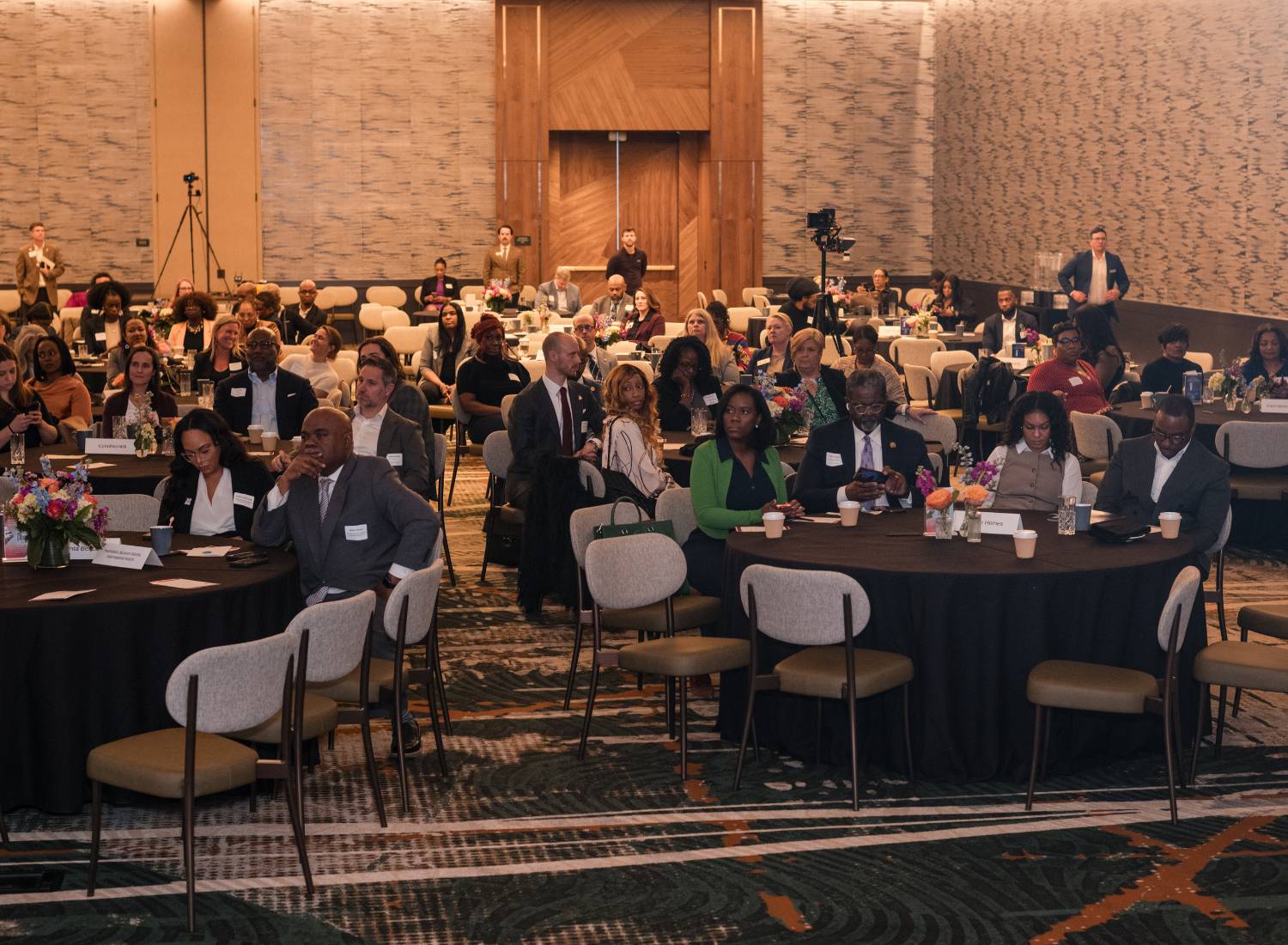
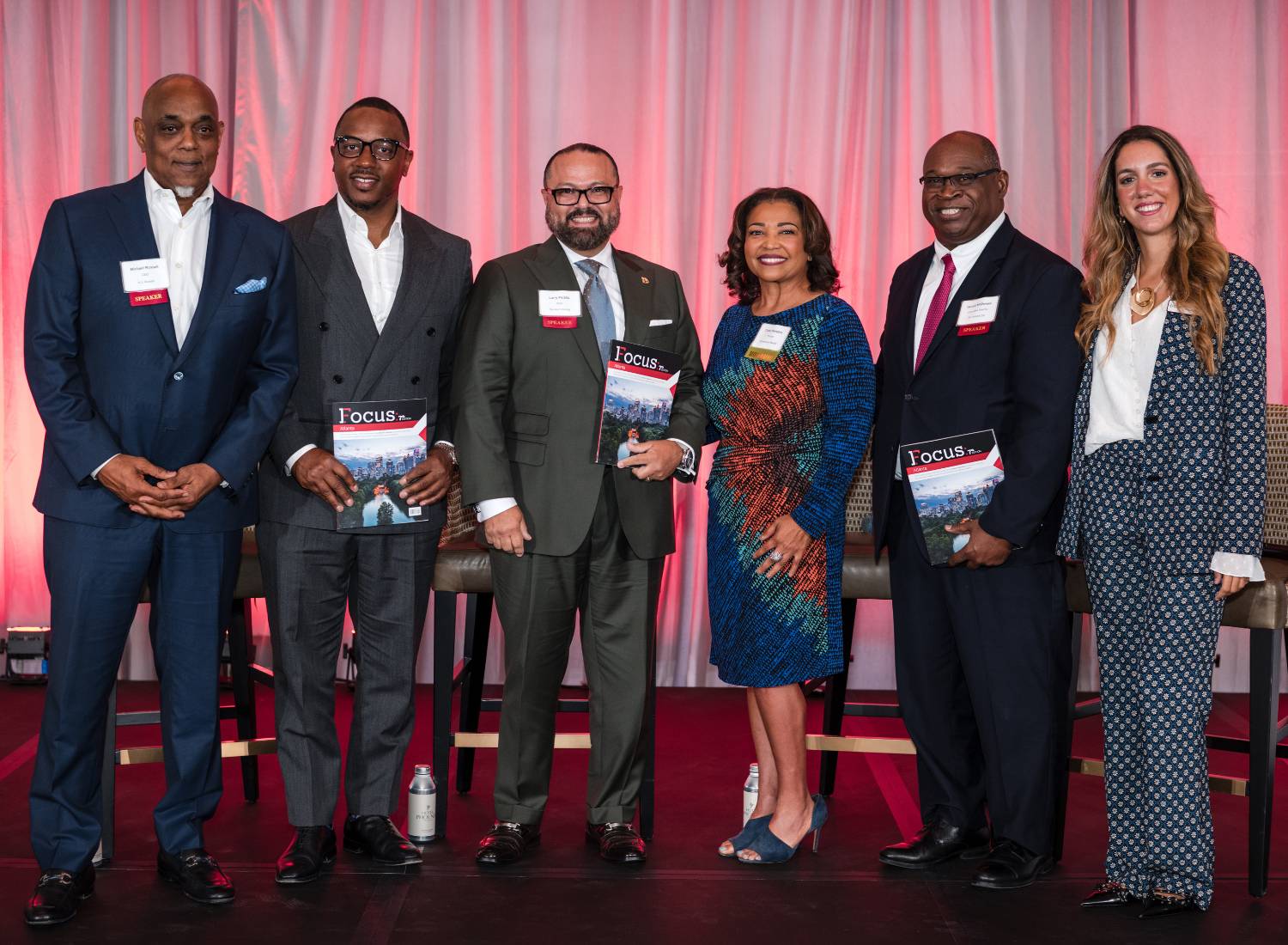
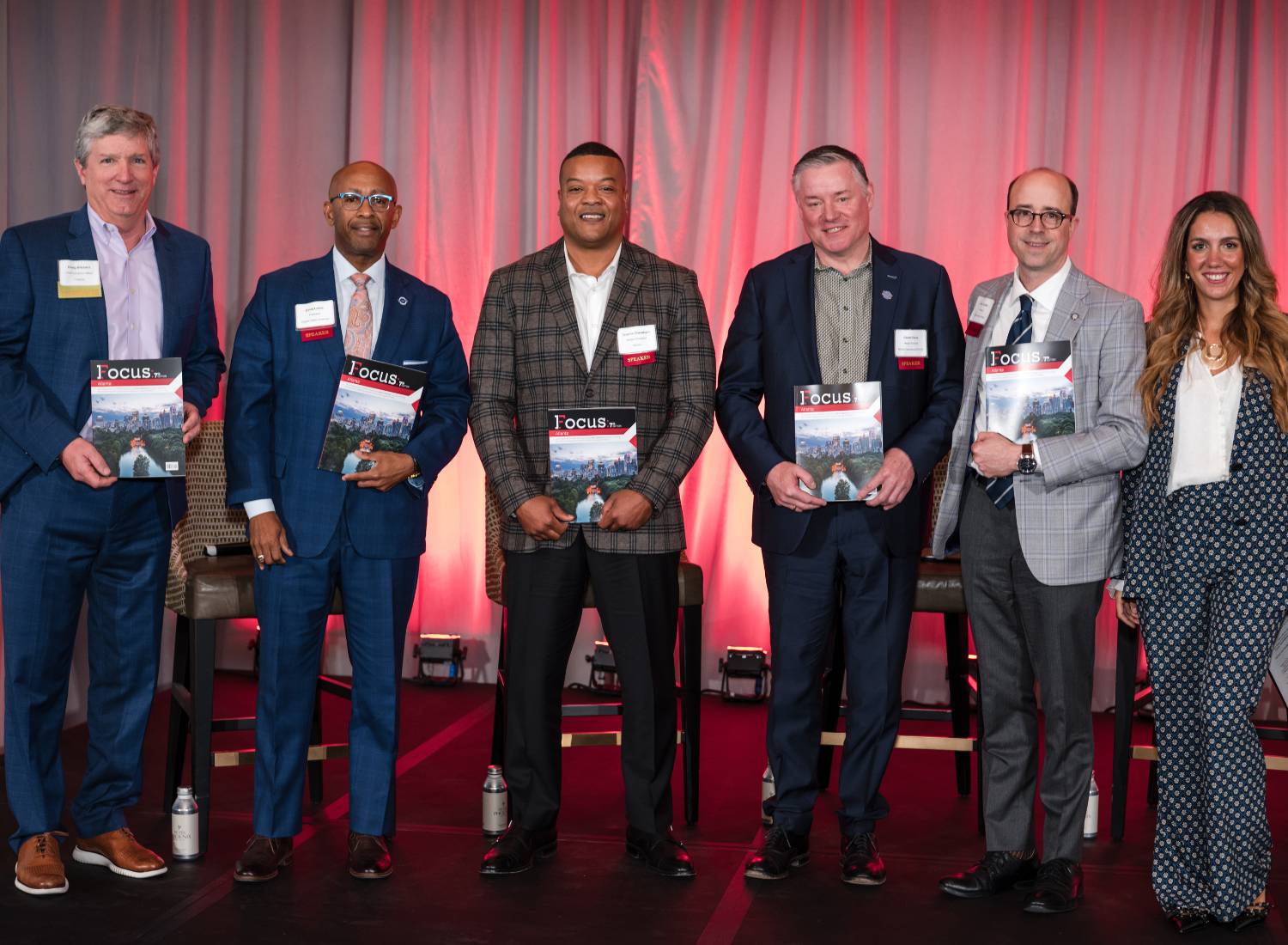
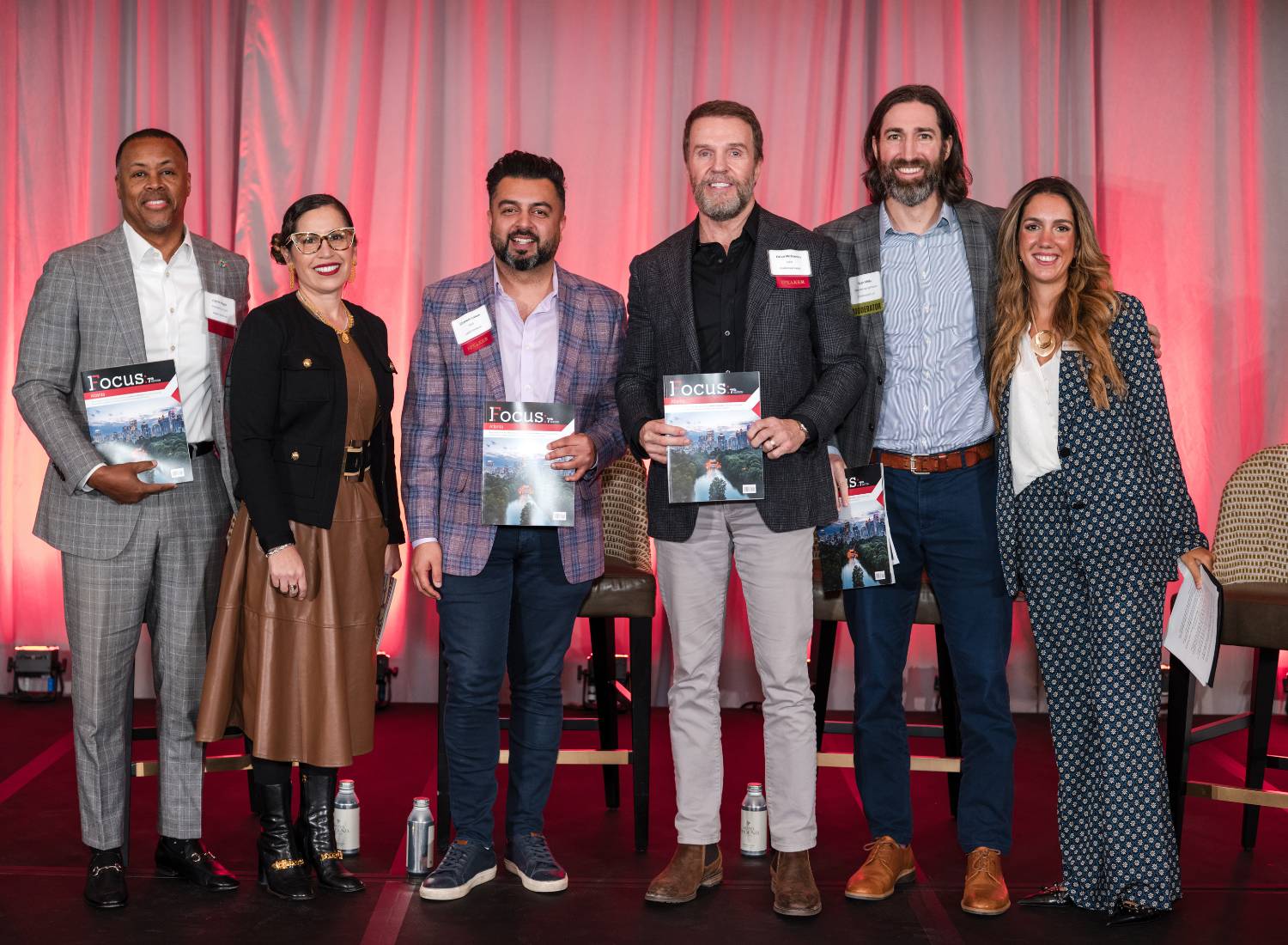
Focus: Atlanta 7th Edition Leadership Summit – Photo Gallery

Take a look at all the photos and videos from Focus: Atlanta 7th Edition Leadership Summit!

Stay tuned for the summit videos here.

Atlanta Atlanta Atlanta Atlanta Atlanta Atlanta Atlanta Atlanta Atlanta Atlanta Atlanta Atlanta Atlanta Atlanta Atlanta Atlanta Atlanta Atlanta Atlanta Atlanta

How South Florida reflects a broader shift in corporate growth strategy

Key points:

  • • Corporate expansion is becoming more selective, with greater focus on costs, risk, and workforce availability.
  • • South Florida remains competitive, with Broward attracting cost-conscious firms despite moderated demand.
  • • Talent pipelines, infrastructure, and sector specialization are shaping where future growth concentrates.

South FloridaMarch 2026 — South Florida continues to attract corporate attention, but it is also emerging as a bellwether for how growth strategies are changing nationally. As relocation activity cools, companies are becoming more selective, placing greater emphasis on regulatory environments, operating costs, access to skilled labor and overall risk when evaluating where to expand.

“Risk tolerance is definitely lower today,” David Duckworth, principal of the capital markets group at Avison Young, said to Invest: Greater Fort Lauderdale. “Investors are more focused on weighted average lease terms because longer WALTs reduce the need to re-lease space in a period of uncertainty. They’re also underwriting much lower rent growth than in the past.”

The Florida Council of 100 launched its Ambition Accelerated campaign earlier this year, introducing it during a Wall Street Journal Invest Live event in West Palm Beach. The initiative presents Florida’s Gold Coast as a unified business corridor directed at executives and investors evaluating where to expand next.

A more selective expansion cycle

After several years defined by migration and remote work, site selection decisions are becoming more cost sensitive. Industry data point to a more measured phase of corporate location decisions, with Site Selection Group reporting fewer headquarters relocations than during the early-2020s surge, while CBRE finds that large occupiers are prioritizing expansions and renewals within markets where they already operate.
Florida ranks among the top five states for overall tax competitiveness and remains one of the largest states without personal income tax, according to the 2026 State Tax Competitiveness Index. Corporate tax rates are also below the national median, a factor that continues to weigh heavily in long-term operating models. 

At the local level, governments across South Florida have pointed to streamlined permitting and licensing processes for commercial and industrial projects as part of their business development strategy, with the City of Fort Lauderdale’s economic development office citing coordinated review and expedited approvals as tools to reduce development timelines.

Broward County has benefited from this recalibration in an uneven way. As firms reassess space needs and staffing models, the county has continued to capture leasing activity tied to cost-conscious occupiers, even as overall demand has moderated. Broward’s newer Class A properties have maintained stronger occupancy and achieved higher asking rents, despite office vacancy rising to 12.3% in late 2025 due to move-outs from older buildings. Office leasing reached roughly 1.2 million square feet last year, down year over year but broadly in line with pre-pandemic norms, reflecting activity concentrated in selective submarkets rather than broad-based expansion.

Land constraints continue to shape the county’s development profile. “Broward County is extremely built-out… This is a mature infill market with no large-scale expansion opportunities, even as the population continues to grow,” Duckworth said.

A broader look at South Florida’s commercial real estate market shows strong interest across Miami, Fort Lauderdale and West Palm Beach, even amid shifting economic conditions. According to reporting from the Miami Association of Realtors, commercial sales volume in the region’s four major asset categories climbed steadily through the first three quarters of 2025, with nearly $10 billion in transactions, the strongest pace since 2022, driven by investor activity in office, industrial, retail, and multifamily sectors. The association noted that office transactions alone approached $2 billion over that span, representing a 42% increase in sales volume year over year, the largest gain among the region’s major commercial property types.

Infrastructure continues to factor into those decisions. Port Everglades ranks among the nation’s top container ports, and Fort Lauderdale-Hollywood International Airport has expanded nonstop service to major domestic business hubs. Those assets support firms managing regional operations, logistics, and client travel, even when headquarters functions are based elsewhere.

Labor supply is shaping decisions as much as incentives

Workforce availability has become a central constraint in growth planning. Labor supply dynamics are increasingly influencing corporate decisions, as firms contend with tighter labor markets alongside cost considerations. Research from the OECD points to rising skill mismatches and persistent shortages across advanced economies, while Federal Reserve data show that both job growth and labor force growth slowed through mid-2025, helping explain why unemployment changed little over that period. Hiring slowed across most industries, with most net job gains concentrated in education and health services. On the supply side, labor force growth weakened as immigration flows declined and labor force participation edged lower, particularly among younger and older workers.

Employer surveys reflect similar conditions at the firm level. A recent analysis from human resource consulting firm SHRM finds that nearly one-third of U.S. job openings remain difficult to fill, even as overall hiring activity has moderated.

Against that national backdrop, South Florida’s labor profile reflects a different set of dynamics. Florida ranked second in the nation for net domestic migration, trailing only Texas. In Broward County, 55% of new movers are under the age of 44, pointing to continued inflows of early-career professionals and young households. Downtown Fort Lauderdale has also seen population growth among young families with children, contributing to a broader working-age base.

Local education and training systems are responding directly to employer demand. “Workforce innovation also remains central,” said Howard Hepburn, superintendent of Broward County Public Schools, noting that the district is expanding technical and career-focused programming to meet those needs. “Industries are telling us they’re losing highly skilled workers to retirement and need replacements.”

Education trends reinforce that supply. Emerging data suggest that college enrollment in Florida continued to rise in fall 2025, with preliminary figures indicating roughly a 3% increase from the prior year. That pipeline supports sectors such as healthcare, finance, engineering, and logistics.

What’s next 

Across the Miami–Fort Lauderdale–West Palm Beach corridor, competition is becoming more internal than national. Commercial real estate sales across Southeast Florida reached roughly $16 billion in 2025. Activity was distributed across Miami-Dade, Broward, and Palm Beach counties, reflecting continued investor participation across asset types.

Miami continues to attract global capital. Venture capital investment in the Miami metro area totaled more than $5 billion in recent years, and cross-border investment remains a defining feature of the market’s office and multifamily sectors.

Palm Beach County remains closely tied to financial services and private wealth management. Finance and insurance among the county’s largest employment sectors. Over the past several years, hedge funds, private equity firms, and family offices have expanded their presence in the area. 

Greater Fort Lauderdale’s position within that corridor is shaped by a broader industrial base. The county’s employment is spread across logistics, aviation, marine industries, healthcare, and professional services. That mix has supported steady absorption across sectors rather than reliance on a single driver.

The “Ambition Accelerated” campaign presents the corridor as a collective growth engine. In practice, Miami, Palm Beach, and Greater Fort Lauderdale operate with different strengths and industry concentrations. Companies looking at South Florida are weighing those differences as much as statewide incentives. In a slower expansion cycle, clarity around sector depth and operating costs can matter more than scale alone. Where activity concentrates next may ultimately depend on how each county’s economy fits a firm’s specific needs.

Want more? Read the Invest: Greater Fort Lauderdale report.