South Florida’s electric flying taxi plans gaining momentum

Key points:

  • • Electric air taxis (eVTOLs) are being tested in South Florida as a potential solution to regional traffic congestion.
  • • Companies like Archer Aviation plan short flights linking Miami, Fort Lauderdale, Boca Raton, and West Palm Beach.
  • • While promising faster, cleaner travel, widespread adoption depends on regulatory approval and infrastructure development.

Taxis
Photo from Archer Aviation Inc.

March 2026 — Electric flying taxis are emerging as a bold potential solution to South Florida’s persistent traffic congestion and limited public transportation options. According to the Miami Herald, companies around the world are racing to bring this technology to market, and many see South Florida as an ideal testing ground. Prototypes have already been showcased in Miami for business executives and investors, highlighting sleek aircraft designs that promise to save time while moving aviation in a more climate-friendly direction.


Join us at caa’s upcoming leadership summits! These premier events bring together hundreds of public and private sector leaders to discuss the challenges and opportunities for businesses and investors. Find the next summit in a city near you!


These aircraft, known as electric vertical takeoff and landing vehicles, or eVTOLs, resemble a cross between a small jet and a drone. They use rotors for vertical lift, run entirely on batteries, and do not require runways. Designed for regional trips under 100 miles, they typically operate between 1,000 and 5,000 feet. Unlike traditional helicopters that rely on jet fuel and generate significant noise, eVTOLs are quieter and emissions-free in flight.

Manufacturers claim these aircraft could dramatically cut commute times. Trips that take 60 to 90 minutes by car could shrink to 10 to 20 minutes in the air, according to ePlane AI. A flight between Fort Lauderdale and Miami, for example, could take about 13 minutes, cruising at speeds around 150 miles per hour. Early adopters are expected to be affluent residents and business executives in Miami, with fares initially comparable to premium ride-hailing services. According to the Wall Street Journal, billionaire developer Stephen Ross is backing a plan for roughly $200 flights between Miami and nearby cities, positioning the service as competitive with luxury ground transportation but far faster.

Stephen Ross is working with aerospace company Archer Aviation to build a network of launch pads across South Florida, reflecting his belief that new mobility technology could unlock economic and real estate value in a region long burdened by gridlock.

“Our partnership with Archer marks a pivotal step in expanding South Florida’s regional connectivity through cutting-edge technology,” said Stephen Ross, CEO of Related Ross, in a press release. “We are integrating Archer’s electric vertical takeoff and landing aircraft into our flagship locations across South Florida, including the Hard Rock Stadium in Miami, Related Ross developments in West Palm Beach, and Apogee Club in Hobe Sound. We’re excited to embrace a forward-thinking vision that transforms how people and businesses move across the region.”

According to the press release, Archer Aviation has announced plans for a Miami-area air taxi network connecting Miami, Fort Lauderdale, Boca Raton, and West Palm Beach with 10 to 20-minute electric flights. The network would also link Miami International Airport, Fort Lauderdale–Hollywood International Airport, and Palm Beach International Airport, along with other regional hubs. Partnerships with Related Ross and the Magic City Innovation District aim to develop vertiport infrastructure, while Hard Rock Stadium and Apogee Golf Club could integrate their existing helipads into the system.

“Think Miami Beach all the way up to West Palm Beach. Connecting Miami, Fort Lauderdale, Boca, West Palm Beach altogether. And really try and help people get around much easier,” said Adam Goldstein, CEO of Archer Aviation, as cited by CBS News.

Florida officials are signaling support. During a mobility panel in Coral Gables, Florida, Department of Transportation District Secretary Daniel Iglesias highlighted state investment in infrastructure, including the nation’s first aerial testing facility at SunTrax in Orlando. At the federal level, an executive order directed the Federal Aviation Administration to collaborate with companies on pilot programs for flying car trials, according to the Miami Herald.

“The state of Florida is actually positioning itself to be a leader in the nation when it comes to developing this type of technology,” said Iglesias, as cited by the Miami Herald.

Still, challenges remain since eVTOLs must undergo rigorous federal certification, and questions persist about energy efficiency, environmental impact, and market scalability. While they represent a promising innovation, widespread adoption will depend on overcoming regulatory, infrastructure, and technical hurdles.

Want more? Read the Invest: Miami report.

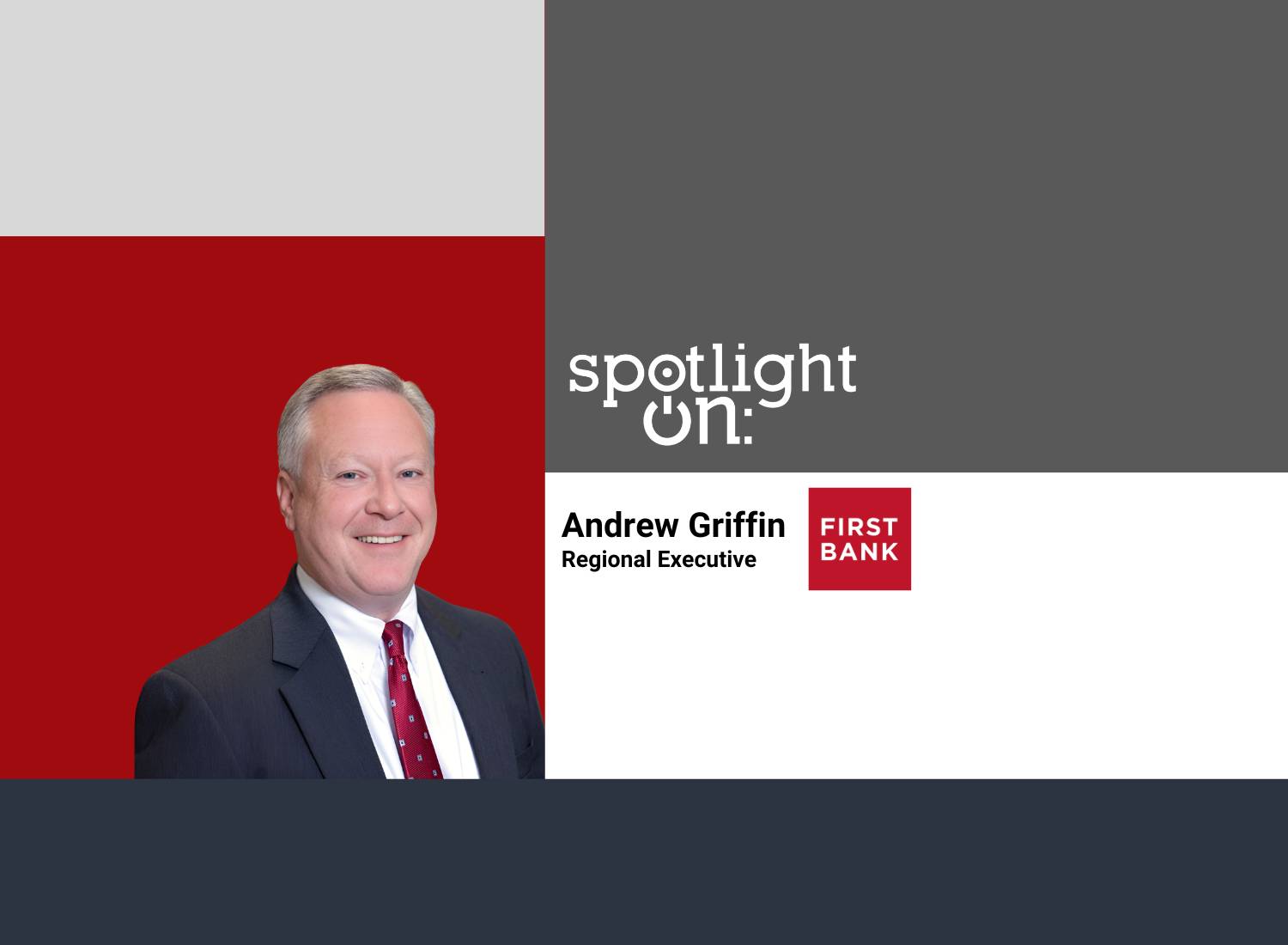
Spotlight On: Andrew Griffin, Regional Executive, First Bank

Key points:

  • • First Bank is expanding its loan and deposit base in Charlotte, supported by strong collaboration between commercial and retail banking teams.
  • • Charlotte’s population growth and diversified economy continue to drive demand across real estate, technology, and services.
  • • The bank is investing in technology, talent development, and community engagement to support long-term regional growth.

Andrew Griffin spotlight onMarch 2026 — Invest: spoke with Andrew Griffin, regional executive at First Bank, about how the bank is scaling in Charlotte, what clients are asking for, and where talent, technology, and community investment intersect. “Our commercial bankers and our retail bankers really partner together to help our clients,” Griffin said.


Join us at caa’s upcoming leadership summits! These premier events bring together hundreds of public and private sector leaders to discuss the challenges and opportunities for businesses and investors. Find the next summit in a city near you!


Looking back on the past year, what changes, shifts, or strengths have had the greatest impact on First Bank, how you operate, and the region as a whole?

We were able to grow our loan book substantially during the past year. Here in Charlotte, we positioned ourselves as one of the few banks that were able to take care of our clients, expand certain segments of our commercial loan book, and continue identifying new, attractive, and profitable prospects. It has been a tremendous year for us and for the Charlotte region within First Bank overall.

Our net interest margin continues to expand, and we believe it will continue to improve with rate decreases, which are likely going forward. We also continue to diversify our base here in Charlotte, not only on the loan side but on the deposit side, and that is a key metric we track closely.

A big part of our success in Charlotte is how our teams work together. Our commercial bankers and our retail bankers partner together well to assist our clients. That level of collaboration is something I have not always seen elsewhere, and it is part of our winning formula at First Bank.

We are also fortunate to have experienced bankers and a high-touch customer service model. Not only were we able to retain deposits, but we were also able to grow them. Our low-cost deposit base enables us to grow our loan book and expand our net interest margin. Our Charlotte region continues to lead the way for the bank in that regard.

In 2025, we relocated our Ballantyne branch to a more visible and accessible location, which has been successful. We are also considering moving other branches to more visible sites in 2026. These investments reinforce our commitment to the Charlotte region and position First Bank as a strong, long-term player in the local banking community.

What makes Charlotte and the broader region you oversee an ideal base for First Bank’s growth strategy?

Charlotte is the economic engine of North Carolina, and I would argue it also drives much of Upstate South Carolina. At First Bank, we view Charlotte as the tip of the spear when it comes to lending. This region typically leads the bank in production and growth, which ultimately drives net income.

It is the combination of location, opportunity, and the experience of our bankers here. We have strong credit partners and a solid client mix. Those factors together make Charlotte the place where First Bank should lead in terms of growth and profitability.

How are you seeing current business sentiment among your clients across the metro area? What are they optimistic or concerned about?

Client sentiment across most industries is positive. We are fortunate to be in the Southeast and in the Charlotte market specifically. People continue moving here every day, which supports our clients, the broader economy, and both commercial and retail banking.

Key industries driving our success include real estate, technology, services, and much of manufacturing. Our clients are increasingly focused on payment solutions and treasury services, so we spend significant time investing in those areas.

On the concern side, fraud is a major issue across financial services. As money moves faster, fraud tends to follow, and we invest heavily to protect our clients and the bank.

Overall, the economy remains strong in Charlotte. We talk with our clients constantly and see their financial performance, which continues to perform well. Interest rates quickly moved higher in the recent cycle, forcing banks to adapt. We navigated that environment well and were early in seeing net interest margins stabilize and then increase again. Today, we are lending aggressively, and our balance sheet is positioned well as rates begin to move lower.

What banking products or services are clients seeking most, and how are you adapting to meet those needs?

We focus on a balance of branch presence, digital capabilities, and service enhancements. We know we are not going to outbranch the largest banks, so we are selective with locations and emphasize convenience and accessibility.

At the same time, we invest heavily in technology, including treasury services, online banking, deposit solutions, bill pay, and user experience. When paired with experienced bankers, it becomes a winning formula.

We do not shy away from complex financial situations or industries. We have the products and services to meet those needs, but more importantly, we have bankers who know how to apply them effectively.

How do you assess the banking talent pool in Charlotte, and how are you planning for the future?

It is a competitive market, but there is strong talent available. That said, the talent pool is aging, and there is a gap in the 30- to 40-year-old range, which presents challenges.

We are fortunate to attract experienced bankers with strong reputations and established books of business. At the same time, we invest heavily in internal development. We bring in analysts, expose them to the business, and evaluate who has the ability to move into banking roles over time.

We want younger team members to shadow experienced bankers and learn the business. Thoughtful succession planning benefits clients, bankers, and the institution as a whole.

Where are you focused on growing over the next few years?

We do not see major gaps in our offerings, but we are constantly enhancing them. One example is relocating our corporate commercial lockbox operations to Charlotte, which improves access and service for clients.

Beyond that, we will continue investing in technology and adding experienced bankers. That approach has worked for us, and it is how we compete and win.

What impact are you seeing from First Bank’s community and financial literacy efforts?

Community involvement is central to who we are. Many of our bankers and associates serve on local boards, and we are deeply engaged across the region.

Programs like First at Work provide financial education to employees at businesses we serve. We also maintain educational resources on budgeting, homeownership, credit, and entrepreneurship.

Our Power of Good community impact program supports education initiatives and nonprofit organizations across the Carolinas. These efforts reflect our identity as a community bank headquartered in North Carolina.

Want more? Read the Invest: Charlotte report.

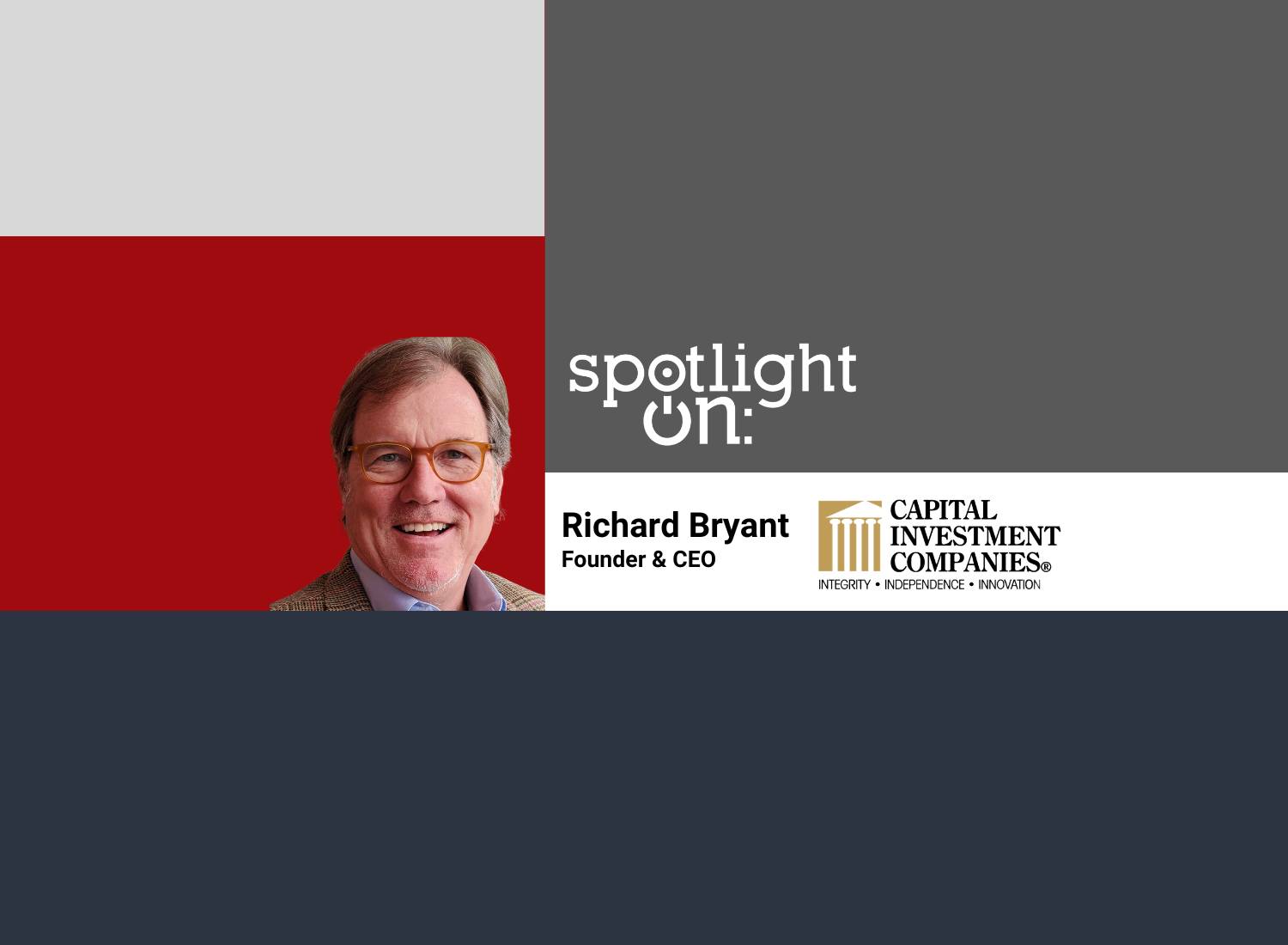
Spotlight On: Richard Bryant, Founder & CEO, Capital Investment Companies

Key points:

  • • AI and new technologies are reshaping financial services, pushing middle-market firms to stay nimble and efficient.
  • • Capital Investment Companies is focusing on generational transition, mentoring younger advisers, and expanding its talent pipeline.
  • • The firm plans to grow its family office and advisory platform to capture generational wealth transfer opportunities.

Richard Bryant spotlight onMarch 2026 — In an interview with Invest:, Richard Bryant, founder and CEO of Capital Investment Companies, said that staying nimble and embracing innovation, especially around artificial intelligence, is key to remaining competitive in the middle-market financial sector. “The biggest change, which is probably the same answer you’re hearing from everyone, is artificial intelligence and how it’s impacting our business. It’s all about not getting left behind,” Bryant said.


Join us at caa’s upcoming leadership summits! These premier events bring together hundreds of public and private sector leaders to discuss the challenges and opportunities for businesses and investors. Find the next summit in a city near you!


Over the past 12 months, what have been the most significant changes for Capital Investment Companies?

The biggest change, which is probably the same answer you’re hearing from everyone, is artificial intelligence and how it’s impacting our business. It’s all about not getting left behind. That’s definitely the main thing.

Another major development is my son joining the firm. That has been a great addition for us and me, personally. Capital Investment Companies now manage over $9 billion. While that may not seem massive compared to the industry giants, it’s substantial for a middle-market player like us. To stay competitive, especially in the middle market, you need to be nimble, attentive, and consistent. I’ve been doing this for 42 years, and that adds up to a lot of days showing up and staying relevant.

We’re also getting younger, which I find energizing. I think of Capital like a puzzle that’s worked from the inside out: there are no boundaries, just continuous expansion. That puzzle is growing not only in size but in youth. Some of my senior advisers are aging out. We oversee roughly 190 brokers across 13 states, most of whom are independent. Some of them are nearing retirement, so a big part of my focus has been on passing the torch to the next generation. That transition has actually been one of the more rewarding parts of the job over the last few years.

How is Capital Investment Companies leveraging technologies like AI or data-driven platforms to streamline operations and enhance the overall client experience?

As a mid-tier firm in a rapidly evolving industry, we must be cautious not to overreact to every new tech product that comes our way, and there are a lot. I get weekly emails promoting the “next big thing” for our reps or our firm. I usually save them and review them when the time is right, especially since we have so many vendors — companies like BlackRock and First Trust — that think ahead on our behalf. We have also recently formed a Technology Committee composed of advisers, management, and compliance individuals.

I’ve realized I don’t want to be on the leading edge of innovation. The flow of new tools is relentless. Still, we’ve adopted a few technologies recently that have helped. Some of these apps can record a client meeting, transcribe it, summarize the conversation, and even flag emotional cues, such as if the client appears tense. One app can even schedule follow-ups automatically. These tools have been game-changers, especially for independent advisers without support staff. They’ve improved productivity by over 50% in some cases.

That’s crucial because in this industry, you’re expected to “know your customer,” and taking notes all day can wear you down. It’s a great business with strong earning potential, but staying sharp is essential, and IT helps us do that.

We don’t yet fully grasp where AI will ultimately take us. Markets have been booming lately, and we’re helping people take advantage of the opportunities at hand, but we also know a pullback is coming. That’s inevitable.

What has been your approach to managing the generational divide, and have you noticed any distinct differences in how the various generations operate in the workplace?

It’s almost like being a parent to these younger professionals. They definitely expect more from their jobs, their leadership, and the technology they work with. I have employees from multiple generations, and they all engage in different ways. I even have a nephew in his mid-40s who didn’t know what iTunes was for the longest time. Meanwhile, younger and older generations around him did.

We’ve developed a mentoring program with NC State University in Raleigh, and we’re bringing in interns from their College of Management. These students are bright, eager, and they want to learn. Youth is definitely being served in the Raleigh-Durham area, with schools like NC State, Duke, and UNC producing some impressive talent. Personally, I’m partial to NC State — the students from there are hard workers and don’t have the entitlement mentality that we encounter at times.

They’re also highly tech-savvy. When we bring someone in to help with our digital footprint or marketing collateral, they can execute it in no time. Meanwhile, we’re still debating to what extent we want to implement. They help to push us forward, and if you don’t listen to them, they may leave. This generation tends to “job hop” until they find something that really clicks.

However, the market’s shifting. With AI-related layoffs happening, job security is back in focus. People are holding on tighter to the jobs they have. I was shocked when I saw that Amazon laid off 14,000 people. It made me wonder, where were they even working? All we see are the delivery trucks and apps, but clearly, there’s much more behind the scenes.

It’s unsettling, especially with government layoffs too. But I remember the 2008 recession, and people found ways to land on their feet. New industries emerged out of necessity. American ingenuity always finds a way.

When it comes to Gen Z, how are you seeing them approach wealth creation and investing?

Platforms like Robinhood have empowered Gen Z to be self-sufficient investors. But that self-sufficiency only lasts until the stakes get higher. I read a stat that said nine out of 10 Americans with more than $500,000 to invest believe they’ve done — or would do — better with a financial adviser. That tells you something. Once people accumulate real wealth, they want someone else to manage it because it’s overwhelming, and they already have full-time jobs.

My younger son is a perfect example. He’s got his own trading account. He’s doing his thing. And a lot of people are, until something goes wrong. I remember during the last crash, everyone, from waiters to bartenders, had some “hot” penny stock. But when the downturn hit, many of them lost everything. That’s how it goes. Investing can feel like gambling for some, but it shouldn’t be treated that way.

The reality is that if you buy, hold, and stay disciplined, you can average 10% to 15% annually and benefit from long-term capital gains, which are taxed less. I’m seeing more of this long-term mindset emerging in younger investors now. It’s as if they’re starting to resemble their parents in their investment behaviors. When we find people like that, we try to bring them into the firm because they’re the future. 

Looking ahead two to three years, what is your vision for Capital Investment Companies, particularly in the Raleigh market?

We will continue to build out our family office offering. We already provide a wide range of services — stocks, bonds, insurance, annuities, managed money, alternative investments, real estate — you name it. But I want to better define and market our Ensemble Platform, especially for the next generation.

I’d love for our younger team members to help shape how this looks, to make it something their peers can relate to. We’re in the middle of a massive generational wealth transfer, and we need to meet that moment with a clear, compelling offering. We have access to world-class services because of our size and independence, and I want to make sure people know that.

One big challenge is public perception. Some potential clients think we’re too big for them. I’ve had people say, “I only have $500,000, so I didn’t think you’d be interested.” Well, I’ll take that any day. We need to do a better job getting the word out about who we are and who we serve. We’ll also continue leveraging technology to improve our operations and client experience. 

On a personal note, I’m focused on legacy. At 66, some people are asking if it’s time for me to retire, but I don’t think that way. My dad was active well into his 90s. I’ve spent 42 years building this company, and I want the Capital name to stay on the building. I’m not looking to cash out. I want to make it even better for my family and the team that’s helped build it.

Want more? Read the Invest: Raleigh-Durham report.

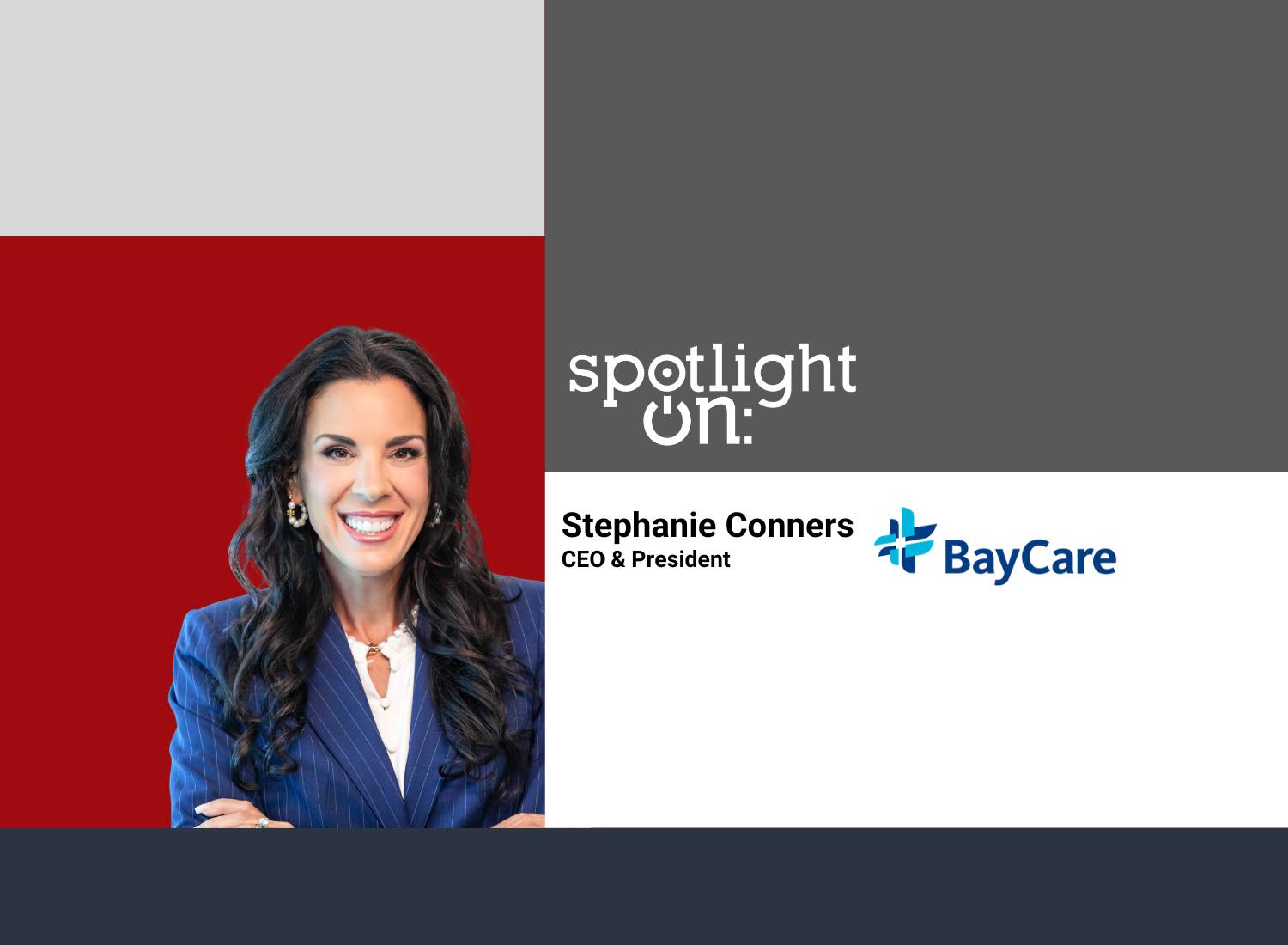
Spotlight On: Stephanie Conners, CEO & President, BayCare Health System

Key points:

  • • BayCare is expanding its academic mission and services, including proton therapy, behavioral health access, and virtual hospital care.
  • • The system is investing heavily in workforce development, residency programs, and employee well-being to address growing demand.
  • • A $2.9B growth plan aims to expand capacity and strengthen access across West Central Florida’s healthcare ecosystem.

Stephanie Conners spotlight onMarch 2026 — Invest: spoke with Stephanie Conners, CEO and president of BayCare Health System, about the system’s evolution into the region’s largest academic health system and its people-first strategy. As BayCare deploys $2.9 billion in growth capital and expands services from proton therapy to virtual hospital care, Conners is clear that the strategy starts with the workforce. “Our people are our greatest asset, and we need to ensure that we continue to invest in them, because if we invest in our people, then the care that’s delivered is truly extraordinary,” Conners said.


Join us at caa’s upcoming leadership summits! These premier events bring together hundreds of public and private sector leaders to discuss the challenges and opportunities for businesses and investors. Find the next summit in a city near you!


Over the past year, what major changes have most impacted BayCare, and in what ways?

BayCare has been very busy. We have solidified our position as the largest academic health system in West Central Florida, driven by a clear obligation to care for patients from their first breath to their last and to close gaps in access as healthcare becomes more complex. Our new partnership with Northwestern Medicine will accelerate our academic mission and our journey toward delivering the world-class care we believe this community deserves, supporting research, education, and clinical trials while elevating the level of care available close to home.

We also celebrated the arrival of the region’s first proton therapy accelerator, featuring the latest technology. No one in West Central Florida currently has access to proton therapy, and while others are exploring it, BayCare made the decision to embark on this major investment so that our patients have access to advanced cancer treatments when the accelerator goes live in spring 2026. 

Another key focus has been behavioral health. We have long been the region’s largest provider of behavioral health services because we see mental health as essential to total health, and we recently opened the first urgent care for behavioral health in Pasco County to meet people where they are. 

Finally, our commitment to safety, service, quality and cost has produced the best performance year in our 28-year history. The majority of our eligible hospitals hold Leapfrog “A” safety ratings, and we take great pride in being known for clinical excellence and high reliability.

How is BayCare attracting and developing talent, especially nurses and clinical staff, in such a competitive labor environment?

This topic is so important because our success starts and ends with our people. Our team members are our greatest asset and the heartbeat of our organization, so everything we do is built around them. I lead a team of roughly 34,000 individuals, and we are very intentional about giving every person the runway to be the best version of themselves, because when our people can work to their maximum potential, the organization achieves its maximum potential.

We invest heavily in well-being, not just for nurses but for all team members. Our vision is to be the best place to work, practice and receive care, and the many external accolades we receive as a best place to work are meaningful because they come from our people and reflect how our culture supports their ability to plan, grow and thrive here.

Tying back to our academic mission, we are also making ambitious investments in physician and clinical training. Patients come for physicians and stay for extraordinary care, so we are focused on both. We are among the fastest-growing residency programs in the country and expect to train more than 650 residents by 2029, with the clear intention of retaining as many as possible to meet the region’s future healthcare needs. We are proactively addressing physician competition by being the best place to practice and by prioritizing physician and advanced practice provider well-being. Strong physician leadership across the organization helps align our workforce strategies with the services our communities need and sustains a resilient culture in a complex environment.

What broader trends, such as behavioral health demand, value-based care, and telehealth, do you see as most influential, and how are you navigating them?

We look at care through the lens of the right place, right time, and right provider. On one end of the spectrum, our academic mission requires us to care for the sickest of the sick, manage advanced disease processes and provide the medical talent and infrastructure to support that level of care. Equally important is the care we deliver outside the hospital.

We are building a continuum that spans from quaternary care to outpatient and home-based medicine, supported by remote patient monitoring, advanced analytics and virtual interactions. We have already stood up a virtual hospital model that allows appropriate patients to remain in their homes, close to loved ones, where they can heal mentally as well as physically, while still receiving hospital-level care.

Our mission is to improve the health of all we serve, and the only way to live that mission is to provide the access our communities need. The work we are doing is not about gaining a competitive edge; it is an obligation. Many individuals and communities will never seek care in a hospital, so we need to bring care to them, where and when they need it, if we truly want healthier communities.

What are the biggest challenges BayCare is navigating today?

The changing climate in healthcare is at the core of many of our challenges. Clinically, our first priority is making sure access is available. Demand for physicians and other clinicians continues to rise, particularly in a growing state like Florida, which is why training the physicians of the future is so important. We must have talented individuals prepared to care for expanding and aging populations while navigating pressures from rising costs, insurance dynamics and workforce shortages. Even as we earn accolades as a great place to work and practice, we cannot relax our efforts to sustain that reality, because the well-being of our communities depends on the well-being of our people.

Capacity constraints across our facilities are another major factor, and we are committing about $2.9 billion in growth to close gaps in care. Those investments span the continuum and are designed to ensure that from first breath to last breath, people can access the services they need while we maintain fiscal strength. Market competition is intense, and there are many new entrants across our communities. We believe healthcare leaders have to grow in ways that are smart and grounded in community needs. BayCare contributes close to $500 million a year in community benefit programs, and we regularly conduct community health needs assessments to keep our efforts aligned with evolving priorities.

As the region continues to evolve, how are your strategic priorities evolving with it? What are your top goals for the next two to three years?

Our top priority, always, is our people, and that will be my answer 10 times out of 10. Our people are our greatest asset, and we need to ensure that we continue to invest in them, because if we invest in our people, then the care that’s delivered is truly extraordinary. When we get that right, we can deliver extraordinary care while managing smart, sustainable growth.

Strategically, we are aligning our financial planning with our growth agenda so that BayCare is as stable, or even more stable, in the future as it is today. Our pledge to invest $2.9 billion through 2030 to expand services is central to fulfilling our mission to improve the health of all we serve and to support a stable healthcare ecosystem as demand increases. We have also embarked on what we call BayCare 2.0, reflecting our status as a solely community-owned, independent health system. That structure gives us the freedom to think big, close gaps and innovate in ways that go beyond bricks and mortar.

Our 34,000 team members deliver care and live, work and play in the communities we serve. Being the largest health system in West Central Florida comes with a profound obligation: to support them as members of the BayCare family while they support our patients. Looking ahead, our focus is on aligning every effort around delivering highly compassionate care, grounded in clinical excellence. That will remain our North Star as the region and the healthcare landscape continue to evolve.

Want more? Read the Invest: Tampa Bay report.

Bruce Rector, Mayor, City of Clearwater

Bruce RectorInvest: spoke with Clearwater Mayor Bruce Rector about the city’s rapid recovery after Hurricanes Helene and Milton, its leadership in resilience and inclusion, and the long-term strategies positioning Clearwater within the broader Tampa Bay region. “That investment in resiliency pays off. We are living proof out here in Clearwater that it does,” said Rector.

What changes over the past year have most impacted Clearwater, and in what ways?

The first part of the year was very difficult. Hurricanes Helene and Milton caused severe damage, and recovering quickly became the top priority. Tourism is central to Clearwater and to Tampa Bay as a whole, and Clearwater Beach is the region’s primary beach. About 10,000 people work on the beach alone, and many more depend on the tourism economy throughout the city and region.

We invested about $85 million in recovery and mobilized our full city workforce of roughly 1,900 employees. A major milestone was reopening ahead of spring training. The Philadelphia Phillies’ stadium had been badly damaged, and welcoming their fans by February 15 was essential. Those visitors became trusted eyewitnesses to our recovery. When they shared on social media that Clearwater Beach looked the same as ever, it validated our progress in a way that no official message could.

As a result, we had our strongest tourism year on record — the highest spring hotel occupancy we’ve seen and a record summer in terms of bed tax collections and occupancy. Some neighboring communities are still recovering today, which underlines how significant it was for Clearwater to lead the county and the region back. The early phase required extraordinary effort, but that work turned a difficult year into one of our most successful.

Clearwater became the nation’s first Red Star City. What inspired this initiative, and what impact is it already having?

The idea came from a local veteran who wanted to create a symbol for families who lost a loved one — a veteran or first responder — to suicide. We have powerful recognitions like the Purple Heart and Gold Star for those who die in battle or active service, but nothing for those who die later from the invisible wounds of their service. Veterans and first responders often witness traumatic events that stay with them long after, and suicides in those communities are rising at an alarming rate.

This initiative is deeply personal for me. My father was an Army veteran and first responder who took his own life more than 35 years ago. The pain of that loss never truly goes away, and, for many years, there was a strong stigma that kept families from speaking openly about suicide. When the resident shared his idea, I shared my own story, and we formed an immediate connection.

We worked together for about a year to help launch the Red Star foundation, led by Jerry Shaffer. When asked whether Clearwater would become the first Red Star City in the nation, we were honored to say yes. Our hope is that the initiative spreads quickly. It brings visibility to families left behind — including young children — and offers recognition and support that did not previously exist. Just as importantly, it raises awareness for those who may currently be struggling. If this work helps even one person choose a different path, then it is already making an impact.

With Clearwater on the way to becoming an autism-certified city, how are those initiatives influencing your approach to services and community life?

Clearwater is naturally diverse. Tourism brings people from all over the world, and the city is also home to large employers in manufacturing, technology and other industries. That environment has encouraged us to cultivate a culture of inclusion and hospitality for residents and visitors alike.

Becoming an autism-certified city would be a natural extension of that work. Our goal is to make families with a member on the autism spectrum feel welcomed and supported when they visit — and that starts with ensuring our own residents experience that support every day.

To achieve that, we are training police officers, firefighters, emergency personnel, nurses, medical providers and others throughout the community. It creates a more informed and empathetic response to the unique challenges individuals with autism may face.

LiFT Academy has quickly become a regional leader in autism education. Families have moved to Clearwater specifically to be near the school. Parents regularly share emotional stories about the difference it has made in their children’s lives. Traditional school environments sometimes struggle to meet the needs of students with autism, but LiFT provides a setting that understands and adapts to those needs. These initiatives make Clearwater more welcoming while also strengthening our community fabric.

How is Clearwater approaching talent attraction and workforce development within the broader Tampa Bay economy?

Housing is one of our most significant challenges. Coastal cities face intense demand from retirees, remote workers and short-term rental investors. That pressure makes it difficult to create enough attainable housing for the workforce needed to support our industries.

Because of those constraints, a key part of our strategy is to develop the talent that already lives here. Young adults may prefer to live independently, but many can begin their careers while living with parents or grandparents until the housing market catches up. Meanwhile, we are working hard to increase density and expand housing options within the city, though demand continues to outpace supply.

Workforce development is a regional effort. I collaborate closely with Mayor Castor in Tampa and Mayor Welch in St. Petersburg. We all agree that early childhood education is one of the most important factors. About 90% of a child’s brain develops by age five, so getting books into children’s hands and creating a reading culture early on is foundational. That is how we build the future workforce from within.

We are also investing in technical education. The aviation academy on U.S. 19 prepares young people not only for aviation jobs but also for technical roles in industries like amusement parks in Orlando, which use similar hydraulic and mechanical systems.

One of the most transformative developments in the region is the Bellini College of Artificial Intelligence, Cybersecurity and Computing, created with significant support from Clearwater resident Arnie Bellini. The school is already full, and it positions Tampa Bay — including Clearwater — to become a major hub for cybersecurity talent. That strengthens companies like KnowBe4 in downtown Clearwater and ReliaQuest in Tampa, and it builds upon the expertise at MacDill Air Force Base with CENTCOM and SOCOM.

Long term, developing the young people who are already here is the most effective way to meet workforce needs. Housing demand will remain high, but investing early in education and technical training ensures Clearwater can compete for the industries of the future.

As a coastal city, resilience is central to Clearwater’s long-term strategy. 

How are you strengthening resilience moving forward?

Our ability to recover quickly from recent hurricanes came down to two major factors. First, we had the capacity to respond. As Tampa Bay’s third-largest city, with about 1,900 employees, we were able to invest $85 million and mobilize a large team to rebuild. Many smaller surrounding communities simply do not have that level of resources.

Second, we benefited tremendously from long-term planning. Over the past 15 years, Clearwater Beach has been rebuilt with higher elevations and stronger, more resilient structures. New hotels and coastal buildings were designed to withstand major storms. That preparedness allowed us to recover far faster than we otherwise could have. That investment in resiliency pays off. We are living proof out here in Clearwater that it does.

But resilience is not a single-city issue. Tampa Bay functions as a unified regional ecosystem. People may live in Clearwater but work in Tampa or St. Petersburg. They may send their children across county lines for school, or travel to hospitals outside their own city. Our tourism economy supports events at Raymond James Stadium and Amalie Arena, and about 85% of our visitors arrive through Tampa International Airport.

That’s why we work closely with Tampa and St. Petersburg on shared resilience initiatives. One major focus is wastewater infrastructure. All three cities are making major investments to strengthen wastewater systems and improve water quality in Tampa Bay. In Clearwater, we are consolidating three wastewater treatment plants into one more resilient facility. It is a significant cost, but it is essential for protecting residents, the environment and the regional economy.

Strengthening resilience means continued investment in infrastructure, thoughtful planning for climate and storm risks and deep collaboration across Tampa Bay. Our success depends on the strength of the entire region.

Deborah Rice-Johnson, CEO of Diversified Businesses and Chief Growth Officer, Highmark Inc.

Deborah Rice-Johnson, CEO, Highmark HealthIn an interview with Invest:, Deborah Rice-Johnson, CEO of Diversified Businesses and Chief Growth Officer at Highmark, said that diversification, innovation, and community investment have positioned the organization to thrive despite ongoing industry challenges. “We’ve faced the same challenges as others in the industry, but we’ve also made real strides. The diversification of our organization has enabled us to weather industry pressures and prepare for a stronger future.”


What are some key changes that have impacted Highmark?

There’s been a lot happening across our industry — on both the payer and provider sides. We’re continuing to navigate financial pressures, many of which have intensified post-COVID, such as increased care delivery costs, rising labor and goods costs, and a shift in disease prevalence. From the payer perspective, there are real challenges, including what I believe is some pent-up demand from the pandemic. We’re seeing more severe cases, and that’s creating pressure on both providers and payers, which is quite different from what I’ve seen in my decades in this business.

Despite those challenges, we’re doing a lot around growth. Companies today need to scale the capabilities they invest in and deliver them effectively to the market. My role as CEO of our diversified businesses, as well as chief growth officer for the organization, places me right at the center of this work, and it’s truly exciting.

The current pressures in the industry are forcing all of us to innovate and grow in more deliberate ways. When I look at our health insurance business, for example, we’ve built a number of capabilities that are enabling our Living Health strategy. That strategy is designed to lower the cost of care, improve access, enhance affordability, and deliver quality. We’ve spent the last five years building those capabilities, and now we’re in a position to extend them to other organizations, whether they’re health plans or providers.

On the topic of growth, we’ve been active both organically and inorganically. Organically, we’ve expanded into Southeastern Pennsylvania, including the five counties surrounding Philadelphia. That’s a major market with about 4 million people — roughly a third of the state’s population — and it’s become one of our fastest-growing areas. We entered just a few years ago and are already seeing strong results.

On the inorganic side, we’ve been growing through our diversified businesses. We created a platform called Alloyed Works, which packages our diversified capabilities in a way that makes it easier to engage with other companies.

To name a couple of our top-performing diversified businesses: United Concordia, our dental company, has grown from being the 10th-largest in the country to the 7th. My team wants to be number one — it’ll take a big push, but the momentum is there. We also have our HM Insurance Group, which focuses on stop-loss coverage. It’s now a top-10 player and continues to grow.

We’ve faced the same challenges as others in the industry, but we’ve also made real strides. The diversification of our organization has enabled us to weather industry pressures and prepare for a stronger future.

How are you recruiting, retaining, and developing talent across healthcare and insurance sectors, while also strengthening Pittsburgh’s workforce and ensuring long-term competitiveness?

Talent is such an important topic. Like many, we struggled during the pandemic. And while I’m admittedly tired of talking about it, the pandemic forced us to re-evaluate and become more effective and efficient in our work. However, it also brought new challenges to retaining talent.

At Highmark, we focus heavily on our mission and vision. They’re bold — we aim to create a remarkable health experience and to free people to be their best in health. That extends to our employees, too. If our team members are empowered and thriving, they’ll deliver exceptional experiences for our customers. That’s the only way we’ll realize our mission.

Creating a safe, inclusive space for employees to innovate and share ideas is key. I always recall a quote from Jack Welch — he recounted speaking to an assembly line worker nearing retirement who said, “All these years, you’ve had my hands, but you could have had my mind too.” That stuck with me. We want our people fully engaged, not just executing tasks but actively shaping the future of our organization.

How are you navigating national and regional healthcare trends?

Much of our ability to navigate these trends goes back to the strategic path we chose with our Living Health transformation, which began in 2019. Honestly, without that, I don’t think we’d be in the strong position we’re in today.

That strategy has helped us manage care more effectively, engage with clinicians and members, and address the fragmentation in the healthcare delivery system. Let’s be honest: insurance doesn’t always make healthcare easier. But our approach has enabled us to forge deeper provider connections — not just with Allegheny Health Network, which is part of our organization, but with other health systems as well.

We’re exploring value-based care models, partnering with what we call “anchor providers” in each market to implement those models effectively. We’re also prioritizing digital innovation. Our digital front door has significantly improved how we engage members. We’re rolling out ambient listening technology in AHN, allowing clinicians to better connect with patients during visits. We’re also applying evidence-based medicine in our models to ensure that patients receive the right care and treatments at the right time. That helps reduce waste and avoid unnecessary costs.

So while we are facing the same headwinds as the rest of the industry, I believe our strategies have helped us mitigate those challenges better than most and positioned us well for the future. 

How are you identifying opportunities for innovation, efficiency, and patient-centered care during these uncertain times?

When Allegheny Health Network became part of Highmark and we transitioned into a payer-provider model, everything changed. We’ve learned so much. I remember hearing something so simple from a clinician and thinking, “Why didn’t I consider that before?” But as a payer-only executive, I simply didn’t have that perspective.

Now, we’re very intentional about integrating everything we offer into a cohesive model that we can scale beyond Western Pennsylvania. We bring our clinicians and payers together to review data and find better ways to serve members. It’s not about increasing utilization management like a typical insurer — it’s about collaboration and solving problems at the root.

What’s especially powerful is that when we’re in meetings, you can’t tell who’s the provider and who’s the payer — and that’s exactly how it should be.

Our diversified businesses also play a huge role. During COVID, our insurance arm supported providers financially when patients weren’t seeking care. Today, those same diversified businesses—our dental company, our tech company Engine, and others — are performing well, giving us financial stability during a time of industry-wide pressure.

Back in the 1990s, we were a $2.3 billion company. Today, thanks to that diversification, we’ve grown to a $29 billion organization impacting more than 26 million lives across the country. That’s allowed us to weather the storm and continue innovating with purpose.

How does Highmark give back to the communities it serves?

It’s something we’re truly passionate about at Highmark. In 2024, we invested nearly $55 million in our communities through corporate giving, foundations, and other support for local organizations and agencies. Many of those organizations are supporting the very people we serve, so it’s deeply aligned with our mission.

AHN provides over $200 million annually in uncompensated care. That’s part of our responsibility as a not-for-profit, but also something we take to heart.

One of our most exciting programs is Bright Blue Futures, which helps guide our charitable giving and community engagement. Through that and our Highmark Foundation, we’ve forged strong collaborations with community organizations, and we actively encourage our employees to volunteer.

Personally, I serve on several nonprofit boards, which gives me insight into the community’s needs and helps bring those learnings back to Highmark.

One initiative that’s particularly close to my heart is our Caring Place — a center for grieving children. I recently toured the facility with a prospective client, and it’s always a powerful experience. I have a personal connection: when my daughter was 13, she lost her father. That grief and isolation she experienced were incredibly hard. At the Caring Place, children meet weekly in groups by age, where they can talk, express emotions, and most importantly, feel understood. It’s funded by Highmark and our foundation, and we’re expanding it across our footprint.

We’re also deeply invested in addressing social determinants of health. It’s all about helping the broader community — not just our customers and patients, but everyone.

What are your top priorities moving forward?

We’re deeply invested in our customers, patients, and communities. But we’re also committed to creating scalable tools and experiences that can serve others beyond our immediate footprint. Alloyed Works is our platform for launching those solutions, and it’s helping us build relationships with others across the country who are facing the same challenges. We’re always looking for ways to be helpful, and we’re excited about where we’re headed.

Middle Tennessee leaders examine infrastructure, development at Invest: Nashville Leadership Summit

Writer: Eleana Teran

Key points:

  • The Invest: Nashville Leadership Summit convened regional executives and public-sector leaders to discuss how infrastructure, institutional investment and real estate trends are shaping Middle Tennessee’s growth.
  • Panel discussions highlighted how infrastructure, mobility and digital connectivity are unlocking new development opportunities, while also increasing project complexity and requiring closer collaboration across industries.
  • Speakers emphasized that healthcare systems, universities and workforce remain key anchors of regional growth amid economic uncertainty.

Invest Nashville leadership summit

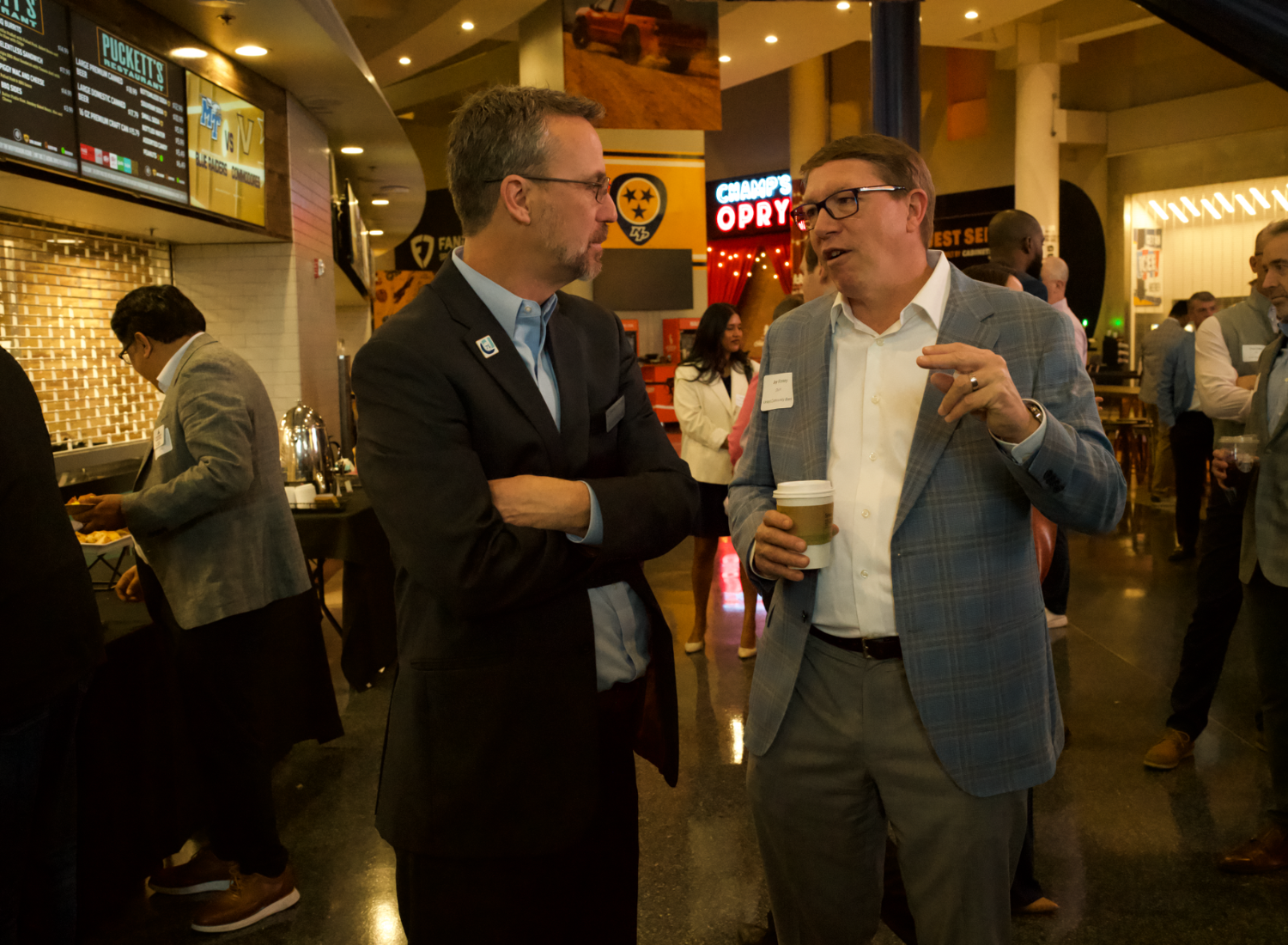
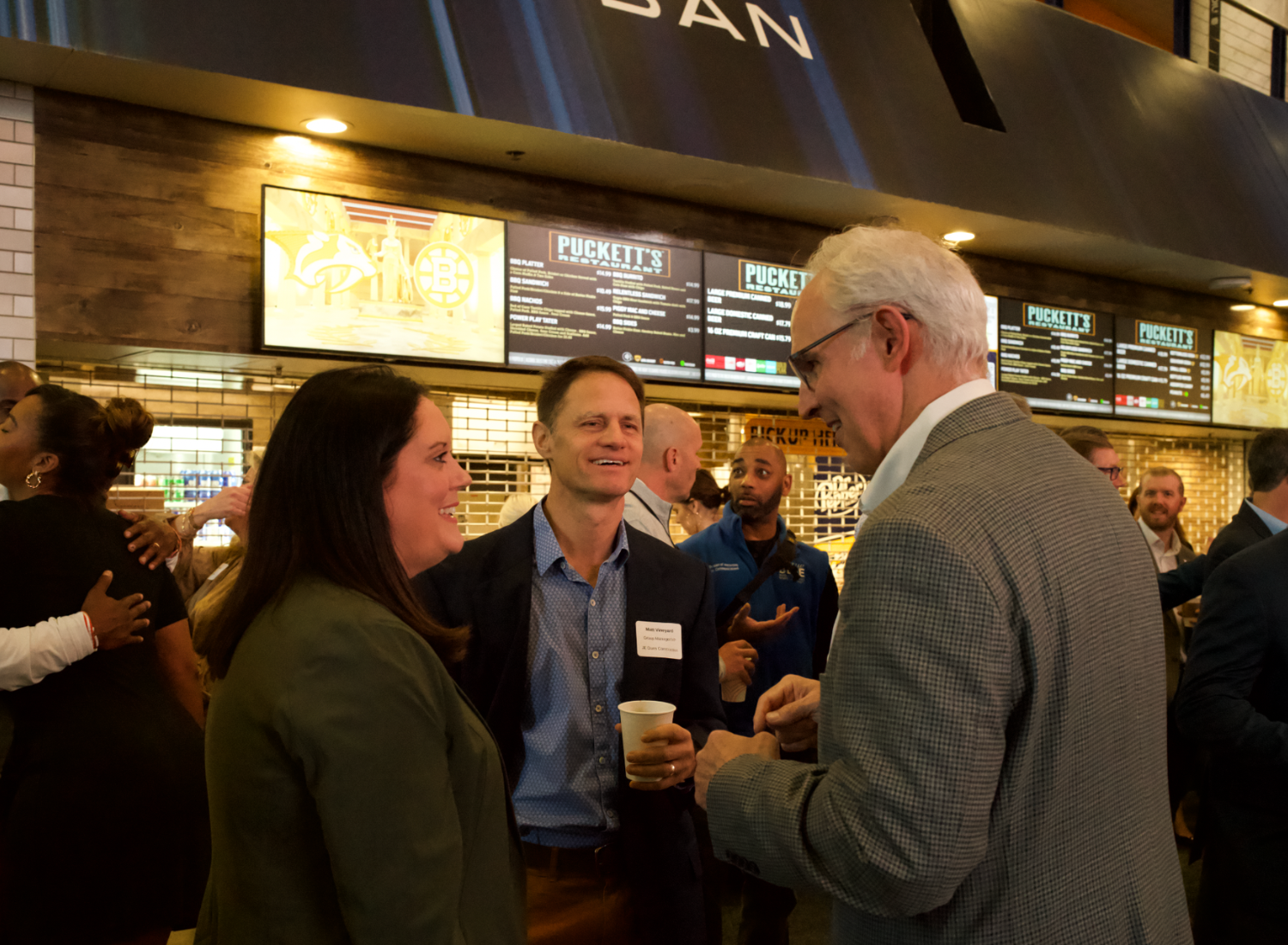
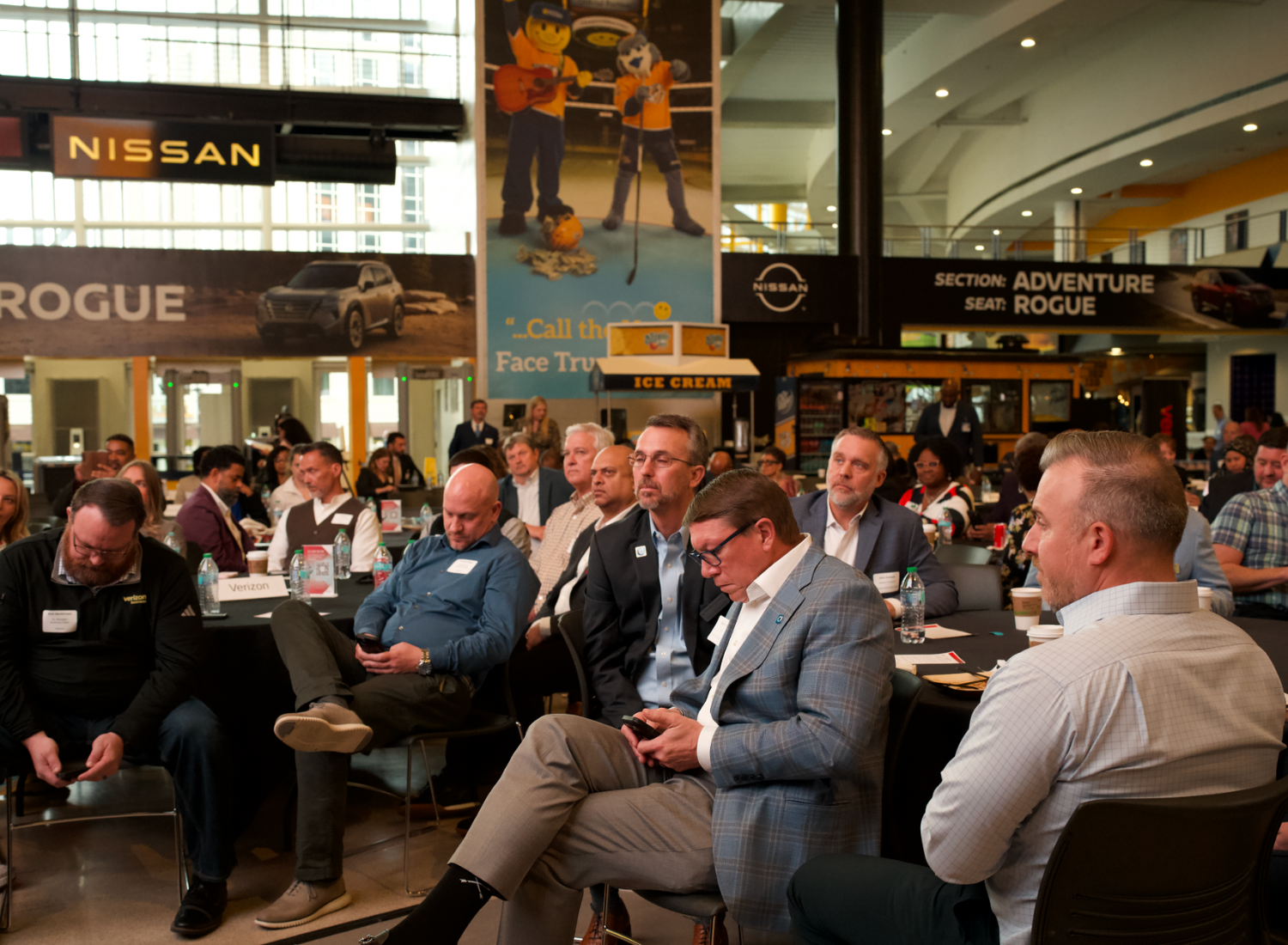
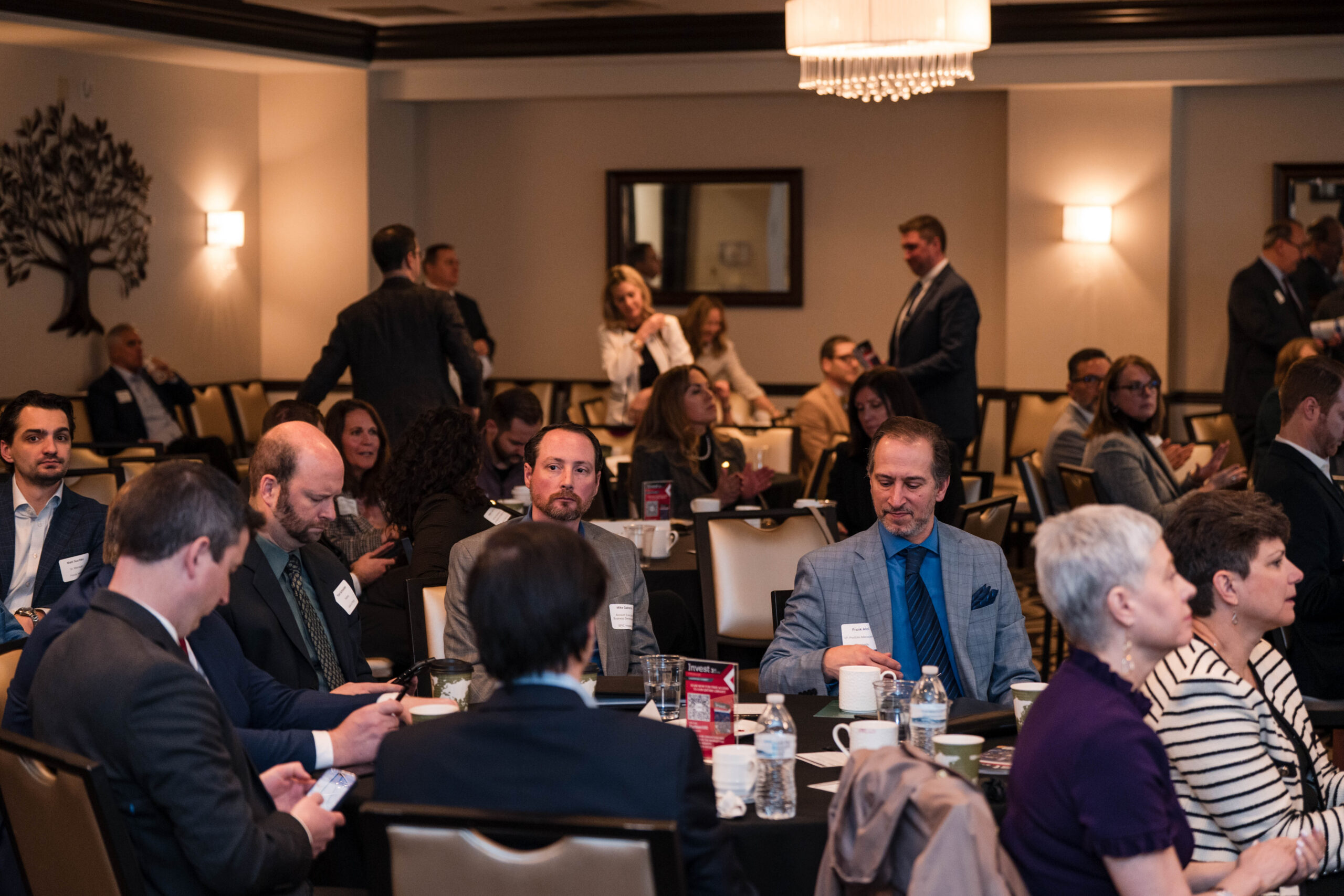
March 2026 — The Invest: Nashville 4th Edition Leadership Summit gathered 350 business and civic leaders to discuss how infrastructure investment and institutional development are affecting the region’s growth and planning.

The event brought together executives from real estate, construction, healthcare, education, and finance for a morning of panel discussions on infrastructure, higher ed and healthcare-related development, and real estate outlook.

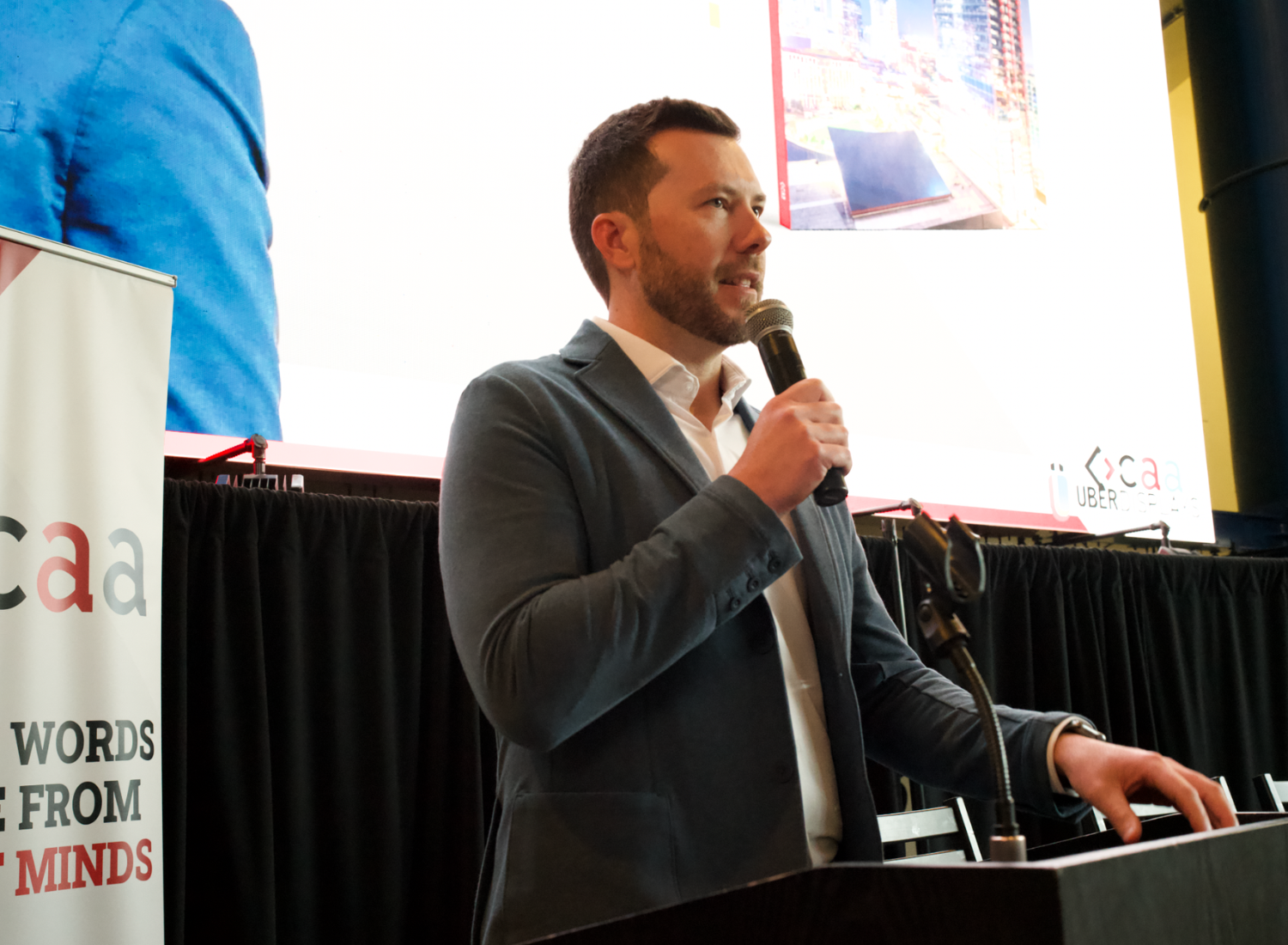
Abby Lindenberg, founder and CEO of caa, opened the program by reflecting on the people driving Nashville’s continued growth. “When I look out at all of you, I don’t just see titles or companies, I see builders,” she said. “I see people who show up and who stay when things get hard. I see people who believe, like I do, that business is better together, and that real relationships are built face-to-face, in rooms like this one.”

Lindenberg also pointed to Nashville’s recent economic performance, highlighting the alignment between employers, developers and regional leaders working to address regional challenges.

In a letter shared with attendees, Nashville Mayor Freddie O’Connell echoed that sentiment, writing that “the gathering of senior executives, developers, lenders, public-sector stakeholders, and nonprofit leaders at this conference is a testament to the thoughtful collaboration and innovation needed to move the Middle Tennessee region forward.”

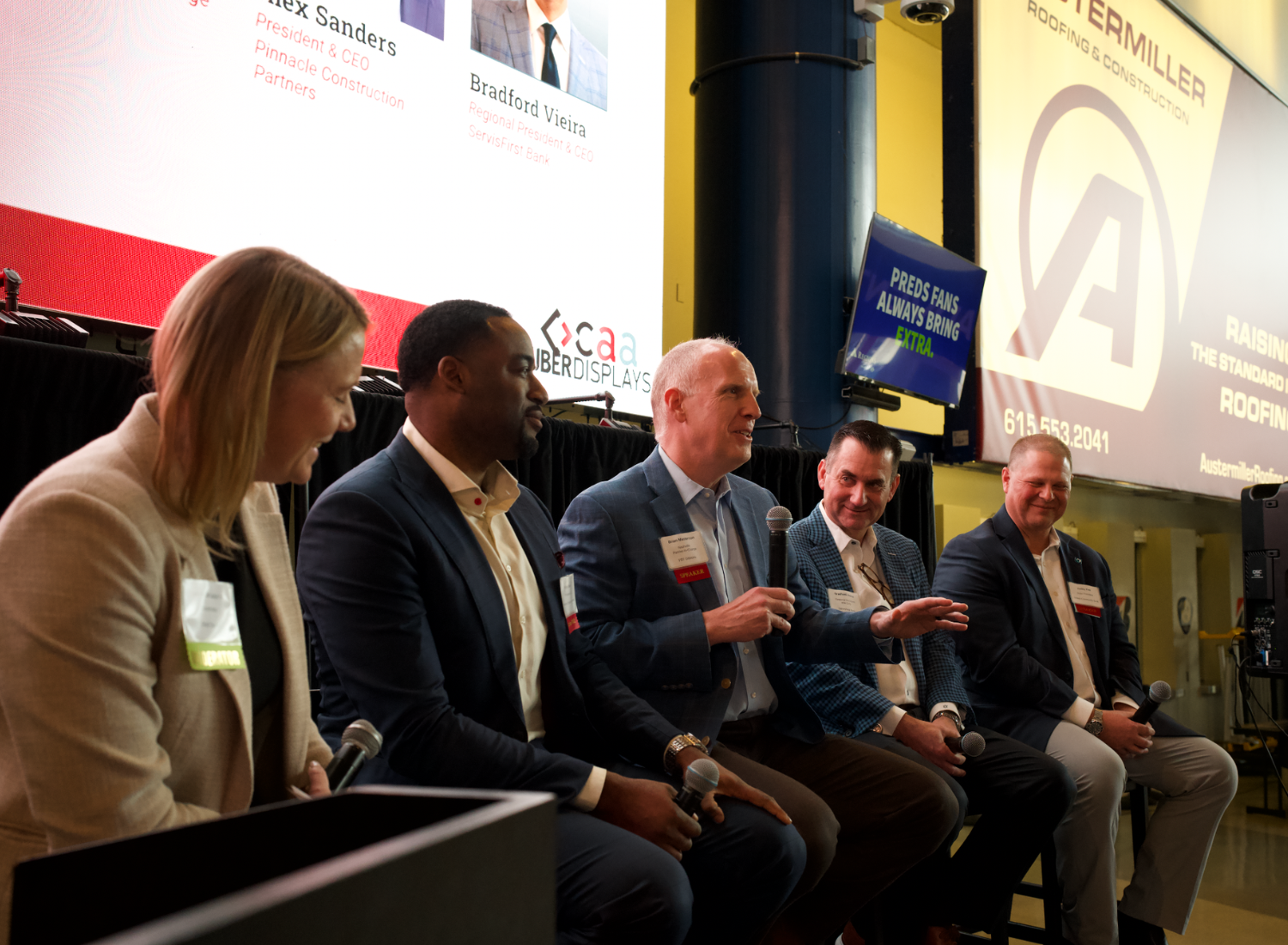
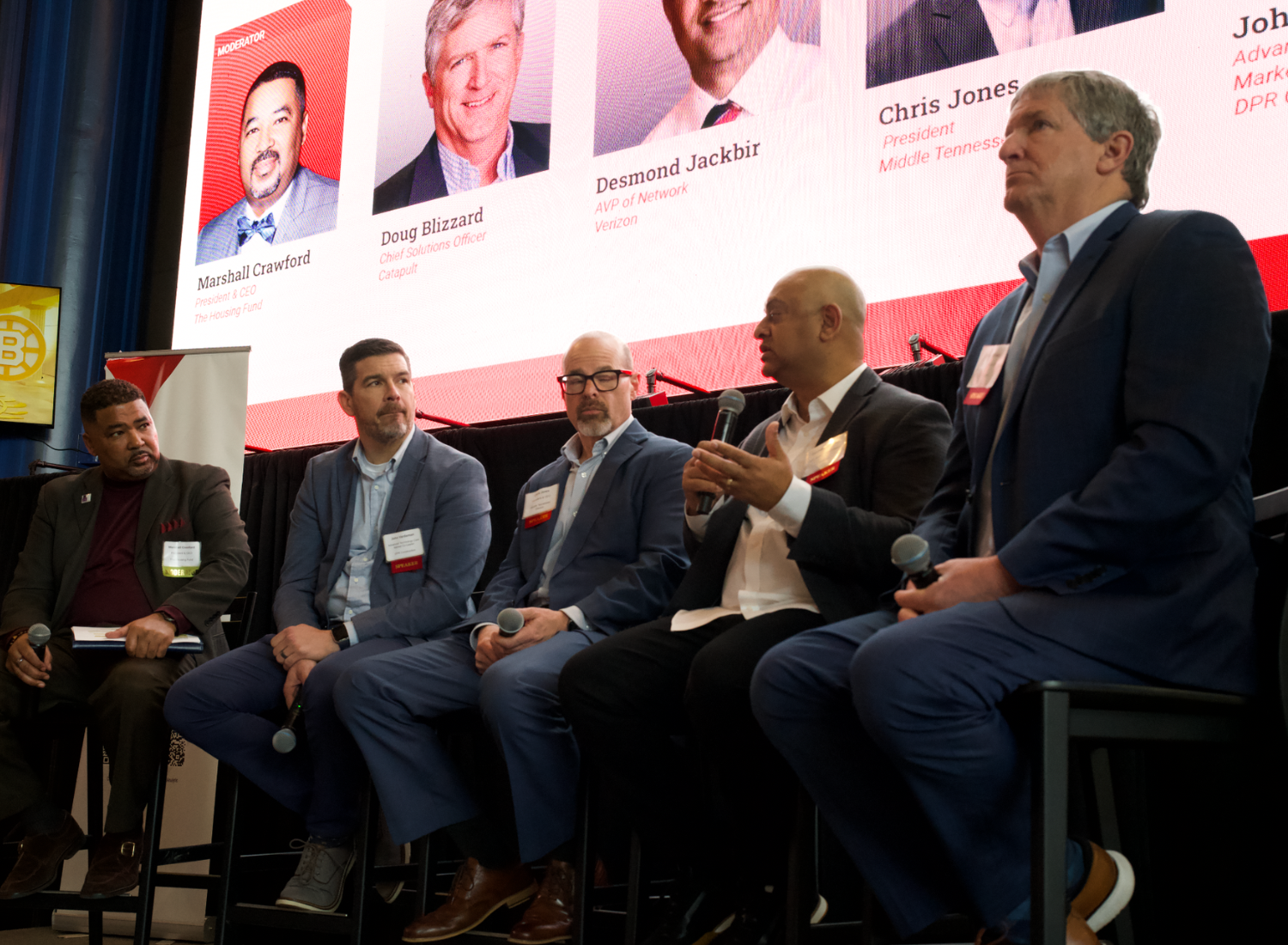
Panel discussion during Invest: Nashville leadership summit

In a welcome address, Kyle Clayton, chief strategy officer of the Nashville Predators, shared how major projects and civic partnerships influence the city’s future.

(Become a member today to access the latest edition of Invest: Nashville)

Infrastructure as a catalyst for growth

The opening panel “Bridging Progress: How mobility and infrastructure development are unlocking new real estate opportunities, and the key challenges moving forward,” examined the factors supporting projects across the region. 

The session was moderated by Marshall Crawford, president and CEO of The Housing Fund, and included Doug Blizzard, chief solutions officer of Catapult; Desmond Jackbir, AVP of network at Verizon; Chris Jones, president of Middle Tennessee Electric; and John Vardaman, advanced technology core market co-leader at DPR Construction.

Panelists discussed the growing complexity of projects, particularly as infrastructure systems, digital connectivity, and workforce needs become more interconnected. Blizzard pointed to demographic changes and emerging technologies as forces that organizations must actively plan for. 

“In moments like these, organizations must rethink their positions, how they use AI, the types of employees they rely on, and how they prepare for the demographic cliff in the U.S,” said Blizzard. 

Vardaman highlighted the operational challenges that come with increasingly complex projects, emphasizing the importance of working together. “The constraint that I see is on the predictability of projects,” he said. “They are so much more complex and getting them aligned is critical. By having a trusted team, you can navigate potential issues.”

Research and regional economic activity 

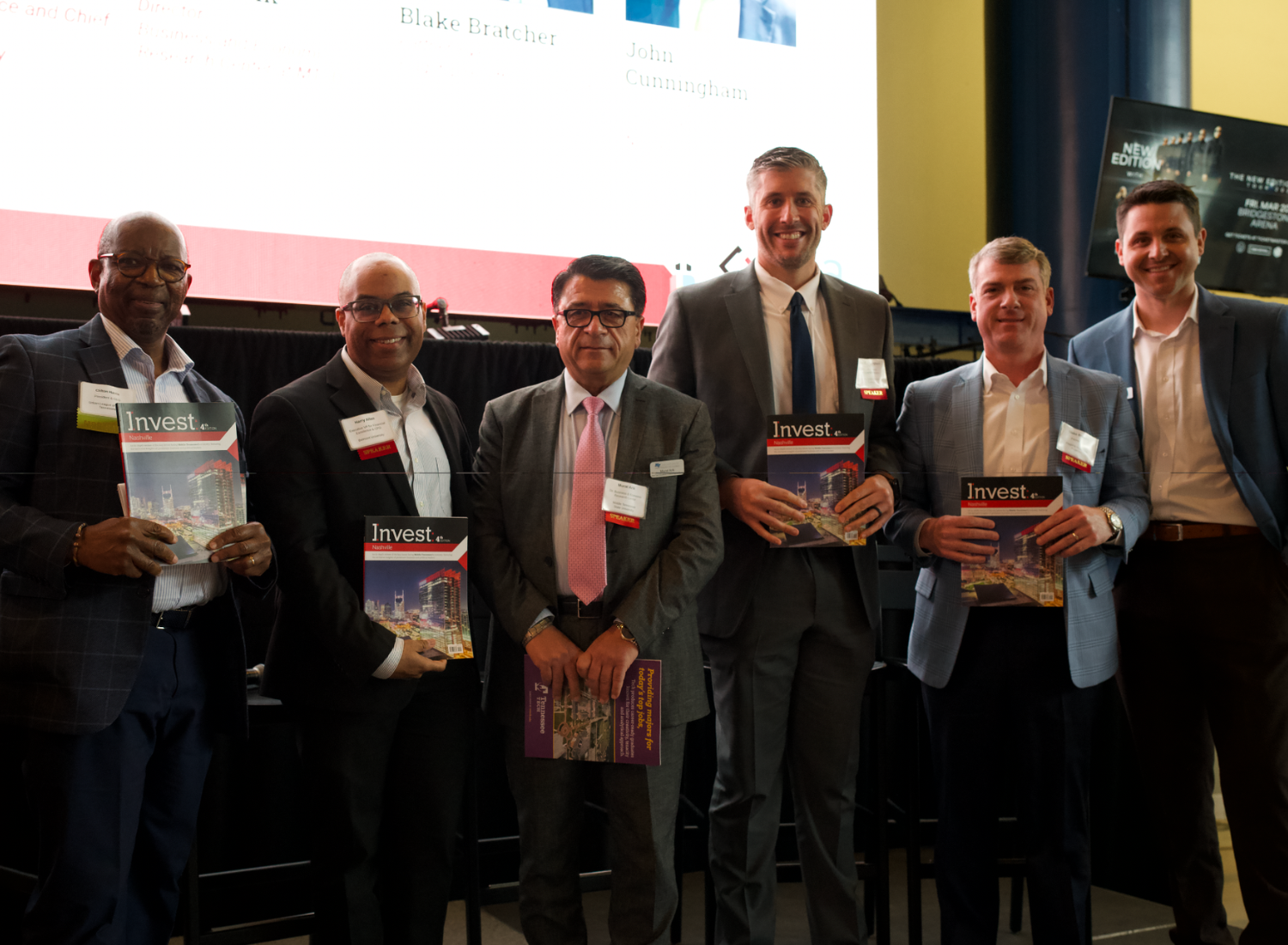
The second panel “Healing Grounds: How healthcare and education campus developments are driving real estate growth, and how the wider community benefits from these projects,” looked at how large institutional investments influence regional developments. The panel was presented by Paul Allen, president and CEO of Wealth Strategies Partners, and moderated by Clifton Harris, president and CEO of the Urban League of Middle Tennessee.

Panelists included Harry Allen, executive vice president of financial excellence and chief financial officer at Belmont University; Murat Arik, director of the Business and Economic Research Center at MTSU; Blake Bratcher, partner and EVP at Flagship Healthcare Properties; and John Cunningham, director of healthcare partnership solutions at Nashville State Community College. 

Speakers talked about the role of universities, healthcare providers, and training institutions as anchors that shape the physical and economic landscape of the region. Allen emphasized the importance of trust in the city’s growth. “Relationships are economic infrastructure,” Allen said. “In Nashville, we benefit from building those relationships and understanding how our institutions contribute to the region.”

Healthcare development was described as a catalyst for job creation and community investment. Bratcher noted that new healthcare facilities generate employment during construction and long after the projects are completed, while also pointing to a broader shift in care delivery. “We are seeing transformational change in healthcare. The model is moving into decentralized hubs, from hospitals and acute care to locations closer to where patients live,” he said.

Development in a shifting economic environment

The final panel, “Uncertain Outlook: How a rapidly changing economy is reshaping Nashville’s real estate market, and the priorities that will ensure long-term success,” focused on the financial and market conditions influencing development decisions across the region. Presented by George Crawford, business services group, assistant practice group leader at Butler Snow LLP, and moderated by Bobbi Jo Lazarus, shareholder at Elliott Davis, the discussion featured Kelley Kee, Tennessee state president of United Community Bank; Brian Masterson, Nashville partner-in-charge at FBT Gibbons; Alex Sanders, president and CEO of Pinnacle Construction Partners; and Bradford Vieira, regional president and CEO of ServisFirst Bank.

Panelists discussed the impact of high borrowing costs, tighter capital markets, and evolving lender expectations on how projects are evaluated and financed. While demand remains strong across Middle Tennessee, speakers noted that developers and financial institutions are approaching projects with greater discipline, placing increased emphasis on location, tenant demand, and other fundamentals that signal long-term viability. 

The conversation also focused on how uncertainty is influencing the pace of development. Some projects are moving forward more cautiously as investors balance long-term opportunity with short-term economic volatility. At the same time, panelists emphasized that the region’s underlying growth trends, including population gains, job creation, and corporate expansion, continue to support long-term investment across the region.

Regional momentum

The summit concluded with remarks from Shain Collins, executive director for Invest: Nashville, who reflected on the themes discussed throughout the morning. “Considering the project updates from the Preds and the panel discussions, it was an easy decision to center this year’s summit on real estate and construction,” he said. “Thoughtful, intentional growth will be key to shaping Middle Tennessee’s future.”

He also highlighted the strong regional participation represented both at the event and in the Invest: Nashville report. “The mantra of ‘a rising tide lifts all boats’ rings true here. From Clarksville-Montgomery to Maury, from Rutherford to Putnam, it’s a privilege to spotlight the stories that make Middle Tennessee such a dynamic place to work, play and live.”

Interested in reading the Invest: Nashville report? Sign up today!

Subscribe to Our Newsletters

Address(Required)
Would You Like To Receive Our National Newsletter?(Required)
Interests
Markets
This field is hidden when viewing the form

West Palm Beach’s rise as a venture capital powerhouse

Key points:

  • • West Palm Beach is rapidly expanding as a venture capital hub, capturing a growing share of Florida deal flow.
  • • Major raises and inbound migration are reinforcing its credibility as a scaling market for tech and growth companies.
  • • Firms are shifting toward advisory and connector roles to link founders with capital and support expansion.

Palm BeachMarch 2026 — In just two years, West Palm Beach has become one of the Southeast’s most active venture capital markets, capturing a growing share of Florida’s deal flow. Yet its rise as a VC hub is being driven not only by deal volume, but also by its growing ability to connect founders with venture capital and private equity firms at scale, especially as more companies across the nation migrate south.


Join us at caa’s upcoming leadership summits! These premier events bring together hundreds of public and private sector leaders to discuss the challenges and opportunities for businesses and investors. Find the next summit in a city near you!


“The growth has been explosive,” Paul Gabriele, a partner in EisnerAmper’s private client services, technology, and life sciences practices, told Invest. “There has been a significant influx of new companies and individuals relocating to West Palm Beach,” creating a key regional startup ecosystem.

Florida startups raised $2.85 billion across 270 deals in the first half of 2025, cementing the state’s position as one of the fastest-growing VC markets in the nation. The Miami-Broward-Palm Beach metropolitan area accounted for $2.02 billion across 161 deals, representing the majority of statewide investment.  

Before that, in 2024, Miami-Dade and Palm Beach County accounted for 67% of all venture capital dollars invested statewide and 61% of all completed deals, according to eMerge America’s Florida Venture Capital 2024 Annual Report.

West Palm Beach also contributed to the largest venture capital deal in the state that same year when Vultr — a cloud infrastructure company headquartered in the region — raised $333 million at a $3.5 billion valuation.

That deal represented a turning point for the region, signaling to out-of-market investors that large-scale,high-growth tech companies could scale beyond traditional venture hubs such as Silicon Valley, Boston, and New York City.

U.S. real estate mogul Stephen Ross told the Palm Beach Post that the region could become the next Silicon Valley, especially given the pace at which it continues to develop its emerging tech startup ecosystem and attract young, skilled professionals. 

At the same time, the surge of capital in the region is extending even beyond early-stage companies and pure tech plays, as Gabriele noted.

“The middle market is experiencing significant growth in Palm Beach,” he said, adding that EisnerAmper continues to see strong demand from technology and biotech firms, particularly those with $10 million to $20 million in revenue, as they prepare for expansion or eventual exit.

Gabriele also observed that the region’s expanding middle market, particularly across technology, life sciences, real estate, and hospitality, is creating attractive targets for VC and private equity investment, supporting increasingly concentrated activity.

Florida’s lack of a state income tax further enhances that appeal, offering a competitive advantage that relatively few states can match and improving capital efficiency for both founders and investors.

Beyond tax policy and deal volume, talent and collaboration have become critical drivers of the ecosystem’s growth. Florida’s major universities — including the University of Florida, Florida State University, and the University of Miami — are playing a growing role in supplying research talent and driving entrepreneurial activity. Combined with a high quality of life that appeals to younger founders, the state has become an increasingly attractive place to start and scale companies.

Yet, for Gabriele, the real opportunity lies in bridging the gap between entrepreneurs and capital. He noted that professional services firms that can tap into the role of ‘connectors’ and ‘facilitators’ are becoming an integral part of Palm Beach’s VC ecosystem.  

EisnerAmper illustrates that shift. The firm first entered Palm Beach County in 2021 through its acquisition of Caler, Donten, Levine, Cohen, Porter & Veil, P.A., expanding its footprint north from Miami and Fort Lauderdale. Since then, it has adapted rapidly as client expectations shifted away from purely compliance-driven relationships towards strategic advisory.

“Traditionally, our industry was heavily compliance-focused,” Gabriele said. “While clients still expect those services, they now demand more strategic support. They look to us for business growth insights, financial analysis, and introductions to other professionals who can add value.”

Today, EisnerAmper plays an active role connecting entrepreneurs with venture capital and private equity firms, helping companies align financial strategy with growth objectives and exit planning. “Our ability to sit with clients, listen to their needs, and make meaningful introductions is a significant differentiator,” Gabriele said. “We view our role as investing in our clients’ success.”

Gabriele anticipates substantial growth operating within this niche. “The accounting profession is poised for significant transformation over the next five to 10 years.”

With venture activity in West Palm Beach expected to mature alongside increased technology adoption and sustained population growth, EisnerAmper and other professional services firms are preparing for a more advisory-driven future to create value.

“Being a connector and facilitating relationships is just as important as technical expertise,” Gabriele said.

Want more? Read the Invest: Palm Beach report.


Trading cubicles for suites? The new class-A office paradigm

Key points:

  • • Class-A office is outperforming as tenants consolidate into higher-quality, amenity-rich buildings despite elevated overall vacancy.
  • • New construction has slowed sharply while demolitions and conversions rise, tightening supply of top-tier space.
  • • Investor activity reflects this selectivity, with A and A+ assets gaining value as older inventory faces refinancing and repositioning pressure.

Class-A OfficeMarch 2026 — As the national office market struggles to find its balance, one segment continues to run ahead of the pack: the top-end class-A office.


Join us at caa’s upcoming leadership summits! These premier events bring together hundreds of public and private sector leaders to discuss the challenges and opportunities for businesses and investors. Find the next summit in a city near you!


While vacancy rates remain elevated overall, and older office stock continues to struggle, class-A properties in strong locations are leasing more consistently as companies focus on improving the quality of their workplace environments.

“The office sector is showing signs of stabilization, with the flight-to-quality driving demand for class-A properties that align with tenant needs,” said Kevin Welsh, executive managing director at Newmark in New Jersey, during an interview with Invest: New Jersey

That shift is becoming more visible across regions. Rather than expanding their footprints, many tenants are consolidating into fewer, better buildings, prioritizing amenities, location, and employee experience over sheer square footage.

Adjusting Through Supply

Part of the stabilization in the class-A office space is tied to supply. Development activity has slowed significantly. U.S. office completions are projected to fall by 75% this year, and most of the remaining pipeline is already pre-leased.

At the same time, more office space is being removed from the market than added. CBRE data reports that 23.3 million square feet of office space is slated for demolition or conversion this year, compared to just 12.7 million square feet of new construction in the largest U.S. markets. This marks a notable turning point after decades of steady expansion.

While overall national vacancy remains around 18% since the beginning of 2026, the contraction of outdated inventory is gradually helping to rebalance the market, particularly for higher-quality assets.

In practical terms, there is less new top-tier supply coming online, and much of what does deliver is already committed.

Flight to Quality 

Across markets, leasing activity continues to concentrate in modern, amenity-rich buildings.

In Pittsburgh, Mamadou Baldé, managing director at CBRE, has seen this divergence intensify. “Everyone is dealing with the flight to quality. Class B is facing challenges that increase vacancies, while class-A demand remains healthy for amenity-rich buildings,” he said in an interview with Invest: Pittsburgh.

Tenants are often taking less space than they did pre-pandemic, but they are choosing higher-quality properties. Cushman & Wakefield data shows that among class-A+ buildings, peak midweek usage has recovered to 93% of pre-pandemic levels. Additionally, roughly half of all class-A U.S. office buildings are either fully occupied or maintain vacancy rates below 10%.

In a conversation with Invest: Greater Orlando, Andrei Savitski, executive vice president at CBRE, describes 2025 as a pivotal year for recovery. “Tenants are concentrating heavily on class-A buildings, and the gap between class-A and lower-quality assets continues to widen.”

This pattern suggests that demand has not disappeared, it has become more selective.

Why Experience Now Matters More Than Ever

A key reason behind sustained class-A Office demand is the growing emphasis on workplace experience.

JLL research indicates that 73% of employees say more greenery near their workplace would improve well-being, and 74% prefer spaces that feel personalized. Importantly, when employees rate their workplace experience positively, 84% also feel supportive of attendance expectations.

In other words, companies are recognizing that if they expect employees to return to the office more consistently, the space itself has to offer something meaningful.

Modern class-A buildings are increasingly designed around this reality. Features such as wellness amenities, collaborative common areas, integrated retail, walkable neighborhoods, and technology-enabled access are no longer considered luxuries; they are part of the competitive equation.

JLL also notes that offices located in lifestyle districts can command a 32% rental premium in the United States, reflecting the value tenants place on proximity to restaurants, entertainment, and transit.

Investment Activity Reflects Selectivity

Capital markets are responding accordingly.

Prices for A and A+ office properties increased 7.5% year-over-year in 2025, outperforming lower-tier assets. Cushman & Wakefield describes the current cycle as a “generational reset,” particularly for well-located, modern buildings that may face limited future competition due to historically low construction starts.

In South Florida, Jordan Rathlev of Related Ross highlighted how lifestyle class-AA+ offices became a central focus of development strategy, reflecting long-term confidence in high-quality assets.

“When the pandemic hit, we purchased and built a considerable amount of class-A office space. As migration accelerated, we expanded our focus to include luxury rentals, affordable housing, lifestyle class-AA+ office, luxury condominiums, as well as new retail and hotel developments”, Rathlev told Invest: Palm Beach.

Meanwhile, lower-quality buildings continue to face refinancing pressure and may require renovation, repositioning, or conversion to alternative uses.

A More Selective Recovery

The office market is not recovering evenly, and challenges remain for older inventory. However, the data suggests that class-A buildings, particularly those in walkable, amenity-rich environments, are stabilizing faster and, in many markets, performing relatively well.

With office construction starts totaling just 0.2% of inventory over 2025, and demolition outpacing new deliveries, the long-term supply of trophy office space is becoming more constrained.

As tenants continue to prioritize quality, flexibility, and employee experience, class-A office demand appears positioned to remain resilient. The broader sector may still be adjusting, but the highest-performing buildings are demonstrating that when the product aligns with tenant expectations, leasing activity follows.

Want more? Read the Invest: reports.

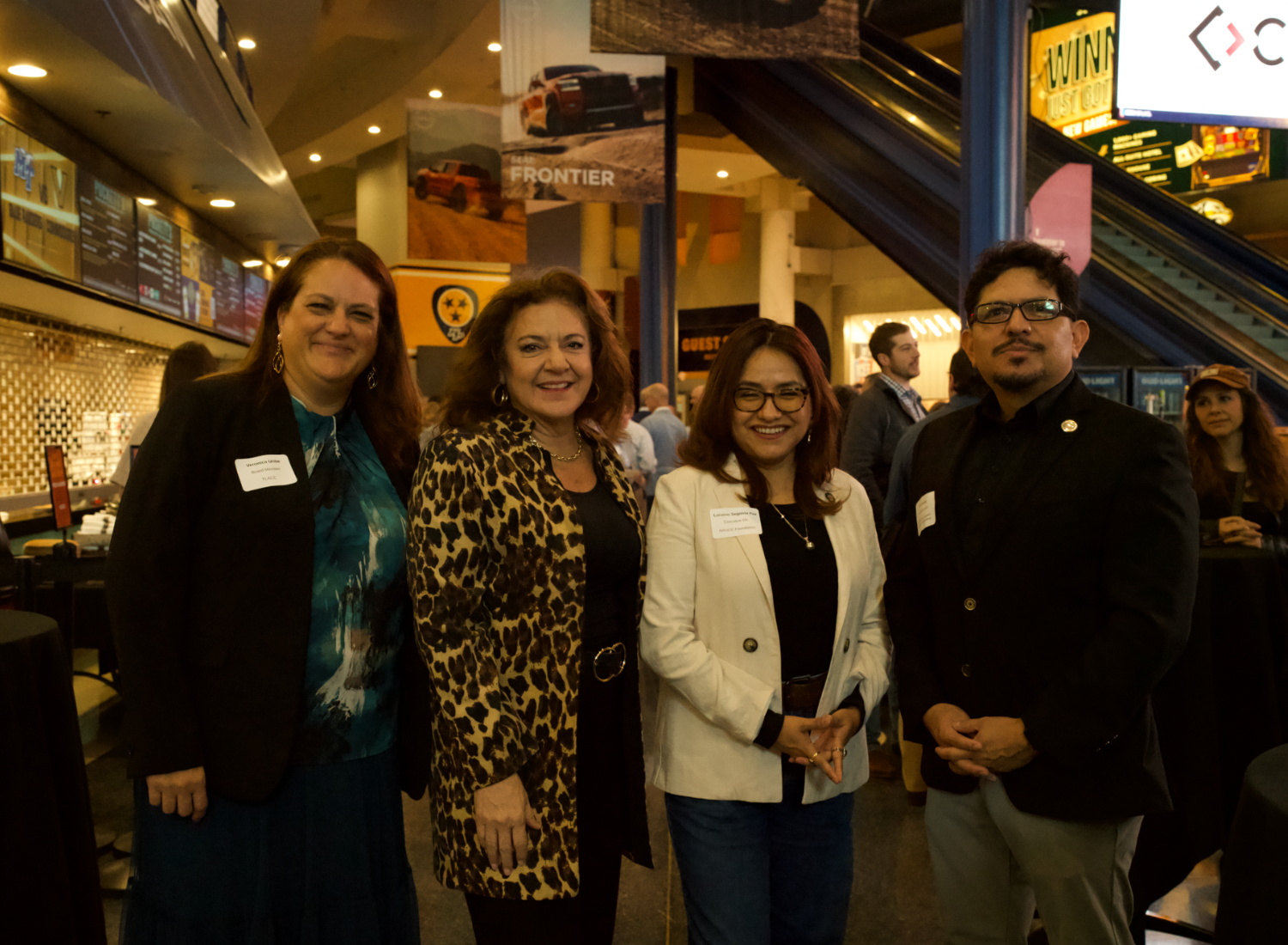
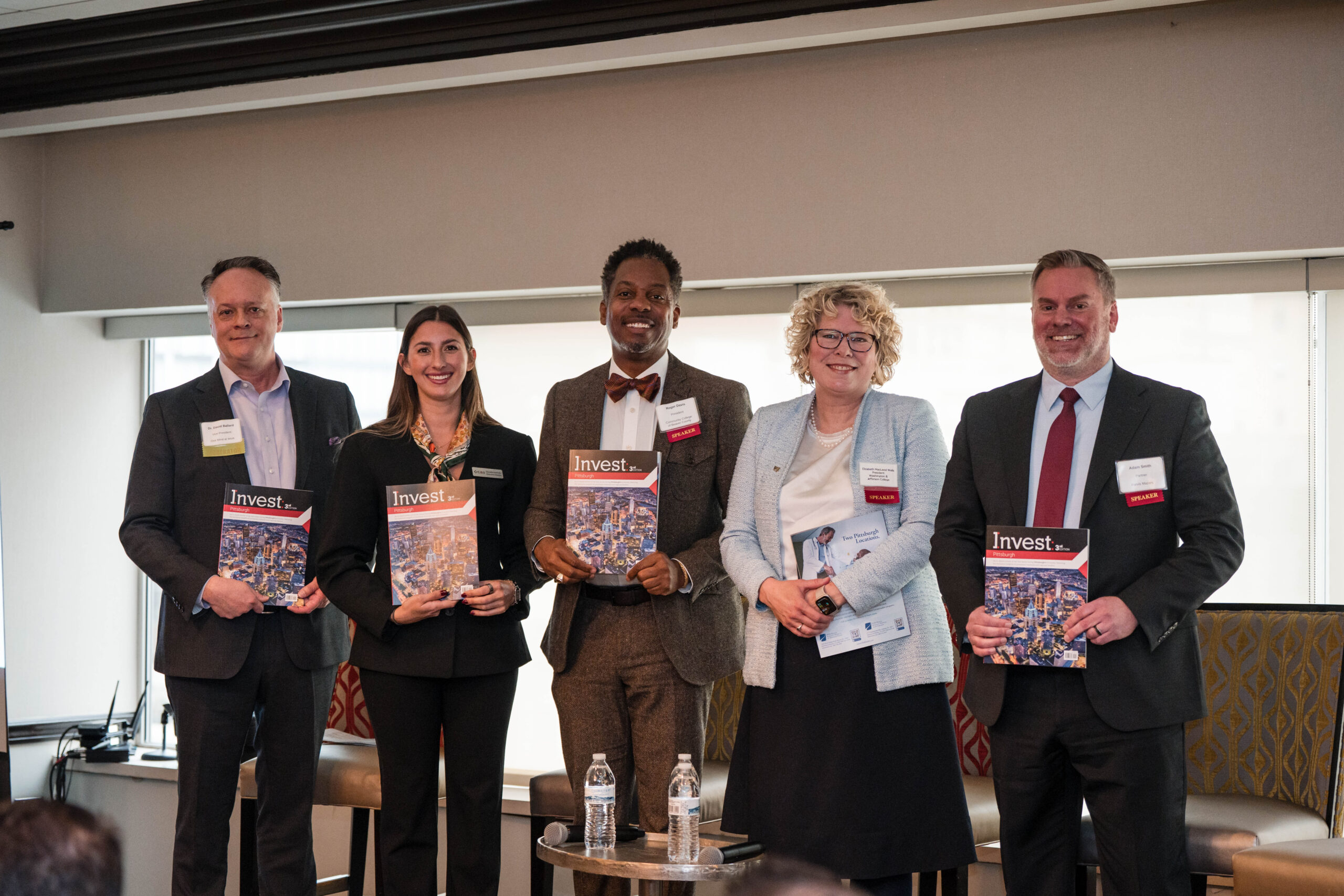
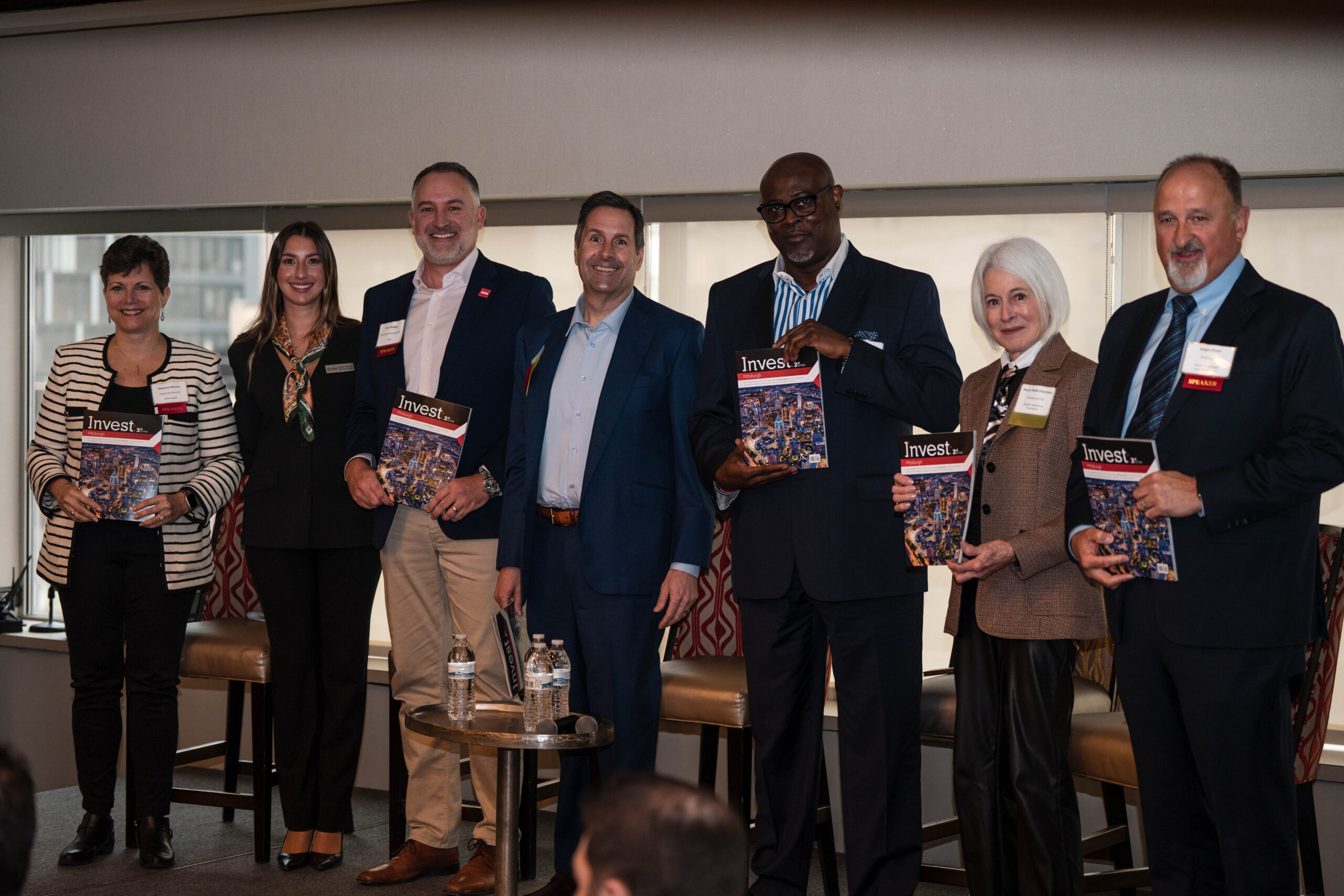
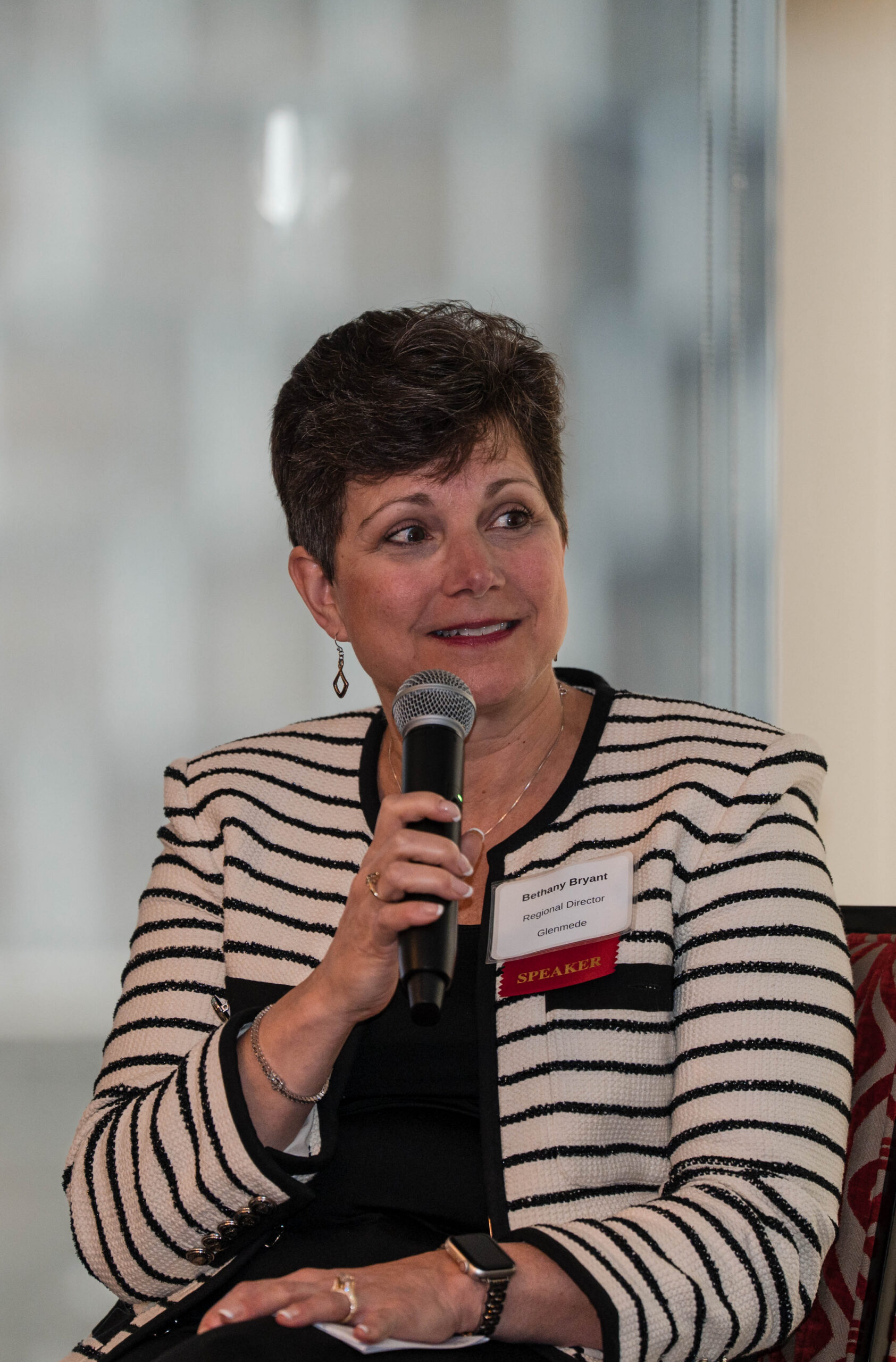
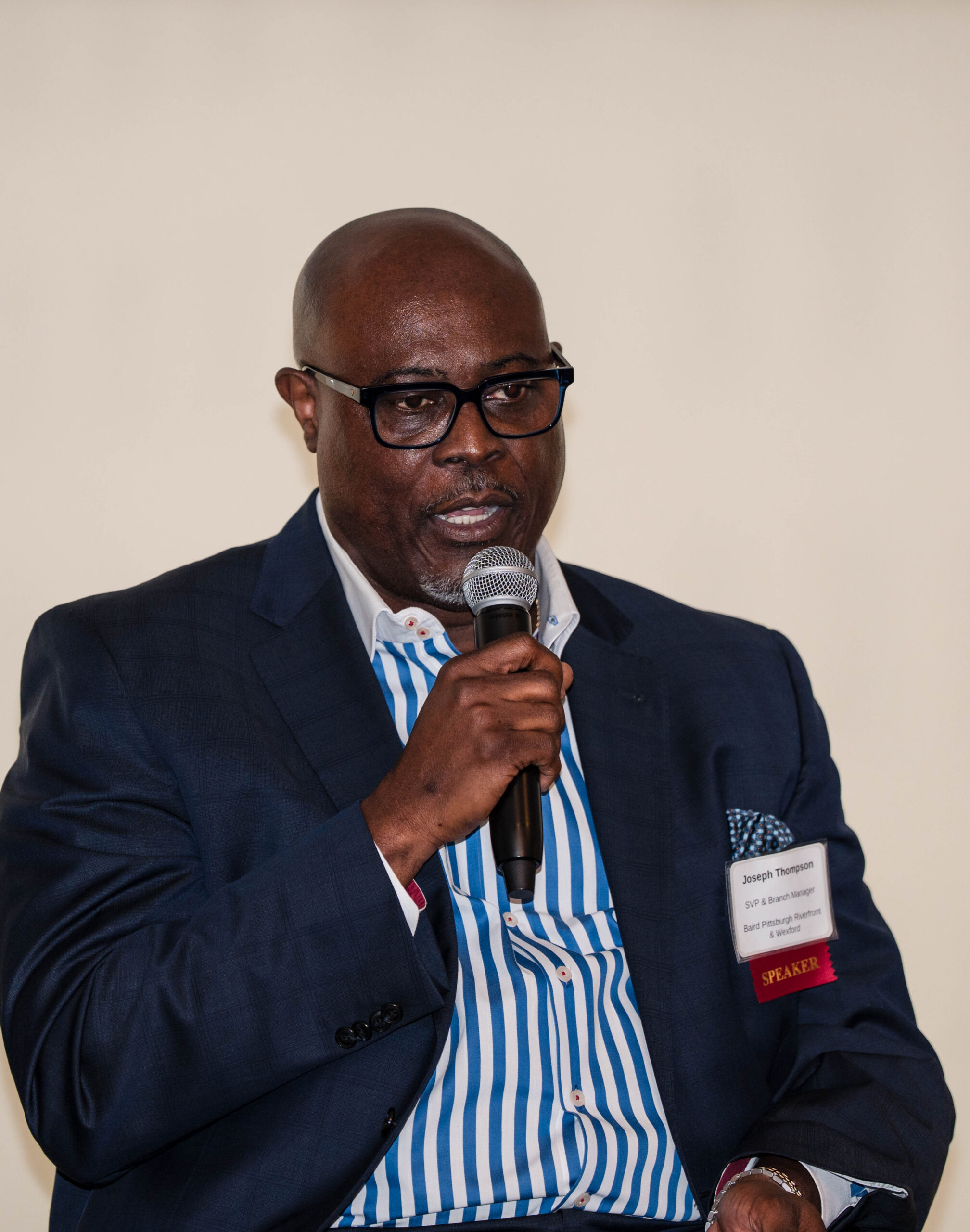
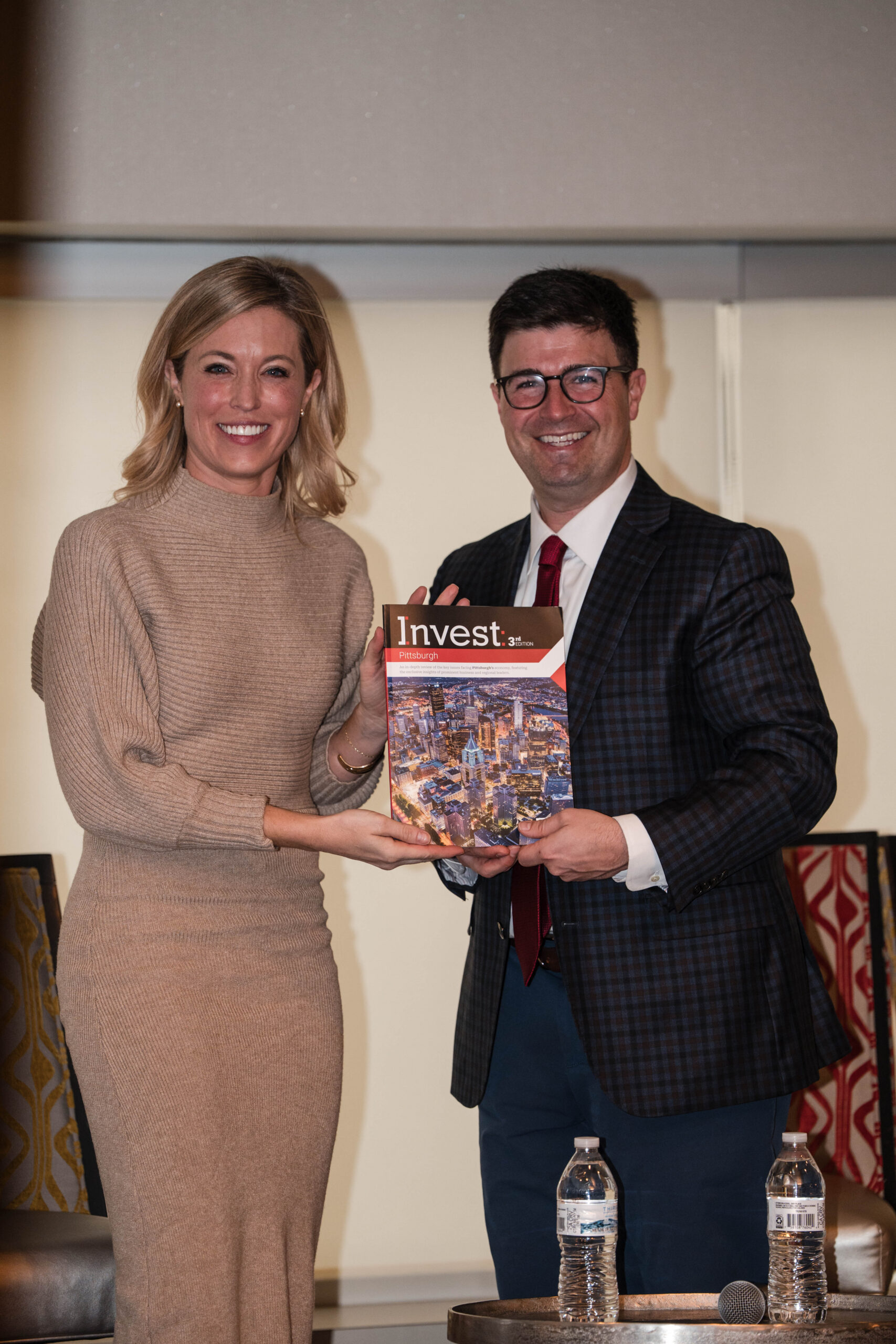
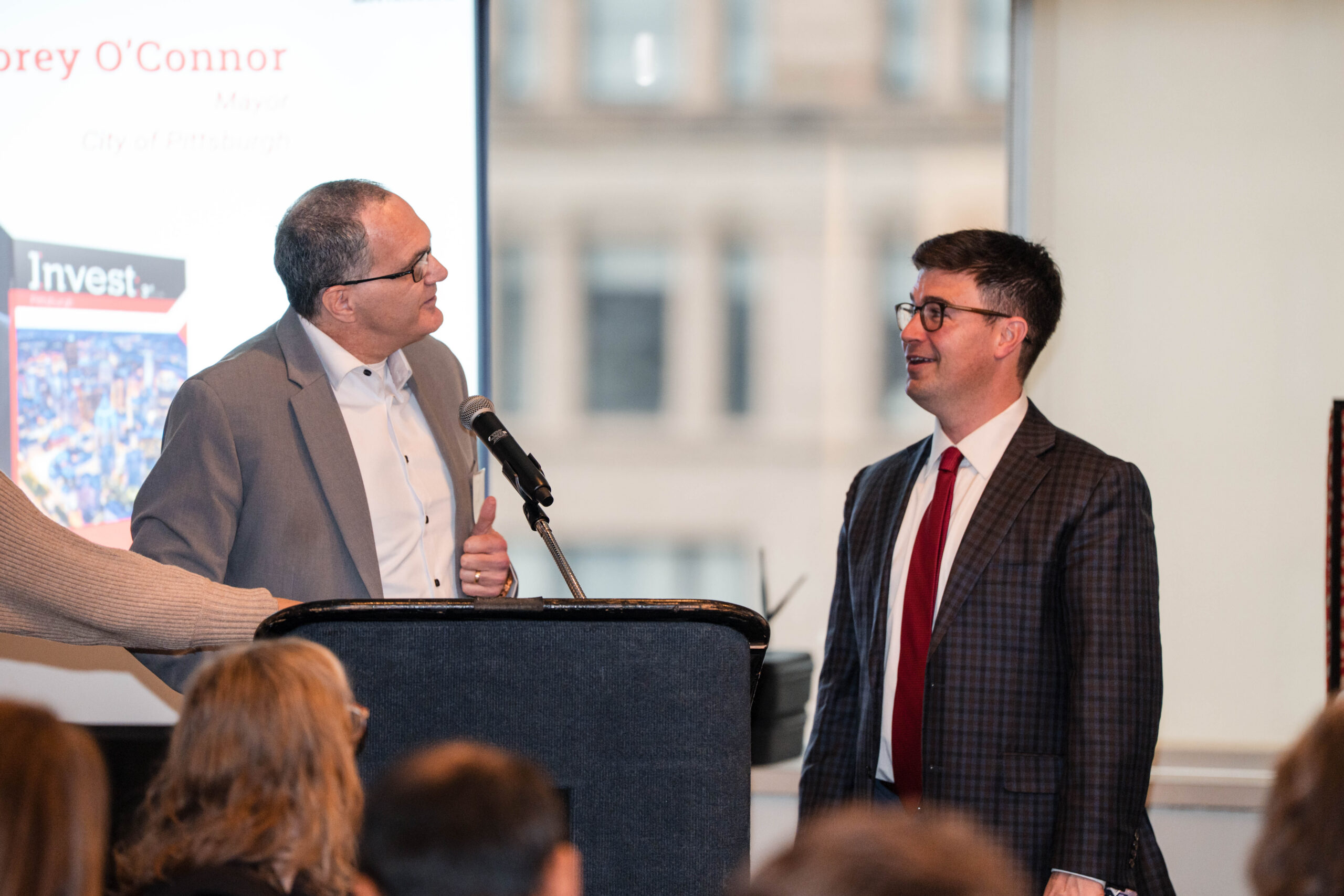
Invest: Pittsburgh 3rd Edition Leadership Summit – Photo Gallery

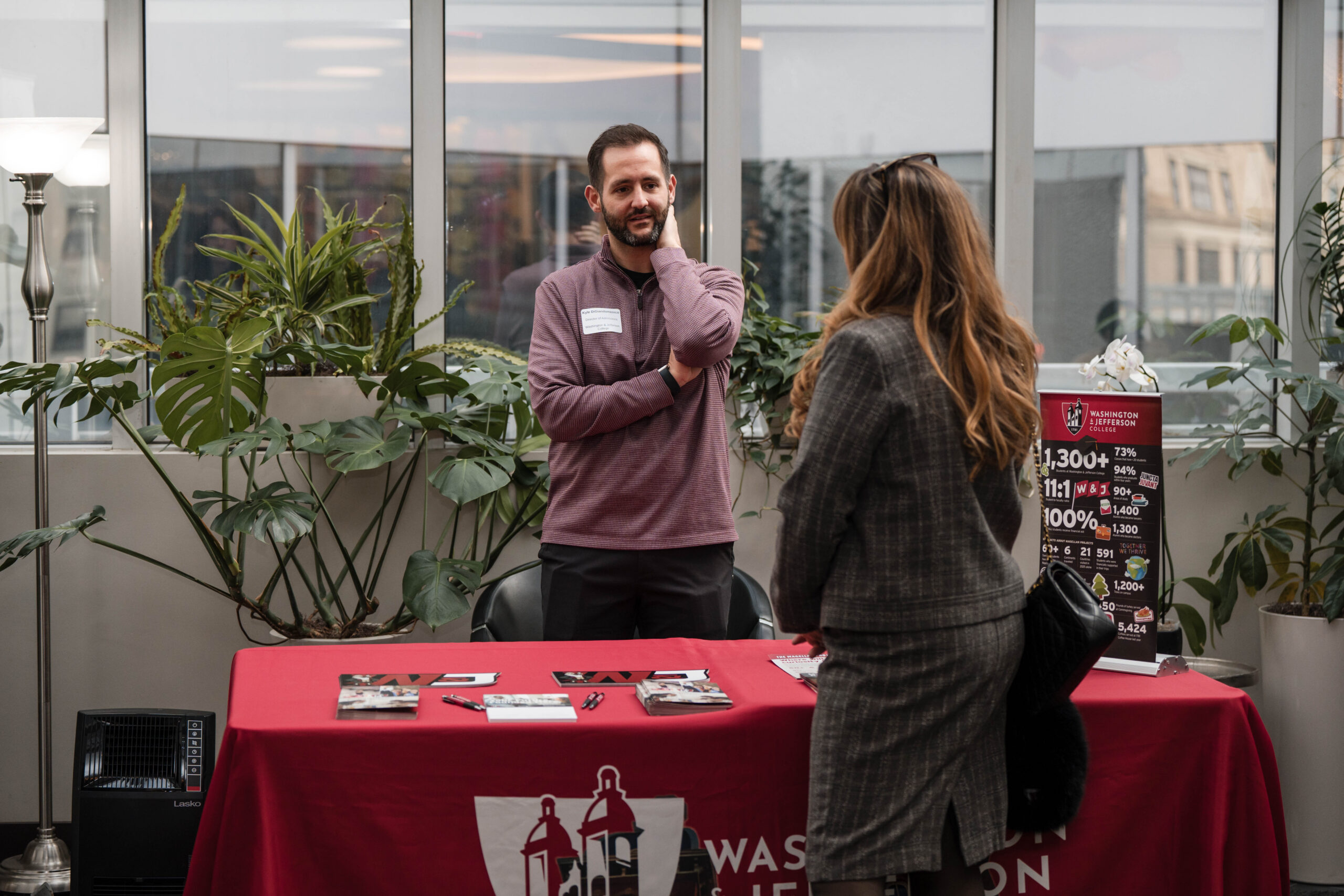
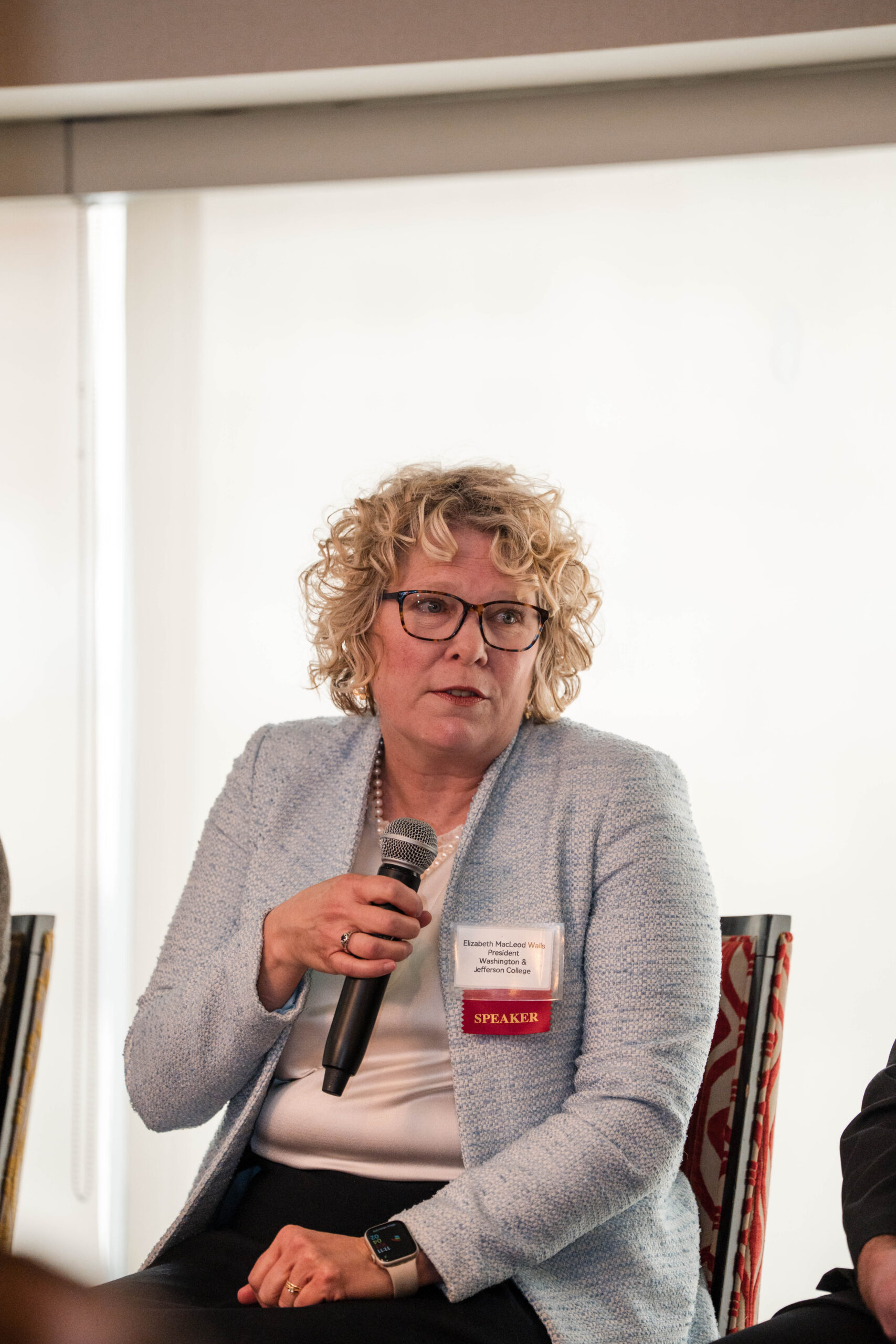
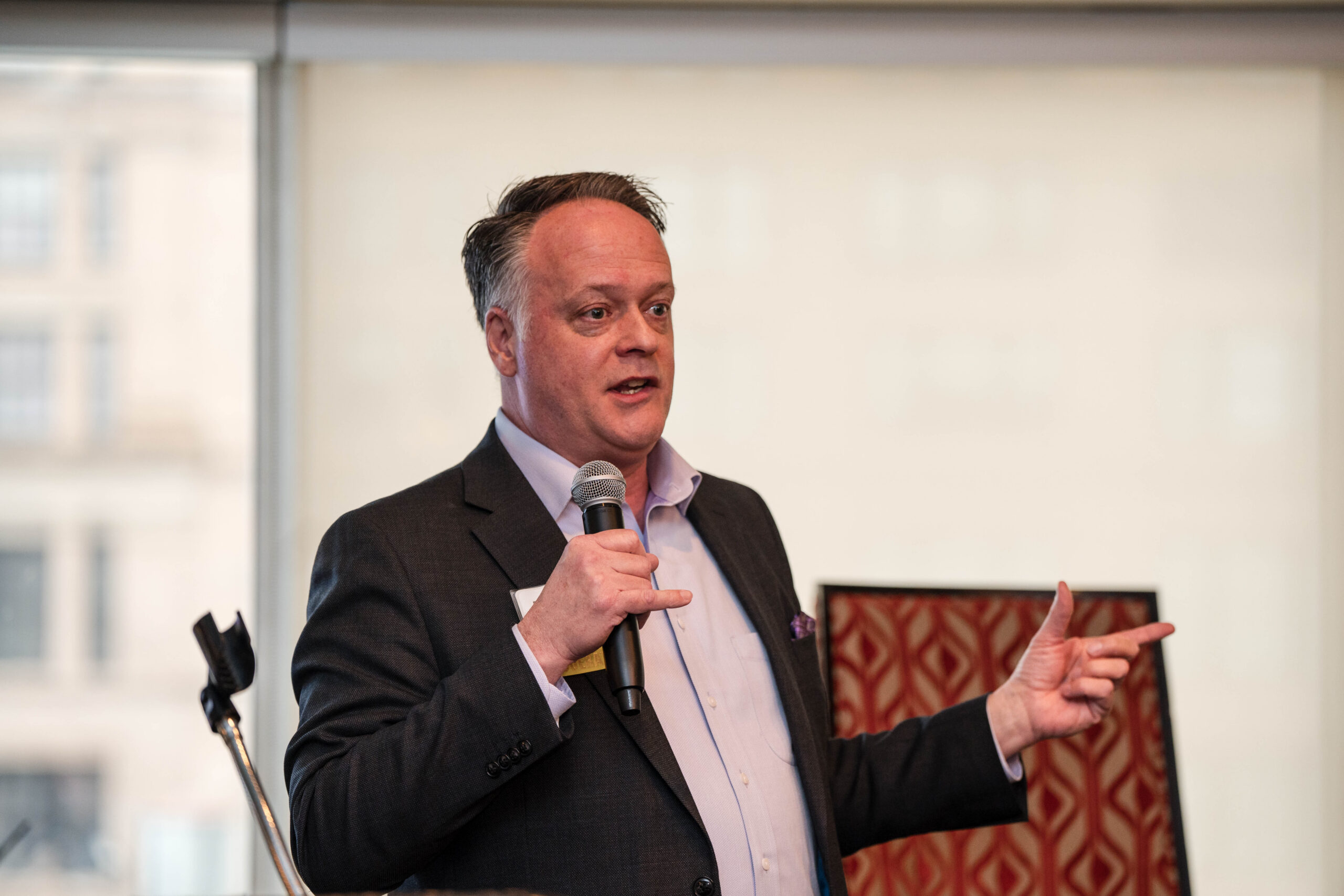
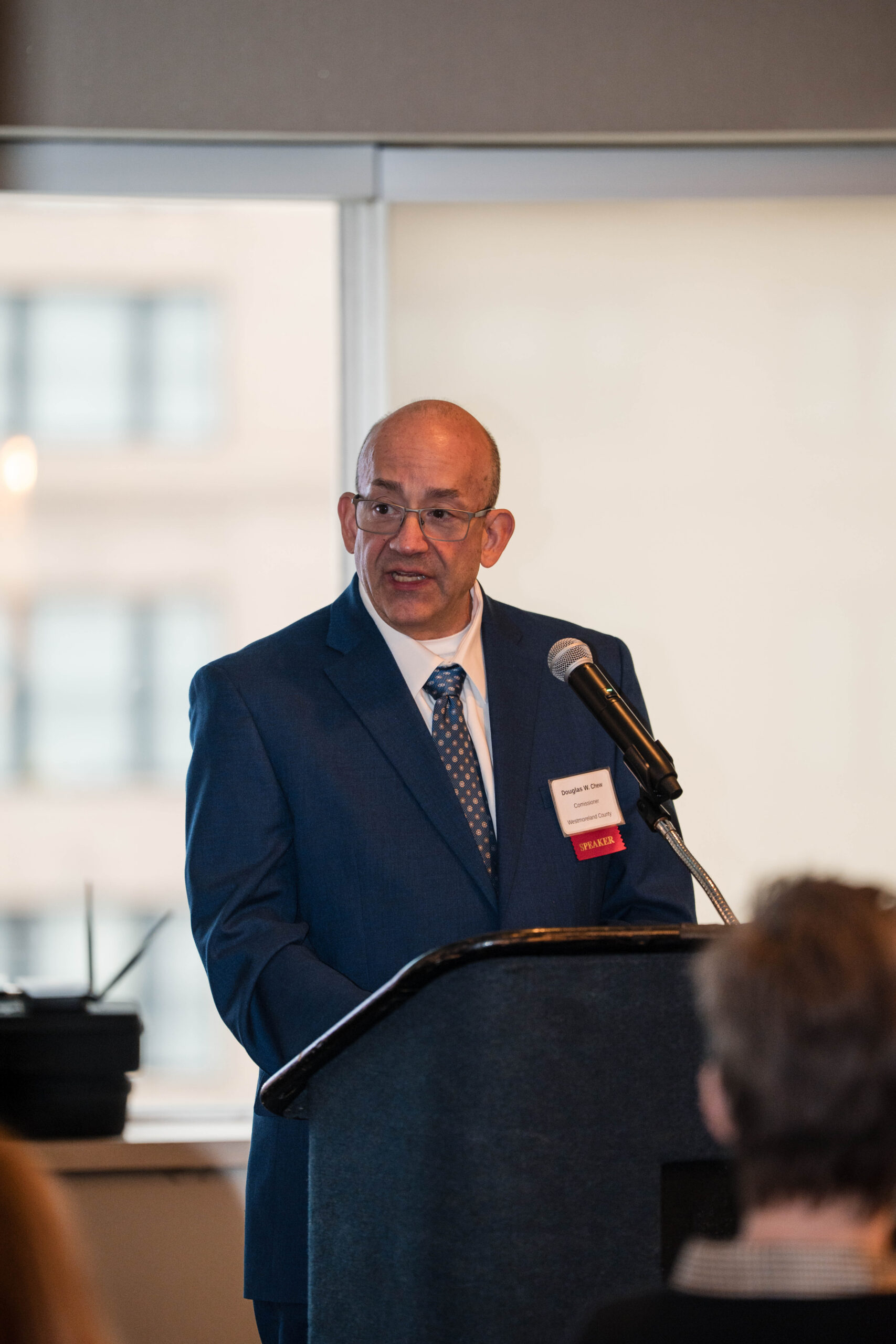
Take a look at all the photos and videos from Invest: Pittsburgh 3rd Edition Leadership Summit!

Stay tuned for the summit videos here.

Pittsburgh Pittsburgh Pittsburgh Pittsburgh Pittsburgh Pittsburgh Pittsburgh Pittsburgh Pittsburgh Pittsburgh Pittsburgh Pittsburgh Pittsburgh Pittsburgh Pittsburgh Pittsburgh Pittsburgh Pittsburgh