
Invest Dallas-Fort Worth: TXSE leads potential finance surge
Key points:
- • TXSE enters final member readiness testing ahead of its scheduled July 2026 trading launch.
- • DFW maintains its position as a top-three U.S. metro for Fortune 500 corporate headquarters.
- • Competition for dual-listings intensifies between TXSE and the newly active Nasdaq Texas.
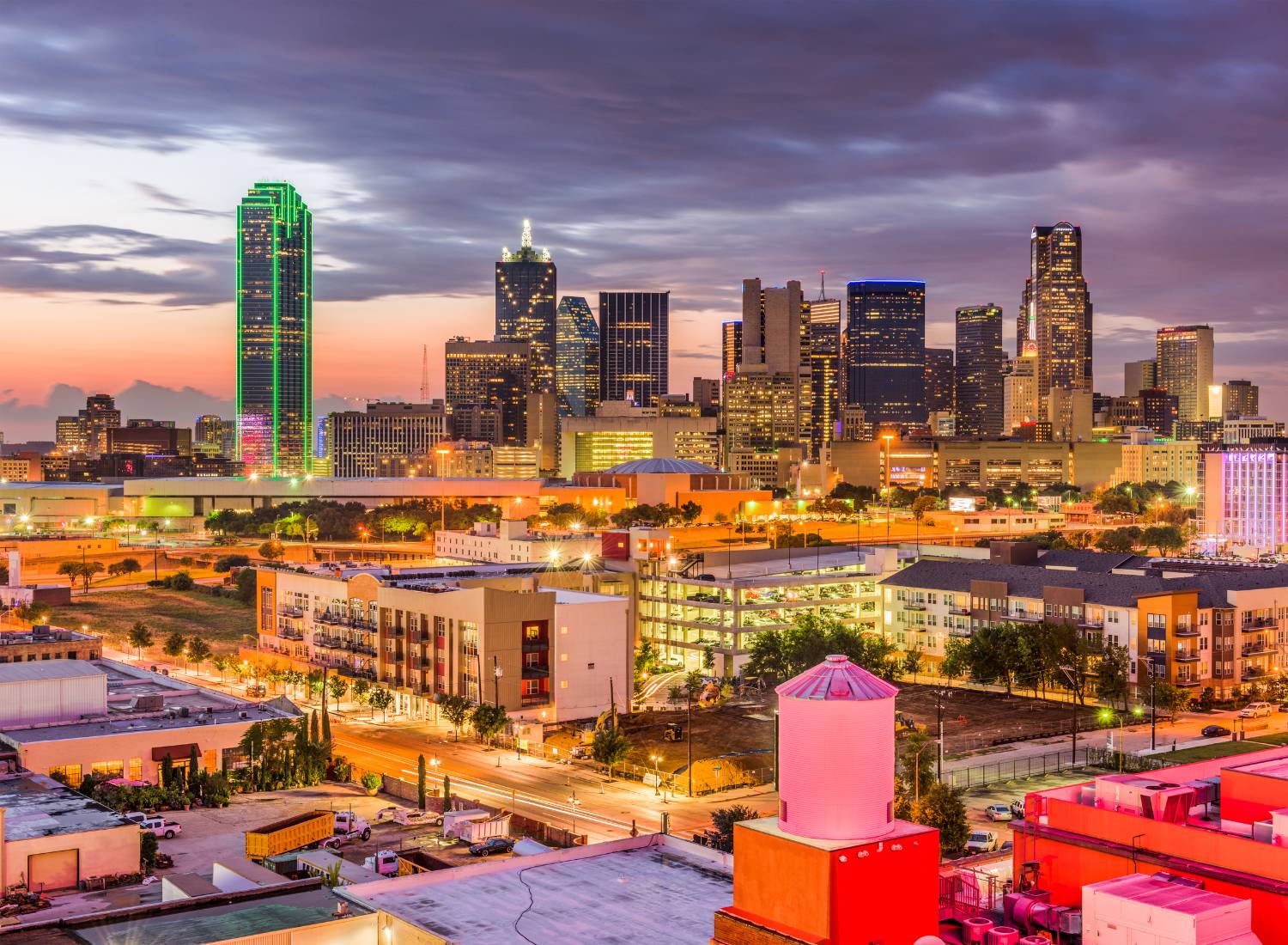 May 2026 — The impending July launch of the Texas Stock Exchange (TXSE) has reframed every strategic decision for those looking to invest Dallas-Fort Worth into a single question: how fast will capital reroute? Currently in its final member readiness and industry testing phase, the Dallas-headquartered venue represents the most significant effort to decentralize U.S. equities trading in nearly two decades.
Join us at caa’s upcoming leadership summits! These premier events bring together hundreds of public and private sector leaders to discuss the challenges and opportunities for businesses and investors. Find the next summit in a city near you!
The push to invest Dallas-Fort Worth is no longer symbolic. While TXSE prepares for its July 2026 trading debut, the regional financial ecosystem has already been energized by the earlier launch of Nasdaq Texas in San Antonio, which has already successfully captured dual-listings from major entities such as APA Corporation and J.B. Hunt.
According to the Federal Reserve Bank of Dallas May 2026 Economic Outlook, the DFW metroplex has significantly closed the gap with traditional financial centers, now ranking as a top-three U.S. market for finance-sector employment growth. The concentration of capital-markets activity is a direct reflection of a metro area that currently hosts 24 Fortune 500 headquarters — a number that places it in the Top 5 for U.S. cities.
Regulatory rigor and market share
A critical component of the strategy to invest Dallas-Fort Worth lies in the exchange’s specific listing standards. Unlike legacy venues that accommodate a wide spectrum of penny stocks and micro-cap entities, TXSE has positioned itself as a single-tier system with governance requirements that are, in several measures, more stringent than the lower tiers of the NYSE.
This approach is designed to attract mid- to large-cap corporate issuers looking for a more “issuer-aligned” environment without sacrificing the prestige of a national-market system registration. The market structure is further bolstered by the involvement of Citadel Securities and BlackRock, whose roles as liquidity providers — rather than simple investors — ensure that bid-ask spreads remain competitive for institutional traders from day one.
The corporate relocation tailwind
The numbers underlining the DFW moment are difficult to ignore. The region has stabilized the massive influx of talent seen over the last five years, including the full operational maturity of Wells Fargo’s Las Colinas campus and the ongoing construction of Goldman Sachs’ 800,000-square-foot regional hub in Uptown Dallas. These moves did not require a local exchange to materialize, but the presence of a live trading venue deepens the rationale for the next wave of relocations. Real estate operators in Frisco and Plano report that the demand for high-spec office space is increasingly driven by “exchange-adjacent” tenants, including boutique law firms and private credit shops that historically orbited Manhattan.
For those who invest Dallas-Fort Worth, the lack of a state income tax remains the structural advantage that compounds as remote and hybrid work models allow capital-markets talent to migrate toward higher-quality life outcomes.
Looking forward, the diagnostic window for TXSE’s success will be the two quarters following its July launch. Executives should watch for three specific signals: the first Russell 1000 issuer to move a primary listing to the Dallas venue, the impact of SEC rulemaking on exchange competition, and the acceleration of hedge fund relocations into the uptown corridor.
If liquidity and headcount continue to print favorably, 2026 will be remembered as the year the metroplex finally transitioned from a regional operational hub to an unambiguous global financial center.
Want more? Read the Invest: Dallas-Fort Worth report.