
Spotlight On: Tara Sherbert, CEO, The Sherbert Group
Key points:
- • The Sherbert Group combines CPA expertise with development to tackle complex redevelopment projects.
- • AI and workforce development are key priorities as the firm prepares for future growth.
- • Tax-credit expertise and disciplined underwriting help transform overlooked properties into new opportunities.
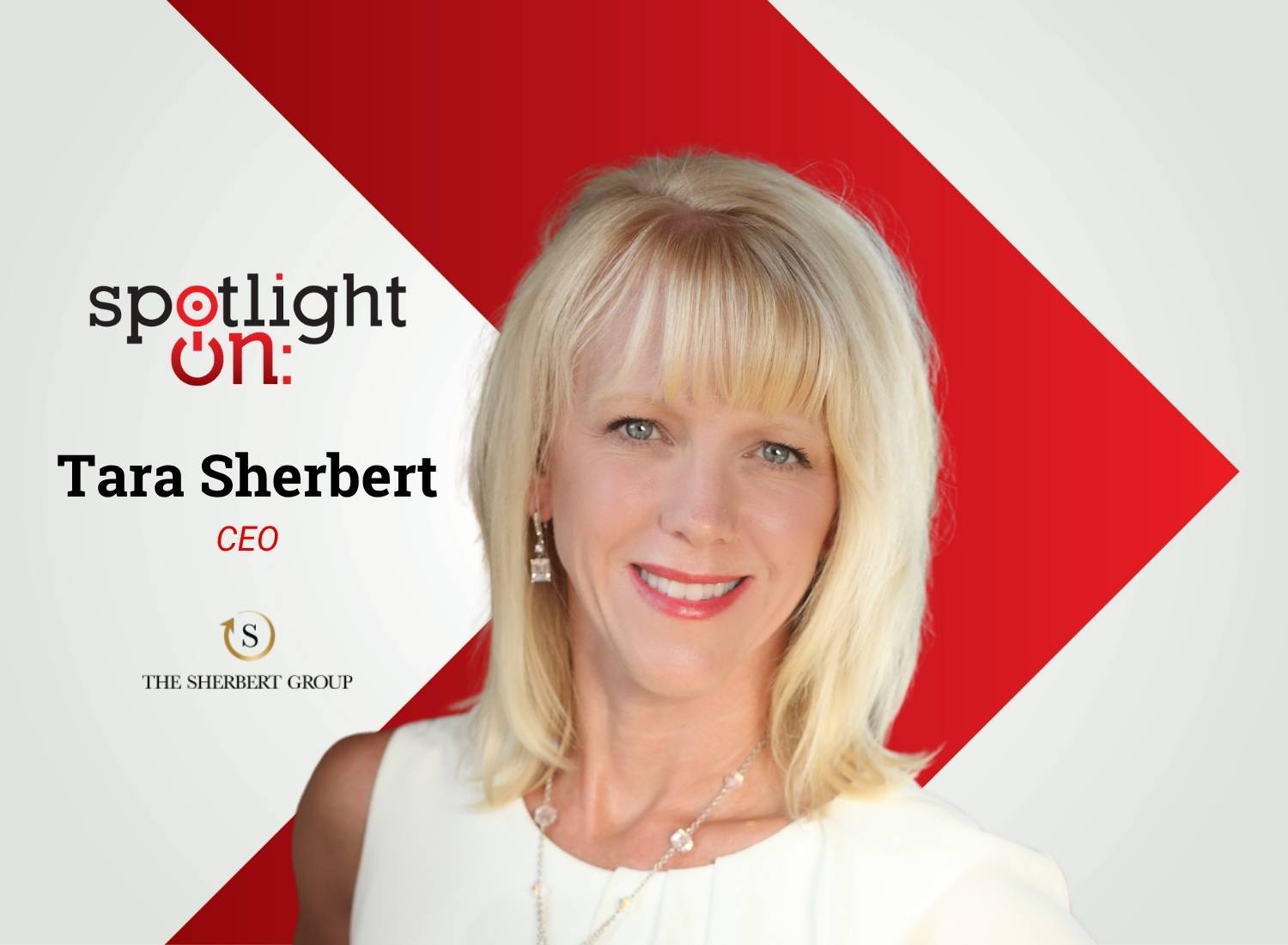 June 2026 — Invest: spoke with Tara Sherbert, CEO of The Sherbert Group, about how a CPA-first foundation, disciplined underwriting, and tax-credit expertise enable the firm to take on redevelopment projects others avoid. She also shared why workforce development and strategic AI adoption are central to the company’s next phase of growth. “We want to drive the bus on AI,” Sherbert said.
Join us at the Invest: Charlotte 6th Edition Leadership Summit! This premier event brings together hundreds of Charlotte’s business and regional leaders to discuss the challenges and opportunities for businesses and investors. Buy your ticket now!
What market shifts or trends have had the biggest impact on your advisory and development work over the past year?
Workforce has been a prime focal point for us, along with AI. We’re big into AI because we know if we blink, it’s going to run us over. We want to drive the bus on AI.
We’re trying to find the balance across our employee base, which ranges from cleaners to high-level CPAs and financial analysts. We’re asking: how do we get our workforce back to where it was five years ago? A level of grit has somewhat disappeared: a strong work ethic, the ability to problem solve, and to use your brain to work through issues.
At the same time, we’re incorporating AI as much as possible. We buy and fire AI constantly because it gets outdated every day. We want to stay on top of the best tools, while keeping our employees energized and supportive of AI rather than afraid of it. That dynamic is constantly shifting.
On the construction side, supply chains were horrific over the last five years. I remember staying up all night tracking electrical gear crossing the border because if you didn’t monitor it, someone else would negotiate it away. Now we’re dealing with the consequences of poor-quality materials that came out of that period and cycling those components out.
How does the firm’s background, which is rooted in professional services as CPAs, with real estate emerging from that expertise, shape your approach to development?
Every real estate project starts in our consulting and investment divisions. That allows us to underwrite strongly, not just from a sources-and-uses standpoint but also operationally.
We are heavy into tax incentives. We do a lot of projects involving federal, state, and local tax credits because we’re doing community-impact real estate. We’re recreating or creating islands of development in blighted areas. That takes serious underwriting and negotiation.
Once we’re comfortable with the numbers, the market, and the local government partnerships, we bring in our investment and lending divisions. Government partnership is critical in the type of deals we do. We’re not just building a hotel. We’re redeveloping entire communities.
If a project clears underwriting across our divisions, we step in as general partner, investor, and lender. By the time we break ground, there are only a few additional players at the table.
How is the firm positioned differently today than when you started, or even five years ago?
We began purely as a consulting and CPA firm. I was a partner at a Top 10 CPA firm, and my husband was CFO of a large government contractor. That was our foundation.
Today, we’re more selective. We watch what the economy is providing. With higher interest rates, for example, it may not make sense to break ground on new real estate. The advantage of having multiple divisions is that we don’t have to force it. We can shift focus.
Instead of taking every opportunity, we look at where we believe the economy is now and where it will be in the next two years, and then we expand the division that aligns with that outlook.
With projects like the University Center in Rock Hill, how do you translate technical expertise into a mixed-use district that drives economic activity?
University Center started in consulting more than 12 years ago. From there, we came in as an investor and lender, and eventually as a general partner.
One building was so blighted that no one in the nation would touch it. We picked it up, executed it successfully, and it became a centerpiece of the larger 2.5 million-square-foot site.
It’s a heavy public-private partnership. We’ve spent as much time amending master development agreements and parking agreements as we have constructing buildings. That framework is what allows a master development to function as a unified place rather than disconnected assets.
It also takes time for a community to embrace redevelopment, especially when you’re revitalizing areas historically seen as undesirable. You’re building confidence alongside buildings.
Adaptive reuse is a growing trend. What makes those projects viable for you when others avoid them?
Take the Powerhouse project. When we bought it, it had six five-story boilers filled with asbestos and eight feet of water. It had been underwater for over 20 years.
We can take that on because we understand tax credits inside and out, and we know historic rehab projeects. Historic rehabs are nothing but unforeseen conditions. They are one giant surprise.
We spent eight months removing boilers before we could finalize the design. We had to complete environmental remediation and then fine-tune the architecture based on the space that actually existed. Every unit in that building is different. Some are three stories with three-story atriums.
We value our regulatory partnerships. When agencies know you will do the right thing upfront, it reduces friction later. We also spend more time in due diligence than most are comfortable with, so when surprises arise, we’re financially and operationally prepared.
What makes the Carolinas attractive for complex redevelopment projects?
Moderate weather helps, including for construction. More importantly, we focus on undeveloped or blighted areas, not already fully built downtown cores.
We have confidence in the state economies. They’re growing and expanding. If we build in a blighted area, we believe the growth trajectory supports a build-it-and-they-will-come approach.
How are you leveraging AI and technology to improve efficiency?
We have a primary focus on Claude AI. This has truly transformed how we operate and navigate through pretty much every dynamic of the day.
What does the talent landscape look like today, and how are you approaching workforce development?
We’re focused on growing from within. Onboarding new people takes significant resources, especially with our technical systems. So we prioritize hands-on, intentional training.
AI will affect all divisions. Blue-collar roles are probably the least immediately affected, and those workers are incredibly valuable. It will take time before technology replaces the skill required to climb onto a roof and fix mechanical systems in the middle of summer.
We are also realistic about how quickly technology is advancing. Some roles will evolve dramatically within two years. The goal is to train our people to operate above what AI can replicate.
Looking ahead, what are your top priorities and your outlook for the region?
Our top priority is our team. It has taken years to build this group. We want to provide them with the resources and knowledge to grow so that my husband and I can step back from day-to-day operations and focus on the next major opportunity. AI implementation and workforce training also remain central for the next year.
On workforce trends, I am not a fan of full work-from-home models. I believe it has made it harder for businesses and employees to grow professionally. Being physically present fosters collaboration and a deeper understanding of how organizations operate.
That said, balance is important. Ultimately, I believe the Carolinas remain on a strong growth trajectory. The combination of economic expansion, opportunity for redevelopment, and long-term confidence in the region positions it well for continued success.
Want more? Read the Invest: Charlotte report.