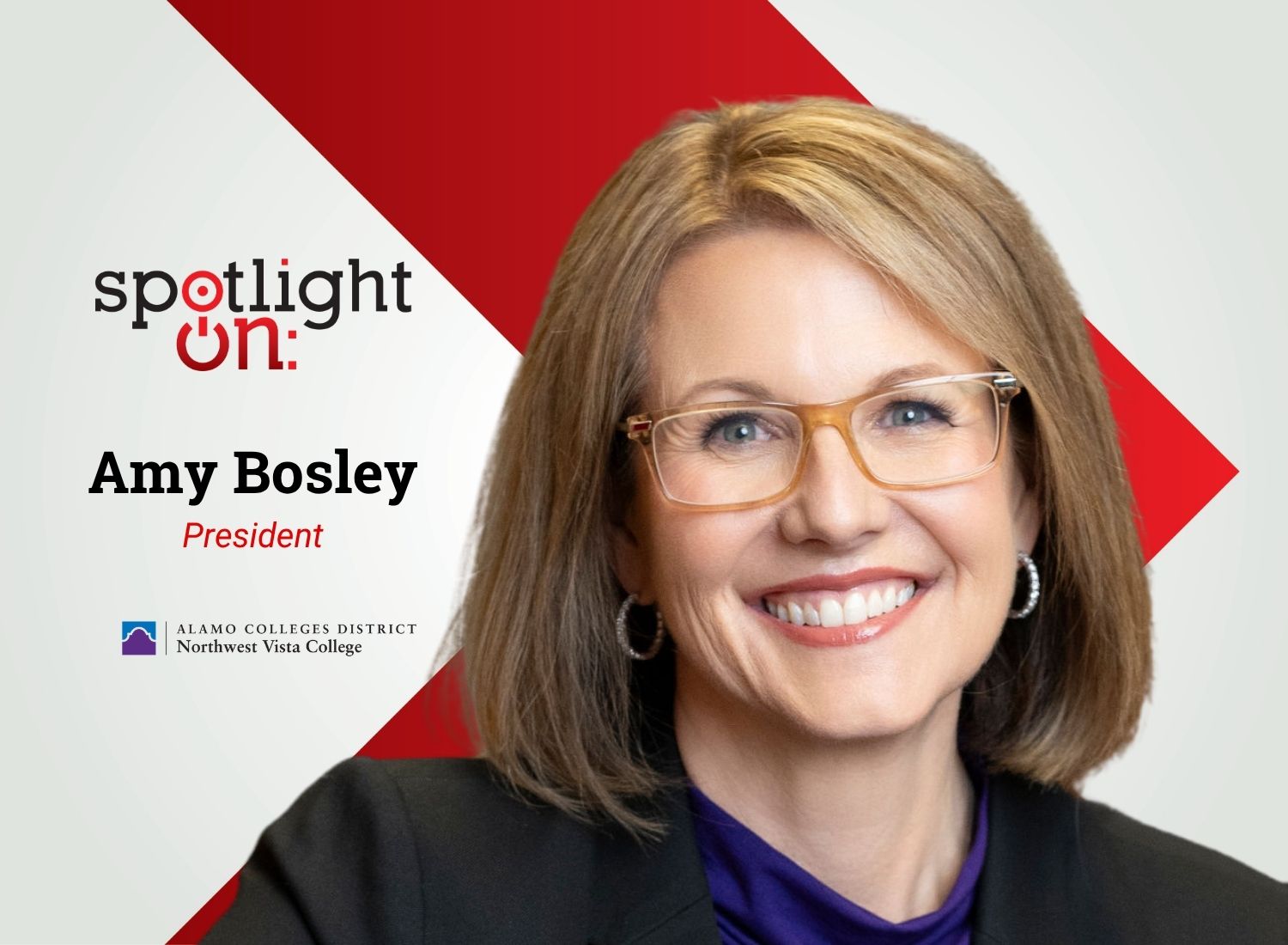

Cheryl Howell, Executive Director, Florida Community Development Association
 July 2026 — Invest: sat down with Cheryl Howell, executive director of the Florida Community Development Association, to discuss how shifting federal and state priorities are reshaping community development in Florida. “It’s not about understanding what the problem is, it’s about understanding how you’re going to pivot to solve the problem,” Howell said.
What key changes over the past year have had the greatest impact on the association and the communities your members serve?
The federal changes that have taken place have been tremendous. Things are moving at warp speed at the federal level, whether it is priorities, funding, or changes in how programs will be funded. The administration has introduced major shifts in how business is done, and the convergence of policy, practice, and program funding has left us in an unprecedented place.
What has become clear is that the old tools and the things that worked yesterday are no longer going to work in this environment. That old playbook is not going to work. The question now is how willing organizations are to pivot and what they are willing to do to maximize and leverage partnerships in the community. It is about making sure projects remain in the pipeline and that leaders are focused on solutions. It’s not about understanding what the problem is, it’s about understanding how you’re going to pivot to solve the problem.
That means we are not focused on best practices in the traditional sense because best practices often reflect hindsight. We need the ability to project into the future, place bets on what is coming next, and begin operationalizing those ideas now.
As changes have unfolded, what recent initiatives or programs led by the association stand out as especially notable?
At the state level, there has been a tremendous amount of change. Some of it relates to funding, but much of it comes down to priorities and who is making decisions. There has been a real shift in policy and regulation around development, especially housing development. Where Florida once had a more decentralized system, the state is becoming much more centralized in directing that work. That has created both friction and change.
At the same time, where there is friction, there is also opportunity. This year, for the first time, the association is not holding its traditional annual conference. We used to convene a three-day statewide conference, but we have shifted to four one-day regional conferences across the state. That allows us to customize each regional summit to the specific needs of that area.
What is happening in the Panhandle is not the same as what is happening in Miami-Dade, Palm Beach County, or the Tampa Bay region. Each of those markets has different drivers, pressures, and development realities. By creating targeted regional summits, we can better address what communities actually need.
There has also been a growing focus on the rural housing industry. I have said for years that many of our communities are both urban and rural, and in Hillsborough County we have long worked to serve that rural population. We have done that in places such as Wimauma, the outskirts of Plant City, and Ruskin. We also partnered with USDA and worked hard to maintain certification so that we could continue bringing in funding to support housing and infrastructure initiatives in the southern part of the county. Those are the kinds of efforts that reflect not best practices, but next practices, and having the courage to get out front and be a trailblazer.
What impact do you expect these efforts to have on communities across Florida in the years ahead?
When I think about the next several years, I ask what the next big thing in this space will be. Rural housing is absolutely part of that conversation, but rural housing is really about more than housing. It is also about infrastructure. The challenge is how to increase opportunity in those areas without simply creating more sprawl and while also honoring the way of life that residents want to preserve.
That requires deeper partnerships, more collaboration, and a willingness to work together across sectors. Another area that I believe will continue growing is collaboration with the faith community. We have been talking about this for years. The faith community has tremendous capital, land resources, and social capital. These institutions are deeply rooted in their communities, and that gives them the ability to help move projects forward.
We have been having conversations with faith communities about mission work, about expanding ministry, and about what it means to develop affordable housing on church-owned sites. In Hillsborough County, we recently marked the third ribbon-cutting for a faith-based housing initiative. That involved a church, the Housing Authority, a private developer, and Hillsborough County all coming together in partnership to create a senior housing development.
I am incredibly proud of that work. It reflects a team that honors the past, but also understands that we have to do something different if we want to remain major players in this market.
What are some of the biggest challenges facing community development professionals in Florida today, and where do you see the greatest opportunities?
I believe that in our respective roles, most people genuinely want to do good. We are striving toward the same broad goals, but often from different perspectives about how to get there. The real progress happens when we begin aligning those interests and working together.
Affordable housing is a good example. We still have to do a better job of sharing the message that most people living in affordable housing are working. This is workforce housing. Unless someone is disabled or a senior, they are typically employed. The days of symbolic rents are long gone. These are working residents who are part of the local economy.
When we look at the broader needs of a community, we have to take a strategic view. Yes, we need affordable housing, but we also need stronger partnerships with employers. That is why we have been working on employer-based housing initiatives with some of our largest employers. The goal is to address multiple needs at once and support the long-term sustainability of our community.
We can work with school systems, hospitals, and major medical providers to ensure that the infrastructure supporting growth in Hillsborough County is sustainable. That is one of the real opportunities in front of us. There is a lot of discussion about whether local governments support affordable housing, but I think the more accurate framing is that many leaders support smart growth. They understand the fiscal realities they are working within, and they are asking what can be adjusted so that communities are still cared for and meaningful impact is still made.
Looking ahead, what are your key goals and priorities for the next five years for the association?
For the association, one of the top priorities is to grow membership so that we can expand the services we provide across communities. We remain deeply focused on under-resourced communities and on helping people grow within the broader economic development spectrum and in their own careers.
That can take different forms. It may mean vocational training. It may mean helping seed local organizations that are doing important workforce work. In Hillsborough County, for example, the county seeded funding to a small organization running a job training program, and that organization has since gone on to receive a major federal grant. That is what can happen when public entities and local organizations come together with commitment and patience.
For me, that is the essence of the work. It is who I am as a professional, and it is what I try to model as executive director of the Florida Community Development Association. I work with colleagues across the state to ensure that the same spirit of support extends beyond Hillsborough County to places such as Riviera Beach, Ocala, Orange County, Brevard County, Jacksonville, Tallahassee, Miami, and Lake Worth.
Those are not abstract examples. Those are communities where I have colleagues and partners I care about deeply. I also work with organizations such as the Florida Manufactured Housing Association, Fifth Third Bank, PNC Bank, and Suncoast Credit Union to advance the mission of the association while also improving quality of life in our communities.
Over the next five years, success will mean continuing to build that network, continuing to support local leaders, and continuing to create sustainable systems that strengthen communities long after any one of us is gone.