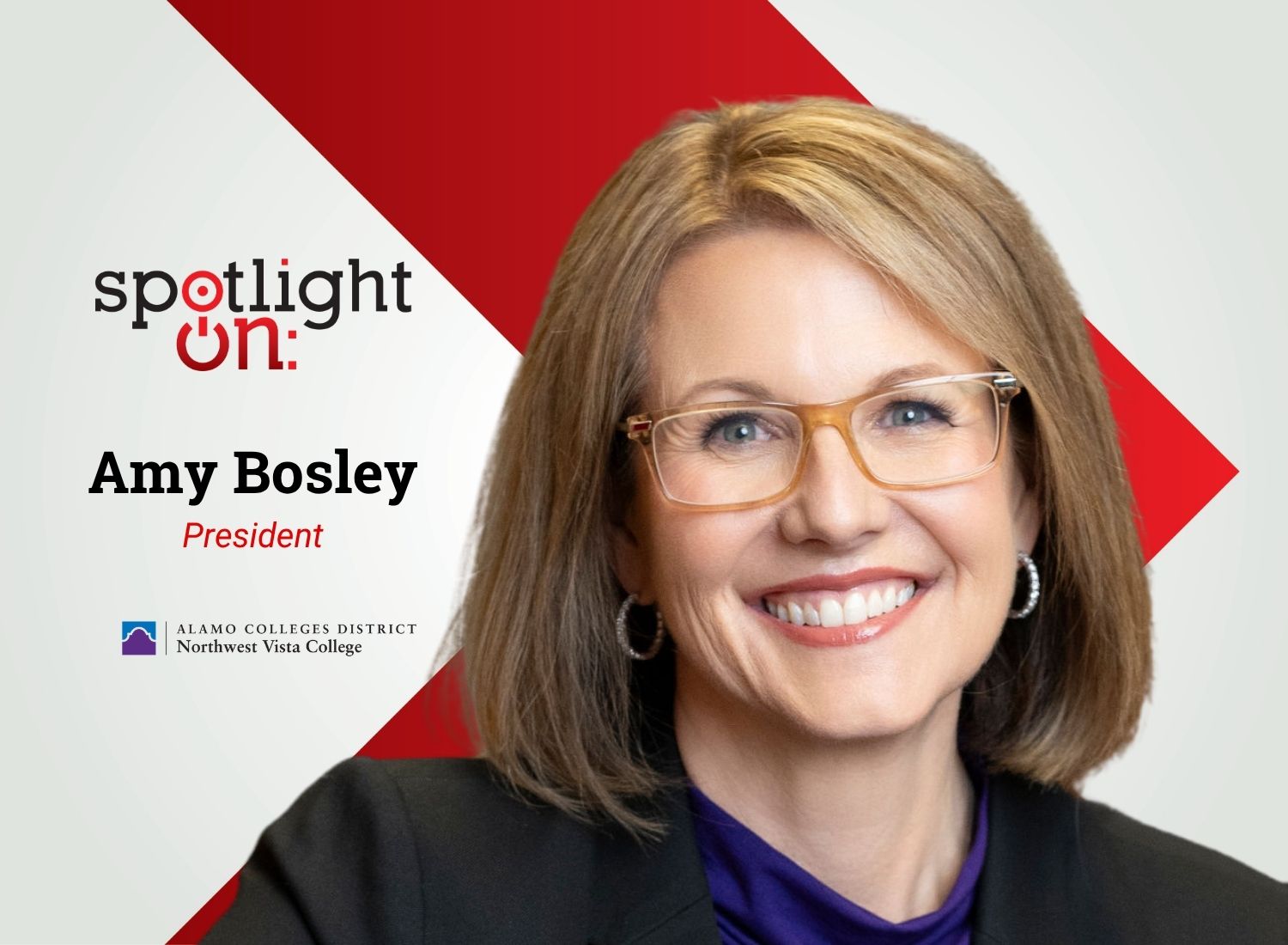

Quenita Oats, CEO, Community Tampa Bay
 July 2026 — Invest: spoke with Quenita Oats, CEO of Community Tampa Bay, about how the organization is expanding cross-cultural dialogue and inclusive leadership as the region grows. “Sustainability is our top priority,” Oats said.
What key changes over the past year have most impacted Community Tampa Bay, and in what ways?
Community Tampa Bay is very community-centered and people-oriented, so as the Tampa Bay area grows, so does the need for our work. The core of what we do is bring people together from all walks of life, with different lived experiences, to engage in meaningful dialogue with the hope of breaking down stereotypes, biases, and prejudices. The overall goal is to end discrimination.
As more people move into the area from different regions and different countries, we have more opportunities for cross-cultural interactions. Growth creates more chances to bring people into the same space, learn from each other, and better understand the experiences that shape how people show up in the community.
What that also means for us, especially as things shift on a statewide and national level, is that we have to remain fluid and flexible in how our work is delivered. The environment can change quickly, and we have to adjust, but it does not change the core of our work, our mission, or our vision.
What recent initiatives or program developments are you most excited about, and what impact are you already seeing across the community?
This year, we are celebrating 35 years of our flagship program, Anytown, or Camp Anytown, which many people know us for. Anytown is our five-day, four-night summer camp for high-school students around the Greater Tampa Bay area. We bring students together from all walks of life to have meaningful conversations about their social identities and lived experiences.
We also place a lot of emphasis on leadership and advocacy and what that looks like for them. Everyone’s leadership looks different. For one student, leadership may mean stepping into a formal role at school. For another, it may mean taking on more responsibility at home. For someone else, it might mean finding a way to lead in their community in a capacity that fits who they are.
As we celebrate this milestone, our goal is to create ways to make this program more sustainable for the next 35 years, and 35 more years beyond that. We want to graduate thousands more students through this experience so they can go on to be educators, community leaders, lawyers, policymakers, and so much more.
How are you approaching talent development, both within your organization and in the region, as employers prioritize inclusive leadership?
For the work we do at Community Tampa Bay, it is important that our staff and our volunteer facilitators model the very skills we are trying to teach participants. We facilitate meaningful conversations, but we are also navigating tough topics ourselves, so the first thing is making sure our team members take care of themselves.
As a leader, I remind staff and volunteer camp counselors who facilitate conversations to take care of themselves in these spaces and during these times. That is very important. I also emphasize leading with curiosity and empathy. Those two things are a big part of our work, and they shape how we communicate, how we listen, and how we stay present in dialogue that can be challenging.
We also work with interns from local universities, and we look for soft skills that translate across roles, especially in a nonprofit environment. We need people who can take initiative and be self-starters. In a nonprofit space, you have to wear a lot of hats, and you have to be able to keep a lot of plates spinning at the same time. That flexibility and willingness to step in where needed is important for success on our team.
What pressing challenges or trends are you observing in Tampa Bay?
One of the biggest challenges I am seeing right now, especially for nonprofits similar in size to Community Tampa Bay, is that funding resources are limited during these times. Many nonprofits are running into the same reality, which can mean downsizing staff, scaling back services, reducing programming, and ultimately serving fewer individuals each year.
The challenge is that while the need for services is rising, the sources to provide those services are dwindling. And we are not seeing this only in the nonprofit sector. We are seeing it in housing, healthcare, education, and food scarcity. Across the board, the need is there, and in many cases it is growing, while the resources are fewer.
Because of that, organizations have to get creative in how we do the work and how we carry the mission forward. The goal does not change, and the need is still there. As long as the passion is there, and the heart for the work is there, the mission will be accomplished.
At the same time, one positive that can come out of a challenging period like this is collaboration. We are finding that there is success in reaching across the aisle and working together. In some ways, these constraints are forcing entities to collaborate more closely to get the job done, and that has been helpful.
How is Community Tampa Bay strengthening partnerships with businesses, schools, and local institutions to foster a more inclusive regional ecosystem?
It is in our name. It is Community Tampa Bay. We cannot do the work we do without the help and support of our local community organizations. Whether it is partnerships with organizations like the Rays Baseball Foundation or the Foundation for a Healthy St. Pete, those relationships matter.
Our relationships with local schools are also essential. Schools allow us to come into classrooms, work with students, and facilitate meaningful conversations that help expose youth to engaging activities and experiences. It is an opportunity to plant seeds not only during Anytown, but throughout the school year.
Those partnerships honestly help keep our doors open, and they help push our mission forward. Collaborations strengthen our presence in the community, and they create more opportunities for cross-cultural interaction, which sits at the core of what we do. We rely heavily on those relationships to foster the spaces where dialogue, learning, and understanding can happen.
Looking ahead to the next two to three years, what are your key goals and priorities for Community Tampa Bay?
Sustainability is our top priority. Ensuring we are able to build inclusive leaders and inclusive communities for years and years to come is at the center of what we are working toward.
That means making sure Anytown continues for years and years on. It also means ensuring that the Adult Anytown program we launched last fall continues to grow and endure. And it means building the long-term success of our Transformations event, not only as a strong event this spring, but as something that remains meaningful and sustainable over time.
Ultimately, it is about continuing to plant seeds so that the lives we touch and the people we work with leave with knowledge they can carry into the world. The hope is that they move through the world understanding the next person a little bit better, because it is that one seed that can help change the world, and we need that right now.