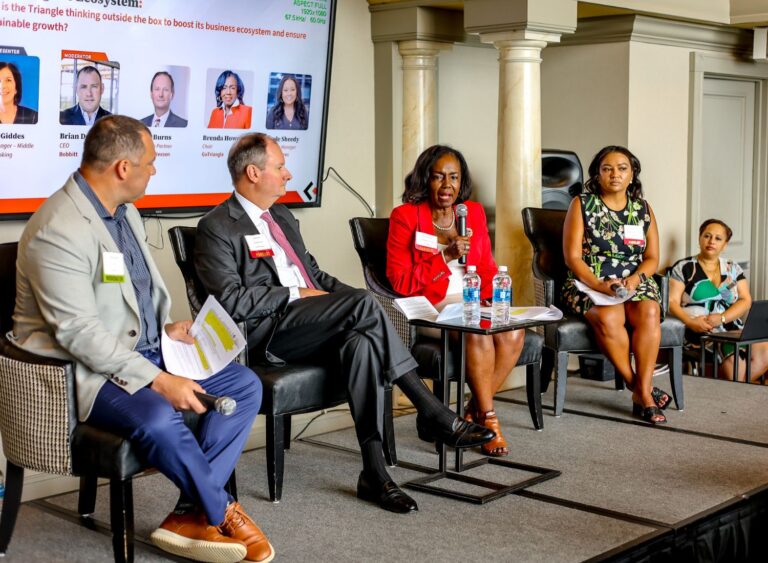
Michael Randolph, Vice Chairman, Encore Community Development
 July 2026 — Invest: sat down with Michael Randolph, vice chairman of Encore Community Development, to discuss the transformation of Tampa’s Encore district, the role of affordable housing in redevelopment, and strategies to ensure inclusive growth. “It is not just housing anymore. It is becoming a true community and an economic driver for the area,” Randolph said.
What key changes over the past year have most impacted the district, and in what ways?
One of the biggest changes is bringing affordable housing to what was Central Park. This initiative, led by the Tampa Housing Authority, is a 40-acre land development deal. It is going to change downtown, Ybor City, and Channelside.
We are talking about a public-private relationship with significant investment, and as of March 2026, the district has transitioned into more of an urban center. There are major projects underway that are reaching critical phases.
There is a 20-story mixed-income development that will include close to 300 apartments, along with healthcare space and retail. There are other projects bringing additional homes and retail space into the district, and more developments are planned in the coming years.
This started years ago with the redevelopment of Central Park Village. The Tampa Housing Authority came in and changed the image of that area. They developed multiple residential communities, including housing for seniors, which is something we do not have enough of.
And now, Encore is entering its final high-impact phase. It is not just housing anymore. It is becoming a true community and an economic driver for the area.
What stands out most about the current development pipeline?
When you look at all the numbers together, you see both affordable and market-rate housing being developed. You need that mix. You need market-rate to support the affordable component.
We have changed the narrative around affordable housing, especially for seniors citizens. There are not enough affordable housing options for seniors, so this is a major step forward.
This is just the beginning. What is happening now sets the stage for future development, and it shows how you can build a community that includes different income levels.
What approaches to workforce development are most relevant for growing communities like those in Tampa Bay?
There are opportunities for job training within the district, but when you talk about real economic opportunity, projects like Rome Yard stand out.
That project is creating opportunities for residents to stay in the community. One of the key elements is a technology, wealth-building and job creation center. That is important because it creates jobs in areas like AI and emerging technologies for people in West Tampa.
What this does is address one of the biggest issues with development, which is displacement. When you put in safeguards, you can create opportunities for residents instead of pushing them out.
There are also plans for home-based businesses that are resident-owned, along with job creation tied to these developments. That is a model that others should follow. We can have redevelopment, but we have to think about how to lift the community as a whole.
How has your experience shaped the way you approach growth pressures and challenges in Tampa Bay?
I started in Baltimore, in one of the worst neighborhoods in the country. I was part of an early comprehensive initiative under the Empowerment Zone program. That showed what could be done in very challenging communities.
I received training from experts across the country, including institutions, lenders and investors. That gave me a strong foundation in how to approach community development.
When I came to Tampa, I brought that experience with me. I worked on comprehensive community development plans that helped lead to projects like Rome Yard. These are public-private partnerships, but with a commitment that no one is left behind.
That is the key. Development has to include everyone in the community.
How can community development districts in Tampa Bay drive stronger growth?
Partnership is critical. For example, the district partners with the Tampa Housing Authority to provide services like workforce training so residents can move from public housing into market-rate housing.
Community development corporations also play an important role because they can access federal funding that private developers cannot. Those funds can help support projects and ensure they remain affordable.
That combination of partnerships allows developments to bring in additional resources and provide services that benefit residents directly.
Looking ahead, what are your key goals and priorities for the district, and what is your overall outlook for the region?
My objective is to make sure no one is left behind. We want redevelopment that does not displace people but brings everyone in the community up together.
This was once an area where nobody wanted to come, and now people are living, working and spending time here. That shows the progress that has been made.
But we have to be intentional. Developers need to understand that you can do redevelopment and reduce displacement. Projects like Rome Yard show that it is possible.
If we build with safeguards in place, everyone can benefit from the development. That is the future I want to see, not just for this district but for Tampa as a whole.