
Houston investment firms navigate consolidation

Key points:
- • Prosperity Bank’s July 2026 merger with Stellar Bancorp caps a wave of Texas bank consolidation reshaping who controls Houston investment capital.
- • A projected shortage of financial advisors — 100,000 of 300,000 nationally are set to retire within a decade — is forcing firms to rethink how they scale.
- • Houston leaders are pursuing different paths to growth: acquisitions, technology platforms for independent advisors, and relationship-driven recruiting.
 August 2026 — Texas banking got bigger this summer. Prosperity Bancshares completed its merger with Houston-based Stellar Bancorp on July 1, combining the two institutions and adding Stellar’s 52 banking offices as Prosperity continued a series of acquisitions across Texas. The transaction is one of the latest signs that consolidation is reshaping who controls Houston investment capital. The transaction creates the second-largest Texas-headquartered bank by deposits, underscoring how quickly the state’s banking landscape continues to consolidate.
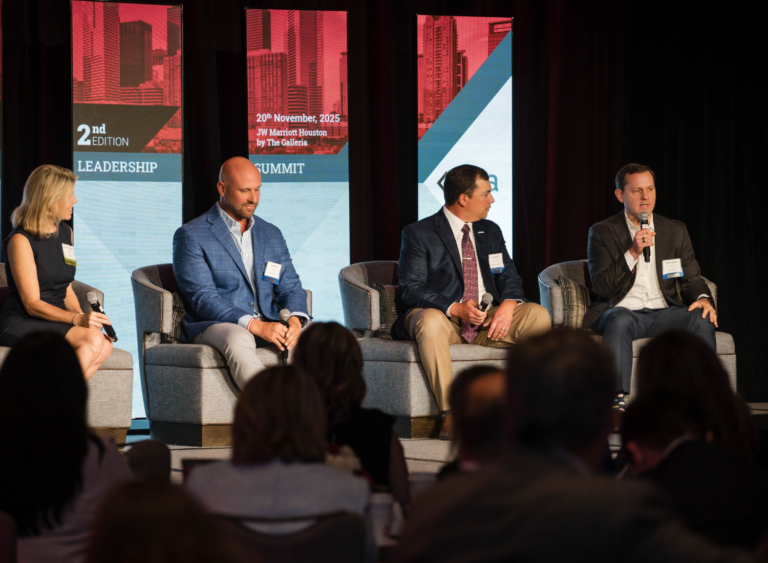
Join us at the Invest: Houston 3rd Edition Leadership Summit! This premier event brings together hundreds of Houston’s business and regional leaders to discuss the challenges and opportunities for businesses and investors. Buy your ticket now!
The pressure to scale extends beyond banking. Registered investment advisor mergers and acquisitions are accelerating as firms pursue greater scale, respond to evolving client demands, and keep pace with platform and technology investments, according to Cerulli Associates’ The Americas Asset and Wealth Management Edition (June 2026). Cerulli projects the RIA channel will surpass $4 trillion in assets over the next decade. More than half of RIAs (54%) are currently seeking an acquisition, and advisor retirements — more than 26,000 projected over the next decade — represent the industry’s largest addressable market for acquisitions.
Community banks, meanwhile, are betting on organic growth alongside M&A. Nearly three in four are exploring expansion within existing markets, and roughly half plan to lean on technologies such as artificial intelligence to cut costs, according to the American Bankers Association’s 2026 Community Bank CEO Priorities Survey.
Houston financial firms are responding through different models — some building technology platforms for independent advisors, others expanding through acquisitions or recruiting experienced teams. Invest: spoke with Houston business leaders about how they are positioning for the next phase of growth.
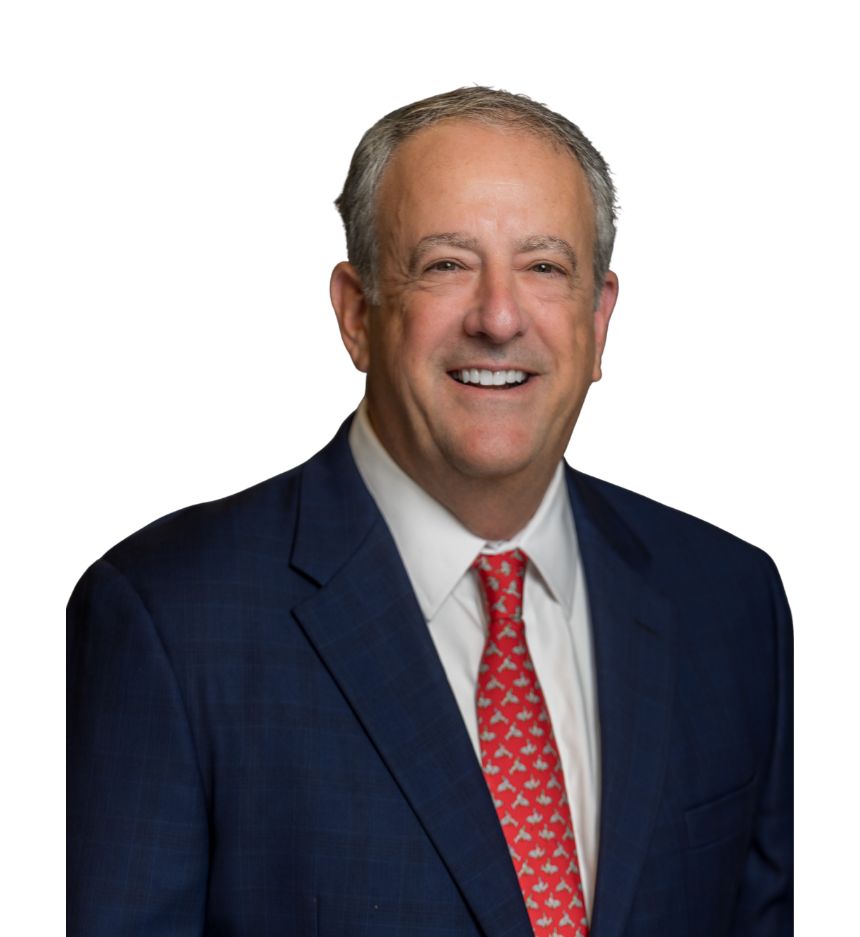 Michael Garofalo, CEO, Bering Street Advisors
“Believe it or not, it is difficult to find good financial advice. There are 300,000 financial advisors in the country, and 100,000 of them are expected to retire over the next 10 years. Many people are retiring from companies such as Exxon and Chevron, as well as from Houston’s healthcare industry, and those companies need an advisor. We have fewer advisors and more people looking for them, and the industry is not replacing advisors as quickly as they are retiring.”
Some firms are responding by adding scale through acquisitions. Others are investing in technology that allows independent advisors to remain autonomous while expanding their capabilities.
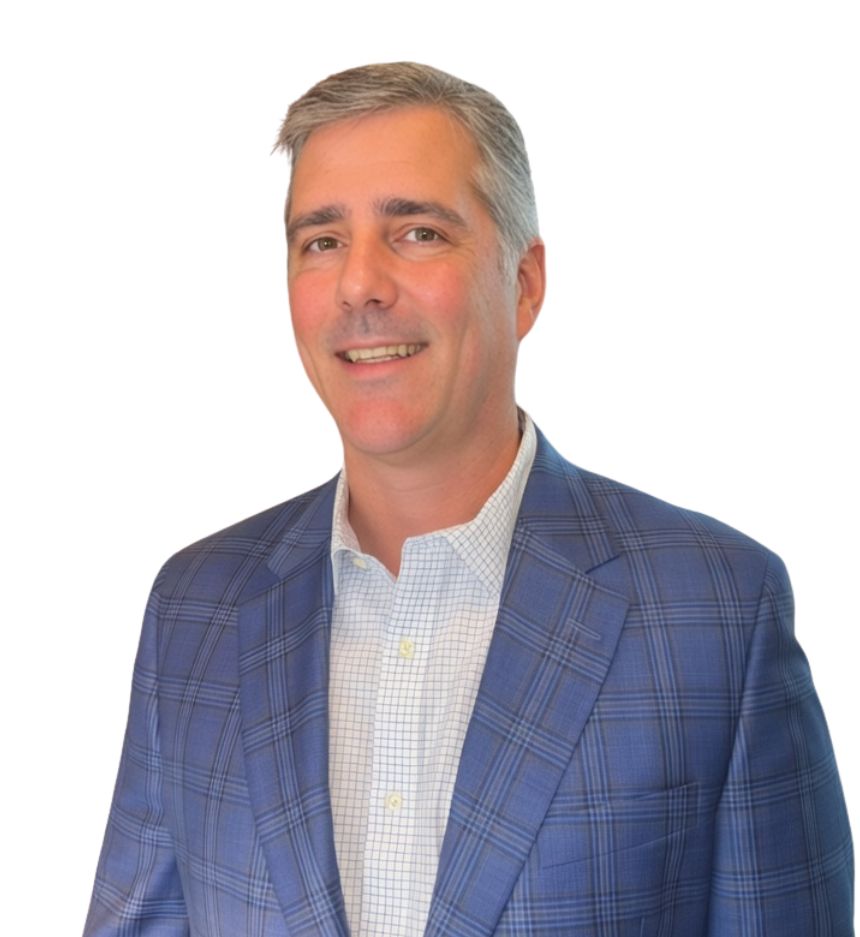 Ken Burke, Founder & Chief Investment Officer, Burke Wealth Management
“RIAs are often forced to make a difficult choice. They value their independence and client relationships, but when they go out on their own, they may have to choose between off-the-shelf investment models that commoditize customized advice or making a major investment of time and money to build a research department capable of delivering a bespoke result… We are trying to offer a third way. We want to give RIA partners institutional-quality, customized portfolio management capabilities in an automated, accessible format centered on our actively managed core strategy. This allows us to grow alongside independent advisors and can remove one of the major restraints on their growth.”
Houston’s banks are consolidating for a different reason: to compete for market share as out-of-state institutions and large-scale mergers reshape the field.
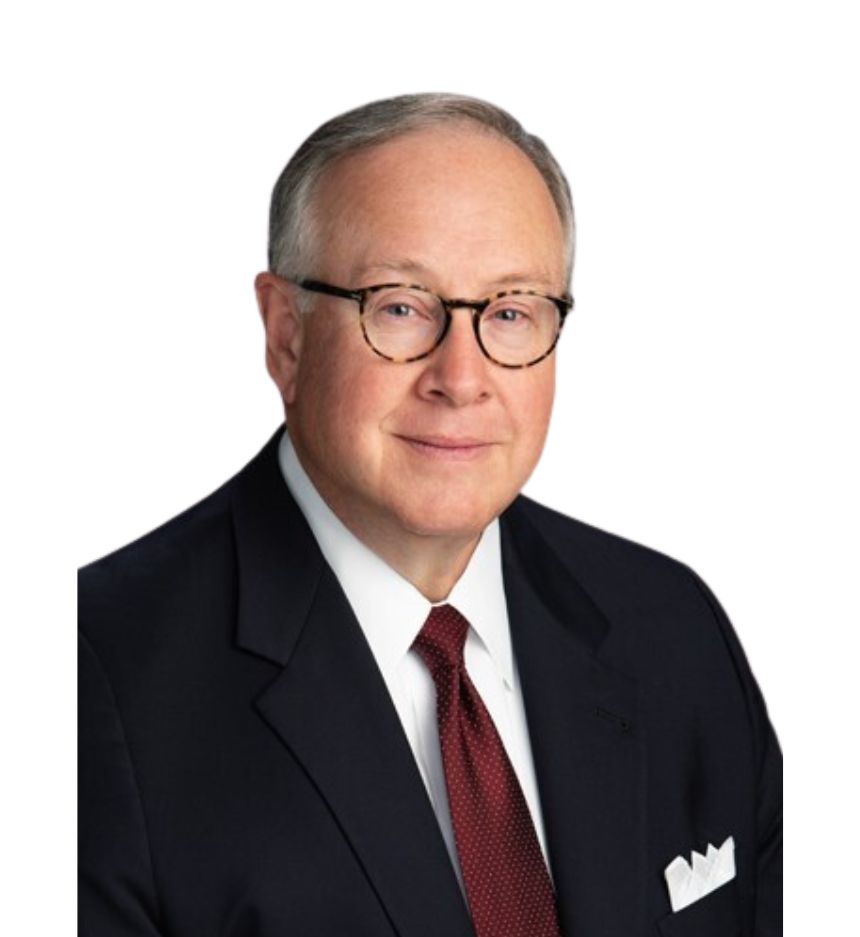 Downey Bridgwater, Chairman & CEO, Gulf Capital Bank
“We have the best of both worlds right now: a healthy, growing economic environment and industry disruption that is leading to faster organic growth. The Houston market is still healthy. Houston is growing not only from a business perspective but also in population. Because of the disruption created by consolidation, we are able to take market share from other banks within our market while staying focused on small and medium-sized business customers.”
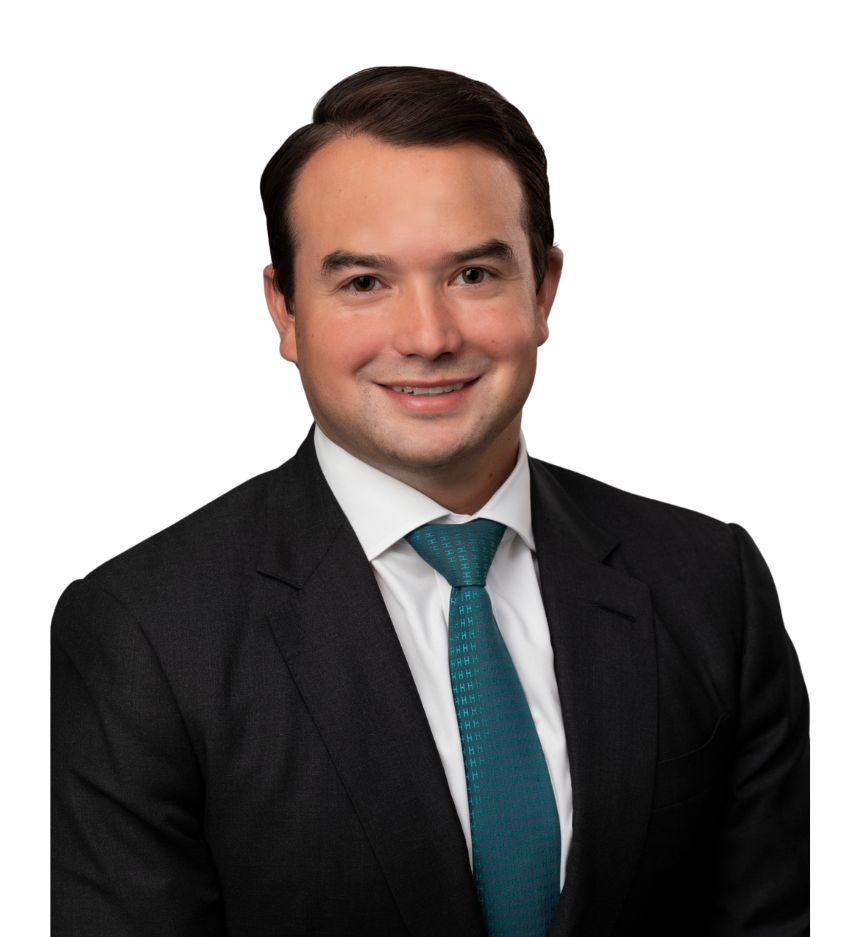 Cullen Zalman, Executive Vice President – Banking and Corporate Activities, Prosperity Bank
“We’ve been extremely busy over the last 12 months with several mergers and acquisitions. We recently announced and closed the acquisition of American Bank out of Corpus Christi and Texas Partners Bank in San Antonio… We judge ourselves on our market share, and bringing these organizations together strengthens our ability to compete in a market where more banks are coming into Texas and Houston from outside the state.”
Prosperity’s Stellar deal, Cerulli’s advisor-retirement data, and the ABA’s survey of community bank priorities point to the same structural pressure from different directions: an aging advisor base that cannot be replaced fast enough, and a banking sector where scale increasingly determines who can fund the technology, compliance, and talent needed to compete. Although the strategies differ, each reflects the same challenge: building enough scale, technology, and expertise to remain competitive in a rapidly changing Houston investment market.
Advisor retirements are expected to continue over the coming decade, and bank consolidation shows little sign of slowing. How firms balance scale, technology investment, and personalized service may determine the next phase of Houston’s investment activity.
Want more? Read the Invest: Houston report.