Invest: Greater Fort Lauderdale debuts first full-day summit on growth and investment

Key points:
 June 2026 — Greater Fort Lauderdale continues to attract residents, businesses, and investment. Healthcare systems are committing billions of dollars to expansion, cities are competing to attract development while addressing housing and mobility challenges, and major infrastructure projects are reshaping how people move across the region. At caa’s Invest: Greater Fort Lauderdale 8th Edition Leadership Summit, public- and private-sector leaders discussed how they plan to sustain that growth.
Join us at caa’s upcoming leadership summits! These premier events bring together hundreds of public and private sector leaders to discuss the challenges and opportunities for businesses and investors. Find the next summit in a city near you!
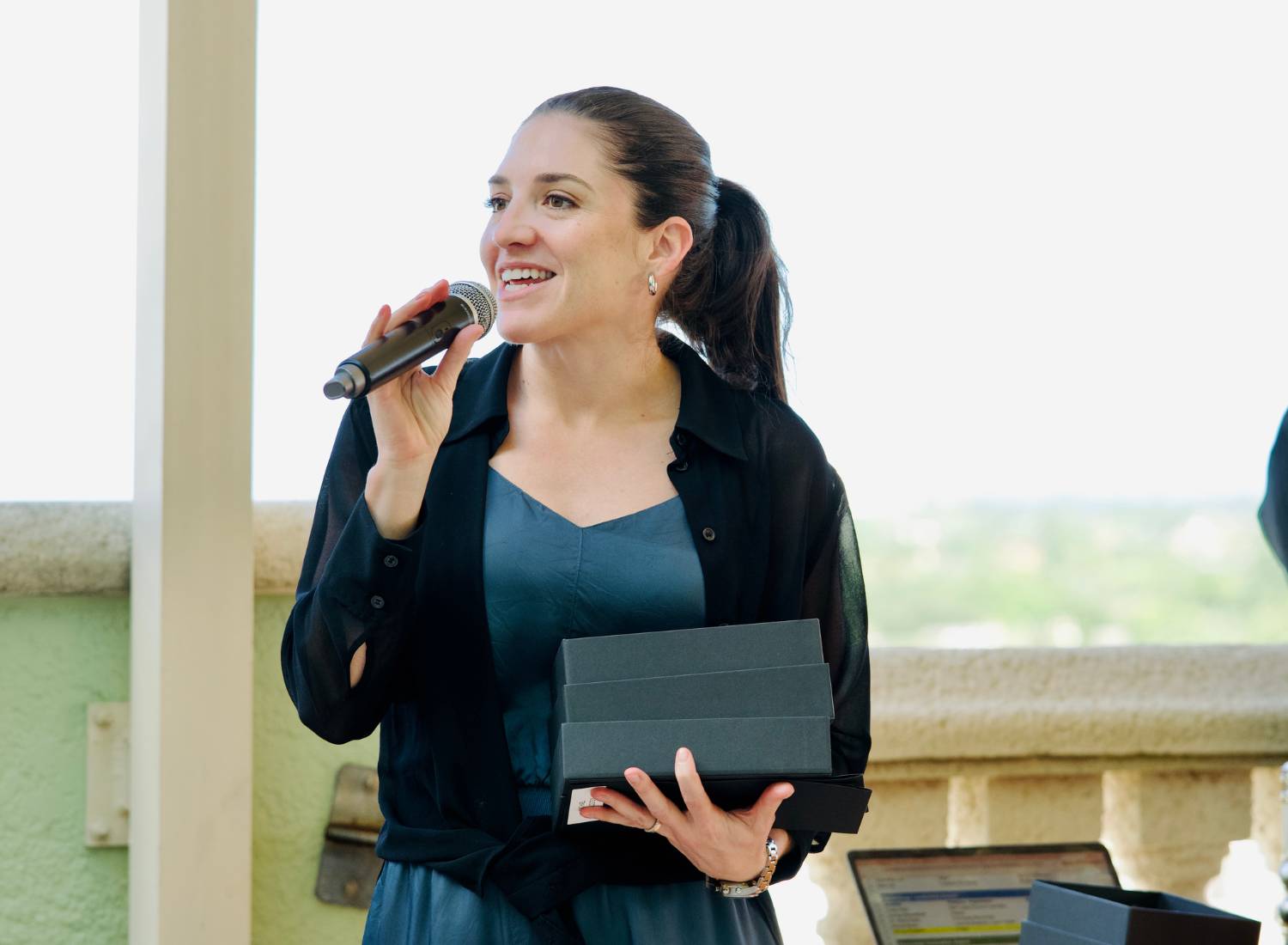
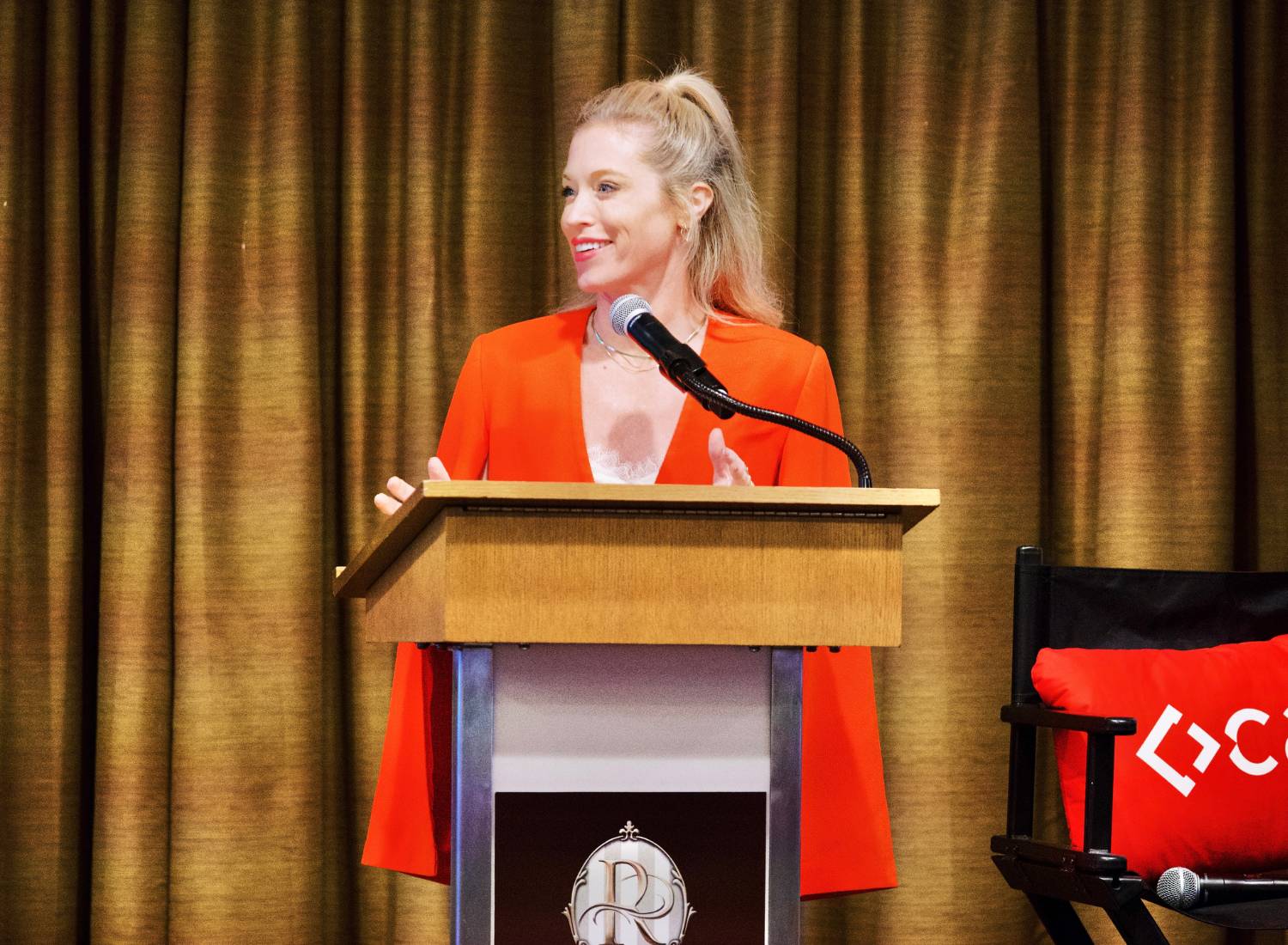
Abby Lindenberg, founder and CEO of caa, opened the summit by reflecting on the publication’s journey covering the market. “Eight years ago, we sat down with the leaders of Greater Fort Lauderdale and asked a simple question: What’s really happening here? We wanted the real version — the deals being made, the challenges being navigated, the vision being shaped from the ground up,” Lindenberg said. “What we found was a community that didn’t need a spotlight. It needed a megaphone.”
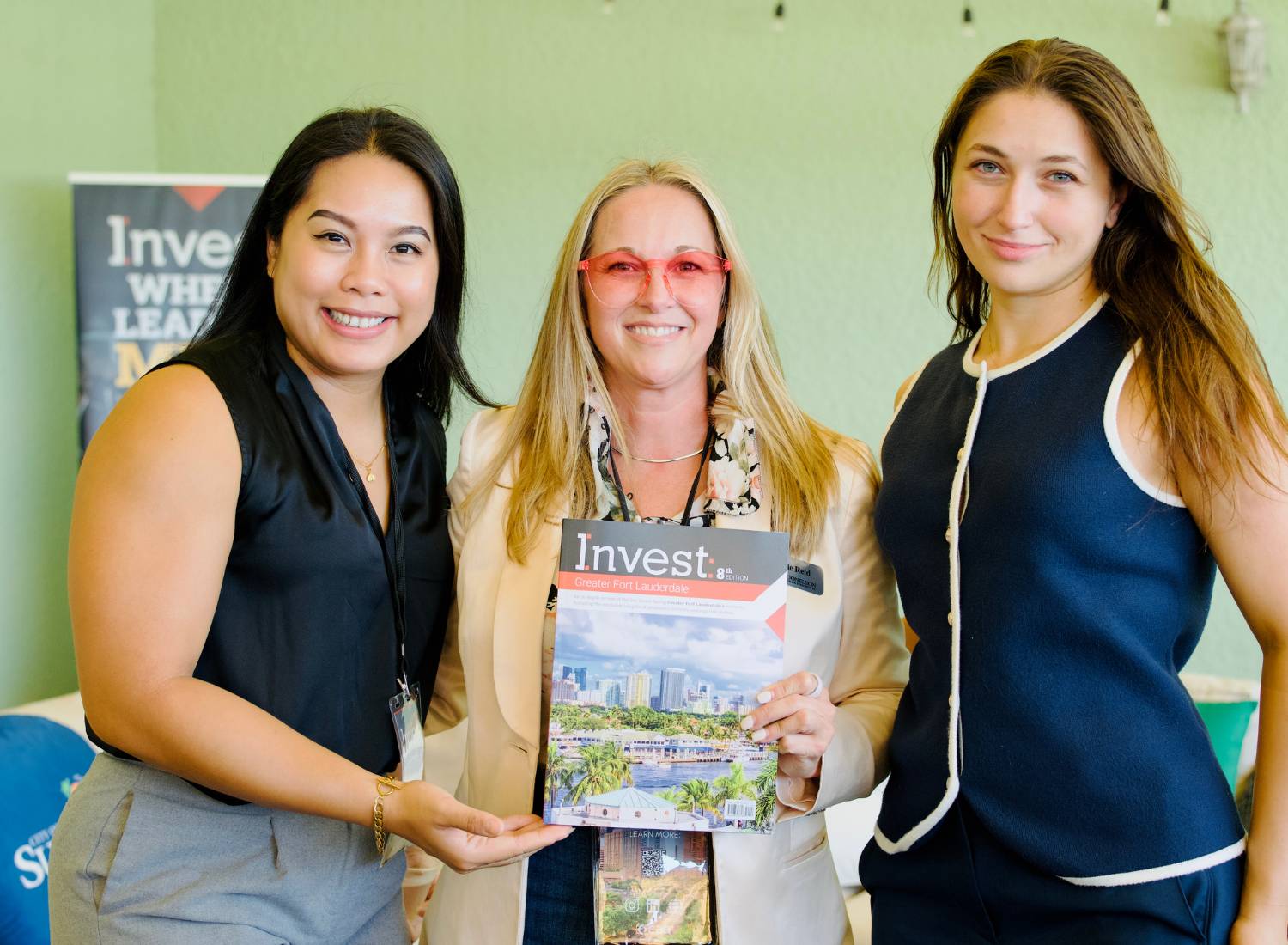
The summit marked the official launch of Invest: Greater Fort Lauderdale 8th Edition, caa’s annual review of the region’s economy and investment climate. (Become a member today to access the latest edition of Invest: Greater Fort Lauderdale.)
Capital follows confidence
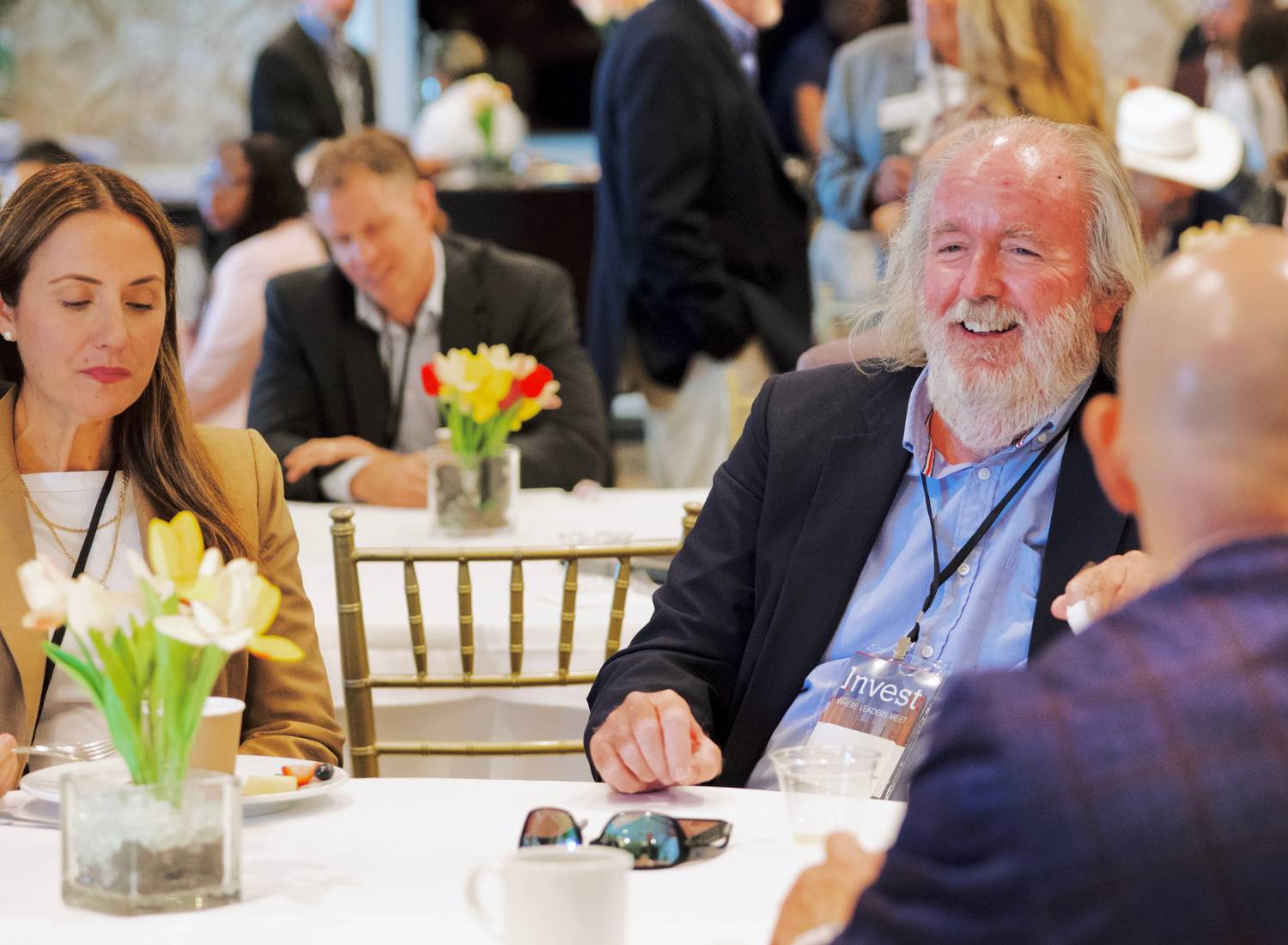 The summit’s first panel, “Ground Floor: Why Broward’s development mix is attracting the kind of capital that doesn’t leave, and how key stakeholders are capitalizing,” focused on the changes to the region’s development market.
Moderated by Sidney Calloway, managing partner of the Fort Lauderdale office and co-chair of the Government Law Practice Group at Shutts & Bowen LLP, the discussion featured Austin Fox, principal of Austin Fox Architecture; Jason Martin, senior vice president of Moss; and Luis Senra, COO of ANF.
The conversation highlighted the growing role of public-private partnerships in making projects financially viable, particularly in multifamily and workforce housing. “Many developers are partnering with municipalities and government agencies and leveraging publicly owned land to make projects financially viable,” said Senra.
Speakers pointed to programs such as Florida’s Live Local Act and the growing importance of workforce housing developments in sustaining economic growth. “We’ve seen a major emphasis from the state through the Live Local Act on driving workforce housing development,” said Martin. “It’s one of the biggest needs in South Florida, and certainly in Broward County. We have to be able to provide people with affordable places to live.”
Healthcare emerged as one of Broward County’s defining growth stories during the opening fireside chat between Lindenberg and Shane Strum, CEO of Broward Health and Memorial Healthcare System. Strum noted that Broward Health and Memorial collectively employ nearly 30,000 people and expect to generate more than $6 billion in revenue this year. He also highlighted more than $1.5 billion in planned capital investments across both systems over the next two years.
“Instead of expecting patients to come to us, we’re bringing healthcare into the community,” Strum said. “We’ve launched mobile health units and new primary care centers in underserved areas so people don’t have to rely on hospital emergency departments as their primary point of care.”
Growth requires coordination
The second panel, “From Policy to Place: Creative incentives and use cases that Broward leaders are implementing for intentional growth,” examined how municipalities are balancing incentives, housing, and economic development.
Moderated by Todd Holt, vice president of business development at the Greater Fort Lauderdale Alliance, the discussion brought together Mayor Michael Ryan of Sunrise, Mayor Josh Levy of Hollywood, Mayor Joy Cooper of Hallandale Beach, and Carolyn Francis-Royer, chief housing administrator for the City of Miramar.
The panel focused on how local governments compete for investment while maintaining quality of life and expanding housing opportunities.
Levy emphasized that efficient government processes increasingly influence where developers choose to invest. “We’ve hired more people and built out a new building division and related development services departments because developers know that cities get reputations,” Levy said. “If a city has a reputation that you can’t get through plan review or site plan approval, investment is going to skip you and look elsewhere.”
 That theme carried into later discussions about permitting, project delivery, and regional competitiveness during the third panel, “How Broward Moves: Infrastructure, transit, and the public-private deals that will determine the county’s future trajectory and mobility aspirations.”
Moderated by Jay Thornton of Lewis Brisbois, the panel included Mayor Joyce Davis of Dania Beach, Mayor Angelo Castillo of Pembroke Pines, Diane Hernandez Del Calvo of Tri-Rail, Coree Cuff Lonergan of Broward County Transit, and Greg Stuart of the Broward Metropolitan Planning Organization.
Speakers outlined initiatives ranging from transit expansion and station-area redevelopment to major mobility investments, while emphasizing the importance of regional collaboration. Leaders pointed to growing coordination among municipalities, transportation agencies, airports, ports, and economic development organizations as essential to supporting continued population growth and economic development.
“The economic impact of that kind of investment is significant. The American Public Transportation Association estimates that for every $1 billion spent on infrastructure investment, a program like PREMO can support more than 40,000 jobs over 20 years,” said Cuff Lonergan. “That is amazing when you think about the economic benefits. Those are immediate opportunities for people who may be unemployed or looking for work, but they are not just construction jobs.”
Tourism and business attraction took center stage during a fireside chat featuring Stacy Ritter, president and CEO of Visit Lauderdale, and Heiko Dobrikow, executive vice president and general manager of The Las Olas Company and Riverside Hotel. Ritter emphasized the importance of strategic investment and long-term planning as the destination works to grow visitation and business activity. “The people who do generate that tax and entrust it to us are critically important, and they need to know we are thoughtfully and deliberately developing plans to increase business here,” Ritter said.
The final panel, “Built to Scale: What sustainable business growth actually looks like in Broward County and the South Florida region,” shifted the conversation to corporate growth and strategy. Moderated by Ryan Gandolfo, deputy editor at caa, the discussion featured Eve Cann, managing shareholder of Baker Donelson; Andrew Sossin, CEO and co-founder of Recovery Unplugged; and Mayor Michelle Gomez of Tamarac.
Their discussion focused on talent, regulatory environments, entrepreneurship, and the factors that continue to attract companies to Broward County. “Companies that are investing the resources to open or operate here, whether locally or throughout Florida, generally intend to be here for the long term,” Cann said. “By shifting their focus toward compliance, operational efficiency, and sound procedures, they are taking a more proactive approach to managing risk.”
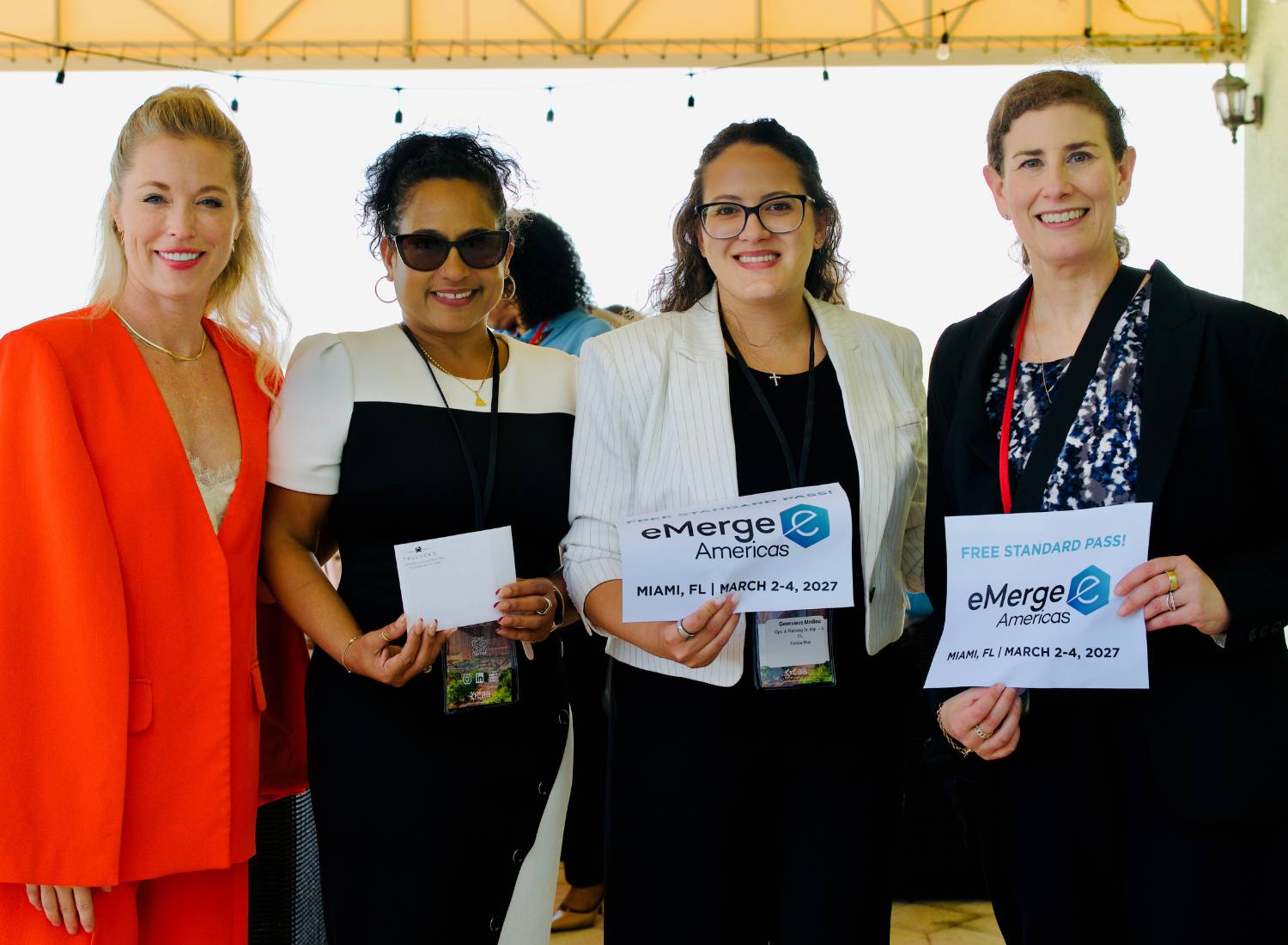
The day concluded with a celebration of the region’s brightest, as caa hosted the inaugural Invest: Greater Fort Lauderdale Technology & Innovation Awards. Honorees included Dan Lindblade, recognized with the Broward Builder Award for his civic leadership; Michael Goldstein of Entech, who received the Technology Leadership Award; and Julia Lucidi of the Fort Lauderdale Tech Meetup, named the recipient of the Newcomer Innovation Award. Attendees then closed out the afternoon at a lively happy hour, complete with a DJ, networking, and a raffle — capping a successful first full-day conference for the Invest: Greater Fort Lauderdale community.
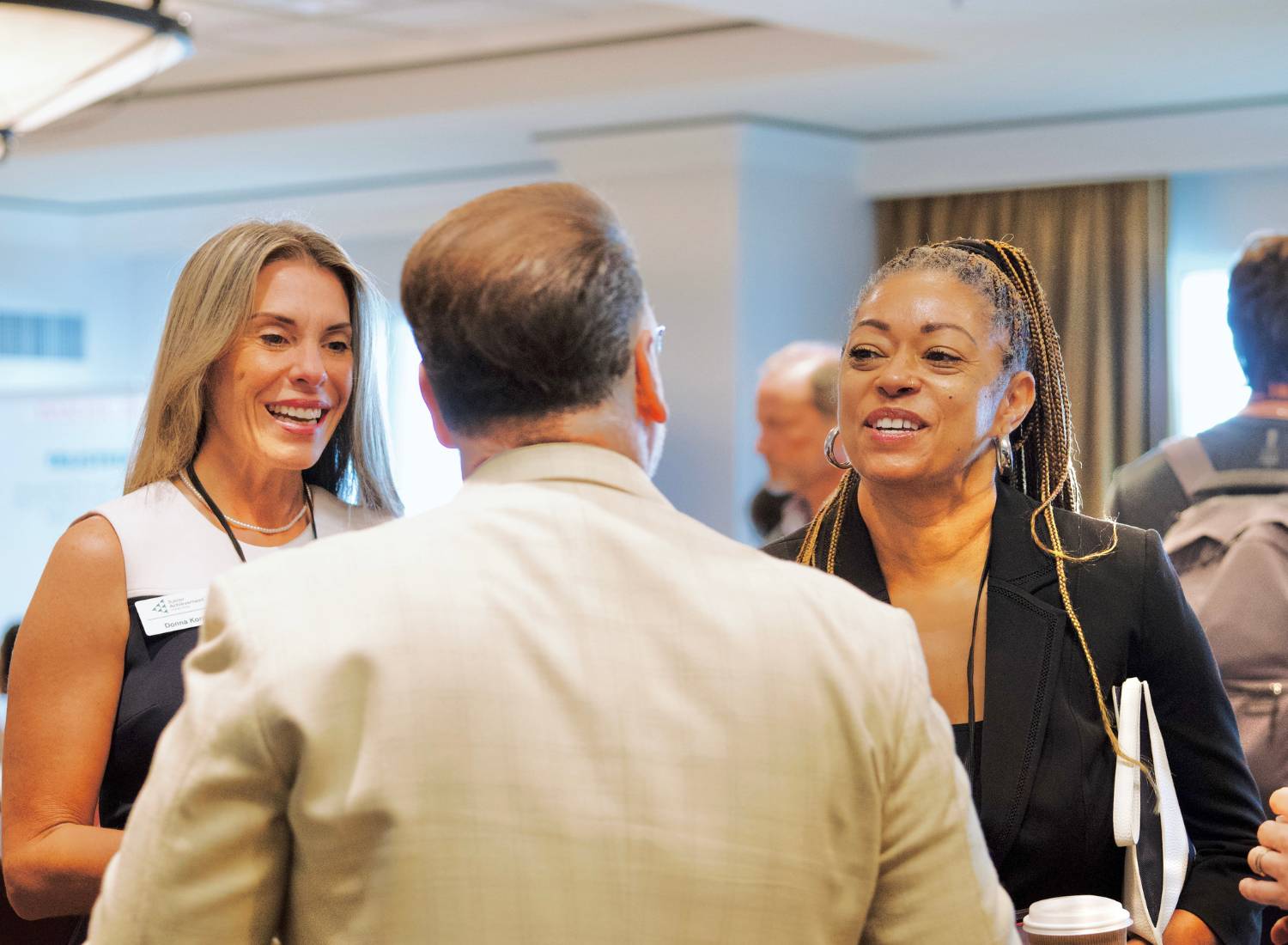
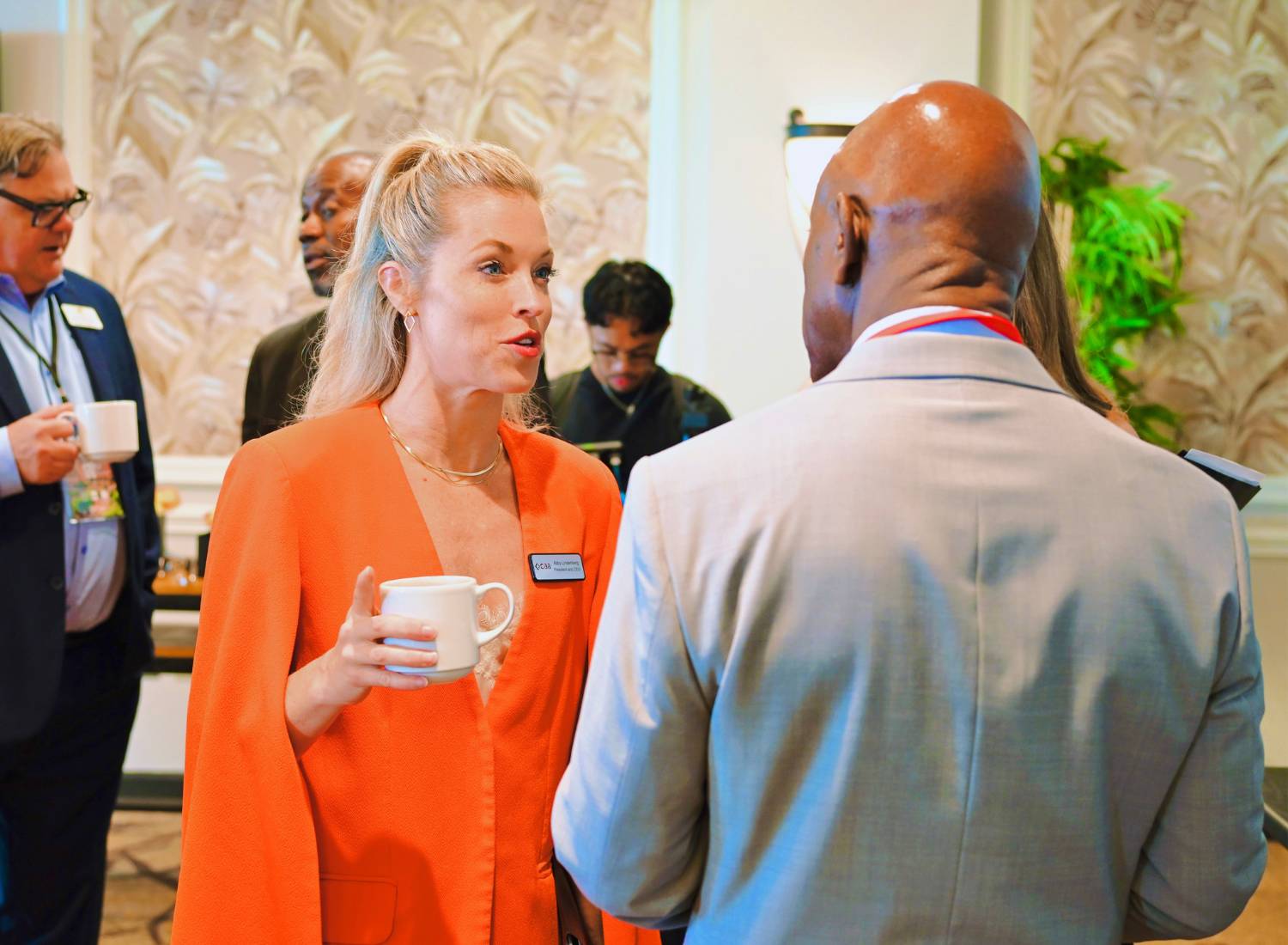
Relive the event! More photos to come:

Want more? Read the Invest: Greater Fort Lauderdale report.