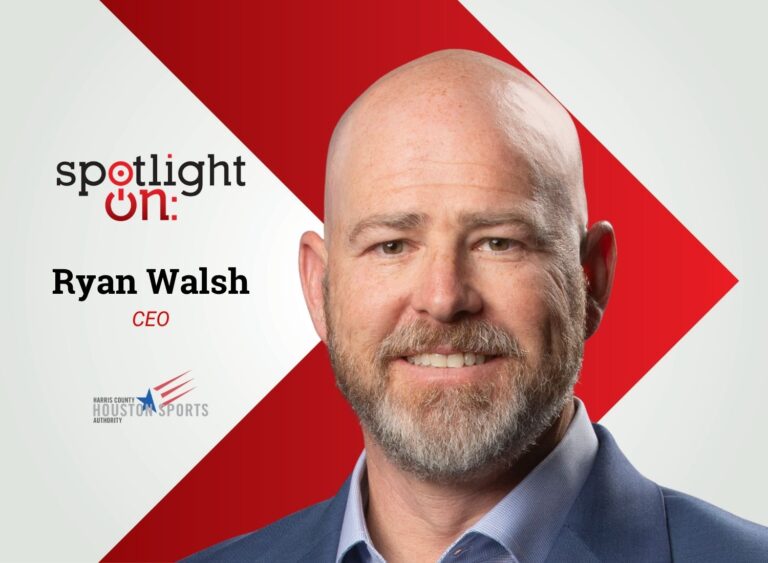

Brian Epley, County Manager, Burke County
 In an interview with Invest:, Brian Epley, county manager of Burke County, discussed the county’s efforts to strengthen economic development, expand housing, improve infrastructure, and build long-term prosperity. “We are in the middle of nowhere but the center of everything,” Epley said.
What are your top priorities for Burke County over the next few years, and how do they support the county’s long-term growth strategy?
Long-term planning remains a major focus for our Board of Commissioners. That includes everything from capital forecasting, workforce stabilization, performance metrics, and cost management to evaluating community trends and determining where Burke County can make the greatest impact.
We have defined our organizational purpose as improving lives in Burke County. Our highest priority over the next three to five years, without a close second, is economic development. Public safety remains important, as do community development priorities such as housing and water and sewer infrastructure.
These priorities are interconnected. Following the decline of the textile and furniture industries, Burke County experienced challenges related to wages, housing, education support, substance use, and workforce participation. Many of those issues ultimately connect back to economic opportunity. Economic development, upward mobility, and living-wage jobs are foundational to addressing them.
North Carolina continues to attract significant investment and manufacturing activity. How is Burke County positioning itself to benefit from those opportunities?
North Carolina has done an excellent job positioning itself as one of the premier states in the country for business, particularly in advanced manufacturing. The question for Burke County is how we position ourselves to compete for those investments.
For us, economic development means attracting new companies and supporting the expansion of existing industries. That requires business-friendly policies, responsible incentives, and strong infrastructure. Most importantly, companies need low risk and speed to market.
Our focus has been on developing sites and infrastructure that allow companies to move quickly. If we can provide appropriate zoning, utilities, and ready-to-develop sites, we reduce risk for decision-makers and improve our competitiveness. That has been our focus for the last three years, and we are optimistic it will produce results.
Are there specific industries where you see the greatest growth potential?
Absolutely. We evaluate industries based on workforce needs, talent pipelines, and how they complement existing regional assets.
Given the presence of BMW in South Carolina and Toyota in Chatham County, automotive suppliers are a natural fit. We also benefit from extensive rail infrastructure, port accessibility, and access to international airports.
As a result, advanced manufacturing, metal fabrication, automotive suppliers, and aerospace represent some of our strongest target sectors.
We also continue to value our traditional industries. Burke County still has strong furniture and textile roots, and it is important not to forget the businesses and workforce already here. Supporting existing industries remains an important part of our strategy.
How does Burke County’s location contribute to its competitiveness?
We are in the middle of nowhere but the center of everything.
Burke County is located about 50 minutes from Charlotte, 45 minutes from Asheville, and roughly an hour and 15 minutes from Greenville-Spartanburg. We are surrounded by growing markets and have access to significant economic activity.
One area where we see opportunity is strengthening our connection to Charlotte. Historically, we have not marketed ourselves enough toward that region. Over the last several months, that has become a greater focus within our economic development strategy.
I can leave my office and reach Charlotte Douglas International Airport in less than an hour. We recently hosted a company from New Jersey that was surprised by how close we are to Charlotte. In the world of commerce, we are effectively next door, and that proximity creates opportunities for both business investment and residential growth.
What infrastructure investments are most important to supporting future growth?
Broadband has become the infrastructure utility of our generation. When I came to Burke County, only about 66% of broadband serviceable locations had access to high-speed service. Today, that figure exceeds 90%.
The state has led much of that effort, but we have actively advocated for and managed those projects. As a result, we can confidently market Burke County as a place where digital commerce can thrive.
We are also well positioned when it comes to water and wastewater infrastructure. We have strong natural water resources and substantial treatment capacity, creating opportunities for industries such as life sciences and biotechnology.
Transportation is another strength. Interstate 40 runs through the county, Norfolk Southern provides rail access, and we have access to regional and international airports. These assets help support both existing businesses and future investment opportunities.
How is Burke County addressing workforce development challenges?
Our Board of Commissioners has made education a priority. Over the last three and a half years, we have increased local public education funding by more than 30%. We believe investment in education is critical to preparing students for future careers.
Burke County has a labor force of about 44,000 people, yet more than 20,000 residents leave the county each day for work. Many of those workers commute to surrounding counties for employment opportunities.
We believe there is a significant opportunity to create jobs within Burke County that offer competitive wages and encourage more residents to work closer to home. While some communities struggle to find workforce, we see a substantial labor pool already living here. The challenge is creating enough quality jobs to retain that talent locally.
How does housing availability factor into your economic development strategy?
Housing is a major focus area for us. We have created a housing inducement program that allows us to partner with private developers through public-private partnerships.
Within the last 60 days, we launched two agreements that will support projects that otherwise would not have moved forward. Those efforts are expected to add approximately 250 homes to the county.
The goal is to reduce development costs, create attainable housing opportunities, and support workforce growth. Housing is directly connected to economic development because companies ultimately need access to people and labor.
We are also reviewing development regulations that may no longer reflect current market realities. Housing needs today are different than they were decades ago, and we want to ensure that developers have a path to success while residents have a path to homeownership.
Last year, Burke County issued 401 single-family permits in the unincorporated portions of the county, the highest number we have ever recorded.
What is your outlook for Burke County over the next three to five years, and what would success look like?
We are still recovering from a major disaster, and continuing that recovery remains important. Local governments are also managing changing regulatory environments and ongoing cost pressures.
Beyond those challenges, success means achieving growth at the right pace and in the right places. Growth management is difficult because communities need momentum while ensuring development occurs thoughtfully and with public support.
Burke County has not experienced a major economic development announcement in my lifetime, and we have not seen a significant housing development project at the scale we are now pursuing. We are currently building an industrial shell building and advancing a premier industrial site that we believe could be transformational if developed properly.
Five years from now, success would mean seeing meaningful job creation, increased tax-base investment, continued progress in education and housing, and a stronger community overall. Most importantly, that progress must happen with the community, not to the community. If we achieve that, I believe we will have been successful.