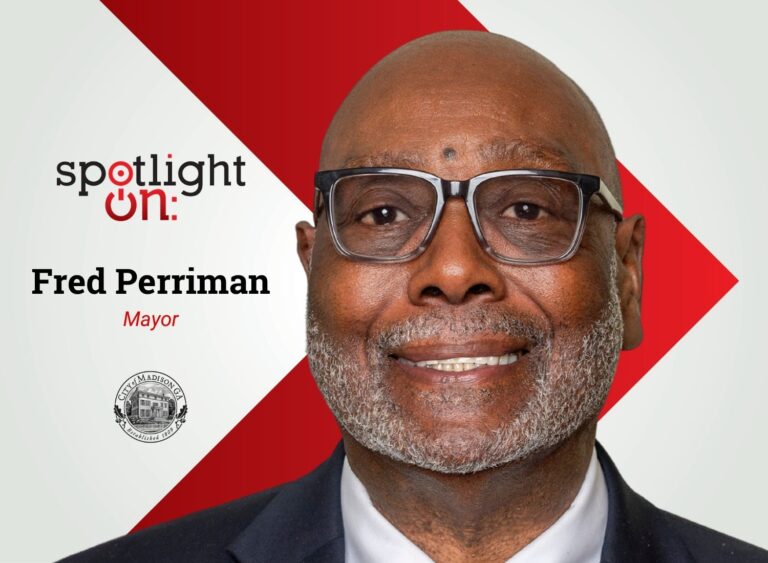

Spotlight On: Fred Perriman, Mayor, City of Madison
Key points:
- • Madison is balancing economic growth with historic preservation and infrastructure capacity.
- • Affordable housing and quality jobs are central to long-term planning.
- • Regional collaboration is helping address infrastructure and fiscal pressures.
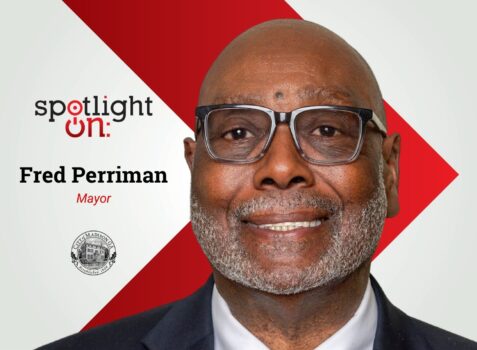 October 2026 — Focus: sat down with Madison Mayor Fred Perriman to discuss data centers, historic preservation, affordable housing, infrastructure, fiscal pressures, and regional collaboration. “We live in the same community, we go to the same church, we go to the same restaurant, we go to the same grocery store. That shared life gives us a reason to work together and make Madison and Morgan County viable for everyone,” Perriman said.
Join us at caa’s upcoming leadership summits! These premier events bring together hundreds of public and private sector leaders to discuss the challenges and opportunities for businesses and investors. Find the next summit in a city near you!
What recent changes are having the greatest impact on Madison?
Madison is feeling the ripple effects of growth in metropolitan Atlanta. Madison and Morgan County continue to be part of Georgia’s industrial expansion, which now includes rapidly growing AI-related data center corridors. Every city will have to decide how it wants to respond to that kind of development.
We currently have a moratorium on data centers so we can gather more information about what they would do and the challenges involved. We want to understand how to capture economic opportunities while protecting Madison’s scale, character, and infrastructure capacity.
We are also at the end of one planning cycle and the beginning of another. The city is working on its comprehensive plan for the next 10 years and waiting for residents to help set priorities. This moment gives us space to reset expectations, reevaluate assumptions about growth, and recenter community values. Madison is a historic city that attracts visitors from many places. We want to grow in a way that does not sacrifice that character.
The moratorium gives us time to place those questions inside the broader planning process. Data centers may bring investment, but the city must understand their effects on infrastructure and whether they fit the scale residents want. The comprehensive plan is where the community can define what it wants Madison to become over the next decade before the city commits to a particular direction.
How does Madison balance growth with its historic identity?
I work for a strong council, and we collaborate closely with our planning department. We focus on what will continue to bring people to the city. If growth is excessive, it can diminish Madison’s character. If we grow in the right way and in the right direction, we can maintain the qualities that support tourism while meeting our responsibilities to residents.
That means pursuing the right jobs and industries so people who live here can thrive. Growth should support the community rather than simply add development. We have to consider how each project affects the city’s historic appeal, its residents, and the services and infrastructure on which everyone depends.
What priorities should shape the next 10 years?
Affordable housing will be a challenge for every city. Madison needs to keep affordable homes high on the priority list, but housing cannot be considered separately from jobs. We need industries that allow people to afford homes, remain in the city, and work here.
If surrounding communities provide housing that Madison lacks, we risk losing that community connection. We must stay focused on both affordable homes and the right industries. That is especially important for keeping young people in the city, county, and broader community.
Housing and industry therefore have to advance together. Homes are not affordable simply because they are built; residents also need jobs that provide enough income to remain in Madison. The industries we recruit should create that opportunity and give younger residents reasons to build their lives here instead of moving to another city.
What kind of industry would best support Madison’s infrastructure?
An industry that wants to join the community needs to buy into the community. It should support Madison and expand the tax base. Like many cities, we have aging infrastructure. The right industry can provide revenue that allows the city to gradually address water, gas, sewer, roads, and other systems that have deteriorated over many years.
Cities can pursue grants, but there is only so much they can accomplish without additional revenue or higher taxes. There are many projects we would like to complete but cannot yet fund. We need industries that love Madison the way we do and want to contribute to its ability to thrive and survive.
That buy-in matters as much as the project itself. We are not looking only for a company that occupies land. We want an employer that increases the tax base, supports infrastructure, hires local people, connects with schools and families, and sees itself as part of Madison for the long term.
How could a northern bypass affect the city?
A northern bypass has been needed for years. It would change traffic patterns and could change the way visitors enter downtown. The opportunity is to strengthen downtown walkability and bicycle access while keeping the core vibrant.
Bypasses are intended to divert heavy trucks from city streets. Removing some of that truck traffic would help residents and visitors feel safer. Visitors who want to travel through Madison could slow down and look around instead of feeling pressured by traffic behind them. The bypass will not happen tomorrow, but I hope it becomes a future access improvement for the city.
How can infrastructure investments help small businesses?
Supporting small businesses requires the infrastructure they need, including water, gas, and sewer service. If a business is a good fit for Madison and needs city support for infrastructure, we will consider how many employees it expects to hire and the value it can bring. The city may go the extra mile for the right company.
We want businesses to become part of Madison and remain here. They should create opportunities that encourage younger residents to stay. A responsible company will also consider the quality of the school system, especially if it is bringing employees and families into the area. Those families want their children to benefit from strong education and athletics, with education as the first priority.
How is the city responding to its financial pressures?
Every city experiences financial challenges, and Madison is going through them as well. The city manager, mayor, and council need to determine what changes will allow the city to continue operating and serving residents. That can require decisions we do not like.
When reviewing the budget, we have to examine every expense and determine what we are paying too much for or no longer need. We also have to treat employees fairly. If an employee is the head of a household, we should do everything possible to keep that person with the city.
It is a system of checks and balances, and difficult decisions can draw criticism. Residents need to understand that changes are sometimes necessary to preserve the services they rely on. We must look at the whole picture and protect both the city’s financial health and the people who deliver those services.
What role can public-private partnerships play?
Public-private partnerships can help us meet goals such as affordable housing because those partners want Madison to thrive and survive. They cannot do everything, but when they see a need, public and private organizations often ask how they can make the community better. They have a stake in the outcome because Madison is their home.
Our city and county use the phrase One Morgan. It takes the school superintendent, county manager, commissioners, city manager, mayor, and council collaborating to build the city and county we believe are possible. When we work together on projects, we make better decisions for our schools, city, and county.
Partnership is like a marriage. We live in the same community, we go to the same church, we go to the same restaurant, we go to the same grocery store. That shared life gives us a reason to work together and make Madison and Morgan County viable for everyone.
Want more? Read the Focus: Atlanta report.