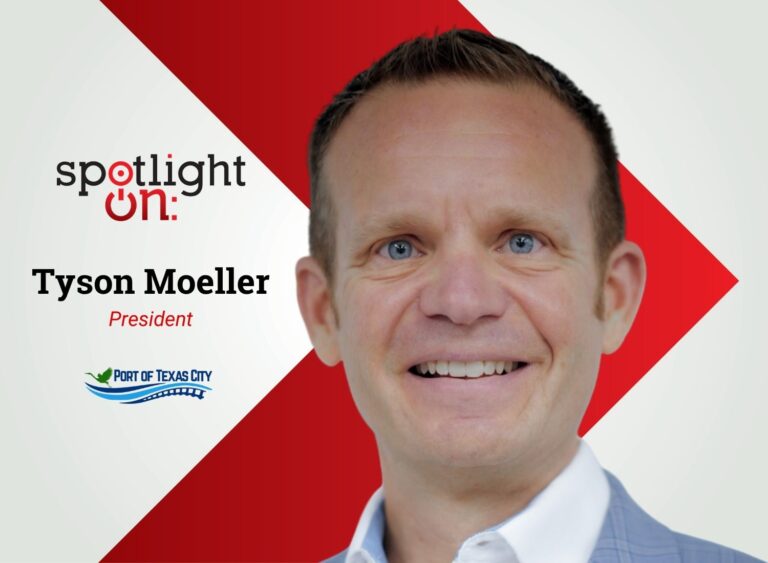
Kevin Mathes, Superintendent, North Raleigh Christian Academy
 Invest: spoke with Kevin Mathes, superintendent of North Raleigh Christian Academy, about school choice, growth in the Triangle, technology in education, and the academy’s plans for the future. “The Raleigh area and the Triangle in general have just had an explosion of growth,” Mathes said.
What are the biggest changes you have seen in the educational landscape over the past year, and how are they shaping your priorities?
Probably the biggest change recently has been North Carolina’s expansion of funding for the Opportunity Scholarship. In its first version, it was needs-based, along with some funding for students with disabilities. Over the last couple of years, the legislature has expanded that into more of a school choice program.
In a post-COVID world, families in our local area have really desired an alternative to public education. For us, that means families are looking at NRCA as a faith-based option. The expansion of Opportunity Scholarship funding has given families more access to a private Christian education.
As the Triangle continues to attract new residents, employers, and investment, how is that growth affecting demand for education?
The Raleigh area and the Triangle in general have just had an explosion of growth. You can see that in the housing market and throughout the region. Much like Raleigh is trying to keep pace with infrastructure needs, NRCA is investing in its own infrastructure to support growth.
Families moving into the Triangle place a premium on education. The region is known for both higher education and K-12 education, which creates opportunities for schools like ours. At NRCA, we provide a college preparatory education along with a faith-based component, which continues to resonate with many families.
What role should K-12 schools play in preparing students for the workforce, and what skills will become most important?
There are two areas I would point to. The first is critical thinking and problem-solving. Education is not simply about knowing content. It is about teaching students how to evaluate information, think critically, and solve problems.
Students need to be able to process what they are learning, whether that is in literature, history, or another subject, and apply those lessons in meaningful ways. Beyond academics, employers are looking for people who can communicate effectively, work with others, and demonstrate strong social skills.
The second area is technology. NRCA invests heavily in technology and operates as a one-to-one school, where every student from kindergarten through 12th grade is issued a school iPad.
While some families have concerns about excessive screen time, we focus on a balanced approach. Students will ultimately need to use technology in college and in the workplace, so we want them to develop those skills responsibly. We also teach digital citizenship and are incorporating discussions around AI as part of that process.
How do you see artificial intelligence changing the learning experience, and how are you preparing students for an AI-driven future?
We have started by looking at how AI can help us institutionally. We want to understand how it can help our offices operate more efficiently and how teachers can use it as a resource for lesson planning, curriculum development, and assessments.
If teachers understand how to leverage AI effectively, they can model those practices for students. However, AI ultimately comes back to critical thinking. Students and teachers need to understand that AI is only as good as the person using it.
People need to understand what they are trying to accomplish, evaluate the output, and determine whether it is accurate, useful, ethical, and responsible. AI is not going away, and it will continue to become an important tool in education and the workforce.
Where are you prioritizing infrastructure investments, and what are your plans for growth?
A few years ago, we recognized the rapid growth occurring across the Triangle. As a result, NRCA has experienced enrollment growth and is nearing capacity in many grade levels.
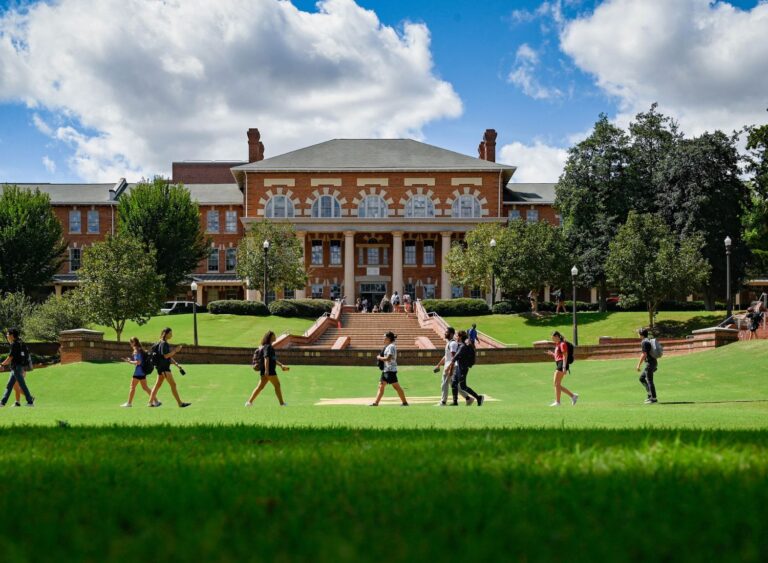
We are one of the larger private Christian schools in the area, with nearly 1,600 students on a single campus. Our focus has been on ensuring our facilities continue to effectively support students, staff, and families.
Recent investments have included improvements to traffic flow and campus access, as well as expansions to gathering spaces and parking. These projects help us manage current enrollment while positioning us for controlled growth in the future.
Our goal is to meet the needs of our community without creating an overcrowded environment. These improvements support where we are today while also preparing us for the years ahead.
Recruiting and retaining talented teachers continues to be a challenge. What has been most important in building and maintaining a strong faculty and school culture?
Over the last several years, we have invested heavily in professional development, particularly in the areas of technology and AI. Teacher workload and burnout remain important concerns, and we want to support our faculty both professionally and personally.
Teaching has always involved work beyond the classroom, but we want to provide teachers with resources that help them be more effective and efficient. That includes technology tools, curriculum resources, and ongoing professional development opportunities.
We regularly review curriculum and instructional approaches because education continues to evolve. Students learn in different ways, and teachers must be equipped to meet those needs.
Ultimately, we want to create an environment where both students and teachers can thrive and have the best possible experience.
What are your top priorities for NRCA, and what keeps you optimistic about the future in the Triangle?
One of our priorities is to continue serving both our stakeholders and the broader Raleigh community. We want to be a positive representation of our Christian values while remaining engaged with the community around us.
We intentionally partner with local churches, which is something we are proud of. We also maintain strong relationships with other private schools throughout the region.
Rather than viewing each other as competitors, we recognize that many families are moving into the Triangle and looking for educational options. We want to help those families find the right fit, whether that is NRCA or another school.
Those relationships create opportunities for collaboration and strengthen the overall educational landscape in the region.
Is there anything else you would like to highlight about North Raleigh Christian Academy?
One of the things that makes NRCA unique is that we are a distinctly Christian school. We are a nondenominational Christian school, and our approach is grounded in the principles and truths found in the Bible.
As we look at the changing culture around us, remaining rooted in our faith continues to be a priority. That commitment is a defining part of who we are as an institution and will remain an important focus as we move forward.