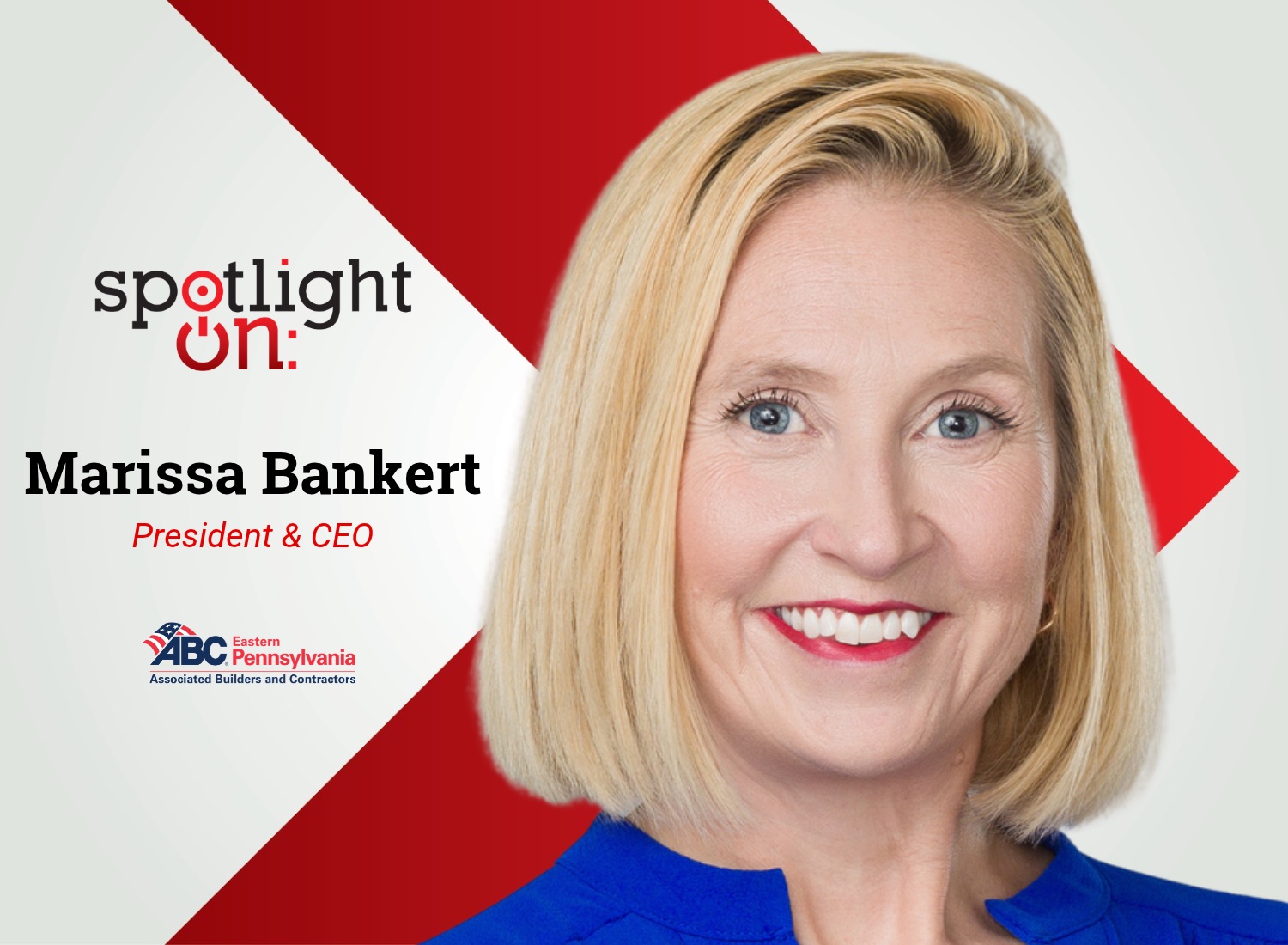

Harvey Ward, Mayor, City of Gainesville
 Invest: spoke with Harvey Ward, mayor of the city of Gainesville, about the city’s economic foundations, infrastructure investments, housing strategy, and efforts to preserve its natural environment while accommodating growth. Ward also discussed Gainesville’s opportunity to retain talent generated by the University of Florida and attract companies seeking a skilled workforce and competitive operating environment. “We can do business, we can learn, we can be healed. And we can still maintain our natural environment in a community,” Ward said.
What distinguishes Gainesville’s economy and regional role?
Gainesville is the 13th-largest city in Florida, with about 151,000 people inside the city limits. More than half of Alachua County’s population lives within Gainesville.
We do not manufacture many products. What we provide is an opportunity for people from around the state and the world to come here to learn, receive an education, and access our healthcare networks. Higher education and healthcare are remarkable industries, and we are proud of both.
Those sectors give Gainesville a much broader reach than most cities of 151,000 people. Across Florida and much of the Southeast, many families have a connection to Gainesville through the University of Florida, UF Health, HCA Florida Healthcare, or the Department of Veterans Affairs. Our VA hospital, which is adjacent to UF Health, is the largest in the Southeast. We have an incredibly dense, forward-thinking medical sector and one of the largest universities in the world.
What investments are improving residents’ quality of life, particularly in historically underserved areas?
We are focused on serving parts of the community that have traditionally been left behind, particularly East Gainesville. More than $100 billion in public investment has gone into East Gainesville over the past several years or is planned for the coming years.
We are rebuilding the community’s high school football stadium and developing new recreational and healthcare infrastructure. Through a partnership with UF Health and Alachua County, we built a health clinic along the Hawthorne Road corridor. We are pairing that clinic with a transit hub that will break ground soon.
We are also building two new fire stations. Gainesville is growing, and we cannot rely on fire stations that are 50, 60, or 70 years old to serve residents moving here. We also began work on a $23 million property and evidence building for the police department. We are serious about public safety.
Downtown is another major focus. We want it to be a place where people live and work, as well as a destination for visitors. We are developing a pedestrian mall called the Streatery, which will open in time for football season. Visitors attending University of Florida football games will be able to enjoy the Streatery and improvements such as the renovated City Hall Plaza.
Public and private investment is flowing into downtown. A private development near the Streetery will create workforce housing for about 400 residents. When we discuss workforce housing, we are talking about teachers, firefighters, police officers, and other working people who have been priced out of markets across Florida.
Fall is also an important economic season. In addition to home football games, Gainesville hosts Fest, an internationally known punk rock festival that brings millions of dollars into the community each October, as well as downtown arts festivals. There is nothing quite like fall in Gainesville.
How are infrastructure and revitalization projects supporting broader economic development?
We are opening old infrastructure to new opportunities. The Streatery is a good example. We had a two-block street with limited activity and historic storefronts supported by infrastructure that was about 125 years old.
The impetus for the Streetery was rebuilding the infrastructure underneath it. When the Hyatt was developed downtown, we used that opportunity to replace infrastructure and create conditions in which businesses could thrive for the next 50 or 100 years. Infrastructure that does not function is not charming. We want reliable infrastructure that welcomes investment.
We believe private investment will follow public investment throughout the community. The medical sector illustrates that effect. The Norman Fixel Institute for Neurological Diseases at UF Health brings neurological sciences together in one location and attracts patients from around the world. It has equipment and expertise available in only a few places.
I expect the area surrounding the Fixel Institute to become one of Gainesville’s fastest-growing neighborhoods over the next decade. Financial services are already investing nearby. Florida Credit Union recently built a new headquarters near the institute. Gainesville has three credit unions headquartered here, and two rank among the 20 largest in Florida. Financial services are a stronger local sector than many people realize because of our concentration of the University of Florida, UF Health, and state employees.
How is Gainesville addressing housing affordability while preparing for continued population growth?
We are growing rapidly, as are other cities throughout Florida. When growth happens quickly, prices can outpace residents’ ability to live comfortably. Gainesville has made a concerted effort to invest in affordable housing, but we have also worked to make market-rate housing easier to build.
The housing crisis exists because the country did not build enough places for people to live for approximately 40 years. Gainesville is determined to get on the right side of the supply-and-demand curve. We are investing heavily in affordable housing, but we also recognize the value of common-sense changes to land-use regulations, development codes and zoning categories. Making it easier for private companies to build housing has paid off.
We also expect approximately 7,000 to 8,000 homes to be built over the next five to 10 years on land owned by Weyerhaeuser north of the city center. Conservation remains equally important. When green space is developed for housing, we have to identify additional conservation opportunities so the qualities that make Gainesville special remain intact.
How does Gainesville balance development with environmental conservation?
When I fly into Gainesville, it is difficult to tell that hundreds of thousands of people are working and moving throughout the city because almost everything visible from the air is trees. Gainesville has the highest percentage of tree canopy of any Florida city and one of the highest in the Southeast.
When residents are asked what they truly appreciate about Gainesville, the answer eventually comes back to the trees.
We also have 28 parks within the city limits, most of which support active recreation. Sweetwater Wetlands Park was created to process stormwater, but it has become an enormous wetland environment that attracts bird-watchers from around the world while serving as a critical stormwater facility.
We can do business, we can learn, we can be healed. And we can still maintain our natural environment in a community.
Cities make an enormous mistake when they assume they must choose between development and conservation. It is a difficult balance, but we have to achieve it. Gainesville residents care about good jobs, good places to live, and access to the community’s unique natural environment. They will not accept sacrificing any one of those priorities.
What are Gainesville’s principal priorities for the next five years?
Gainesville is consistently one of Florida’s youngest communities because it is home to one of the world’s largest universities. That keeps us focused on what comes next.
When making decisions about land use, zoning, or development, I consider three constituencies. We must honor the legacy of those who came before us, serve the people who live here today, and create opportunities for generations that may not yet know Gainesville exists. Decisions made today will shape the city for decades.
Our first priority is public safety. We will continue investing in law enforcement, fire, and rescue services, as well as the infrastructure that helps residents feel safe. Public safety represents far more than half of our general fund budget.
The second priority is ensuring people have good places to live, whether those homes are subsidized, affordable, or market rate. That includes protecting the natural environment that defines Gainesville.
The third priority is doing a better job of inviting businesses to Gainesville. We have always been open for business, but we have not told our story well enough. We want to foster local startups and retain them rather than losing them to larger markets. We also want established companies seeking cost-sensitive growth opportunities to recognize that Gainesville is ready for them.
Brilliant minds come through the University of Florida every year, and many want to remain here. We must ensure they have places to work, create, and pursue next-level ideas without leaving the community. Gainesville needs to make attracting the best companies a clear priority.