





Face Off: An Orlando real estate outlook for 2026
Key points:
• Orlando’s long-term population and tourism growth are reviving demand across hospitality, multifamily, and mixed-use assets.
• Developers are moving from concept to delivery as lending conditions slowly improve.
• High construction costs and capital intensity remain the sector’s biggest near-term challenges.
 January 2026 — After a volatile 2025 marked by elevated interest rates, rising construction and insurance costs, and tighter lending conditions, Orlando’s real estate market is entering changing times.
Join us at caa’s upcoming leadership summits! These premier events bring together hundreds of public and private sector leaders to discuss the challenges and opportunities for businesses and investors. Find the next summit in a city near you!
Florida has nine cities included in the top 25 fastest-growing places in the country for 2025-2026, according to U.S. News & World Report. According to Tourism Analytics, the Orlando International and Sanford airports reported an increase in total visitors by October 2025 at over 25 million deplanements — 3.5 million international and 21.6 million domestic — an increase by 0.8% compared to 2024.
The long-term population growth, added to a resilient tourism economy, leads to a growing demand across real estate assets in hospitality, multifamily, and mixed-use developments.
Leaders in the industry are already expecting major projects to move from concept to delivery in 2026, including unique assets that respond to changing travelers’ expectations and high-end products demanded by renters, buyers, and visitors alike.
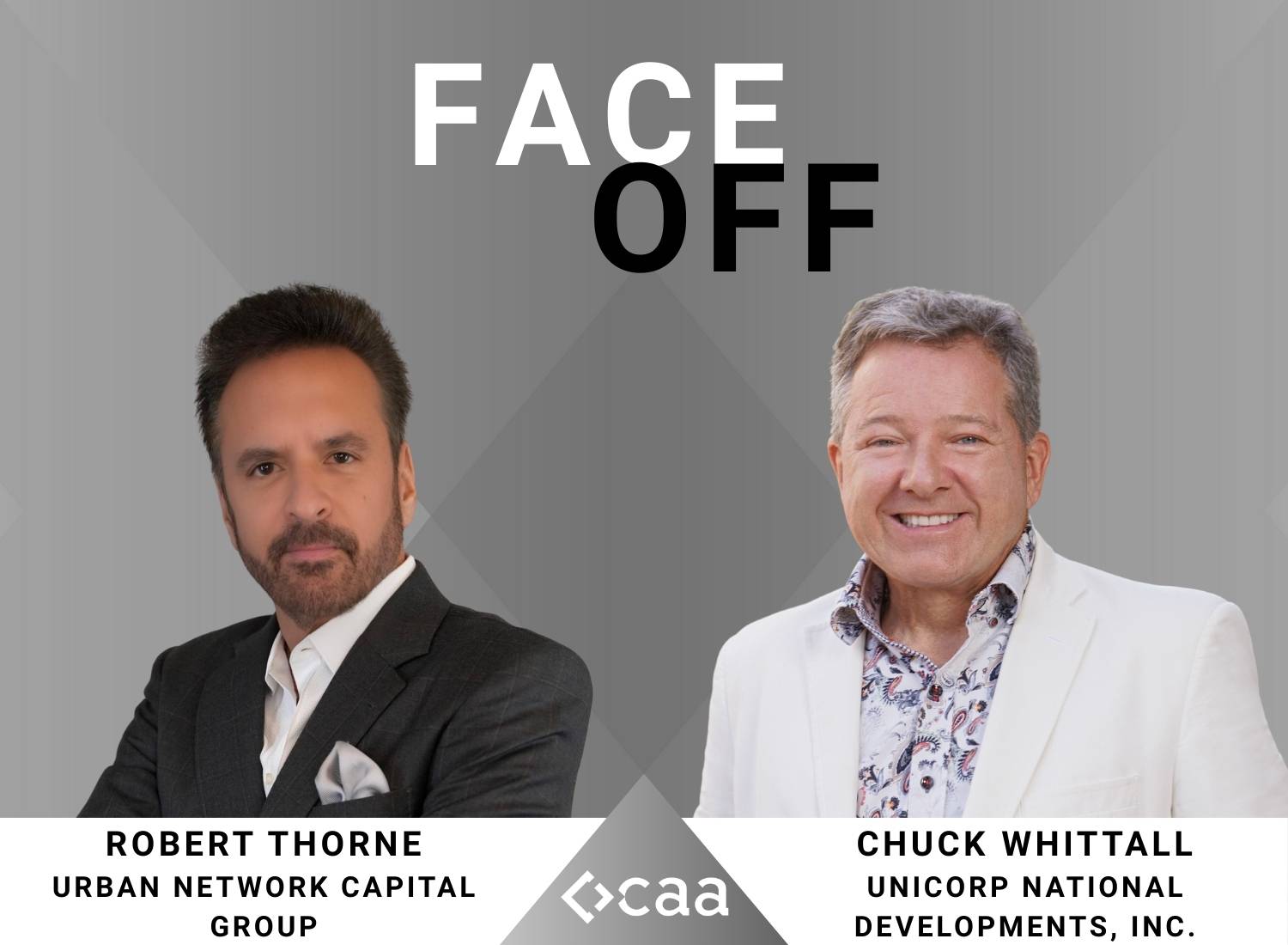
To illustrate the expectations for the real estate market for 2026, Invest: Greater Orlando sat down with Robert Thorne, CEO and founder at Urban Network Capital Group, and Chuck Whittall, president at Unicorp National Developments, Inc.
What have been the major milestones and strategic changes for your firm over the past year?
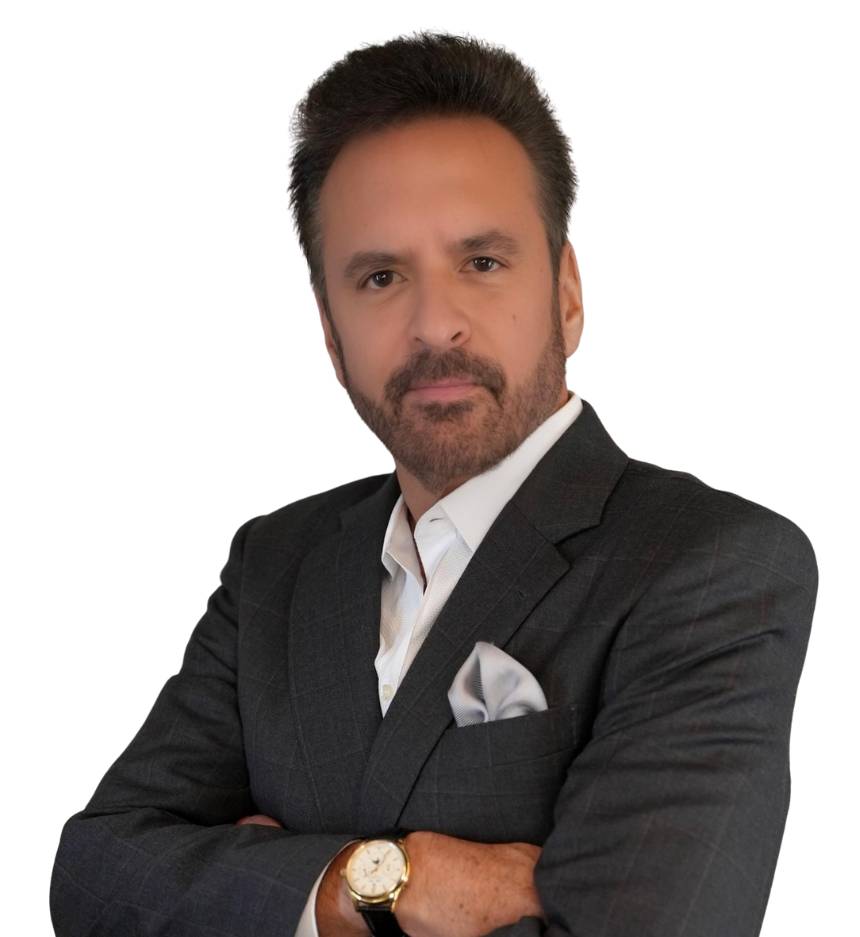 Robert Thorne: This past year has been important for us because we are finally moving from selling a dream to delivering it. In Orlando, we are almost finished with our first property, The Flats, which we will be delivering in April. Reaching that milestone matters because, for many years, we were asking buyers and investors to believe in a concept; now they can see it taking physical shape.
At Visions, we also completed the full infrastructure for a development with about 1,000 horizontal and vertical units.
Another major milestone was completing Celebration Boulevard. That road connects Osceola Park Road to 192 through Celebration. It relieves a serious traffic situation and opens up new opportunities for development and commercial uses along the corridor.
Looking ahead, 2026 is probably the most important year for the company. We will be delivering about 500 units that year. Once those are delivered, it closes a chapter on who UNCG is as a developer because we will not only have planned and sold projects, but we will have fully developed and delivered them. That is when the company can truly say it has fulfilled its promise and its vision.
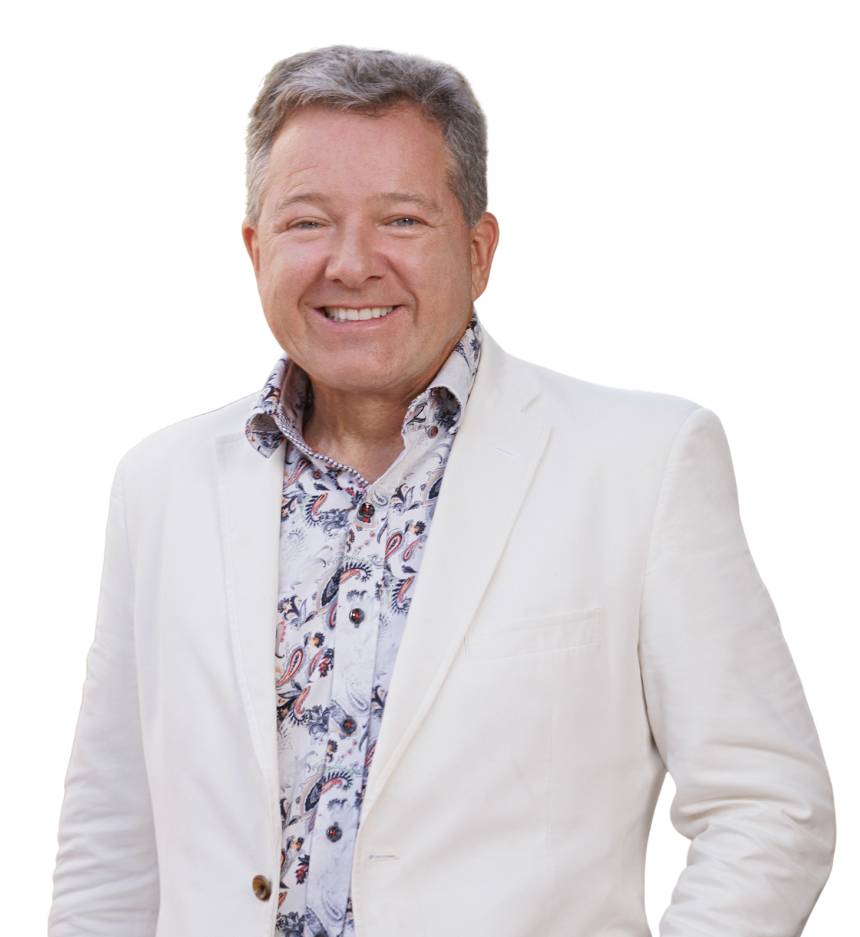 Chuck Whittall: We opened the St. Regis at Longboat Key last year, and the hotel is doing phenomenally well. We went through two hurricanes within thirteen days of each other upon opening, but we reopened a couple of weeks later, and the hotel is doing triple what we expected. We’ve finally been able to secure financing again for apartment complexes, and we have about a half-billion dollars of construction underway right now. Lenders have only recently started to lend again, and we expect that improvement to continue. It has been a tough couple of years with high interest rates, expensive construction pricing, and limited access to loans, but we’re seeing the market improve. We’re also working on several real estate deals, including branded residences in Palm Beach, The Ritz-Carlton Residences, Hammock Dunes in Palm Coast, and others — and overall, the market seems to be thawing.
How would you describe the current landscape for large-scale developments, especially in light of recent macroeconomic challenges?
Thorne: Demand for housing tied to hospitality, end users, and a very large transient population is not fully met. Orlando’s hospitality sector and the space industry bring in a constant flow of people who need space, flexibility, and a certain level of service. There still are not enough units at the caliber the market wants in that niche.
We created a model in Orlando that is a hybrid between an Airbnb-type product and a hotel. Through our research, we found that travelers want three things: space, a good price, and service. Traditional hotels were strong on service but weak on space and price, while short-term rentals offered space and price but were never really designed around service. Our product puts those three elements together in a way that works for both guests and investors.
Whittall: On a macro basis, it’s still very hard to get debt; about 70% of construction has stopped. We’re building now because we expect the market to be undersupplied 24 months from now, making it an ideal time to deliver. That said, these deals require tremendous equity. It’s very capital-intensive, more than we’d like, but you can either stand on the sidelines or get back in the game. We decided to jump back in, and we think it will be a good decision two years from now, but we’ll see.
How are you balancing hospitality developments with the broader housing needs in Central Florida?
Thorne: Our business model is hospitality-based, and that is where we are strongest. We see tremendous demand for multifamily and traditional end-user housing in Orlando, and a lot of major Miami groups — Related, PMG, others — are moving into that space there. They have dedicated multifamily divisions that can absorb those opportunities within their existing structures.
For us, that would mean creating a new division and going through another round of growing pains. We have already gone through that phase as a company in building our hospitality investment platform. At this point, we prefer to focus on what we know best: building a hospitality product that works as an investment.
Whittall: Hospitality is a big part of our business. We’re building a seven-hundred-room InterContinental Hotel directly across from Epic Universe, which is driving enormous demand. Orlando attracts around 100 million visitors a year, and we’re well-positioned to capitalize on that. For example, we demolished the old Wyndham Hotel we owned and are replacing it with a much larger, modern high-rise. We plan to break ground next year. There is still room in the market for a new hotel product, especially off Universal Studios’ property, because much of the existing inventory is aging. Land costs are high today, but we’ve owned our properties for many years.
On the residential side, many retirees from northern states are moving to Florida, which is why our luxury products — The Ritz-Carlton and St. Regis Residences — perform so well. These buyers are often paying cash, so they’re not interest rate-driven. At the other end, younger, interest-rate-sensitive residents tend to rent, which benefits our apartment communities. And tourism fuels hospitality demand. When you look at it, we really hit all sectors: young executive renters, luxury buyers moving here, and visitors staying in our hotels.
What are the most pressing challenges and opportunities in the real estate sector in Orlando today?
Thorne: The biggest challenge right now is construction and material costs. Tariffs and uncertainty around where pricing will go make it hard to lock in predictable budgets for multiyear projects. To move forward, we need to structure win-win agreements that work for both the contractor and the developer over the full life of a project.
For our large project with Meliá at Lake Buena Vista, on Lake Cecile, we are taking a different approach by self-performing. One of our equity partners is a large general contractor. They are coming in with equity and will build the project, so we can control both the construction and the capital side.
By self-performing, especially in a market like Orlando where most projects are not 30-story towers, we can manage costs much more effectively. That allows us to keep the sales price and the market value aligned, instead of constantly chasing rising costs. Self-performance will be a key strategy in Orlando for developers who want to maintain product quality and investor returns in this environment.
Whittall: Affordable housing is a major challenge. Land is expensive, and government fees make it harder. For example, Orange County doubled its water and sewer fees. What used to cost $2 million is now $4 million. Impact fees, connection fees, and property taxes have all gone up. On Glasshouse phases two and three, impact fees alone were $12 million, 10% of the total cost. Government jurisdictions push affordable housing, but they charge developers so much that projects aren’t financially feasible. If you can’t make a profit, you’re not going to build it.
Want more? Read the Invest: Greater Orlando report.
Subscribe to Our Newsletters