
Face Off: Houston Investment Leaders Weigh AI and Energy

Key points:
- • Houston’s role as an energy and innovation hub is attracting capital tied to AI infrastructure growth.
- • AI-driven data center growth is creating new opportunities in energy infrastructure, private markets, and alternative assets.
- • Industry leaders differ on where the biggest opportunities lie, from private wealth strategies to long-term energy investments.
 July 2026 — Houston investment activity is increasingly converging around two themes: artificial intelligence and energy infrastructure. As companies race to expand data center capacity and secure reliable power supplies, investors are directing capital toward the industries positioned to support that growth.
Join us at caa’s upcoming leadership summits! These premier events bring together hundreds of public and private sector leaders to discuss the challenges and opportunities for businesses and investors. Find the next summit in a city near you!
The trend is accelerating nationally. According to projections from Goldman Sachs, U.S. data center power demand will more than double from 31 gigawatts in 2025 to 66 gigawatts by 2027 as AI infrastructure expands. Also, Reuters recently reported that data center developers and digital infrastructure firms are acquiring power generation assets to combat rising electricity costs and accelerate future growth.
Deloitte’s 2025 AI Infrastructure Survey found that 79% of power and data center executives expect AI adoption to increase electricity demand through 2035, while 72% identified power and grid capacity as the biggest challenge to infrastructure expansion. The findings underscore why investors are increasingly focused on energy, digital infrastructure, and private capital strategies. Houston’s position as both an energy capital and a growing technology market places it at the center of those trends.
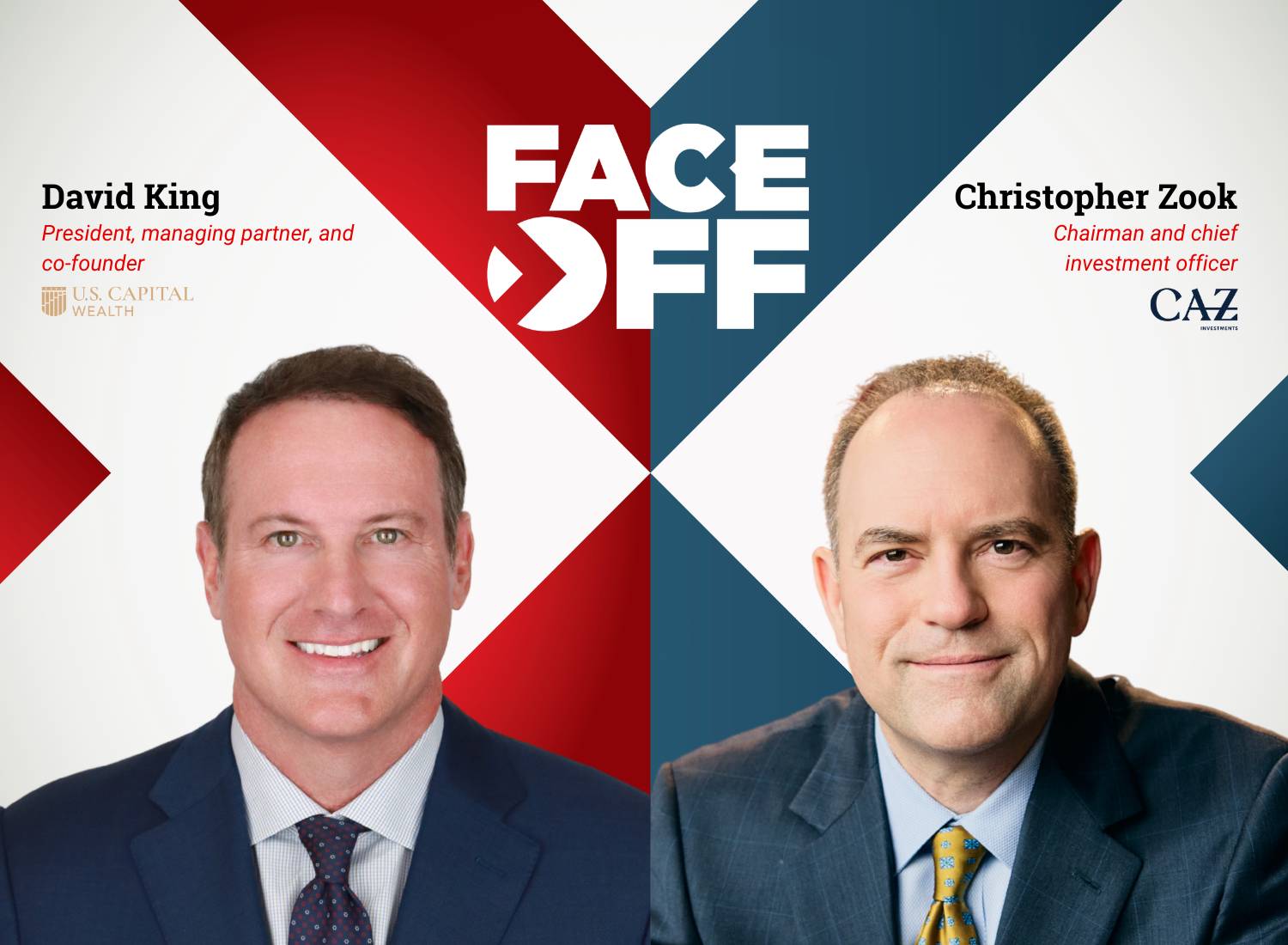
To better understand how these shifts are influencing capital allocation and investment strategies, Invest: spoke with David King, president, managing partner, and co-founder of U.S. Capital Wealth, and Christopher Zook, chairman and chief investment officer of CAZ Investments, to discuss Houston’s competitive advantages, the rise of alternative assets, and where they see the greatest opportunities emerging.
What makes Houston attractive for investors and businesses today?
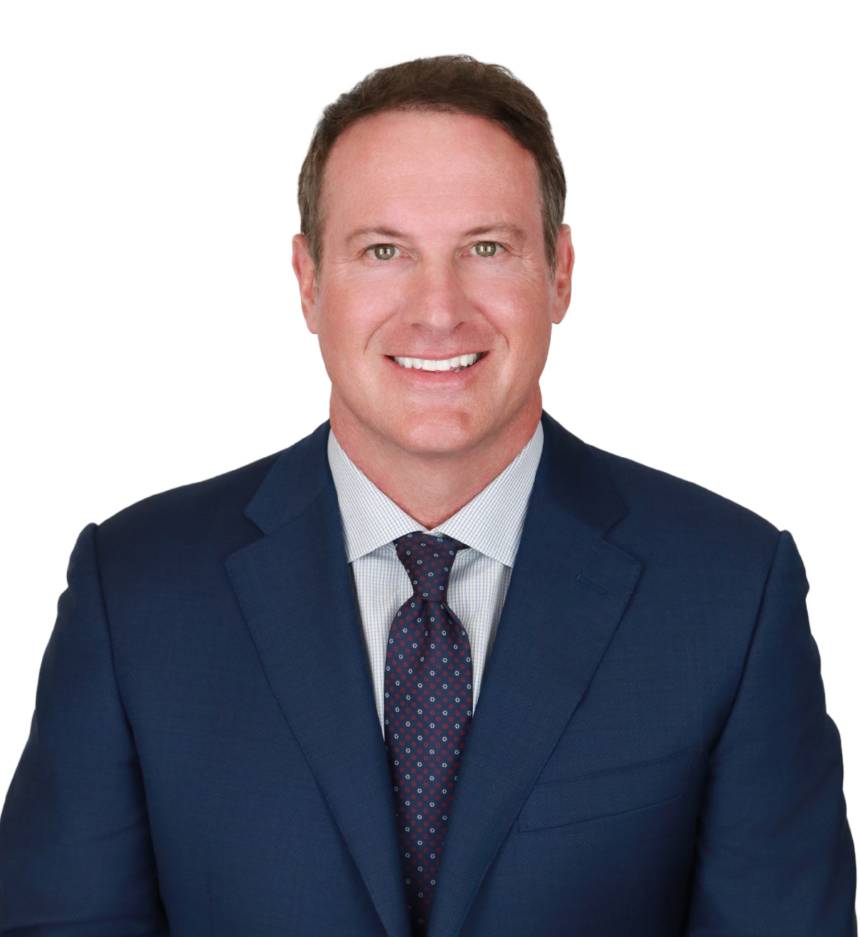 David King: Houston is an incredibly dynamic city. It has historically been fueled by oil and gas, but the economy today is much more diverse. It has the largest manufacturing base in the United States, and a significant amount of that is driven by the petrochemical industry because of the feedstocks here, including natural gas and natural gas liquids.
Houston also has world-class healthcare and technology resources. The Texas Medical Center is the largest in the United States. MD Anderson is one of the top cancer hospitals in the country, and Texas Children’s Hospital is one of the top pediatric hospitals and research centers. That ecosystem brings healthcare services, biotechnology, innovation, and startups to the city. Houston is also well known for aerospace, particularly NASA.
More broadly, Houston has an entrepreneurial culture. It is a welcoming city if you want to start a business, and that is also true across Texas. There is a tremendous amount of capital here, whether for venture capital-backed companies or private equity-backed businesses.
 Christopher Zook: Houston continues to be a strong, business-oriented economy and a place that makes it easier to do business. It has a more business-friendly culture and environment than many other places across the United States and around the world.
Texas is consistently ranked among the most business-friendly states, and Houston is a big reason for that. It is an amazingly diverse city with a wide range of talent and job skills that companies can identify, hire, and develop.
Houston also has the Texas Medical Center and remains deeply tied to its role as the energy capital of the world. As energy demand grows, not only from data centers and artificial intelligence but from many other sources, Houston’s importance will only increase. It is truly the energy solutions capital for the next several decades of development needed to meet that demand.
What investment trends are shaping your outlook today?
King: We continue to see tremendous consolidation nationally. Private equity is investing in wealth management firms because they are attracted to the recurring quarterly revenue and the relatively high margins that can exist at scale.
We are active in alternative investments and always have been, ranging from hedge funds to private equity to venture capital.
Private market investing can generate alpha for wealthy clients because many companies are staying private for much longer, supported by the large and growing private investor universe.
Zook: Private assets are a major theme. As alternative investing becomes more accessible, more firms will manage that capital. We want to own pieces of those firms. We are the largest in the world at investing in GP stakes, which means owning a stake in private asset management firms.
Space and defense are another major theme. The way countries protect themselves today is completely different than it was decades ago, yet many defense systems are still based on older technology. You need modern technology and economically viable solutions.
Space is both an important part of defense and a commercial opportunity. If you do not control both the skies and the space above the battlefield, you are going to lose.
Commercialization of space is creating major opportunities. Companies are building the supply chain needed to support research, communications, and commercial activity in orbit, and there are many ways to invest in that growth.
How is artificial intelligence influencing investment decisions?
King: We are focused on technology and AI. Key areas include CRM and portfolio management systems. Portfolio management systems are critical because they allow us to report on returns and asset allocation, conduct quarterly fee billing, execute trades, and complete quarterly rebalancing.
On the AI side, we are fortunate that our private equity partner has a robust internal AI team and capability, which we intend to leverage. We are also reviewing interesting AI platforms for compliance and supervision.
AI is not putting jobs at risk in our industry right now. When markets are volatile or clients have needs in financial planning, estate and trust planning, or risk reduction, they want to speak with a trusted professional. I do not think our business has much risk from AI. That said, we expect that we will be active users of AI-enabled tools to help drive efficiencies.
Zook: Energy is the best investment opportunity I have seen in my career. What many people do not fully appreciate is how quickly demand is growing and how slowly supply is being replenished.
We are investing in newer technologies across the energy transition, including storage, power, and nuclear. However, many of these solutions will not come online quickly enough to fully meet demand. Data centers and AI are obvious drivers, but as more people around the world move into the middle class, energy consumption will continue to rise.
Energy as an asset class will be an amazing opportunity for at least the next decade, if not multiple decades.
Want more? Read the Invest: Houston report.