Spotlight On: Haley Sofiane, President, CareCentrix
Key points:
- • CareCentrix is expanding home-based healthcare services across Tampa Bay and nationwide.
- • Technology, automation, and AI are improving care coordination and patient access.
- • Tampa Bay’s growing senior population is driving demand for affordable, convenient home care.
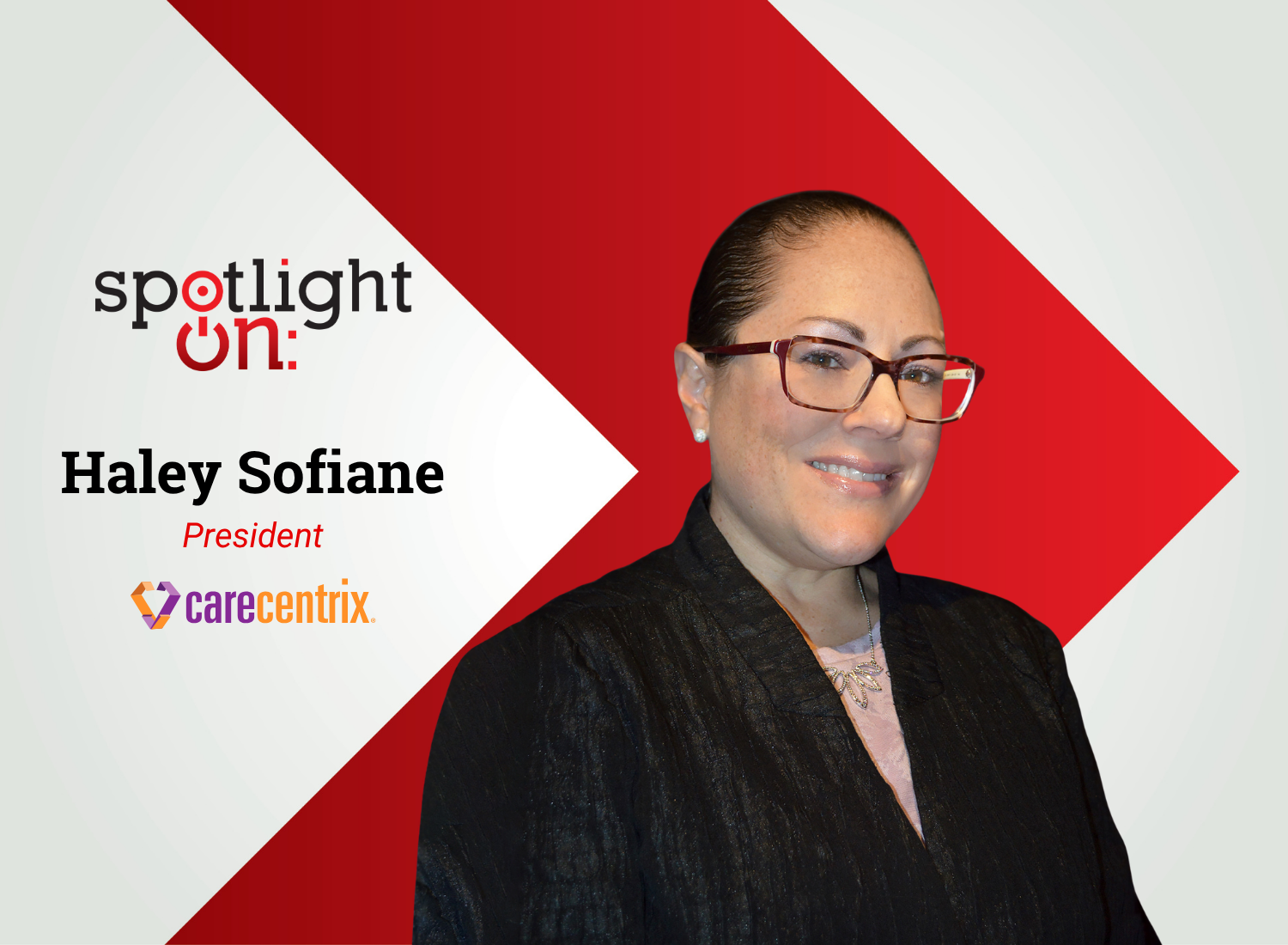 August 2026 —In an interview with Invest: Haley Sofiane, president of CareCentrix, discussed the company’s focus on expanding home-based healthcare services, technology integration, and long-term growth in Tampa Bay. “We’re seeing a significant and sustained shift toward home-based care, driven by both patient preference and the need for more cost-effective solutions,” Sofiane said. “In markets like Tampa Bay, that demand is accelerating quickly, and we’re expanding our capabilities to meet it.”
Join us at the Invest: Tampa Bay Leadership Summit! This premier event brings together hundreds of Tampa Bay’s business and regional leaders to discuss the challenges and opportunities for businesses and investors. Buy your ticket now!
What key changes have had the biggest impact on CareCentrix and its operations over the past year?
CareCentrix has been on a journey of transformation over the past year, with a renewed focus on our core strengths as a company, while accelerating our ability to deliver more care in the home.
We offer a comprehensive product portfolio across home health, home infusion, durable medical equipment (DME), home sleep, and post-acute care, and our priority has been expanding the range of services that can be safely delivered in the home.
A major part of that transformation has been advancing new, technology-enabled solutions that simplify access to home-based care. We recently launched two new products that have resonated strongly in the Tampa Bay area and are expanding throughout the market. One is DME Navigator, an integrated solution that meets providers and health systems where they are when patients are discharging from facilities and need DME. It integrates directly into provider workflows and electronic medical records, enabling clinicians to seamlessly order DME at the point of discharge while allowing CareCentrix to coordinate fulfillment and ensure timely delivery to the home.
At the same time, we’re expanding the clinical scope of what can be delivered safely at home. In home infusion, we have taken a close look at therapies that historically required facility-based care and evaluated how to safely transition them into the home setting. That work has led to the launch of our Oncology at Home program, which is gaining traction in Tampa Bay as health plans and providers look for more accessible, cost-effective alternatives for cancer care. Ultimately, it enables residents in Tampa Bay to receive oncology therapy services safely and affordably in the comfort of their homes.
Together, these efforts reflect a broader shift — not just within CareCentrix, but across the industry — toward making the home a central site of care, enhancing the patient experience, driving more efficient care delivery, and supporting better adherence to treatment protocols by improving access to care.
How has CareCentrix’s transition following the acquisition by Sycamore Partners reshaped the company’s priorities and growth strategy?
CareCentrix is now independently owned again, and we are no longer managed by Walgreens. That transition has allowed us to refocus on our core strengths, particularly in home health.
Being independently owned and operated has also given us greater agility in how we make decisions around our strategy. We’ve been able to move more quickly, which enabled us to bring new solutions like Oncology at Home to market and grow DME Navigator in a relatively short period of time. It has also allowed us to take a fresh look at additional services that can be delivered safely in the home.
Overall, under Sycamore Partners, we have accelerated both our decision-making and speed to market. That increased focus and agility are helping us expand what we can do in the home and continue to build on our core services.
How is Tampa Bay’s population growth influencing demand for home-based healthcare solutions?
Tampa Bay’s population growth, particularly among retirees, is a major driver of demand for home-based care. We’re seeing strong and sustained growth in the need for the home health services we deliver as more individuals look for convenient, accessible care options.
That demand is closely tied to both demographics and patient preference. The ability to deliver a broader range of services in the home is critical for an aging population, both across the United States and specifically in the Tampa Bay area.
At the same time, patient expectations and preferences have shifted. According to a U.S. News & World Report survey from 2025, 94% of seniors would prefer to age at home, and home healthcare services help make that wish a reality. We meet patients where they want to be by offering and expanding access to those services. As the aging population and retiree base continue to expand, we see a significant opportunity to support this population with more connected, home-based care solutions.
What healthcare trends will most significantly shape the future of coordinated care and home health services?
There is significant price pressure across healthcare right now. Rising costs continue, and having an alternate site of care that can provide the same or better outcomes, such as the home, helps reduce the cost burden for patients.
That is a key area we are focused on: reducing patient costs by expanding access to alternative sites of care, rather than having to rely solely on higher-cost facility settings. We are focused on making the home more accessible and continuing to expand the range of services that can be delivered there at a lower price point for patients.
We’re also seeing a broader shift across the industry toward delivering care in more flexible, patient-centered settings. Advances in clinical capabilities and technology are making it possible to safely move more complex services into the home, while also improving coordination and the overall patient experience. At CareCentrix, we are continuously evaluating new opportunities to expand care in the home, supported by a team of clinicians who assess when and how additional services can be safely introduced.
How are digital tools and predictive analytics changing the patient experience and care coordination model?
One of our top priorities is deploying technology to further enhance our products, clinical management, and member and network engagement capabilities. For example, our new DME Navigator product integrates directly into EMRs and EHRs and provides a point-of-care platform for providers and suppliers that drives a more efficient intake and pre-authorization process that connects the entire care continuum.
We’re now applying that same overarching technology strategy to enhance and expand our core services, including Home Health, Home Infusion, and Home Sleep. By extending that digital framework, we are addressing the growing demand for care in the home while improving the patient experience and helping reduce the total cost of care.
Through technology, more automation can take place from the initial order all the way through service delivery and confirmation that the care has been delivered appropriately. It also strengthens patient engagement by keeping members informed and connected throughout the process.
Technology, automation, and AI can also play a critical role in matching patients with the right providers and suppliers, while ensuring care is delivered at the right time. These capabilities are all part of our technology strategy to streamline coordination, improve timeliness of care, and enhance the overall experience for members, providers, and health plans.
What are the biggest challenges facing healthcare coordination and home care, and where do you see the greatest opportunities?
Across the industry, we’ve seen pressures including nursing shortages and provider shortages, but we’ve been able to navigate that successfully by maintaining a balanced network of providers. At CareCentrix, we curate and maintain a robust provider network that includes national, regional, and local providers across the market, and that balance has proven very effective.
One of the key metrics we track daily is on-time starts of care, and we have a strong track record of over 99% on-time care delivery. For the small percentage of cases where that does not occur, we work proactively with clinicians to determine an alternative timeframe for when services can be delivered.
Another challenge across healthcare is ongoing cost pressure. The opportunity is in how CareCentrix can help health plans, members, and hospital systems by shifting care, when clinically appropriate, to lower-cost settings that generate savings while increasing member satisfaction and outcomes.
How is CareCentrix approaching provider engagement as demand for home-based care continues to grow?
From a technology perspective, all of the providers in our network are connected across our systems, tools, and processes, whether through the CareCentrix provider portal or solutions like DME Navigator.
Our engagement with providers is frequent and ongoing, with close collaboration to ensure patients receive the care they need. We also host quarterly provider forums where we bring providers together to address concerns and ensure we are creating a streamlined, efficient process for delivering care.
Maintaining open lines of communication with providers, health plans, and members is a priority for us. We also have some very long-standing provider relationships, which are a key part of how we’ve supported patients over the past 30 years.
What are your top priorities for CareCentrix over the next few years?
Our goal is to continue expanding the services that we can offer in the home throughout the Tampa Bay area, and across the nation. We are continuously identifying new opportunities to deliver care in the home that may not have been possible previously, which is a key need across the industry.
At CareCentrix, we are going to stay true to our core. We do not anticipate launching entirely new product segments, but within our existing offerings, we are focused on expanding what we can deliver across home health, DME, sleep, and infusion services.
Overall, we are seeing an increase in patients who want to receive care at home, and we need to be ready to support that demand. By continuing to expand our services and grow our provider network, we can help prevent unnecessary delays in patient care. Our focus is on making sure services are available when and where patients need and prefer care, and that we are consistently ready and able to deliver those services.
Want more? Read the Invest: Tampa Bay report.