

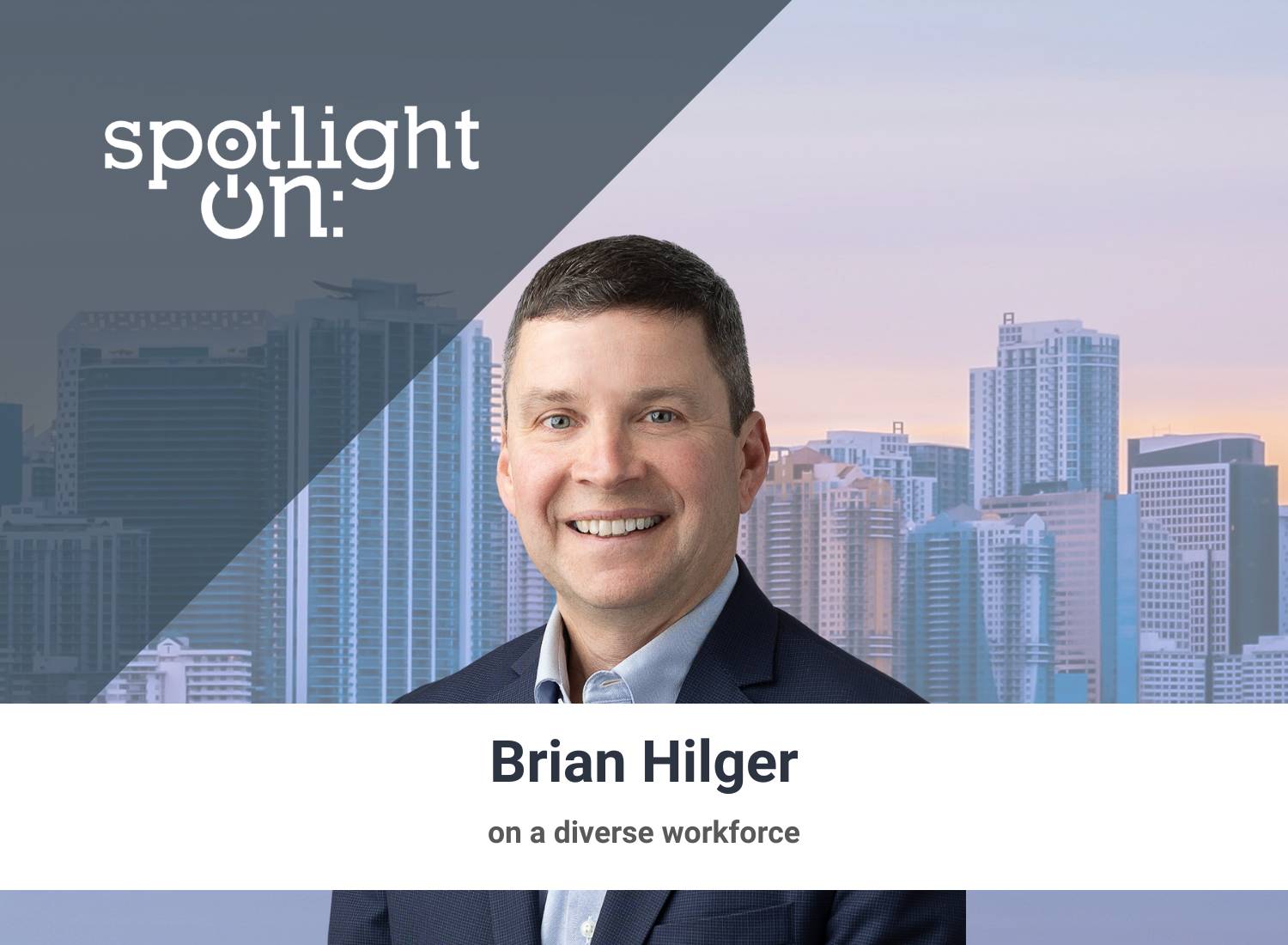
Spotlight On: Brian Hilger, Executive Managing Director, Philadelphia, Colliers

Brian_Hilger_Spotlight_OnOctober 2025 — Land availability is one of the biggest challenges in the Philadelphia real estate market. “They’re not making any more land, as they like to say, so it has been a challenge. That will result in an upward cost on things because land is just going to go up in value,” Colliers’ Executive Managing Director for Philadelphia Brian Hilger told Invest:.

What makes Philadelphia a great place for Colliers to operate in?

The No. 1 factor is labor. There is just a great diversity to the labor force here, spanning from blue collar to high tech, which has caused a lot of people to rethink Philadelphia. The city is also located near the Port of Philadelphia, Port of Camden, and Port of Wilmington in Delaware, as well as Newark. It’s got a great infrastructure in terms of rail. We also have a large airport with a significant UPS hub at the airport right on the runway, which helps as well.


Join us at the Philadelphia 6th Edition Leadership Summit! This premier event brings together hundreds of Southeast Pennsylvania and South Jersey’s regional leaders to discuss the challenges and opportunities for businesses and investors. This year’s theme centers on the regional strengths of the eds and meds. Click here to learn more.


How would you describe the state of the real estate industry in Philadelphia, and what factors are influencing market demand?

With almost every new year comes a lot of optimism. Last year, because of the election and because of interest rates, there was a lot of wait and see. Now, as the new year moves along, a lot of the projects from last year that got pushed into 2025 seem to be moving forward. We’re seeing a huge increase in our brokers’ opinions of value as well as listings and new pitches for new business. A lot of this was teed up last year, and it’s starting to take effect this year. 

In the office space, Philadelphia is sitting in a good spot, with limited new office construction. We think that if an office building is in a good location and highly amenitized, it’s probably well leased with good rental rates. On the industrial side, we have great access to highways to get to New York, to get to D.C., and points further south. And as you get west into Pennsylvania, we’ve got an awesome reach to the entire Northeast. I think we’re situated well on the industrial side. 

We’ve also seen retail come back. We’ve seen foot traffic at malls, and main streets across the region are coming back. Our retail brokers are benefiting from that as well.

What impact will tariffs have on commercial real estate?

We’re going to try to figure that out as we go along. I don’t think tariffs have had an immediate impact, although there have been some deals done because they were trying to get product into the region before the tariffs took hold. In that way, it was a little bit of a positive. But overall, we’re going to see what happens with these tariffs and how the economy reacts.

What are the biggest challenges for your company now?

One of the challenges that we’re facing is having the right people in the right segments. We think that there are some markets that are probably going to be better than they were a couple of years ago. I’ll use office as an example. In the last 10 years, most brokers getting into the business stayed away from office. So, there’s a glut of talent, call it under 35 years old, that has worked either in center city office or traditional suburban office markets. You can say that with retail as well, and vice versa on industrial. It’s probably oversaturated with talent on the industrial side. 

In the next two years, we’ll see a shift of focus among some people on the younger end who are still trying to figure out their career paths, moving from industrial to retail or office. I think that’ll happen in the next 18 to 24 months.

The pandemic hurt retail and office. So, a lot of people in the business were advised to go into industrial because that boomed. It’s been booming for 10 to 12 years, nationally as well as in Philly. It’s still doing very well in Philadelphia. I’d say the number of brokers that have gotten into industrial compared to other fields is probably 10 to 1.

Another challenge is finding land because it’s such an established market, and a lot of the land has been picked over and rezoned. There have been a ton of industrial products that have come online, for example. Those projects took vacant lots, such as an old school or an old retail center. 

They’re not making any more land, as they like to say, so it has been a challenge. That will result in an upward cost on things because land is just going to go up in value. I think there was a little bit of a pause there with the cost of construction, which has held off some projects, and that might not be a bad thing. It’s probably good because it is limiting the amount of supply that can come online.

What are some of the biggest opportunities for Colliers in Philadelphia over the next couple of years?

I think there are good opportunities in all sectors. We’re going to have to figure out where interest rates settle at some point. That’s going to help the institutional capital underwrite deals, and we’ll see more transactions out of that. The return to office should help with the office market in general. There’s not a whole lot of new construction within the office space, so we’re hoping that helps. We’ll still see industrial chug along pretty well as a lot of the projects that may have been stalled for a year or two are getting closer to coming out of the ground as the economy improves.

In multifamily, we’ve seen a huge impact in terms of requests for values and requests to sell properties. I don’t want to say there will be a supply glut, but a good amount of supply is coming on. As we figure out interest rates, we think the buyers will be able to figure out values for these buildings. That has been the challenge: Fluctuating interest rates have made it difficult for buyers to figure out value. I think multifamily, especially in Philadelphia, where it’s hard to find land, will continue to do well. 

We’ve got a strong healthcare group, and Philadelphia has an aging population, which is going to continue to put pressure on healthcare. The challenge in healthcare is educating the labor force. Healthcare labor is also a big issue. I think we’ll do well in the healthcare segment.

What is in the pipeline for Colliers in Philadelphia over the next two to three years?

Our industrial team is out with some big projects. One of them is in Southern Berks County, a multimillion-square-foot project. I think that’s an exciting one. Our medical team is leading some projects that will push the needle on community-centered ambulatory healthcare in our region. We also have a group that’s focusing on data centers. That’s a hot place to be right now. The key here is power infrastructure. If we can find power, that’s going to be a good spot to be in.

Want more? Read the Invest: Philadelphia report.

Subscribe to Our Newsletters

"*" indicates required fields
Address*
Would You Like To Receive Our National Newsletter?*
Interests
Markets
This field is hidden when viewing the form

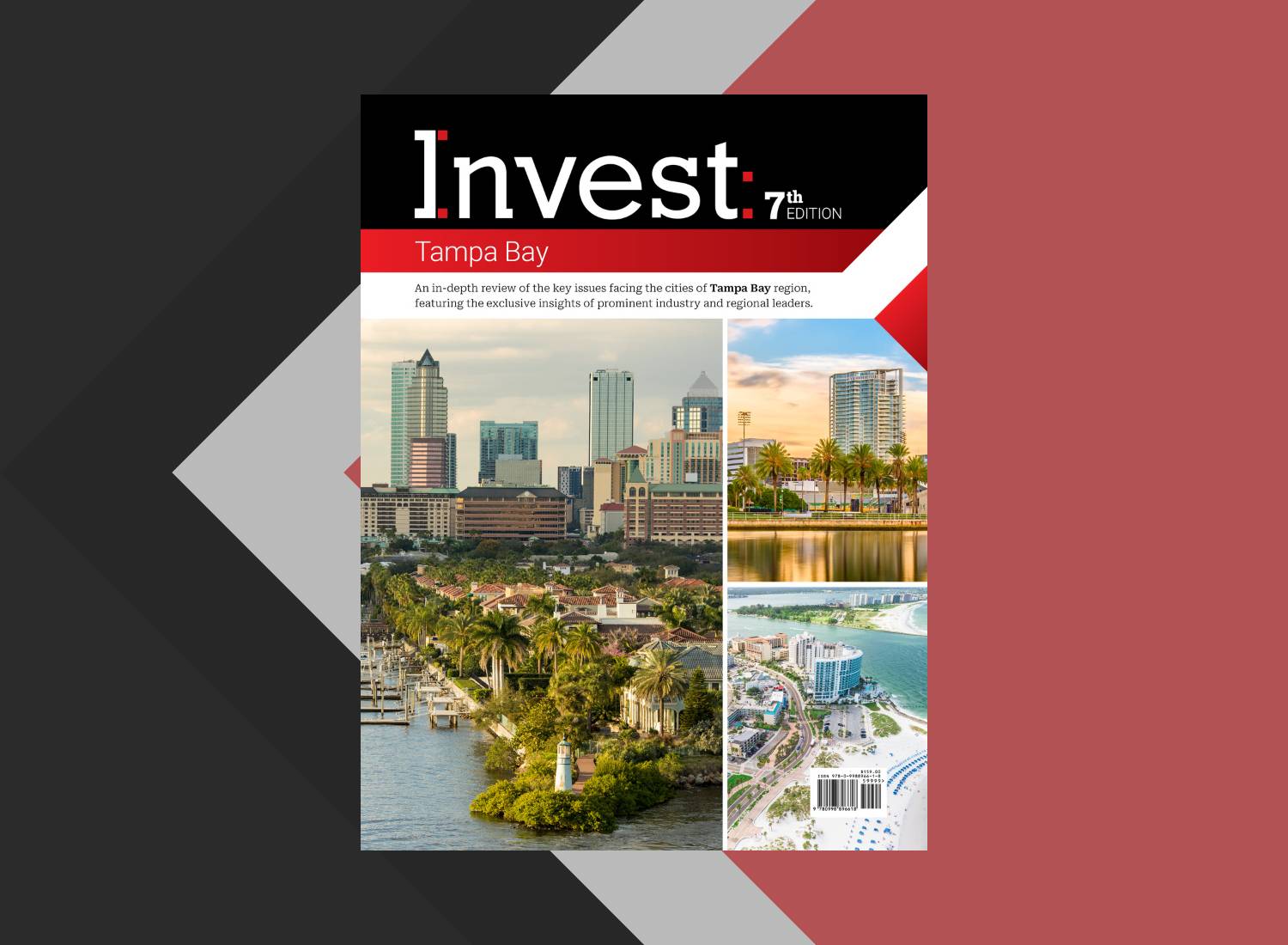
Invest: Tampa Bay to launch new edition covering regional economy trends

ITBe7_Cover

October 2025  — It’s hard to miss the momentum in Tampa Bay. From bustling cranes along the waterfront to startups finding their footing in downtown hubs, Florida’s West Coast is changing before our eyes.

Now entering the research phase of its seventh edition, Invest: Tampa Bay is going behind the headlines to capture the stories, strategies, and voices driving the region’s evolution. (Check out our latest report here.)

Through conversations with business, civic, and institutional leaders, the publication will spotlight how Tampa Bay is balancing rapid growth with long-term vision — in everything from housing and infrastructure to innovation and education.

“Tampa Bay is a fast-growing community of builders, dreamers, and doers,” said Abby Lindenberg, founder and CEO of caa. “The collaboration we’re seeing between public and private leaders is inspiring. From the University of South Florida shaping the next generation of talent to Port Tampa Bay anchoring international trade, there’s a shared sense of purpose about what comes next.”

The Tampa Bay metro area is home to more than 3 million people, and welcomes even more visitors to the region. In 2024, Hillsborough County recorded $1.16 billion in hotel revenue, up 7.4% from the previous year, marking the third consecutive year the county topped the $1 billion mark. 

Hotel occupancy in the county surpassed 80.3% in January 2025, demonstrating Tampa Bay’s position as a convention hub ahead of peer cities. Meanwhile, Florida as a whole saw 41.2 million visitors in 1Q25, sustaining its position as a national tourism heavyweight.

Within the business community, local governments and development councils are championing inclusive growth, ensuring that as the skyline expands, opportunities do too. From investing in public transit and sustainable energy to supporting small businesses and entrepreneurs, Tampa Bay is showing what it means to grow with intention.

Through in-depth interviews and data-driven analysis, Invest: Tampa Bay will highlight the leaders shaping the region’s next decade — and the collective effort that keeps its economy strong, resilient, and full of promise.

About caa & Invest: Tampa Bay

caa is an integrated media platform producing in-depth business intelligence through its annual print and digital economic reviews, high-impact events, and exclusive video interviews via its platform, Invest:Insights.

Invest: Tampa Bay dives deep into the people and industries that define the region’s growth — from real estate and healthcare to technology, education, and tourism. Backed by interviews with more than 200 influential leaders, the publication offers a panoramic view of the market’s opportunities, challenges, and future outlook.

Produced each year with one simple mission 1) to provide comprehensive investment knowledge on the region for local, national and international investors, and 2) to promote the region as a place to invest and do business. Invest: Tampa Bay invites local voices to tell their story, in their own words, to a global audience.

For more information, contact:

Danielle Karlinsky

Executive Director

[email protected]

Melis Turku Topa

Editorial Lead

[email protected]

Want more? Read the Invest: Tampa Bay report.

Subscribe to Our Newsletters

"*" indicates required fields

Address*
Would You Like To Receive Our National Newsletter?*
Interests
Markets
This field is hidden when viewing the form

Face Off: Nashville’s growing demand for CPAs and accounting firms

Writer: Pablo Marquez

Jim_Schmitz_Sarah_Hardee_Face_OffOctober 2025 — As one of the fastest-growing metropolitan areas in the United States, Nashville has become a hub for small businesses, entrepreneurs, and large corporations alike, driving the need for reliable Certified Public Accountants (CPAs) and accounting firms. 

According to the 2024-2025 Annual Report by the Nashville Area Chamber of Commerce, the city has experienced rapid economic growth over the past decade, with an expanding business environment fostering a diverse array of industries that rely heavily on accurate financial reporting, tax planning, and compliance. This has paved the way for Nashville’s accounting firms to offer specialized services ranging from tax advisory to audit and forensic accounting.

As Nashville’s economy grows, the role of CPAs becomes even more critical. The American Institute of CPAs (AICPA) highlights the importance of accounting professionals in ensuring financial transparency and stability for businesses, non-profits, and government entities. Nashville, with its thriving healthcare, education, and tourism sectors, relies heavily on skilled accountants to navigate the complex financial landscapes these industries present. A growing number of accounting firms in the area now offer services that go beyond traditional tax filing, such as strategic financial planning, mergers and acquisitions (M&A) consulting, and international tax compliance.

To delve deeper into the trends that are currently shaping the accounting industry in Nashville, Invest: met with Jim Schmitz, market leader for Nashville at Elliott Davis, and Sarah Hardee, office managing director for Nashville at CPA UHY. Their insights highlight why Nashville is a great business hub, how they are using data and technology for proactive client solutions, while also addressing how CPAs are retaining talent in a competitive market.

From your perspective, what makes Nashville an attractive place to do business?

Jim_Schmitz_Face_OffSchmitz: Nashville retains its “can-do” attitude, which has been a defining characteristic for years. While no place is perfect, the collaboration between the mayor’s office and the Chamber of Commerce has been strong, with the current administration actively engaging the business community. Another key advantage is our regional mindset. Unlike other areas where counties compete for economic development, Nashville and the surrounding counties work together, recognizing that a rising tide lifts all boats. Companies often remark that this level of cooperation is rare elsewhere. The synergy between nearby counties is uncommon and fosters a thriving environment where everyone benefits. For instance, if a major company comes here, Metro Nashville might not be the best fit, but nearby counties are great options. Regionalism, where you do not have a county battling with ours for economic development, and cooperation makes Nashville a great place to be.

Sarah_Hardee_Face_OffHardee: The Middle Tennessee market continues to grow as new national companies come to town. This is affecting counties other than Davidson County. Many of the C-suite executives of these companies settle in areas surrounding Nashville. We are fortunate to have great schools here in Williamson County and it is ranked among the nation’s best. However, as people and companies come to Nashville, we are noticing more congestion, and there are more residential buildings being built downtown.There are growing infrastructure needs, both housing and transportation, and there are many projects that are currently in the works. People are coming to Nashville because we have a great standard of living that is not as expensive as some of the other coastal areas in the country, as well as a large, thriving workforce. Nashville offers a readily available workforce, from executives to line workers, already established within the community for incoming companies.

How are you leveraging data and technology to deliver more proactive and predictive solutions to your clients?

Schmitz: Our broad-based expertise allows us to integrate multiple specialties, such as international, private equity, and healthcare, into a cohesive approach. We utilize our data, experience, and resources to guide clients through complex processes, such as preparing a company for market, executing transactions, and managing post-transaction integration. Many business owners lack experience in these areas, so our ability to provide end-to-end support is a major advantage for them and allows them to remain focused on their business.

Hardee: We are using a lot of AI to support our analysis of financial statements in various industries so that we can assist our clients in benchmarking themselves against their competitors. We continue to see an insulated economy in Nashville. As we see drop-offs in other areas across the country, we do not necessarily see those here in Nashville. Rather, those drop-offs tend to serve as an early heads-up for us. We have clients in the trucking industry, which is usually a good indicator of the overall economy. We are noticing a bit of a slowdown in people purchasing those trucks.

How are you retaining talent in such a competitive professional landscape?

Schmitz: From a broad workforce standpoint, I think the state and local governments have implemented many initiatives to increase the number of appropriately trained adults. As the environment evolves, with AI advancements and shifting job skill requirements, we are doing a good job of addressing those needs. Ensuring proper training is essential to meet the demands of the job market. Without that foundation, attracting talent becomes much harder.

Hardee: Salary, benefits, the ability to work a hybrid schedule, and flexible time off models play a big role in employee satisfaction. We recently switched to a flexible time off model as opposed to the accumulation of paid time off. There is no cap on time off for our exempt employees. They are still expected to have time off approved through their managers, and we have to work around busy seasons or special projects; however, this does give our employees more flexibility. It’s more than just the benefits. Having a culture where we show (not just say) we care about the whole employee is part of our success.

Want more? Read the Invest: Nashville report.

Subscribe to Our Newsletters

"*" indicates required fields
Address*
Would You Like To Receive Our National Newsletter?*
Interests
Markets
This field is hidden when viewing the form

Spotlight On: Keely Gideon-Taylor, President of the Board of Directors, Black Chamber of Commerce of Palm Beach County

Keely_Gideon_Taylor_Spotlight_OnOctober 2025 — In an interview with Invest:, Keely Gideon-Taylor, president of the board of directors at the Black Chamber of Commerce of Palm Beach County, said that the organization is committed to advancing economic opportunity for Black-owned and minority-owned businesses through strategic partnerships, resource-sharing and community empowerment. “Our mission is to advance the economic interests of our members through education, advocacy, resource brokering, and information sharing,” she said.

Reflecting on the past year, what have been some of the major highlights and milestones for the Black Chamber of Commerce of Palm Beach County?

The Black Chamber of Commerce of Palm Beach County celebrated its 20th anniversary at the end of last year, which we’re very proud of. We’ve been serving the community for two decades, working to support and empower local businesses. Over the past 12 months, we also hosted our 13th Annual Ascension Awards — our signature business awards event — where we recognize outstanding small businesses, minority-owned enterprises and business professionals in Palm Beach County. To date, we’ve honored over 70 local businesses and professionals who are making a meaningful impact in the community. Those are just a couple of the highlights. We are proud that our membership continues to grow steadily as our presence grows as well.

Are there any notable trends or market dynamics unique to the Palm Beach region?

Palm Beach County and Florida as a whole is a thriving ecosystem of small and minority-owned businesses. In fact, depending on the source, Florida ranks either first or second in terms of revenue generated by Black-owned businesses. This makes the region especially promising for Black and minority entrepreneurs. Within our Chamber, we’ve seen significant activity in personal services. At our last event in February, we honored several members from the healthcare and medical services sectors, which are thriving. Personal care services are also prominent. We have many construction companies, some of which hold contracts with local municipalities. Financial services and retail, especially food and catering businesses, are also strong. These are the primary areas where we’re seeing business activity among our members.

Could you tell us more about the role the Black Chamber of Commerce plays within Palm Beach County’s local business ecosystem?

Our mission is to advance the economic interests of our members through education, advocacy, resource brokering, and information sharing. Simply put, we exist to help our members grow their businesses by providing opportunities they might not otherwise have access to. There are roughly 13 to 17 chambers in Palm Beach County, depending on who you ask, and we strive to ensure our members have access to capital, training, technology, marketing strategies, and growth opportunities. We partner with many of the county’s 39 municipalities, many of which have Small Business Enterprise (SBE) programs, to connect our members with relevant resources. We want our members to have every opportunity to succeed and remain competitive among the county’s broader small business community.

What are some of the strategic advantages and benefits for businesses that join the Chamber?

In addition to the access to capital and training opportunities, we can offer workshops on marketing, technology and business development. Many of our members, especially startups, need foundational tools such as the right software or financial guidance. That’s why we collaborate with banking partners and host financial literacy events. We also partner with larger chambers and municipalities to increase exposure and create meaningful networking opportunities.For us, everything comes down to building strong relationships. We strive to provide a full spectrum of resources so our members can thrive.

What are the main challenges currently facing the local economy, and how is the Chamber supporting members in addressing them?

One major concern right now is the impact of tariffs. We’re still assessing how they might affect our members’ goods, services and distribution operations. It’s early, but we plan to survey our members to better understand how they are navigating these changes. Another issue is the rapid business growth in the area, which brings increased competition. While that’s a positive sign for the region overall, we want our members to stand out. To support this, we’ve launched a new campaign that promotes our members through a public directory. This helps ensure that when visitors or residents are looking for services, whether it’s a restaurant, a salon, insurance agent or another small business, they know where to go. We believe there’s enough opportunity for every business to be successful if they have the right tools and visibility.

What impact has population growth, business relocation and increased interest in the region had on local businesses?

It’s been overwhelmingly positive. The more people that come to the area, the more potential customers our members have. We work closely with Discover The Palm Beaches to stay updated on trends and visitor demographics. Palm Beach County is consistently one of the top destinations in the state and even the country. The growth in the residential population is also a net positive for the local economy. The amount of traffic and tourism here is incredible. That benefits our Chamber members because those visitors and new residents are not only staying here — they’re also spending money. They’re seeking goods and services, which is exactly what our members provide. With our directories and strategic partnerships, we ensure our businesses are well-positioned to be discovered and patronized.

Looking ahead, what is your vision for the Black Chamber of Commerce over the next two to three years?

We’re focused on continued collaboration. We may not have all the answers, but by working with neighboring chambers, municipalities and corporate partners, we can expand our resources and better serve our members. Another goal is to grow our membership base. While we’re proud of our 20-year legacy, we recognize that we’re still relatively young compared to other chambers. We want to lead with Black excellence, and provide exceptional value. Also, just to clarify, your business doesn’t have to be Black-owned to join the Chamber. We welcome anyone who supports our mission to advance the success of Black-owned businesses. Many of our corporate partners have pledged their support and resources toward that mission.

In what ways does the Chamber work with both public and private sector partners to advance economic development and support its members?

We partner with both corporate entities and municipalities across all of Palm Beach County — there are 39 in total. These partnerships open doors for our members to secure contracts and subcontracts with local government agencies. For example, we have a strong relationship with the Palm Beach County School District, one of the region’s largest employers, which offers procurement opportunities. On the private side, we collaborate with several corporate partners that regularly purchase goods and services and may offer contract opportunities. These partnerships are essential, as they allow us to bring otherwise inaccessible resources directly to our members, helping them grow and sustain their businesses.

Want more? Read the Invest: Palm Beach report.

Subscribe to Our Newsletters

"*" indicates required fields

Address*
Would You Like To Receive Our National Newsletter?*
Interests
Markets
This field is hidden when viewing the form

Spotlight On: Suresh Ramalingam, Executive Director, Winship Cancer Institute of Emory University

Suresh_Ramalingam_Spotlight_OnOctober 2025 — Suresh Ramalingam, executive director of Winship Cancer Institute of Emory University, spoke with Focus: about becoming a worldwide leader in cancer research. “We are winning the war against cancer, and Winship Cancer Institute has played a key role. What we are doing today will make an even bigger impact tomorrow,” Ramalingam stated.

What changes over the past year have most impacted the center, and in what ways?

As a leader in healthcare research and education, Emory has continued to grow in the region as a major contributor in the Southeast United States. In the last year, we have been impacted by the change in the geopolitical environment. There is a shift in focus of the new government as it relates to biomedical research and healthcare. The CDC and NIH are going through a lot of changes. Through all of this, we are proud that our research programs in the Cancer Center span the spectrum of understanding cancer risk factors, prevention, early detection, innovative treatments, and helping cured patients re-incorporate themselves into regular life. As circumstances evolve, we constantly refine and enhance these programs to better serve our patients.

How would you summarize the most meaningful progress at Winship over the past year?

At the heart of everything we do at Winship Cancer Institute is improving the lives of our patients. As we have grown, we have enhanced our patient care programs to improve patient experience. When somebody is told they have cancer, they don’t want to wait for 10 or 20 days to meet their doctor. We make a concerted effort to ensure that patients are seen quickly after they call us. We have significantly bolstered our patient navigation program. When patients call us, an expert will walk them through the initial steps to get them into the system and provide the support they need during a complex treatment journey. We also continue to grow our multidisciplinary programs. To take care of patients with cancer, a team of experts is needed. When patients visit us, they have access to all of our team members at the same visit, from surgeons, radiologists, oncologists, pharmacists, nurses, patient navigation, nutrition, and rehabilitation. On the research side, we have continued to grow. In the past 12 to 18 months, our researchers have published papers on new ways to treat cancers such as multiple myeloma and lung cancer. Our team of researchers has conducted research on new drugs and treatment methods. Our research on improving the effectiveness of immunotherapies has seen incredible advances. We are seeing the impact of our research not only directly helping our patients, but also helping patients worldwide.

How does Winship navigate the challenge of bringing cutting-edge therapies to patients while managing costs and expanding reach?

We not only need to continue to make advances in cancer treatments, but also must ensure that the existing advances reach every patient with cancer. We study barriers that limit patients from getting top-notch care. In addition to financial barriers, health literacy is a common barrier. Infrastructure and logistical barriers, such as transportation, are issues. Our programs are designed to reach patients in different ways to understand their needs and best leverage the resources available in and outside the institution. We launched a mobile prostate screening program that takes screenings to the communities. When detected early, prostate cancer can be cured in the vast majority of the patients. We invested in AI and signed on with a technology platform that helps identify financial resources available to patients, making it easy for our navigators to look across the universe of available resources and tailor them to our patients. With Medicaid expansion still uncertain in Georgia, we remain concerned about its impact on patient access and are exploring ways to mitigate that. We partner with other institutions and stakeholders to continually look at ways to reach our patients.

What areas of cancer research or care delivery hold the most promise for changing patient outcomes in the next few years?

We are in an incredibly exciting time in biomedical research. The advances we’ve seen in cancer care in the past 15-20 years have been transformational. Over 3 million lives have been saved over the past three decades in the United States because of the advances, but more work remains to be done. Prevention is the best form of cancer care. The three biggest risk factors for cancer are smoking, diet, and alcohol. Smoking cessation can result in major decrements in cancer occurrences. What we eat and our level of physical activity affect our risk factors. HPV vaccination is an area of focus. We can prevent cervical cancer and certain forms of head and neck cancer by vaccinating eligible children in their early teens. On the innovation side, we are in the era of AI. We are integrating AI in many ways, such as designing new drugs, driving our biomedical research in our laboratories, accelerating patient care, coordinating patient care, and using data more effectively to inform the care of patients. We must invest in basic science and fundamental, lab-based research that helps us understand how cancer cells behave, what makes them metastasize, and how to overcome deficits in the immune system. We also need to address cancer at a population level, studying the impact of cancer in our communities at a higher level, and how we can intervene.

How do you see Winship expanding its role in supporting patients and families after treatment?

There are many components to survivorship. First is the patient’s ability to integrate back into the regular flow of life. Cancer treatments have financial implications, and many patients are left financially behind. They may also be at risk of other medical problems due to their treatments. Survivorship is a comprehensive approach to address these issues to the best extent possible. Our survivorship programs start with physical rehabilitation, psychosocial counseling, and social work. We also have patient forums where patients can learn from each other. We ensure patients get appropriate follow-up, such as additional scans and blood tests. The goal is to package these elements in a way that is easy for a patient to navigate. We continually learn from our own research and from colleagues across the country to integrate best practices into our workflows.

In the next 5-10 years, how do you envision Winship’s role evolving in shaping not only Georgia’s cancer landscape, but the national conversation on oncology?

Winship’s mission is to discover cures for cancer and inspire hope for our patients. We have grown significantly in the past 10-15 years, and our research has a global impact. We will continue to be even greater contributors to patient outcomes and reduce the burden of cancer worldwide. We have the intellectual ability to lead through the people we have in our cancer programs. Emory University is a top-class institution with experts in many fields that may not directly intersect with cancer, but who can contribute to how we approach cancer. Being part of a world-class institution and health system, in a city with so many partners, allows us to be leaders in the field. Our partners include Georgia Tech, Morehouse, Georgia State, Clark Atlanta University, and Augusta University. These collaborations strengthen research and clinical innovation while expanding our impact beyond Georgia. Winship researchers and clinicians are already on national and international forums, societies, and consensus groups, providing their input into various aspects of cancer research and care. These forums will continue to be leveraged to advocate for the patients we serve. We are winning the war against cancer, and Winship Cancer Institute has played a key role. What we are doing today will make an even bigger impact tomorrow.

What is the importance of collaboration and partnership in cancer research and advancement?

At a time when federal support for biomedical research looks less certain, stakeholders need to come together. This is an opportunity where various groups within Georgia, including the state government, corporate entities, and payers, can come together to accelerate the momentum in the fight against cancer. Cancer affects 40% of all men and a nearly equal number of women. The only way to overcome that is by working together across various boundaries and borders. The onus is on all of us to come together and find innovative ways to support cancer research and care.

Want more? Read the Focus: Atlanta report.

Subscribe to Our Newsletters

"*" indicates required fields
Address*
Would You Like To Receive Our National Newsletter?*
Interests
Markets
This field is hidden when viewing the form

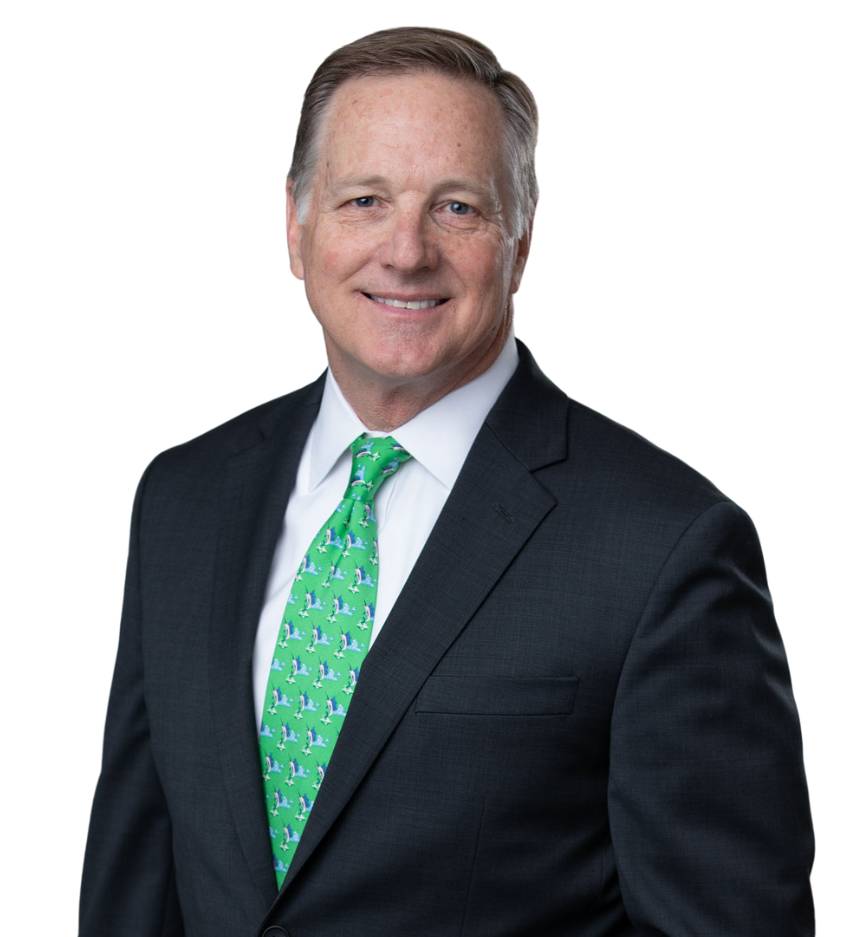
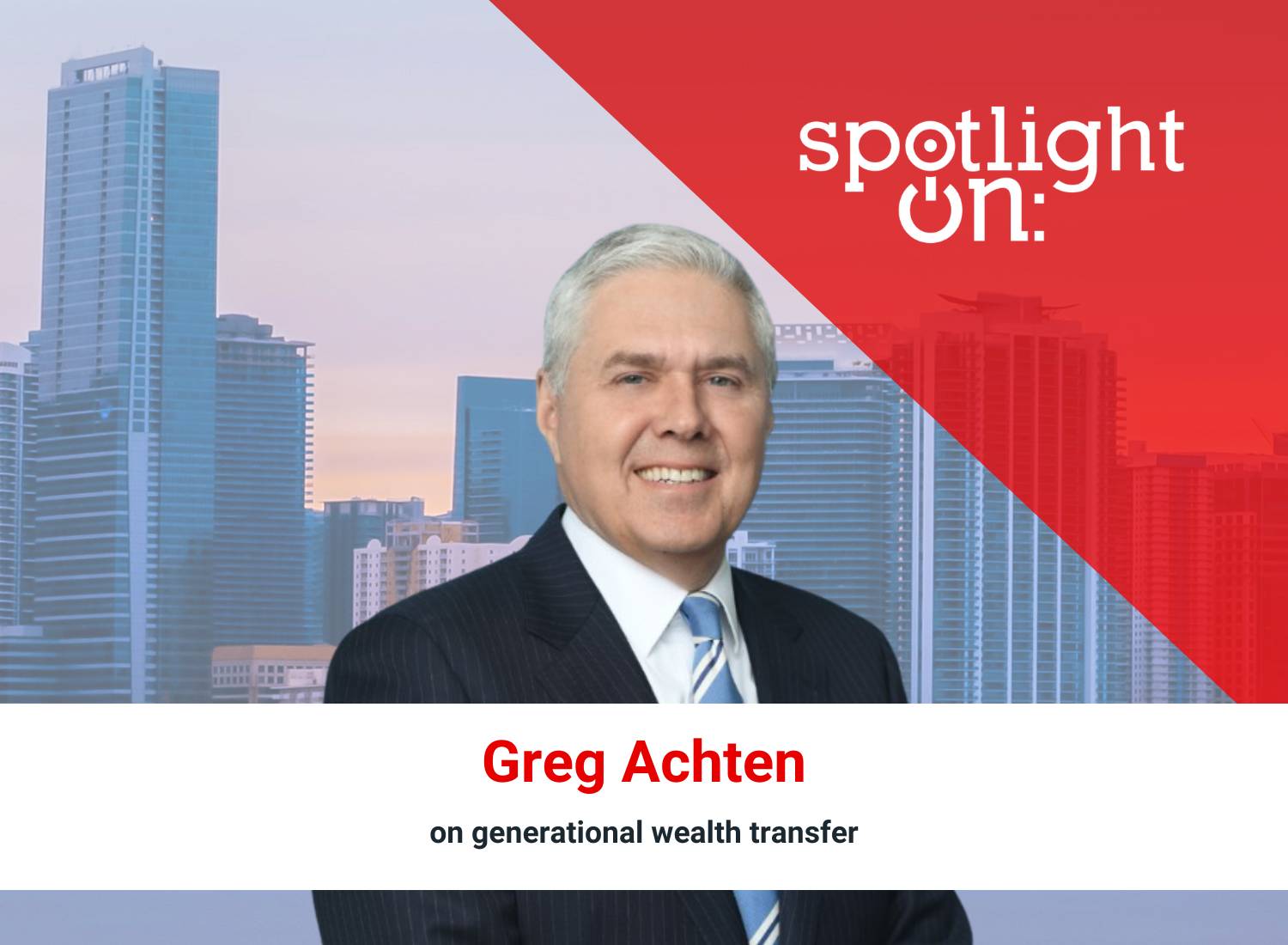
Spotlight On: Greg Achten, Managing Director and Market Executive for the South Market, UBS

Greg_Achten_Spotlight_OnOctober 2025 — In an interview with Invest:, Greg Achten, managing director and market executive for the South Market at UBS, discussed evolving client sophistication, generational wealth transfer, succession planning, and regional growth. “Owners often underestimate how much more value they can realize with proper planning,” he said.

What opportunities and challenges are shaping the South Market today?

The challenges we face are similar to those across the broader wealth management industry. Clients today are far more sophisticated than they were 20 or 30 years ago. In the 1980s, people had to wait for the newspaper or call their advisor just to get market quotes. Now, information is instantly available — real-time quotes, news, and research, all accessible on their phones.

Because of that, the value we deliver as advisors must be more sophisticated as well. The world is more complex, with clients navigating AI, cryptocurrencies, tariffs, and more. Even though clients are more educated and informed, they still need advice and guidance.

Our geography is also a big advantage. People are moving to cities like Atlanta and Nashville, drawn by warmer weather and a high quality of life. These cities are vibrant, growing, and full of opportunity.

How are client expectations evolving, particularly among high-net-worth and ultra-high-net-worth individuals?

Clients today expect more from us. We’re in the midst of a massive generational wealth transfer, with some estimates saying close to $100 trillion will change hands by 2030. Many business owners are preparing for transitions, whether passing the reins to family or pursuing a sale. At the same time, they’re navigating heightened risks like cybersecurity threats and market volatility, largely driven by a handful of stocks. 

Our approach centers on financial planning, focusing on liquidity, longevity, and legacy. Liquidity is about what clients need today to meet day-to-day expenses, longevity addresses retirement and long-term goals, and legacy is about what clients want their wealth to accomplish after they’re gone. This opens the door to more sophisticated conversations, including philanthropy and community impact.

What trends are emerging in succession planning and liquidity events among business owners in the region?

A lot of business owners are often focused on daily operations and growth, but many don’t plan for what comes next. Some assume they know what their business is worth and who might buy it, but that’s often based on assumptions rather than analysis.

There are two types of buyers: strategic buyers, who are in the same industry and want to expand, and financial buyers, like private equity firms, that aim to grow and eventually sell the business. Owners often underestimate how much more value they can realize with proper planning.

That’s where we come in. We provide access to investment bankers, either from UBS or from our network of boutique firms, to assess businesses, identify value drivers, and explore different exit options, such as outright or partial sales, or even ESOPs.

When owners plan early and run a competitive sale process, they often achieve a significantly better outcome.

How are higher interest rates, inflation, and shifting investor sentiment impacting client behavior?

For over a decade following the global financial crisis, interest rates were unusually low, benefiting borrowers, but made it difficult to generate income from fixed-income investments.

Now, higher rates are reshaping the landscape. In high-demand markets like Nashville and Atlanta, tight inventory and higher rates make moving complex. Purchasing a home today likely comes with twice the interest rate it had before. However, higher rates also create opportunities. Clients can now earn 4% to 5% on cash or money market accounts, favoring low-risk positions. 

We expect the Fed to continue lowering rates, which will reduce those returns. As rates fall, cash may re-enter the market. The economy remains strong, and while hiring has slowed slightly, the U.S. remains close to full employment. We continue to see robust corporate earnings, supporting continued equity market growth.

How are clients approaching long-term trends like artificial intelligence, energy transformation, and demographic shifts?

Diversification across asset classes, sectors, stocks and the economy remains essential. 

Artificial intelligence has been a major market driver recently, and companies involved in building AI infrastructure have seen tremendous growth. The key question is how traditional companies will adopt AI for efficiency.

From a diversification standpoint, it’s important not to chase short-term performance. While AI-focused stocks have gained significantly, putting too much into any one area increases risk. 

Our goal is to help clients maintain balanced allocations across asset classes and sectors, managing risk while still capturing long-term opportunities.

How is UBS investing in talent development and advisor growth across the South Market?

We put a strong emphasis on education, both for advisors and support staff. Everything starts with understanding each client’s unique goals, then building a personalized financial plan. That applies whether someone is just beginning to invest or managing a complex ultra-high net worth portfolio.

We’re also investing in technology and AI to improve advisor and client experiences. One of the key teams driving this at UBS is our Smart Technologies and Advanced Analytics Team (STAAT). STAAT provides advisors with detailed insights into client behavior and preferences, enabling more relevant advice and stronger relationships.

We continue to train our teams on financial planning tools, investment strategies, and connecting clients to UBS’s investment banking capabilities, ensuring the best possible guidance and solutions.

What are your top priorities for UBS in the South Market over the next three to five years?

We aim to grow at a measured pace. UBS has around 6,000 financial advisors in the Americas, with almost 300 covering six states in the South Market. Capturing the increasing wealth moving into this region is a priority, as is welcoming new advisors relocating here. 

UBS’s global reach is a significant advantage. When major events occur, we can quickly draw on insights from our teams worldwide and share timely analysis with clients. 

Our focus is to apply global expertise locally, connecting our intellectual capital, research, and platform with what clients are trying to achieve.

How does UBS support clients in achieving their philanthropic goals?

Philanthropy is a key part of legacy planning. We work closely with high-net-worth and ultra-high-net-worth clients to help them shape and implement their charitable goals.

One way we do that is through the UBS Optimus Foundation, which focuses on health, education, environmental sustainability and humanitarian aid. UBS works with social impact and philanthropy partners to provide customized strategies and expert guidance to help clients maximize impact and achieve meaningful, measurable outcomes. If clients want to make significant contributions in these areas, UBS will often co-invest alongside them.

We also help facilitate family conversations about values and legacy. Parents want to ensure their children understand and align on the “why” behind their philanthropic goals. We facilitate those discussions and, in doing so, often earn the trust that leads to long-term relationships.

Locally, we live those values as well. Our teams across the South Market take part in hands-on community projects during the summer as part of our firm-wide “Season of Service.” In 2025, nearly 80% of our employees volunteered with charities, prepared meals, assembled care kits, and more – reflecting our commitment to the communities we serve.

What role does the UBS Tower in Nashville play within the broader organization?

While our focus here has been on wealth management, it’s important to highlight the broader presence UBS has in Nashville. The UBS Tower in Nashville is home to over 1,400 employees supporting the entire U.S. business, including teams in compliance, cybersecurity, financial planning, banking, and other critical functions. Nashville has become a major operational hub and strategic location for UBS, strengthening our success across the South Market and beyond.

Want more? Read the Invest: Nashville report.


The UBS Optimus Foundation is a global network of separately organized and regulated, tax-exempt, charitable organizations, founded by UBS, that make grants and other financial contributions to implementing partner organizations aligned with their values and objectives.

The information contained in this article is not a solicitation to purchase or sell investments. Any information presented is general in nature and not intended to provide individually tailored investment advice. The strategies and/or investments referenced may not be suitable for all investors as the appropriateness of a particular investment or strategy will depend on an investor’s individual circumstances and objectives. Investing involves risks and there is always the potential of losing money when you invest. Investors should be aware that alternative investments are speculative, subject to substantial risks (including the risks associated with limited liquidity, the use of leverage, short sales and concentrated investments), may involve complex tax structures, strategies and may not be appropriate for all investors. Asset allocation and diversification strategies do not guarantee profit and may not protect against loss. The views expressed herein are those of the author and may not necessarily reflect the views of UBS Financial Services Inc.

As a firm providing wealth management services to clients, UBS Financial Services Inc. offers investment advisory services in its capacity as an SEC-registered investment adviser and brokerage services in its capacity as an SEC-registered broker-dealer. Investment advisory services and brokerage services are separate and distinct, differ in material ways and are governed by different laws and separate arrangements. It is important that you understand the ways in which we conduct business, and that you carefully read the agreements and disclosures that we provide to you about the products or services we offer. For more information, please review client relationship summary provided at ubs.com/relationshipsummary, or ask your UBS Financial Advisor for a copy.

© UBS 2025. All rights reserved. The key symbol and UBS are among the registered and unregistered trademarks of UBS. UBS Financial Services Inc. is a subsidiary of UBS Group AG. Member FINRA/SIPC.


Subscribe to Our Newsletters

"*" indicates required fields

Address*
Would You Like To Receive Our National Newsletter?*
Interests
Markets
This field is hidden when viewing the form

Cybersecurity and AI investments set the stage for America’s tech resilience

Writer: Mirella Franzese

Data_centerOctober 2025 — America’s largest bank by assets, JPMorgan Chase, is set to invest $1.5 trillion over 10 years into U.S. industries considered “critical to national economic security and resiliency”, including technologies like AI, quantum computing, and cybersecurity.  

The firm announced it will inject $10 billion into select middle-market and large corporate enterprises in direct equity and venture capital investments. But this investment comes at a time when technology is becoming increasingly ingrained in the American economy, to a somewhat unprecedented degree. 

“Technology is a sector that represents 33% of the S&P 500. The only other time a particular sector represented that high of a percentage was in 2000, when tech was around 30%,” Lawson Allen, president and chairman of Lee, Danner & Bass, Inc., told Invest:

Today’s tech segment is more stable, however, and will likely continue to represent a large part of the market looking ahead, as Allen notes. “Before the dot-com bubble burst, many companies didn’t have earnings but were trading at excessive prices,” he said. “The difference is that today (tech) companies have real earnings and free cash flow.” 

JPMorganChase’s commitment, therefore, highlights a targeted approach to strengthening domestic capabilities in sectors that both the U.S. economy and American investors have become relatively dependent on. 

However, there are growing concerns about national security and competitiveness in tech, and what it will mean for America’s future risk landscape. Cybersecurity is one of the biggest threats to both public and private organizations. 

“We are particularly concerned about the credible threat from nation-state cyber actors to U.S. critical infrastructure,” wrote the U.S. Department of Homeland Security in its 2025 Threat Assessment report

Cyberattacks are now more frequent and more costly, according to an IBM report. In 2025, 97% of organizations reported an AI-related security incident and lacked proper AI access controls, with data breaches costing them an average of $4.4 million. 

In the tech industry, there is added scrutiny and pressure on corporations to deliver returns, which makes safeguarding investments through the protection of infrastructure data and information critical. 

As Allen observed, “Technology will be a part of everything we do moving forward…We’re entering a period when people will ask more about how these companies monetize investments and deliver returns to their shareholders.”

According to PwC’s 2026 Global Digital Trust Insights survey, AI is the top cybersecurity investment priority for companies, as only 6% are considered “very capable” to withstand cyber-attacks across all vulnerabilities.

Cybersecurity’s imperative extends well beyond singular investment concerns; the economic and operational costs associated with breaches are escalating. In the energy sector, which is fundamental for AI data center growth and infrastructure, vulnerabilities pose a threat not only to company assets but also to national resilience.

The energy sector’s integration with AI devices has exponentially increased attack surfaces. For instance, a ransomware attack on a utility could disrupt the power supply, impacting millions and causing widespread economic damage.

“Cybersecurity is a significant concern for electric utility leaders,” said Chris Jones, president and CEO of Middle Tennessee Electric, in an interview with Invest:. “Ensuring the safety of our team and protecting the systems we own, as well as the information of our members and employees, is essential.”

Energy providers also face difficulty with securing adequate talent resources in the cybersecurity field, according to Jones. “The federal government estimates there are more than 500,000 vacancies across the country in cybersecurity-related roles. This is a substantial gap, and the talent pool is not deep enough to meet the demand,” he added.

JPMorganChase’s trillion-dollar investment into cybersecurity and other core competencies, however, does open up possibilities. For investors, this landscape offers significant opportunities in sectors that underpin technological advancements — particularly in cybersecurity solutions, AI platforms, data center infrastructure, and workforce development. And as technology becomes more ingrained in every facet of the economy, cybersecurity measures will be essential for achieving economic resilience, independence, and defense on a national scale.

Want more? Read the Invest: reports.

Subscribe to Our Newsletters

"*" indicates required fields

Address*
Would You Like To Receive Our National Newsletter?*
Interests
Markets
This field is hidden when viewing the form

Research underway for the latest edition of Invest: Raleigh-Durham

CAA25_Conexio_Banner

IRDUe4_Cover October 2025 — Raleigh-Durham continues to evolve as one of the Southeast’s most balanced economies, driven by a strong research base, a steady influx of skilled professionals, and growing investment across technology, life sciences, and advanced manufacturing. While growth across the Triangle may be more measured than in other fast-rising Sun Belt metros, its stability, educational depth, and collaborative business environment continue to position it as a model for sustainable regional development.

Currently in production, the fourth edition of Invest: Raleigh-Durham will bring together insights from more than 200 voices spanning business, government, and education, along with caa’s in-depth analysis of the market’s most attractive industries and emerging economic trends across the Triangle.

“Raleigh-Durham’s success is grounded in balance — growth paired with intention,” said Abby Lindenberg, founder and CEO of caa. “It’s a market where collaboration between research institutions, industry, and government continues to translate ideas into impact. That steady, connected growth is what makes this region stand out.’”

According to the U.S. Bureau of Labor Statistics, preliminary data for August 2025 show unemployment rates of 3.5% in the Raleigh-Cary metro area and 3.8% in the Durham-Chapel Hill metro area. Meanwhile, according to the North Carolina Department of Commerce, in 2Q25 the state reported the addition of 75,000 jobs year over year. The Triangle has also recorded steady capital investment, with 225 economic development projects announced between 2019 and 2024, representing more than 42,000 jobs and $27.6 billion in new investment.

Despite softening in some parts of the industrial market, other sectors are showing strength. In 3Q25, the office market recorded 10,780,031sq.ft. of direct office availability. Industrial vacancy has risen slightly, but construction pipelines remain active, and preleasing is healthy as tenants pursue high-quality logistics space. The region’s life sciences sector also continues to attract major investment, including Biogen’s $2 billion expansion in Research Triangle Park and Hatteras Venture Partners’ $200 million funds close — strong signals of confidence in the market’s innovation base. 

Invest: Raleigh-Durham will explore these themes and more through exclusive insights from key stakeholders and in‑depth analysis of the challenges and opportunities shaping the Triangle’s economy.

About caa & Invest: Raleigh-Durham

caa is an integrated media platform that produces in-depth business intelligence through its annual print and digital economic reviews, high-impact conferences and events, and top-level interviews via its video platform, Invest:Insights.

Invest: Raleigh-Durham 4th Edition is an in-depth economic review of the key issues facing the Triangle, featuring exclusive insights from more than 200 economic leaders, sector insiders, elected officials, and institutional heads. The publication aims to 1) equip local, national, and international investors with comprehensive insights on the region and 2) promote Raleigh-Durham as a competitive, innovative, and collaborative place to do business.

The report conducts a deep dive into the top economic sectors in the region, including real estate, construction, infrastructure, banking and finance, legal, healthcare, education, and tourism. The publication analyzes the leading challenges facing the market and uncovers emerging opportunities for investors, entrepreneurs, and innovators.

The caa team is currently connecting with stakeholders across the region to gather perspectives and analysis that will define this year’s edition. Invest: Raleigh-Durham is a unique opportunity for the business community to share its story with a national and global audience.

For more information, contact:

Alina Manac

Senior Executive Director

[email protected]

Jerrica DuBois

Senior Editor
[email protected]

Want more? Read the Invest: Raleigh-Durham report.

Subscribe to Our Newsletters

"*" indicates required fields

Address*
Would You Like To Receive Our National Newsletter?*
Interests
Markets
This field is hidden when viewing the form

Three signs Jacksonville’s economy is outpacing the nation

Writer: Pablo Marquez

JacksonvilleOctober 2025 — Steady population growth, a surge in corporate business relocations, and new construction along the city’s riverfront are indicators of the growth taking place in Jacksonville and Northeast Florida.

Below we highlight these key areas, along with insights from industry leaders in the latest Invest: Jacksonville report that shed light on what makes this metro area one to watch.

Population Growth

Jacksonville and the Northeast Florida area are growing in terms of population. The city of Jacksonville currently ranks No. 15 in the list of the top 20 fastest-growing metropolitan areas in the United States. Post-pandemic, the area experienced rapid population growth. From 2020 to 2022, the population in the city area grew from 949,611 to 971,319 — a 2% increase, while the metro area population expanded 5%, from 1.53 million to 1.61 million. 

Forecasts for growth over the next four years are just as strong. From 2023 to 2028, Jacksonville is expected to grow by 11%, faster than any other major Florida metro as well as state and national averages.

According to data gathering platform Statista, Jacksonville’s population grew 20% between 2010 and 2023, adding 326,701 new residents. That pace picked up rapidly in 2023, when the population reached 1.71 million, adding about 103 new residents per day. The U.S. Census Bureau ranked Jacksonville No.10 nationwide for largest population gains between July 2023 and July 2024. The city was one of two Florida cities ranked on PODS’s list of top cities people are moving to. (PODS is a national moving & storage company, which regularly collects move-in rates in the U.S.)

“With 1,200 people moving to Florida daily, not all can live on the Atlantic or Gulf Coasts; they will need to move inland. Just as Clay and St. Johns counties have grown, we are the next to experience population growth. We are already benefiting from the overall population growth and relocations occurring in Florida,” said Mark Litten, vice president of economic development for the Putnam County Chamber of Commerce, in an interview with Invest:.

Corporate relocations

More than 150 corporate, regional and divisional headquarters now operate in the Jacksonville region. As long as the city continues to offer a favorable business climate, entrepreneurial spirit, a young and skilled labor force, and other competitive advantages, the demand for corporate relocations to the area will likely continue. Another factor is that Jacksonville has close proximity to the logistical infrastructure that facilitates operations for those businesses that operate across state as well as internationally. In 2024, Jacksonville was ranked as the second-hottest job market in the country by the Wall Street Journal. And more recently in July 2025, FloridaCommerce announced the Jacksonville metro area led all metro areas in job gains over the year in the education and health services sector, adding 8,600 jobs in June 2025.  

“Population growth creates opportunity. As new businesses come to Jacksonville, they need a good bank and trusted advisors to take care of them and help them grow. We appreciate all efforts in recruiting these businesses to Jacksonville, viewing it as an opportunity to add value,” said Tim Hamilton, market president and director for Valley National Bank in Northeast Florida, in an interview with Invest:.

Riverfront development

Jacksonville’s riverfront is seeing plenty of growth from new developments. There are multiple parks and public facilities under design or construction that will run throughout the city’s downtown riverfront. 

A primary example of this trend is the ongoing construction efforts of the Riverfront Plaza, a playground and green space along the St. John River bank. New projects are also expected to be underway in the area when the City Council approves the renovated designs for Shipyards West and Metropolitan Park.

Another major development is the construction of the $215 million Four Seasons hotel along the Downtown Northbank, slated for completion in 2026, right across from the Jacksonville Jaguars’ planned ‘Stadium of the Future.’

Update: This article was originally published in September 2024, and it has been updated in October 2025.

Want more? Read the Invest: Jacksonville report.

Update Date: This article was originally published in September 2024, and it has been updated in October 2025.

Subscribe to Our Newsletters

"*" indicates required fields
Address*
Would You Like To Receive Our National Newsletter?*
Interests
Markets
This field is hidden when viewing the form

Spotlight On: Nick Long, Mayor, League City

Nick_Long_Spotlight_OnOctober 2025 — For Nick Long, the mayor of League City, to grow sustainably is a concept that goes beyond just the environment. “We need to make sure that the infrastructure is high quality” and the cost of it is “not being subsidized by the taxpayers so that we can continue to lower the property taxes,” he said to Invest:.

What are some of the main highlights, any key milestones for the city this past year?

It was another busy year. We put a little bit over 1,200 homes on the ground. We expect to do between 1,200 and 1,400 again this year. It’s a pretty robust growth, and that will continue between 1,000 and 1,500 homes for about another decade. With that rapid growth, we’re reinvesting in drainage and transportation. Those are the two big things: building out the roads and continuing to work on the interconnectivity back to Houston and Harris County.

We’re also working on a large bridge project going over Clear Creek, which will help with the overall connectivity, and then continuing to work on bringing forward the Grand Parkway, which is the biggest transportation issue that we’re dealing with right now.


Join us at the Houston 2nd Edition Leadership Summit! This premier event brings together hundreds of Houston’s business and regional leaders to discuss the challenges and opportunities for businesses and investors. This year’s theme centers on Houston’s role as a leader in world innovation. Buy your ticket now!


Could you share with us some of the primary objectives of your strategic plan?

On the development side, we’ve spent a lot of time in the last couple of years making sure that new development pays for itself and that we’re allocating enough money toward transportation, drainage, and infrastructure to support that new development. The whole southwest side of the city is being developed. We’re only about 60 % built out. The population right now is around 120,000, and at peak build-out, we’ll be somewhere around 225,000. There’s still a lot of room to grow there. But as we’re developing that Southwest side, we’re working not only on housing and transportation but also preparing the Grand Parkway for commercial centers as well. Everything from light industrial to commercial and office space will go on the Grand Parkway and the I-45 area.

Are there any additional ways in which League City is working to enhance the quality of life for these residents?

Quality of life comes in a variety of different pieces. Transportation and drainage are a big part of that. But we’re also working with various partners on grid resiliency and have recently done a couple of projects to move that forward. Quality of life can also mean parks and recreation. So, working on building new ball fields and parks for children, but then also passive nature parks, which serve two purposes. One is to preserve green space and some recreation, but then also help with drainage and preserve green fields that can serve the drainage purposes as well.

Can you discuss the programs in place to encourage entrepreneurial activity here in the city?

We’ve repurposed some of our real estate throughout town that is owned by the city for the development of business incubator space, which has been successful. It spawned a couple of businesses that started small, and now they’ve grown to mid-size businesses related to everything from biosciences to aerospace. It has also given people an opportunity, with lower cost for rent, to start those businesses here. As they grow and develop, they move out of the developer stage to do commercial real estate around the city and create jobs and innovation. The city has also been focused on supporting local businesses and setting up our purchasing requirements to incentivize the city to use local businesses where we can.

Are there any specific partnerships to align and support the workforce skills needed for the businesses in place?

It’s generally a pretty highly educated workforce, with a lot of engineers in both aerospace and petrochemicals. For us, it’s about making sure that those people move back to League City, and they start their life here and develop that out. At the same time, we’ve been working with UTMB through their expansion in League City to develop the commercial projects that appeal to people who are coming into the residency program at UTMB. We are also looking to build out a city center that’s integrated with the new UTMB campus on some of our land, where it would be commercial and residential, bringing in restaurants and shops to service that large expansion by UTMB.

What distinguishes the city from other cities nearby?

We look at that as a big part of the Grand Parkway coming through. Our part of the Grand Parkway, being the furthest Southeast point, connects the three major ports in the Houston area: Freeport, Galveston, and Houston. It’s about equal distance from all three. We look at it as an opportunity for some light industrial and corporate headquarters that rely on those ports to be located in Houston. It gives us a geographic advantage and the ability to move between those three ports. That’s where we think we can develop that industry further.

How are you ensuring affordable housing options and workforce housing?

I think we look at it a little bit differently. There’s a variety of housing options throughout the Houston area, and they are certainly more affordable. We’re probably targeting more of the higher-end to upper-middle type housing. That speaks to the quality of the school district. Clear Creek is looked at as a top performer throughout the Houston region, and it drives that premium in the area.

As we’re going towards build-out, that land just becomes more and more expensive. The housing stock is going to be from about $450k to $750k, more in that range. Not really workforce housing or a starter home, but I would say your second home, for people that are a little bit more established in their career and a little bit maybe starting their families out. That’s what we’re targeting, and I think for workforce housing, there are better locations that are throughout the Houston area.

How are you collaborating with other municipalities, with the county, and with the state to continue to push forward improvements for the region?

There are so many little cities like ours and the big one to the north of us. A lot of the problems we have to tackle are in conjunction with other cities and counties. We’re in two counties, Galveston and Harris, and we work with those pretty closely on a variety of issues, whether that’s transportation or drainage. Those two issues particularly can only be solved in conjunction with the larger entities and with everybody working together. We work a lot with Harris County Flood Control, and we do the same thing with Galveston County. They’ve been good partners in moving those projects forward. We also work closely with BAHEP, Bay Area Houston Economic Partnership, on the economic development side to particularly target industries and work with what the future is going to be and where that’s going to stand.

What is your outlook for the city, and what are some of your top priorities for the next couple of years?

Our top priority is to grow responsibly and sustainably, and not from an environmental side, although that’s part of it. What I mean is that as we’re growing these subdivisions, putting them in, we need to make sure that the infrastructure is high quality, that the codes are set in such a way that it’s not going to increase flooding, and that the economic incentives are set up in such a way that new development pays for itself. It’s not being subsidized by the taxpayers so that we can continue to lower the property taxes; not only the rate, but the actual dollar amount people are paying. Also, having it built in such a way that we’re not taxing people out of their homes, and that high-quality government services are still being provided. We have to provide the services that people value and still create that cohesive community without putting an undue burden on the taxpayers.

Want more? Read the Invest: Houston report.

Subscribe to Our Newsletters

"*" indicates required fields

Address*
Would You Like To Receive Our National Newsletter?*
Interests
Markets
This field is hidden when viewing the form