


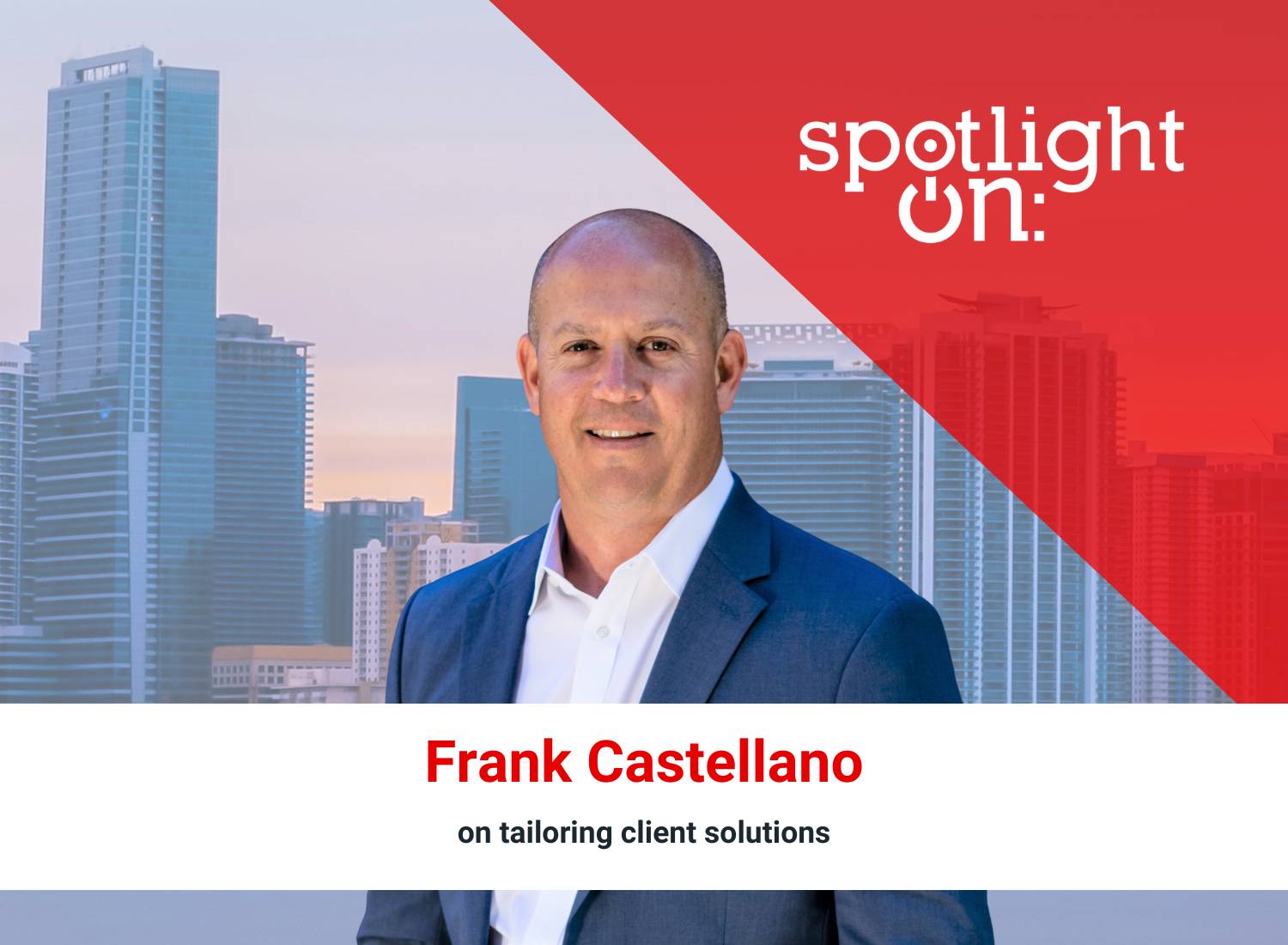
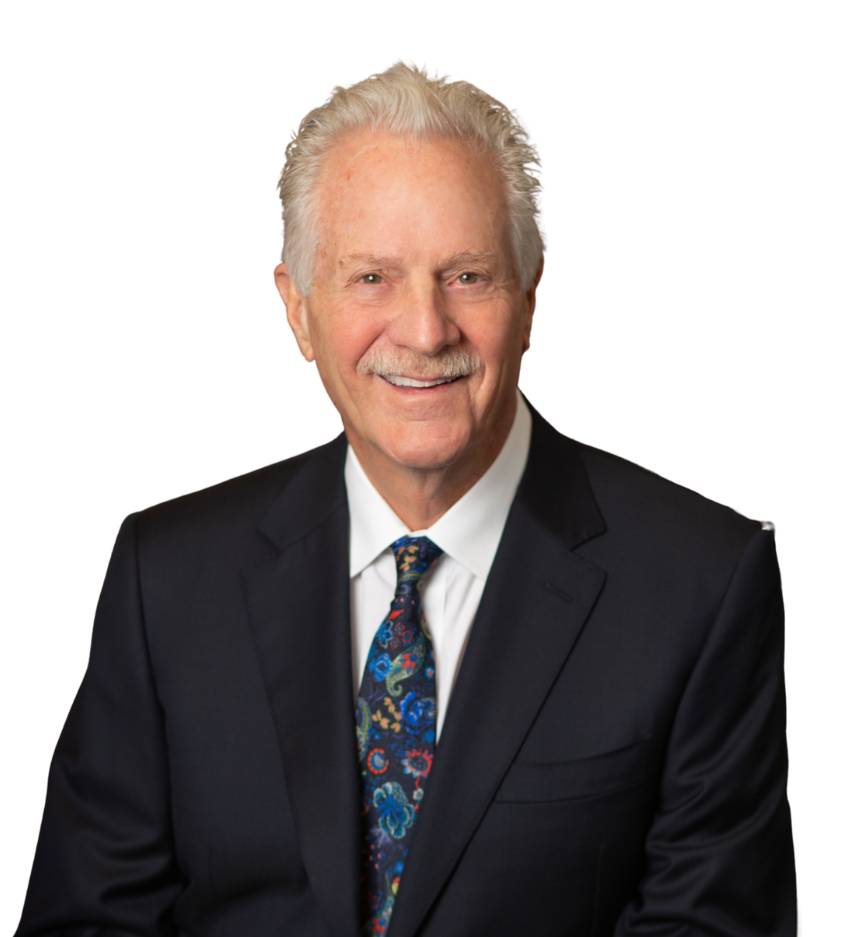
Spotlight On: Frank Castellano, Executive Vice President – San Antonio, Brown & Brown Insurance

Frank_Castellano_Spotlight_OnOctober 2025 — In an interview with Invest:, Frank Castellano, executive vice president of Brown & Brown Insurance, highlighted San Antonio as a strategic hub for South Texas’ growth, calling it “a large metro with a small-town feel.” He emphasized tailored client solutions and noted continued expansion driven by both talent development and deeper community engagement.

Why is San Antonio a key location for Brown & Brown?

We see San Antonio as the gateway to South Texas. Brown & Brown has retail offices in all four of Texas’ major metros — Houston, Dallas-Fort Worth, Austin, and here in San Antonio. But this market is unique. It’s a large metro with a small-town feel. People here prefer doing business with people from their own community, and that matches the way things operate throughout South Central Texas, from here to Laredo and the Valley. There’s also great opportunity across sectors like transportation, supply chain, and tech, making this a diverse and expansive market.


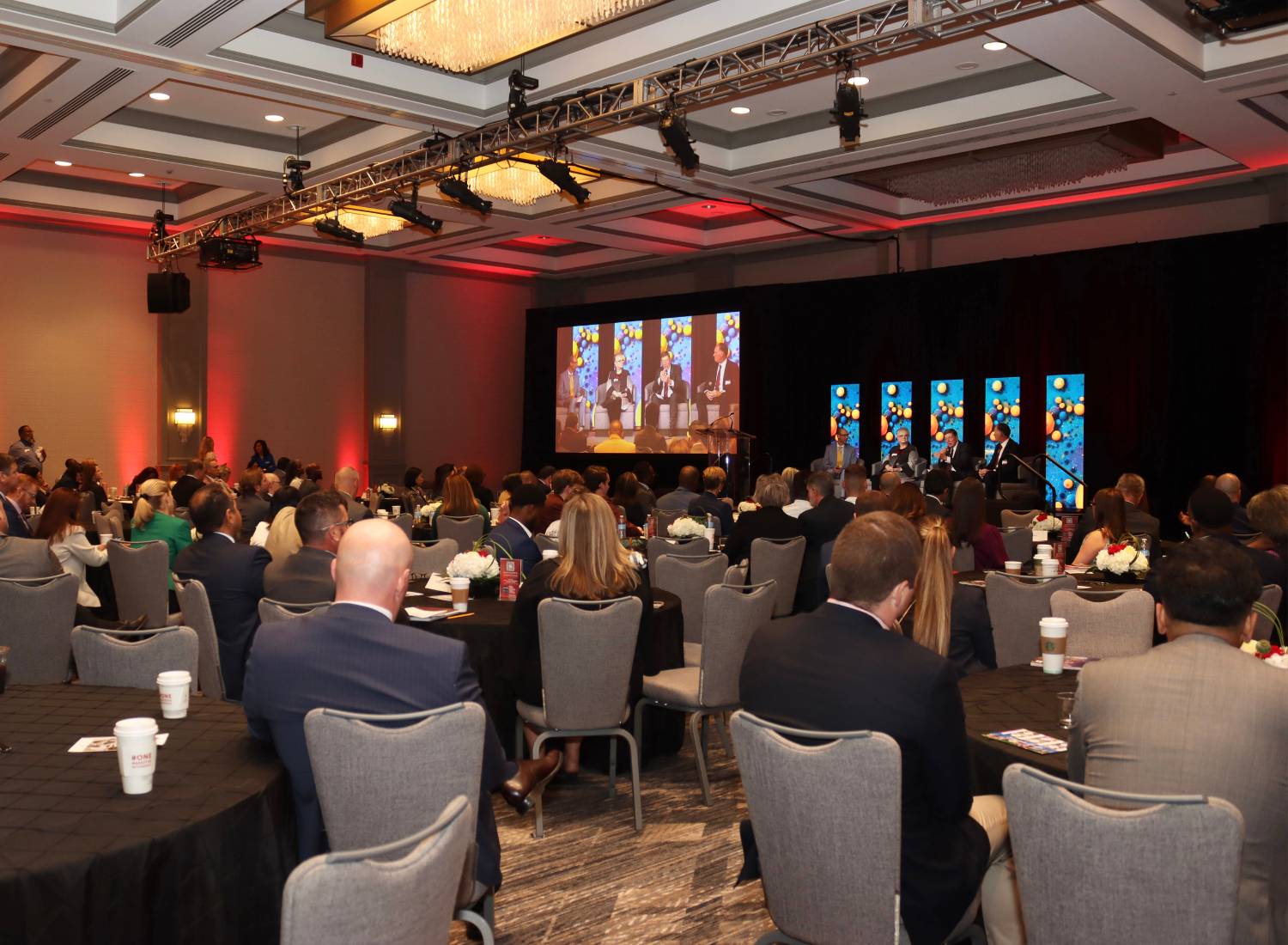
Join us at the San Antonio 4th Edition Leadership Summit! This premier event brings together hundreds of San Antonio’s business and regional leaders to discuss the challenges and opportunities for businesses and investors. This year’s theme centers on how the region is balancing economic growth and authenticity. Buy your ticket now!


What growth milestones have you seen over the past year?

The biggest milestones have been our growth and expansion deeper into South Central Texas. We’ve grown with our clients, many of whom are expanding into larger markets and even into other states. One client we started working with three years ago has grown more than 50% and we have grown alongside them, assisting with solving their problems. We’re also preparing to relocate our San Antonio office, which will give us space to add more teammates and better serve the market.

What are some key challenges and opportunities your clients are facing today?

We’re problem solvers, and clients come to us with specific issues. Cyber liability is a major concern. It’s growing fast, and many clients want help navigating the risks, especially those vulnerable to lawsuits. We’ve partnered with and own a cyber-focused subsidiary to support this need. In transportation, the exposure is high, and businesses are looking for ways to protect themselves, especially against lawsuits. Lastly, our heavy focus on public entities, specifically school districts and municipalities, as they see their exposures grow while managing them through tight budgets. The core is understanding what our clients do, regardless of their size or industry, and building tailored solutions from there.

How is technology transforming your business?

It’s changing how we operate every single day. Clients expect fast, seamless service, whether it’s issuing certificates or managing claims. We’ve had to evolve and embrace digital tools to meet those expectations and stay ahead of the curve.

What trends are you seeing in the property and personal insurance markets?

In Texas, we’re still facing capacity issues when it comes to property insurance. But we’ve started to see some leveling off — rates are stabilizing depending on exposure. It’s not relief, but it’s not the drastic rate increases we saw before. On the personal insurance side, like homeowners, we’re even seeing a slight decline in rates, which is good news for consumers, though restrictions are still aggressive.

How would you describe the broader economic climate?

On a national level, the past year brought concerns around inflation and interest rates, and many businesses were hesitant to invest. That sentiment is still present, but there’s more consistency now. Here in San Antonio and across Texas, we’ve been in a better spot. There’s a general sense of optimism, even if some concerns remain.

What is your approach to talent recruitment?

It’s something every broker is talking about. We’re all looking for top talent. A lot of experienced professionals are retiring, and there’s a gap before the younger generation fully steps in. We focus on culture first — what we offer, how we support growth. We’re recruiting from local universities, bringing in young professionals, and helping them see the full potential of this industry. I view it as a candy store — there are so many options you can go with in the insurance field.

How did you get into the insurance field, and what has kept you here?

I have a finance degree and kind of defaulted into insurance, like many people. But once I got in, I realized how many great people there are, the stability it offers, and how meaningful a career it can be. In many ways, it’s recession-proof, it’s full of purpose, and it’s a great way to make a living. There’s real purpose in the work, and I’m passionate about what we do.

What are your top priorities moving forward?

We’re growing both internally and externally. That means hiring more teammates, market expansion, and continuing to grow organically. We’re also looking at acquisition opportunities, but culture is the first filter — we only partner with agencies that align with our core values. Externally, we’re committed to growing our presence in the community, increasing brand recognition in San Antonio and across South Texas. We’ll soon be relocating our office, which will give us space to bring in more teams and expand further.

It’s about staying on the course, continuing to educate our team, helping them become better individuals and problem solvers. That’s how we grow: by investing in our people and staying focused on solving the real problems our clients face.

Want more? Read the Invest: San Antonio report.

Subscribe to Our Newsletters

"*" indicates required fields

Address*
Would You Like To Receive Our National Newsletter?*
Interests
Markets
This field is hidden when viewing the form

Houston’s transformation into an innovation powerhouse

Writer: Andrea Teran

IHOU24October 2025 — On Thursday, Nov. 20, more than 250 of Houston’s leading voices from across the business, civic, and institutional sectors will convene at the JW Marriott Houston by The Galleria for the release of the second edition of Invest: Houston, the city’s comprehensive annual economic review published by caa. The Invest: Houston Leadership Summit, running from 8 to 11 a.m., will offer an in-depth look at the forces driving the region’s economic evolution, while also fostering high-level dialogue on the opportunities and challenges ahead.

This year’s summit carries the theme, Houston: Cradle of innovation for the world, and will explore how the city’s longstanding strengths in infrastructure and logistics are intersecting with technology and education to shape Houston’s next era of growth.


Join us at the Houston 2nd Edition Leadership Summit! This premier event brings together hundreds of Houston’s business and regional leaders to discuss the challenges and opportunities for businesses and investors. This year’s theme centers on Houston’s role as a leader in world innovation. Buy your ticket now!


The program will include a keynote address from Houston Mayor John Whitmire, who will outline his administration’s strategic priorities and how his office is supporting innovation throughout the region.

“We’ve been discovered,” Whitmire told Invest:, referencing the expansion of TMC³, Chevron’s headquarters relocation, ongoing port growth, and the upcoming 2026 World Cup.

The event’s first panel, “Laying the Groundwork: How technology reshapes sustainability to fuel Houston’s next chapter,” will examine how Houston’s public and private leaders are responding to the dual pressures of modernization and sustainability. The discussion will bring together Ryan Ezell, CEO of Flotek Industries, Parker Meeks, CEO of Utility Global, Brandon Meyers, Joeris General Contractors’ vice president for Houston, and Ricky Sakai, senior vice president of investment and business development for Mitsubishi Heavy Industries America, with Seyfarth Shaw partner Suzanna Bonham moderating. Panelists will discuss how digital tools, clean energy solutions, and forward-looking innovation are being leveraged to sustain Houston’s global economic relevance.

The summit’s second panel, “Inspiring the Next Generation: How Houston’s K–12 system is cultivating future innovators,” will bring together superintendents Walter Jackson of La Porte ISD, Ken Gregorski of Katy ISD, Rebecca Brown of Dickinson ISD, and Randal O’Brien of Goose Creek CISD. The panel will be moderated by the CEO and founder of caa, Abby Lindenberg. This conversation will explore how districts are integrating education, career readiness, and equity-driven strategies to ensure students are prepared for an innovation-first economy.

More than a market report launch, the Invest: Houston Leadership Summit is a platform for strategic dialogue, long-term thinking, and regional alignment. As Houston navigates a pivotal moment in its growth, the summit provides space for the region’s leaders to align on priorities, challenge assumptions, and turn insight into action.

About caa & Invest: Houston

caa is an integrated media platform that produces in-depth business intelligence through its annual print and digital economic reviews, high-impact conferences and events, and top-level interviews via its video platform, Invest:Insights.

Invest: Houston is an in-depth economic review of the key issues facing the Houston economy, featuring the exclusive insights of prominent regional leaders. Invest: Houston is produced with two goals in mind: 1) to provide comprehensive investment knowledge on the region for local, national, and international investors, and 2) to promote the region as a place to invest and do business.

The report conducts a deep dive into the top economic sectors in the region, including technology, real estate and construction, infrastructure, banking and finance, healthcare, education, and tourism. The publication is compiled from insights collected from more than 200 economic leaders, sector insiders, political leaders, and heads of important institutions. It analyzes the leading challenges facing the market and uncovers emerging opportunities for investors, entrepreneurs, and innovators.

For more information, please contact:

Alina Manac

Senior Executive Director

305-731-2342

Want more? Read the Invest: Houston report.

Subscribe to Our Newsletters

"*" indicates required fields

Address*
Would You Like To Receive Our National Newsletter?*
Interests
Markets
This field is hidden when viewing the form

Why mental health is still being overlooked in the workplace

Writer: Mirella Franzese

CorporateOctober 2025 — Nearly 75% of U.S. workers experienced at least one symptom of a mental health condition in the past year. Yet most employers are ill-equipped to address this crisis, even as they acknowledge its impact on performance.

The results are clear: lower morale, teams suffering from higher rates of turnover, burnout, and depression, as well as struggles with attracting and recruiting talent in the midst of a national labor shortage. In a competitive market, lack of preparation doesn’t just mean lower performance or higher turnover — it means a measurable impact on returns.

“The workplace isn’t neutral in this story — 84% of workers say their work conditions directly contributed to a challenge,” mental health nonprofit One Mind’s chief strategy and growth officer Sarah Tol told Invest:. “So the workplace becomes one of the most critical systems where support must be delivered.”

While behavioral health is a top priority for more than half of American executives, just 1 in 4 organizations have a formal mental health strategy in place and few leaders actively participate in mental health initiatives, according to One Mind’s 2025 Mental Health at Work Index annual report

“There’s increased awareness from employers to do more to support the mental health of their employees, but as that interest grew, there was insufficient research on how to respond,” Tol told Invest:. “The leaders know it is important. They want to do it. The challenge is how to do it.” 

While 90% of U.S. businesses offer mental health benefits, most are critically underinvesting in prevention measures, such as creating a safe workplace environment. The report suggests employers are treating mental health symptoms once they arise through provisions such as access to therapy and community mental health teams, rather than creating protections and promotions that prevent harm in the first place.

“Employers are inundated daily with benefits, perks, and assistance programs, but they are not integrated. It’s hard to know what makes an impact directly on the employees,” added Tol.

This imbalance is more pronounced at small and midsize businesses. Although larger employers are able to provide better benefits and resources, smaller companies aren’t necessarily able to offer the same opportunities. According to Tol, this creates an equity gap in support, which, over time, can widen to threaten corporate performance.

Data from the Mental Health at Work Index clearly shows that organizations with superior mental health strategies are almost twice as likely to be recommended as a great place to work by employees, leading to voluntary turnover rates that are almost 50% lower. Additionally, employees who work at a company that supports their mental health are twice as likely to report “no burnout or depression,” as cited by Mind Share Partners.

Tol sees this as an opportunity to change the narrative surrounding behavioral health within corporations. 

“It’s this shift — from treatment to prevention — that defines the next phase of workplace mental health leadership. Balancing the employer-employee dynamic starts with recognizing that both have a shared stake in creating a healthy workplace.”

Managers, for one, play a pivotal role in this recalibration: “They’re not therapists, but they are connectors. They need to know how to listen, how to respond, and how to guide people to the right supports,” said Tol.

One Mind and SW/PA Coalition put together a Manager’s Checklist, which outlines fundamentals to promote behavioral well-being in the workplace. These include well-being activities, benefits reminders, regular check-ins regarding workload, and work-life balance.

These types of “well-being investments” solve critical gaps in hiring and retention, according to Ellen Kelsay, president and CEO of Business Group on Health. “By viewing these initiatives as having a direct impact on overall employee health, employers also boost workplace engagement, participant outcomes and business performance, among other benefits,” Kelsay told HR Drive.

However, mentally healthy workplaces are not just critical for employers and employees, but rather for driving long-term economic resilience, retention, and growth.

In a shrinking labor pool, organizations that invest in well-being are the ones that will retain and attract the best people,” said Told. “In this time of uncertainty with the geopolitical environment, we need to maintain that sense of urgency around workplace mental health. We need to ensure that the attention doesn’t fade … by tying well-being directly to economic impact, we can help organizations to keep this on the leadership agenda.”

Want more? Read the Invest: reports.

Subscribe to Our Newsletters

"*" indicates required fields

Address*
Would You Like To Receive Our National Newsletter?*
Interests
Markets
This field is hidden when viewing the form

Spotlight On: Urich Bowers, Chief Consumer Banking and Strategy Officer, Northwest Bank

Urich_Bowers_Spotlight_OnOctober 2025 — In an interview with Invest:, Urich Bowers, chief consumer banking and strategy officer at Northwest Bank, said that strategic investment in technology, community presence, and personalized service are driving growth and deepening customer relationships. “That’s why our focus is on being truly omnichannel, offering customers access to banking services whenever, wherever, and however they choose,” Bowers said.

What changes over the last year have impacted Northwest Bank, and in what ways?

It has been a very exciting year for Northwest. We’re undergoing significant transformation, all of it positive. Over the past year, we’ve had additions to our leadership team, bringing in additional bench strength and different perspectives. 

We’ve also made considerable investments in our commercial banking verticals to become a more diversified institution. We’ve been transforming our retail organization to be more sales-enabled and customer-centric, enhancing the overall banking experience for our customers.

Recently, we completed the conversion of Penns Woods Bank, which is based in the northeastern and central parts of Pennsylvania. This acquisition has helped us fill in our regional footprint, and culturally, it’s a great fit. It gives us added scale, which allows us to continue investing in core technologies, commercial verticals, and our retail franchise.

We’ve also started a de novo expansion of our financial center network. We’ve created a new architectural model with an environment that’s welcoming, flexible, and sales-enabled. Its open design represents the evolution of our financial centers into a hub for a more advisory, hospitality-led experience in the heart of the community. It features self-service kiosks for simple transactions, while still offering the option of speaking to a traditional teller for more personalized needs.

Our recent bank conversion and expansion generated stronger employee engagement across all markets, including Pittsburgh. Our employees see the bank investing in its future, which builds excitement and motivation. This renewed energy is translating into real business outcomes, with customer growth and improved performance in our retail banking segment.

Which consumer banking initiatives have helped drive recent growth?

We deliver large-bank capabilities with a personalized, community-oriented approach.

Our team knows our customers by name. I’ve visited local small businesses — like coffee shops or restaurants — owned by our clients. I often hear how we were the bank that helped them get started, supported their growth, and provided impeccable service. That kind of feedback really reinforces why we do what we do.

We’re offering great value for our customers. We provide access to 55,000 surcharge-free ATMs, checking and savings accounts with no monthly fees, and early pay features, among other benefits.

We continue to look for ways to innovate and expand our offerings. In today’s rate-sensitive environment, customers are more aware of the value they’re receiving, and we’ve remained competitive on that front. Our strong rates and excellent customer service have helped us grow both our relationships and our deposit base, especially in Pittsburgh and our other key markets.

How are you attracting top talent and creating meaningful career pathways that make Northwest stand out as an employer?

Pittsburgh is truly a hotbed for talent, thanks to its many highly ranked universities and its status as a financial services hub. Several large and midsized banks are headquartered there, which creates a competitive but rich recruiting environment.

We’re exploring ways to reinvent our development program for new college graduates and early-career professionals. We want to create a structured onboarding and growth path for them within the organization.

Pittsburgh also serves as one of our two hub locations. We have operations in both Bellevue and Downtown, with 19 financial centers and about 200 employees. That proximity to talent and strong networking among employees help significantly with recruiting.

There’s also a unique loyalty in the Pittsburgh population. Recruiters often find that residents are reluctant to leave, and if they do, they tend to return. So having two hubs in the area gives us a real advantage, enabling people to live and work in a place they’re deeply connected to.

What trends are you seeing as most important, and how is Northwest adapting?

Banking continues to be an incredibly competitive space, with digital banks, direct banks, national players, regional banks, and credit unions all in the mix. That’s why our focus is on being truly omnichannel — offering customers access to banking services whenever, wherever, and however they choose.

Interestingly, even as digital usage increases, the importance of physical financial centers remains high. While many customers open their accounts online, research shows that the visibility of a physical branch still influences their choice of bank. Branches also provide a vital space for customers to have personal conversations about financial wellness or to get assistance with more complex issues.

Even among younger, digital-native customers, we see a trend where they’ll open an account in a branch and then manage it entirely online. So having that physical presence is still essential. It supports customer acquisition, even if most of the relationship lives in the digital space.

So we’re investing in both digital platforms and our branch network. Simplicity, speed, and choice are crucial, especially since deposit products tend to be commoditized. What sets us apart is the level of service and hospitality we provide, treating customers the way they want to be treated.

How do you connect with community needs in places like Pittsburgh, specifically in areas like financial education, housing, or access to credit?

Our communities are the lifeblood of our organization — when they thrive, we thrive. That’s why we take a hands-on approach to community involvement. We’re very active in affordable housing initiatives and financial literacy programs. Our employees also volunteer extensively with local nonprofits.

We have a foundation through which we make targeted investments that align with our mission. For example, we pledged $300,000 to the Hilltop Economic Development Corporation, supporting Mount Oliver and Knoxville communities. We also run educational events like “Business and Brews” in Elizabeth — an idea from one of our financial center managers — where we invite customers and potential clients to learn about financial wellness in a casual, approachable setting.

We also partner with institutions like the University of Pittsburgh at Bradford. We contributed to the construction of their George B. Duke Engineering and Information Technology Building. These efforts all tie back to our mission to strengthen the communities we serve, whether through direct investment, education, or volunteerism.

What are the top goals and priorities for the bank’s consumer banking strategy over the next two to three years?

We’re going to continue investing in core technologies that support an omnichannel experience and help our employees be more effective. Tools like automation and AI will play a big role, especially in the back office and contact center, streamlining transactions and improving issue resolution.

We also plan to keep expanding our physical footprint. We’ll be opening three new financial centers in the Columbus, Ohio market in 2026. Recently, we opened our first new financial center in six years in Fishers, Indiana, and we’re actively exploring partnerships and potential relocations or renovations in Pittsburgh, which remains a core market for us. 

We’re always evaluating how we can revitalize areas through our financial center investments. It’s not just about putting up a building, it’s about contributing to the community around it and supporting the local economy, which ultimately benefits everyone.

Want more? Read the Invest: Pittsburgh report.

Subscribe to Our Newsletters

"*" indicates required fields
Address*
Would You Like To Receive Our National Newsletter?*
Interests
Markets
This field is hidden when viewing the form

Spotlight On: Jodie Harris, President, PIDC

Jodie_Harris_Spotlight_OnOctober 2025 — In an interview with Invest:, PIDC President Jodie Harris discussed the organization’s evolving role in Philadelphia’s economy, highlighting capital access, advancing economic growth and development, and cross-sector partnerships. “Planning will remain a central part of our work, as will leveraging the right mix of resources to drive impact where it’s needed most.”

What changes over the past year have most influenced your organization’s priorities and approach to economic development in Philadelphia?

The biggest shift, and one that’s still evolving, is the change in the national economic landscape, with shifting priorities at the federal level that are impacting businesses and organizations not just in Philadelphia but all across the country. There’s been some disruption in how capital flows and a growing sense of uncertainty in the marketplace.

At the same time, organizations are navigating how to continue to serve communities and neighborhoods and stay true to their respective missions while taking into account the policy and regulatory changes that impact them. While there have been challenges on this front, there are also opportunities that have arisen, and it’s critical that we capitalize on those.


Join us at the Philadelphia 6th Edition Leadership Summit! This premier event brings together hundreds of Southeast Pennsylvania and South Jersey’s regional leaders to discuss the challenges and opportunities for businesses and investors. This year’s theme centers on the regional strengths of the eds and meds. Click here to learn more.


How are these shifts affecting small businesses and real estate development in city neighborhoods?

As Philadelphia’s public-private economic development arm, we’re a mission-driven lender. So PIDC is especially attuned to how capital reaches communities and different types of projects.

For larger-scale developments, it’s about assessing the economy and trying to anticipate what interest rates will look like, what impact tariffs may have, and how businesses will respond — where they’ll locate, how they’ll grow, whether they can build the workforce they need, and how they’ll source their goods and services.

For the small businesses we support through our CDFI, PIDC Community Capital, the questions are more tied to the local economy. There’s a focus on the local retail and industrial economies, looking at spending patterns and whether individuals and businesses feel confident enough to spend, invest, or expand.

We help catalyze business growth by offering, and tailoring, financial products and services that allow small businesses to do everything from purchasing needed equipment, filling crucial staffing needs, to even purchasing their buildings to become permanent fixtures in their communities and building wealth at the same time. Business owners are making decisions like that right now, but there’s still a lot of uncertainty about what the next year, five years, or even 10 years will look like economically. And in business you must evaluate your operations both in the short term and the long term, which is always a challenge.

How is your organization leveraging its role as both a CDFI and a master developer to close capital gaps in underserved markets?

There’s a real science to blending financing from different sources to achieve the goals we’re tasked with: investing in places that need it, while also spurring transformational real estate developments that create quality jobs for Philadelphians. We rely on a range of partners to help us do both of those things. 

We’re strategic about the capital we raise and how we deploy it. At the same time, we make sure we’re diversifying our partnerships. A small business might receive just one loan from us, but behind the scenes, that loan could be backed by a complex mix of philanthropic capital, bank capital, and other sources of funds.

On the development side, it’s a similar process but with a different set of partners. We collaborate closely with the city and the Commonwealth, leverage federal funds, and combine those with other sources to meet the capital needs of major projects.

We also engage with our local chambers of commerce and workforce organizations to make sure we have the people and infrastructure necessary to make those deals successful.

How does PIDC’s Strategic Framework shape your approach to economic development?

It guides everything we do. The framework doesn’t just represent values; it lays out core principles that shape how we drive impact and create opportunity all across the city. Our goal is to spur growth in every corner of Philadelphia, and we use these lenses to ensure our products and services are meeting real community needs.

When we think about resilience, we focus on making sure our investments support long-term growth and can help organizations and businesses adapt to changing environments and markets.  With the future of work, we’re looking at job creation by identifying which communities have the greatest need, how any particular project supports workforce development, and how it helps create quality jobs and grow the local economy.  And most importantly, one of Philadelphia’s strengths is its wide diversity: geographic, ethnic, cultural, and more. We have to work to ensure whether they’re small business owners, nonprofits, or developers that they treated equitably and have access to capital and opportunities.

What neighborhoods have emerged as priorities for commercial corridor investment, and what strategies are you using there?

We’ve continued to focus heavily, often in partnership with the City’s Department of Commerce, on growing our commercial corridors that are hubs for our community, providing not just jobs but also critical goods and services. 

In Southwest Philadelphia, for example, we helped fund ACANA’s Africa Center, a new hub for immigrant entrepreneurs. That project has also supported surrounding homegrown businesses through an infusion of capital to build out a new commercial center. Now, we’re studying whether that model can work in other parts of the city.

In Northeast Philadelphia, where there’s more industrial space and less residential density, we helped facilitate a property purchase that led to what was named the 2024 Industrial Deal of the Year by a local publication. Crow Holdings is now building a cold storage facility in that location, something many manufacturers have told us is a critical need to help them grow as the logistics economy continues to grow. It’s a different kind of project, and again, we’re asking how we can adapt and modify these models in ways that can translate to and be successful in different neighborhoods.

There’s still work to be done, but we now have examples of strategies that have succeeded in specific neighborhoods. The next step is to expand our toolbox and ensure we’re using the right tools to support growth based on each area’s unique needs.

How do partnerships with the private sector, philanthropy, and government help advance your mission?

Partnerships are foundational. All development and economic growth are tied to strong public-private collaborations. From where we sit, we’re in a unique position to align government, community, and private-sector interests around shared goals for unlocking opportunity and driving impact.

We often work on projects that people may not immediately associate with economic development, like partnering with SEPTA to acquire parcels for their trolley modernization project. That effort required coordination with both SEPTA and the City, and it supports workforce development and broader economic growth throughout Philadelphia.

Each project is different, and not every development engages the same set of partners or resources. Flexibility in partnerships is key.

That’s why we’re proud to support Mayor Cherelle Parker’s administration and City Council as we pursue a shared vision of expanding economic opportunity, creating quality jobs, and building a more resilient city. Our collaboration ensures that PIDC’s projects and financing directly align with the City’s priorities for economic growth and opportunity for Philadelphians.

How is your organization supporting growth in emerging sectors like life sciences and manufacturing?

We work alongside a wide range of organizations to understand Philadelphia’s market and position the city for growth in high-potential industries. In life sciences, and specifically in gene and cell therapy where Philly has become a renowned hub, we partner closely with the city, the Chamber of Commerce for Greater Philadelphia, and the city’s diverse chambers of commerce. We also work directly with existing companies to ask them what challenges they face, identify their growth needs, and then translate those into business incentives that attract and retain firms in Philadelphia.

One recent initiative brought together PIDC, the Chamber, the City’s Commerce Department, Philadelphia Works, and Visit Philadelphia to position Philadelphia as part of a broader regional economic development plan. While PIDC services only Philadelphia-based businesses, we recognize that the city is the region’s economic, cultural and job creation engine. Life sciences and related sectors were highlighted as a regional priority, and Philadelphia has played a leading role in shaping that vision.

The Navy Yard, which PIDC has managed since 2000 after the naval base closed in the 1990s, is a major asset in this strategy and is a nationally-recognized model for redevelopment of a former military installation. It now houses a concentration of life sciences companies, companies that advance maritime assets, as well as a community of small and local businesses that support citywide and regional growth. We continue to engage as a key partner in driving that transformation.

What is your vision for the organization’s role in shaping Philadelphia’s economic future over the next five to 10 years?

Our vision builds on where we are now, with a focus on scaling our growth and deepening our impact.

The Navy Yard is a great example. We assumed control of that property in 2000, and this year marks 25 years of investment and planning. We now have over 150 businesses and more than 16,000 employees located there—and they’re in jobs representing all levels of education from GED-level through Ph.D.s. It’s a very unique place, and the success of that site reflects years of strategic partnerships, public and private investment, and intentional, long-term planning.

Looking ahead, PIDC’s future depends on continuing to grow and diversify our revenue, strengthen our partnerships, and think strategically about how we serve neighborhoods and commercial corridors across the city. We continue to focus on creating jobs, attracting investment, and tailoring our financing products and services to meet the specific needs of the various communities in our great city. Planning will remain a central part of our work, as will leveraging the right mix of resources to drive impact where it’s needed most.

How has PIDC’s mission and impact evolved over time?

PIDC was created as a joint venture between the City of Philadelphia and the Chamber of Commerce for Greater Philadelphia in 1958, a time when Philadelphia was beginning to see adverse effects of population decline and loss of our critical manufacturing base that powered our local economy for generations. While we started with a focus on industrial development, we’ve evolved significantly. Today, we also provide small business financing and support services, and continue to play a major role in the city’s civic community. 

We’re known for our large, visible projects like the Navy Yard, but we’re equally proud of the smaller efforts that often fly under the radar. This past year, PIDC remained steadfast in our mission to support small business growth, spur real estate development, facilitate business financing, and administer grants that strengthen communities. In 2024, we closed 297 transactions, providing financing to at least 262 organizations, supporting 2,700 jobs, and catalyzing over $1.4 billion in investment. These funds helped businesses expand, create jobs, and transform neighborhoods — demonstrating the power of strategic investment in fueling Philadelphia’s economic momentum and future. 

The big projects are exciting, but the day-to-day support we provide to entrepreneurs and local businesses is just as important to Philadelphia’s long-term economic health.

Want more? Read the Invest: Philadelphia report.

Subscribe to Our Newsletters

"*" indicates required fields
Address*
Would You Like To Receive Our National Newsletter?*
Interests
Markets
This field is hidden when viewing the form

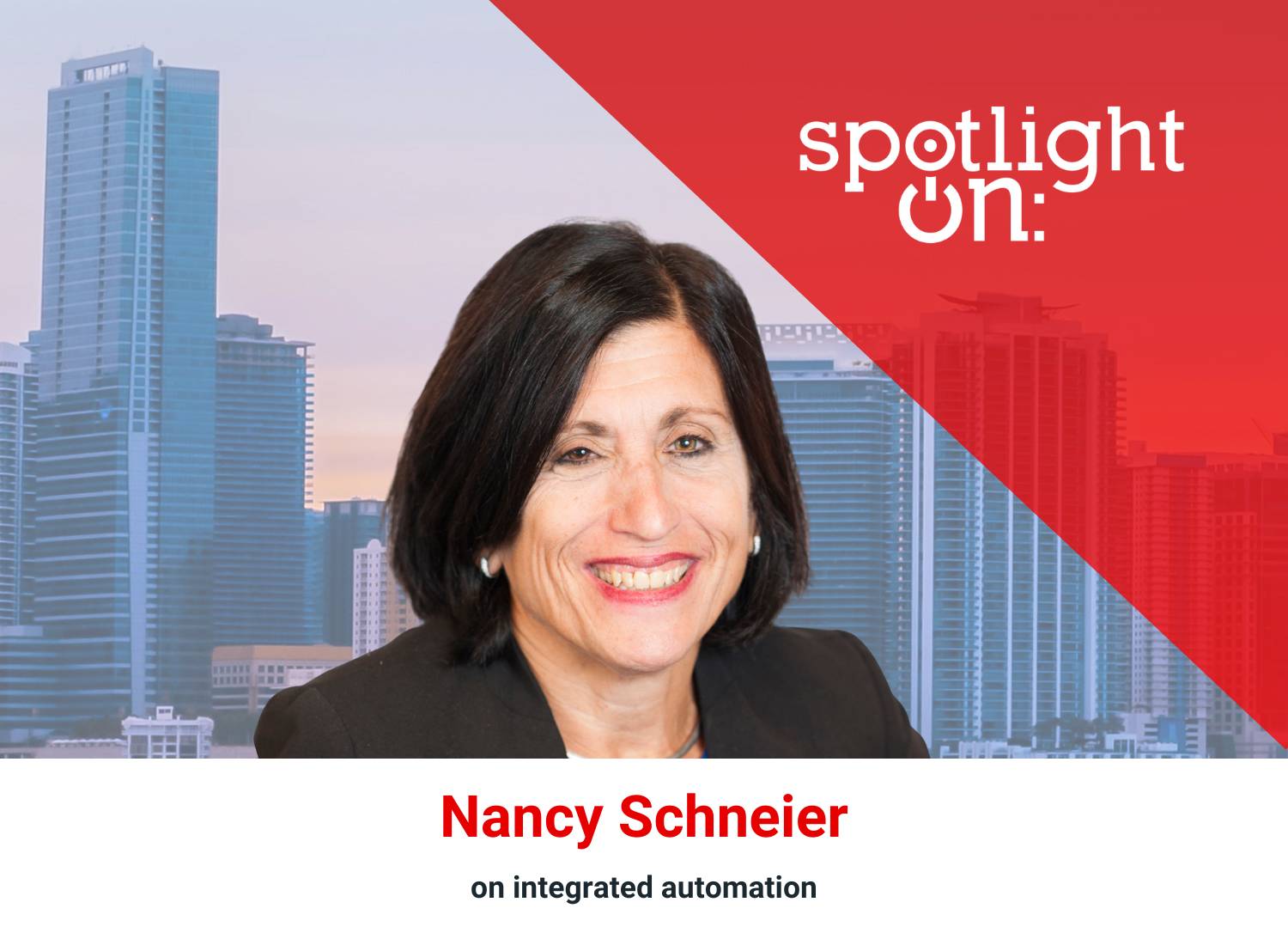
Spotlight On: Nancy Schneier, Chief Revenue Officer & Founder, Vikar Technologies

Nancy_Schneier_Spotlight_OnOctober 2025 — In an interview with Invest:, Nancy Schneier, chief revenue officer and co-founder of Vikar Technologies, discussed her team’s shared fintech experience, the critical need for integrated automation platforms among community banks, and the challenges the company faces. “Success is about timing and finding your main mission and passion. It is about being in the right place at the right time with the right people,” Schneier added.

How would you describe what Vikar does to someone outside the financial services or technology sectors?

At its core, Vikar helps banks and credit unions use technology to simplify and improve how they serve their customers. We’ve built an automation platform that supports the full lifecycle of both loans and accounts. On the lending side, that includes everything from loan origination — automatically booking loans to the core system — to providing a secure portal where borrowers and lenders can collaborate and share documents. We also offer portfolio management tools to handle annual reviews and track key events after a loan is originated.

On the account opening side, we support both online and in-branch experiences. A customer can start opening an account at home on their phone or laptop, and for more complex accounts, they can walk into a branch and finish the process with a banker. Our platform ensures a seamless, omnichannel experience for both simple and complex needs.

What sets us apart is that both lending and account opening sit on the same underlying platform. This means a bank can manage both processes in one place, rather than relying on multiple disconnected systems.

While we focus heavily on the customer experience, we’re equally focused on the employee experience. If the tools aren’t easy for bankers to use, frustration shows through to the customer. By making the process simple for employees, we help them feel more confident and deliver better service to their clients.

How have ongoing changes in the economy impacted your organization, if at all?

Economic shifts have a direct impact on how our clients—banks and credit unions—operate, and that naturally influences us as well. For many institutions, the focus is on efficiency. They’re under pressure to streamline operations, improve margins, and position themselves for potential acquisition, since smaller banks often struggle to compete in today’s environment without scale.

On the other end of the spectrum, larger banks, like our client Valley Bank, are focused on continued growth. Even if they’re not actively acquiring right now, they’re always planning for the next opportunity. That dynamic — larger banks expanding while smaller ones consolidate — has reshaped the industry.

When we started, there were close to 7,000 community banks. Today, that number is closer to 4,500, and it continues to decline. That contraction reduces our total addressable market but also sharpens our value proposition: institutions need the right technology to remain competitive, whether they’re preparing to be acquired, looking to acquire, or defending their position against peers.

A recent trend we’ve also seen is banks viewing credit unions as stronger competitors than before, which is further driving demand for solutions that can help them operate more efficiently and deliver better customer experiences.

What are some of the main challenges Vikar is facing in today’s market?

One of our biggest early challenges was visibility. For a long time, nobody outside of New Jersey had heard of Vikar. We bootstrapped from day one, built a profitable business, and earned strong recurring revenue with a growing client base across New York, New Jersey, and Pennsylvania. But breaking beyond our home market and making an impact on a larger scale — that was the real hurdle.

Another challenge is overcoming inertia within the industry. Bankers often recognize the value we bring and get excited about the possibilities, but hesitation to change can slow down decisions. Building momentum comes from showing the clear before-and-after impact of our platform, and that’s best achieved through proven client success and peer-to-peer recommendations.

The big shift for Vikar in 2024 was our decision to take on outside capital for the first time. After years of being fully bootstrapped and profitable, the four partners agreed it was the right moment to raise funding so we could scale. We closed our Series A on December 30, 2024, and have since put that capital to work in several areas. From a revenue standpoint, the most significant step was building out a dedicated sales team. We now have four talented professionals with diverse backgrounds and strengths, which has been a major catalyst for growth.

On the product side, our CFO has directed additional investment into our development team to accelerate innovation. A key focus is exploring how to responsibly incorporate artificial intelligence into our solutions. AI in banking is powerful but also complex, and we’re approaching it with the care it requires — balancing innovation with compliance and trust.

On the delivery side, we’ve expanded our team with more engagement leads, giving us the ability to scale implementations more effectively. This has already paid off as we’ve established a presence in new markets: with a representative in California, we closed a new banking client there, and with another in Texas, we’re on track to secure our first client in that region as well.

For community banks and credit unions, early adoption often drives momentum. Once we win that first client in a new geography, others tend to follow. That makes differentiation critical, and I believe we’re positioned to stand out.

The real challenge now is using this capital wisely — investing strategically, pacing our growth, and ensuring we scale sustainably while continuing to deliver meaningful results for our clients.

How do you consciously apply your mission to “connect people” to your company’s strategy and culture?

My personal entrepreneurial journey was less about a lone “eureka” moment and more about finding the right environment and team. I have always possessed an entrepreneurial spirit, but I was never the individual who would sit in a basement alone, inventing something from a single idea. I knew I thrived in an entrepreneurial environment and that I needed to work as part of a team to be successful. The entrepreneurial environment is a challenge I actively sought, but I could not do it alone.

My transformation began when I met my co-founders at a previous company. They had been a team for five or six years, and I was the final piece that brought everything together. We had the visionary, another ran delivery, and we had a technologist. My role became business development and sales, the final function they were missing. This was a profound personal transformation, as I had always been a solo contributor and had never run a sales force or managed people before. Finding the team that could take on the part I could not was the missing piece for them and for me. It was the catalyst that allowed us to start Vikar.

This experience shaped my core recommendation for aspiring entrepreneurs: Success is about timing and finding your main mission and passion. It is about being in the right place at the right time with the right people. For me, that mission is connecting people and businesses so they can thrive, which is the passion Vikar serves. You must find something you are deeply passionate about, because that energy is what sustains you through the challenges. As my father, who lived to 94, always said, to live a long and fulfilling life, you must keep both your mind and body active. That philosophy guides everything I do.

Want more? Read the Invest: New Jersey report.

Subscribe to Our Newsletters

"*" indicates required fields
Address*
Would You Like To Receive Our National Newsletter?*
Interests
Markets
This field is hidden when viewing the form

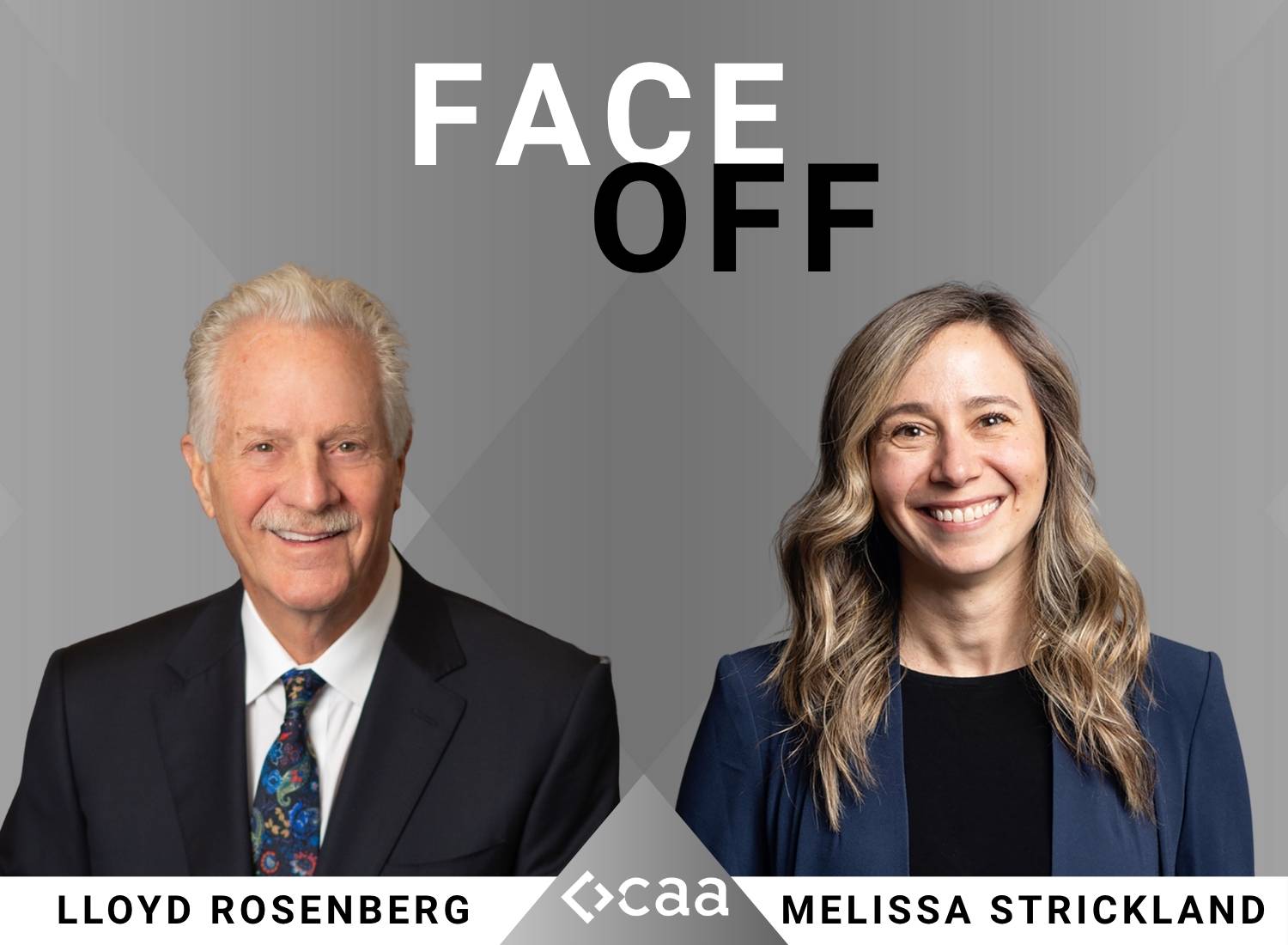
Face Off: Innovation meets experience in NJ’s architecture

Writer: Mariana Hernández

Lloyd_Rosenberg_Melissa_Strickland_Face_OffOctober 2025 — New Jersey’s architectural landscape continues to evolve amid shifting economic, supply chain, and environmental challenges. With projects emerging across healthcare, education, life sciences, and real estate, design leaders are reshaping how people live, work, and connect in the Garden State.

As one of the nation’s most diversified and dynamic markets, New Jersey benefits from its proximity to major metropolitan centers, and boasts positive rankings across categories including safety, education and health, and quality of life, ranking 3rd overall best state to live in, according to WalletHub.

The state’s growing innovation economy, especially in sectors such as education, healthcare, and life science, leads to a combined search for creativity with purpose — embracing new technologies, advancing wellness-focused spaces, and reimagining infrastructure to support future growth.

Two of the state’s leading figures in this transformation are Lloyd Rosenberg, chairman and founder of DMR Architects, and Melissa Strickland, principal and managing director of HLW New Jersey. Both are shaping the state’s design environment in complementary ways — Rosenberg through large-scale institutional and public projects, and Strickland through human-centered design. Invest: recently spoke with both leaders on how their firms are adapting to an evolving market, overcoming challenges, and setting new standards for sustainable growth and innovation in New Jersey’s design and construction landscape.

What changes have most impacted your operations in the past year, while identifying new opportunities in today’s market?

Lloyd_Rosenberg_Face_OffLloyd Rosenberg:

The growth of the economy in New Jersey has spurred the work that we do. The strong sectors have been healthcare, education, and real estate. We do healthcare projects directly with the institutions, but we do auxiliary projects that are a result of what they do and the transformation of what they do when acquiring sites and replacing facilities. We have also been involved in changing things that we did years ago because of technology. We might have done a building or a space in a hospital that had the latest technology a few years ago, but with advances in technology, we have had to go back and redo that building or space to accommodate those new technologies. These are the kinds of projects that keep us busy. 

We also do a lot of work in the education market. As the population goes through transformations and educational programs change, we also need to keep up with that. We work with school districts that are replacing, remodeling, or building new facilities. We have many of those projects, and we also work with the community colleges. These are all activities that happen throughout the state. 

Another project is a result of the World Cup coming to MetLife Stadium. We are building infrastructure facilities there.

Melissa_Strickland_Face_OffMelissa Strickland:

One of the reasons HLW has endured the industry’s ups and downs is the strength of our client relationships. Our clients know we’re here for them, and many have been with us since the New Jersey office first opened. They see us as true partners—we collaborate closely and they trust that we always have their best interests in mind.

Another advantage of HLW is the way we structure our client relationships. When a specific office secures a client, that relationship stays with that team, ensuring continuity and trust. At the same time, we have the flexibility to collaborate with other HLW offices when additional expertise or resources are needed. For example, our New Jersey office has collaborated nationally and globally with other HLW offices, including New York, London, Connecticut, California, and Florida. This model not only strengthens our internal collaboration but also demonstrates to clients the value and reach of our network.

How have changes such as work shortages or supply chain disruptions impacted your work process

Rosenberg: There are two sides to this. There is the political side, which is what appears on the news, such as supply chain shortages, shortages of materials, and tariffs, for example. Then there is the practical side of how to implement and how to get something done. Working with the correct design and the correct contractor to ensure the correct execution of a building, we find these aspects to be easily overcome. With proper planning, proper budgeting, proper scheduling, and integrating the right people, success comes, as opposed to focusing on the obstacles. During the pandemic era, we had serious supply chain issues that impacted construction, but only for a brief period of time, and we found ways to overcome those challenges. We do a lot of public and private work. We have millions of dollars that we are managing and overseeing. Those perceived challenges do not affect the day-to-day operations because of proper planning. You can make a problem or you can solve a problem, and if you solve the problem, then you do not have a problem. We like to look at the solution and work with people who can successfully get things done and move forward.

How has green and sustainable design evolved over the years?

Rosenberg: We have been doing sustainable design for a long time. We have the first school that was LEED-certified in New Jersey. We were doing green building and sustainable design before it was a popular trend. We were doing it because it was the right thing to do. We had clients who wanted to take advantage of that opportunity. We have completed many certified buildings, both public and private. Sustainability was a buzzword for a long time, but we were already doing it as part of our normal, day-to-day operations. In that way, we have been ahead of the curve. Now, sustainability is a normal part of the industry. We have many clients that we assist with energy efficiency, regulations, and all the factors that go into green and sustainable design.

Strickland: Sustainability and wellness have become major drivers in how clients think about their spaces. Even when they’re not pursuing formal certifications, many clients are more conscious about the materials being used and the long-term impact of their interiors.

At HLW, we maintain a healthy materials library and design all our interior environments to meet baseline LEED standards. That way, if a client decides to pursue certification, it doesn’t require additional cost or redesign—it’s already built into our approach. For us, it’s about being proactive, sustainable, and responsible from the start.

Wellness and inclusion-focused spaces are also becoming a priority. Companies are placing greater value on supporting the diverse needs of their employees and creating environments where everyone feels considered. As a result, we’re designing more prayer rooms, reflection rooms, and flexible quiet spaces; areas that offer moments of privacy, mindfulness, or cultural accommodation. These spaces aren’t an afterthought anymore; they’re becoming an expected part of the workplace.

What are your priorities for the next couple of years?

Rosenberg: We were founded in 1991 and have grown to approximately 50 people today. We have expanded regionally by doing work outside of New Jersey. Personally, I have done work in Nigeria and China. Keeping the pace of what we are doing is important. Stability is important, as well as being ahead of the curve.

Strickland: Our growth in New Jersey has always been organic, built on long-term client relationships and the strong reputation we’ve established in the market. That will continue to be the foundation of our strategy.

At the same time, we’re being intentional about expanding in sectors where we’re already well-positioned. Workplace design remains a core strength, and we have a strong foothold in the life sciences market. We’re also growing our presence in higher education, data centers, and high-rise projects along the waterfront.

We’re equally open to pursuing new opportunities that stem from our team’s passions and prior experience. When our people bring interest, expertise, or relationships in emerging areas, we’re willing to explore those directions—because it connects our employees to our growth, culture, and brand.

Overall, we’re excited about the next three to five years and confident in our ability to grow with our existing clients while expanding into new sectors.

Want more? Read the Invest: New Jersey report.

Subscribe to Our Newsletters

"*" indicates required fields

Address*
Would You Like To Receive Our National Newsletter?*
Interests
Markets
This field is hidden when viewing the form

As regional banks scale up, Nashville’s financial footprint expands

Writer: Eleana Teran

BankOctober 2025 — Nashville’s banking sector is ripe for change as two recent M&A deal announcements, Pinnacle Financial Partners merger with Synovus and Fifth Third Bancorp’s acquisition Comerica, will reshape the city’s financial landscape amid broader bank consolidation in the United States.

Fifth Third’s planned $10.9 billion acquisition of Dallas-based Comerica marks a significant development in the banking landscape. The deal will create the nation’s ninth-largest bank, with roughly $288 billion in assets, and expand Fifth Third’s presence across the Southeast, Texas and California. For Nashville, where the bank already ranks as the ninth-largest bank with $3.8 billion in local deposits, the merger reinforces the city’s growing role in the regional financial network. The Cincinnati-based bank has been steadily deepening its Tennessee footprint, including a $20 million investment in North Nashville and the relocation of its regional headquarters to Germantown’s Neuhoff District. 

“Tennessee remains a crucial part of our success,” David Briggs, regional president for Fifth Third Bank, told Invest:. “We are deploying $180 million in capital through various initiatives, including opening 11 new financial centers,” he said. 

“Our company continues to support investment in talent, hiring aggressively and adding key leadership in Memphis while maintaining momentum in Middle Tennessee. From a holistic standpoint, no other regional bank is building as many financial centers as we are,” he added.

Pinnacle Financial Partners, headquartered in Nashville, announced in July its plan to merge with Synovus Financial in an $8.6 billion all-stock transaction that would create a regional bank with more than $115 billion in assets. Since the announcement, the implied value of the deal has declined to about $6.98 billion, reflecting broader uncertainty in the regional banking sector as investors weigh integration risks, higher capital requirements, and the potential impact of prolonged interest-rate pressure. The combined company would surpass the $100 billion asset threshold that classifies a bank as a “large financial institution,” bringing stricter capital and liquidity requirements that can pressure profitability.

Despite the market’s initial reaction, Pinnacle’s leadership remains focused on long-term performance and the merger is expected to close in early 2026, pending shareholder and regulatory approvals. In an interview with Invest: prior to the announcement, Tom O’Connor, market executive at Synovus, noted that consolidation across the financial services industry will likely continue, particularly in heavily banked markets like Middle Tennessee. “Consolidation has pros and cons, but it’s inevitable,” he said. “We’re closely watching the regulatory environment and the growth of the private credit market, which is competing more with the banking sector. Another area of interest is the evolving relationship between banks and fintechs, and creating partnerships that could lead to better offerings for clients.”

Data from S&P Global Market Intelligence shows that M&A activity this year is on par with 2024 levels, though deal value spiked in July to $10.83 billion, the highest since mid-2021, signaling renewed efforts by regional lenders to scale up amid rising costs and tighter regulatory expectations.

The acceleration in mid-2025 reflects more than dealmaking momentum. Banks are facing margin compression. While the banking industry recorded a 5.8% rise in profits in 1Q25, the FDIC noted that loan growth remains slow and provisions tied to commercial real estate are elevated, signaling uneven performance across the industry. 

READ MORE: Middle-market M&A activity drives economic transformation

Recent data shows that dealmaking has remained resilient despite market volatility, supported by high levels of available capital and the need for technological transformation in multiple sectors. 

As Jim Meade, CEO and managing shareholder of accounting and advisory firm LBMC, noted in an interview with Invest:, “Significant M&A activity exists in public accounting today. This has been fueled in part by the introduction of private equity and the expected need for organizational size to invest in digital transformation and industry challenges.” That same logic applies to banking — scaling up provides the infrastructure to support innovation and absorb costs tied to regulation and technology. For Nashville, these deals are likely to enhance the city’s banking diversity and capital availability, as larger institutions expand their investment base and lending capacity in key growth markets across the Southeast. 

Want more? Read the Invest: Nashville report.

Subscribe to Our Newsletters

"*" indicates required fields

Address*
Would You Like To Receive Our National Newsletter?*
Interests
Markets
This field is hidden when viewing the form

Spotlight On: Jessica Dauphin, President & CEO, Transit Alliance of Middle Tennessee

Jessica_Dauphin_Spotlight_OnOctober 2025 — Jessica Dauphin, president and CEO of Transit Alliance of Middle Tennessee, sat down with Invest: to discuss how the Alliance is working to push transit initiatives forward, its strategy for advocating for regional transit solutions, and how investing in transit will benefit both the community and economy for generations to come.

What recent developments or changes have most impacted the Alliance’s priorities and strategy for advocating for regional transit solutions?

The passage of Choose How You Move in November 2024 was a dream come true for us. We’ve been working alongside many partners, including Mayor Freddie O’Connell, toward that goal for 15 years, so finally meeting our mission in such a significant way has been huge. Many nonprofits go decades without achieving that kind of milestone. It has galvanized our work and, in the best way possible, pushed us to broaden our efforts. We’re making ripples and moving the conversation forward for the region. Regional growth is happening fast, with Middle Tennessee set to welcome another million residents over the next 20 years, but our roads are already at capacity. A survey by Williamson Inc. found that one in three people leave their county for work every day, and a state report shows inter-county travel is at an average of 70% — not even counting pass-through traffic. This reinforces the need for regionalism as a best practice.

What are the region’s biggest mobility challenges right now, particularly related to growth, and what opportunities do you see for closing those gaps?

My main focus now is figuring out how we get more collaborative across the region, and fast. The window for effective change is closing. It took the city 15 years to secure dedicated funding, meanwhile the rest of the region doesn’t have that kind of time. High-priority projects from TDOT could make an impact, like the dedicated lanes, and there are good RFPs coming in from collaborative partners, but beyond that, there’s not much on the horizon. The Star commuter rail went through a study to improve service, but implementation could be expensive.

People understand that transit improvements cost money, so the big question is where to allocate limited resources for the greatest impact. Personally, I look at benchmarking our region’s airport access as my next big goal. If we can improve connections to the airport from Clarksville, Franklin and across the region, we’ll boost mobility overall for residents and visitors alike. We cover 10 counties, and keeping up with each one is a tall order for a small organization like ours. We simply don’t have the bandwidth yet, so normalizing this conversation for a shared objective across the region is critical.

How are you seeing public and private stakeholders come together in new ways to push transit forward?

The TDOT choice lanes are an example of a public-private partnership to build extra lanes, with transit vehicles able to use them for free — a triple win. The WeGo Donelson Station is another regional public-private partnership that serves buses and rail. Nashville’s intentional transit-oriented development (TOD) will be a game changer for the city and the region. I don’t think we can fully grasp its impact yet — services from the Donelson TOD hub to the airport will become more frequent, improving connectivity. It’s similar to what we saw with the Dr. Ernest Rip Patton, Jr. North Nashville Transit Center where one transit development dramatically increased access to jobs, education and training and even won the Transit Development of the Year award last year at our Breakfast for Better Mobility event. 

If we succeed with the regional airport project, that will be another key public-private partnership. We’re seeking funding to conduct that study and share the findings. 

Housing plays a part as well. After Choose How You Move passed, the conversation turned to leveraging public and private funds to create affordable and workforce housing units. Collaboration is truly part of Nashville’s culture. I see it across city departments and the region. It’s our superpower, and the only way we will see success in addressing pressing challenges.

How does the Alliance work with local communities to better understand the connection between dedicated transit funding, better services, rideshare growth and beyond?

I always start by asking communities what they see and what challenges they face, then I go back to identify what changes and infrastructure are needed. This must be an ongoing conversation — a one-and-done approach will never work. Listening is a big part of what I do. The Transit Alliance plays the role of active listener. That strategy worked well in one county in 2023-2024, and now we’re bringing it to others to keep the dialogue going.

Looking ahead, what are your top priorities for the Alliance in the next few years?

My top priority is to contextualize our work in a regional strategy with shared goals to improve transit. We need more resources, a solid report to back our plans for regional airport access, and more bandwidth within the organization to keep pushing. Hiring more staff will help us keep our foot on the gas. If we do nothing, the region will keep paying the price — we already lose $1.2 billion annually sitting in traffic. We need to invest differently and push this conversation forward. Infrastructure and public services outlive elected officials and individuals because these are generational investments. For a region like ours, connected by geography and economy, it only makes sense that we should be connected through mobility as well. It’s like the interstate system, built 70 years ago and still shaping lives today. We have to solve today’s needs and think 30-50 years ahead. It weighs heavily on my mind because mobility affects access to healthcare, education, sustainability and economic resilience.

Want more? Read the Invest: Nashville report.

Subscribe to Our Newsletters

"*" indicates required fields

Address*
Would You Like To Receive Our National Newsletter?*
Interests
Markets
This field is hidden when viewing the form

The efforts keeping polo a fixture in Palm Beach County

Writer: Pablo Marquez

PoloOctober 2025 — Palm Beach has long been synonymous with luxury, elegance, and world-class sporting events, and polo remains one of the crown jewels in the region’s sporting calendar. Known as the “Winter Equestrian Capital of the World,” Palm Beach County draws a global audience each year to experience the high-speed, thrilling action of polo — a horseback team sport dating back over 2,000 years. 

While polo has been part of the Palm Beach lifestyle for decades, it continues to grow and evolve, attracting new players, sponsors, and spectators from around the globe. This resurgence of interest has been driven by several organizations working together to enhance the sport’s profile. 

Notably, the Palm Beach Polo Season, which runs from January through April, showcases top-tier talent and culminates in high-stakes matches at iconic venues like the Palm Beach Polo Golf & Country Club in Wellington, a key hub for the sport in the region.

“Wellington is home to world-famous equestrian events, with the equestrian industry serving as a powerful economic engine for the region,” said Michela Green, executive director of the Greater Wellington Chamber, in an interview with Invest:.

The development of new polo clubs and the modernization of existing facilities strengthen the area’s role as a polo powerhouse. One example is the newly envisioned PLYRS Polo Club, led by the Minuto Siete family. This ambitious project is redefining the sport in Palm Beach by introducing innovative playing formats and enhancing the overall polo experience. The club aims to bring a fresh perspective to the game while maintaining its traditional roots — a blend of innovation and tradition that is expected to draw younger, more diverse audiences.

The sport’s seasonal events generate millions in revenue, benefiting polo clubs, hotels, restaurants, and other local businesses. The influx of spectators contributes significantly to the local tourism industry, especially during peak seasons when polo matches attract affluent visitors from around the world.

“Palm Beach County is home to the world’s best equestrian and polo facilities in Wellington, including the Winter Equestrian Festival and the National Polo Center,” said Emanuel Perry, executive director of the Tourist Development Council of Palm Beach County, to Invest:.

Events like U.S. Polo Association (USPA) tournaments and high-profile matches at the International Polo Club (IPC) help maintain Palm Beach’s status as a luxury destination. The international appeal of polo in Palm Beach also drives investments in related sectors, such as equestrian services and real estate.

Sponsorship from global brands such as the U.S. Polo Association, recently signed on as the title sponsor for the Palm Beach Polo season, ensures the sport’s visibility on a global stage.

Several key entities are at the forefront of promoting polo in Palm Beach. The IPC remains a leading venue, hosting major tournaments, and offering a unique social scene for attendees. Additionally, organizations like the U.S. Polo Association and local clubs like the Wellington International Polo Club organize events that keep the sport vibrant.

For the village of Wellington, with a population of more than 60,000 people, the sport and wider equestrian sector have been a major part of economic and community development. 

“Our equestrian community not only brings international prestige but also adds a vibrant and dynamic element to our community,” said Michael Napoleone, mayor of Wellington, in an interview with Invest:.

“What truly makes Wellington unique is the seamless integration of the equestrian community with the rest of the village. We’ll continue investing in equestrian infrastructure which includes maintaining our extensive bridle trail network and protecting the rural lifestyle that has made Wellington such a special place for horse owners and competitors.”

Want more? Read the Invest: Palm Beach report.

Subscribe to Our Newsletters

"*" indicates required fields

Address*
Would You Like To Receive Our National Newsletter?*
Interests
Markets
This field is hidden when viewing the form
