


Face Off: Innovation meets experience in NJ’s architecture
 October 2025 — New Jersey’s architectural landscape continues to evolve amid shifting economic, supply chain, and environmental challenges. With projects emerging across healthcare, education, life sciences, and real estate, design leaders are reshaping how people live, work, and connect in the Garden State.
As one of the nation’s most diversified and dynamic markets, New Jersey benefits from its proximity to major metropolitan centers, and boasts positive rankings across categories including safety, education and health, and quality of life, ranking 3rd overall best state to live in, according to WalletHub.
The state’s growing innovation economy, especially in sectors such as education, healthcare, and life science, leads to a combined search for creativity with purpose — embracing new technologies, advancing wellness-focused spaces, and reimagining infrastructure to support future growth.
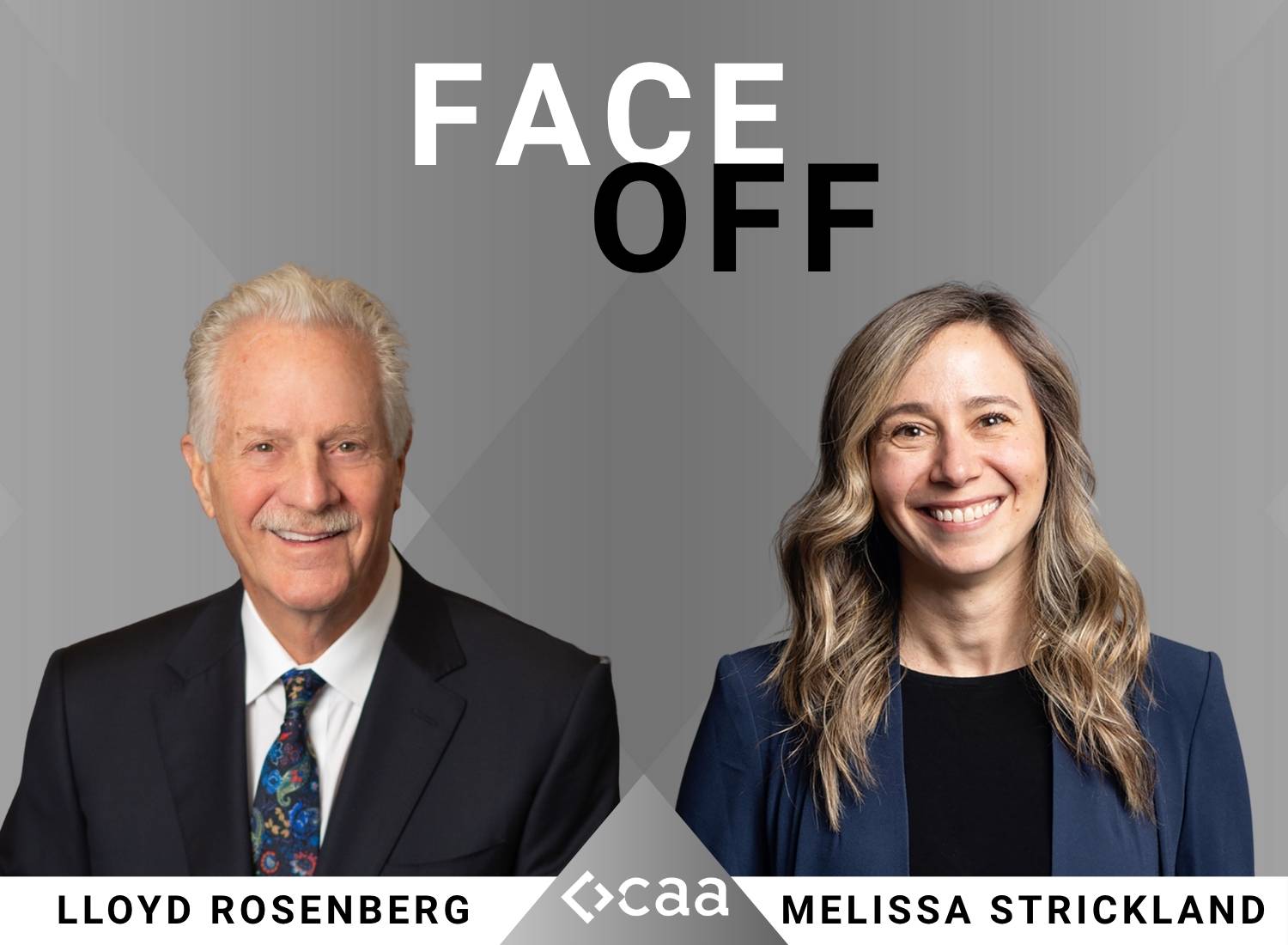
Two of the state’s leading figures in this transformation are Lloyd Rosenberg, chairman and founder of DMR Architects, and Melissa Strickland, principal and managing director of HLW New Jersey. Both are shaping the state’s design environment in complementary ways — Rosenberg through large-scale institutional and public projects, and Strickland through human-centered design. Invest: recently spoke with both leaders on how their firms are adapting to an evolving market, overcoming challenges, and setting new standards for sustainable growth and innovation in New Jersey’s design and construction landscape.
What changes have most impacted your operations in the past year, while identifying new opportunities in today’s market?
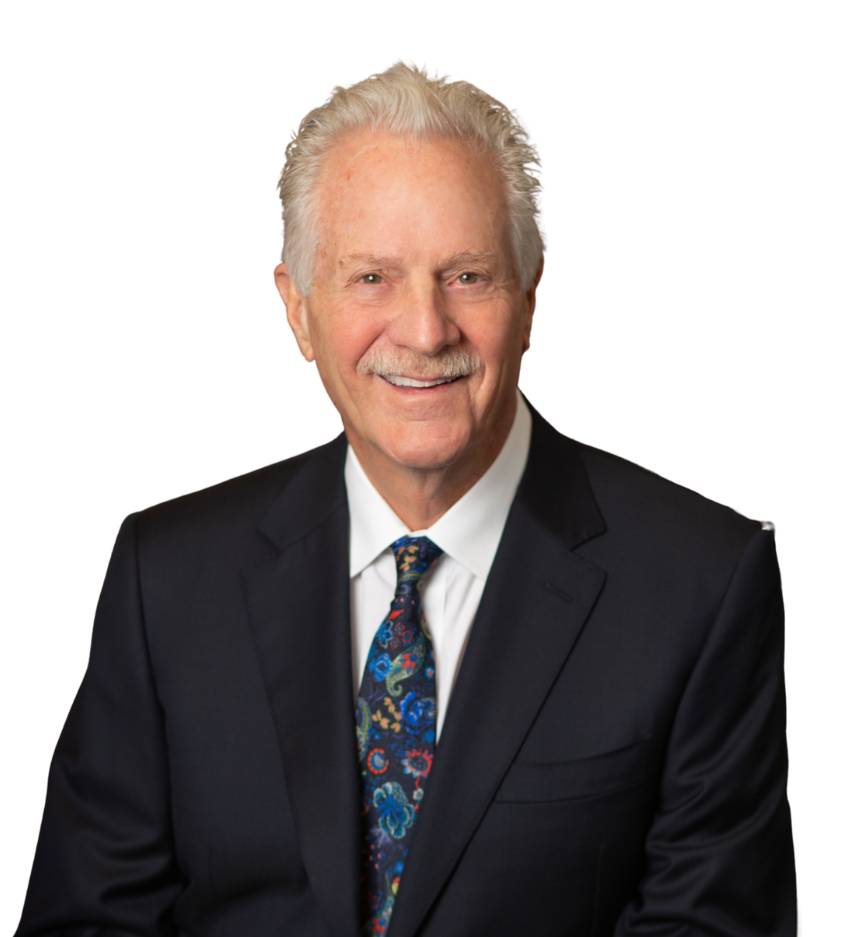 Lloyd Rosenberg:
The growth of the economy in New Jersey has spurred the work that we do. The strong sectors have been healthcare, education, and real estate. We do healthcare projects directly with the institutions, but we do auxiliary projects that are a result of what they do and the transformation of what they do when acquiring sites and replacing facilities. We have also been involved in changing things that we did years ago because of technology. We might have done a building or a space in a hospital that had the latest technology a few years ago, but with advances in technology, we have had to go back and redo that building or space to accommodate those new technologies. These are the kinds of projects that keep us busy.
We also do a lot of work in the education market. As the population goes through transformations and educational programs change, we also need to keep up with that. We work with school districts that are replacing, remodeling, or building new facilities. We have many of those projects, and we also work with the community colleges. These are all activities that happen throughout the state.
Another project is a result of the World Cup coming to MetLife Stadium. We are building infrastructure facilities there.
 Melissa Strickland:
One of the reasons HLW has endured the industry’s ups and downs is the strength of our client relationships. Our clients know we’re here for them, and many have been with us since the New Jersey office first opened. They see us as true partners—we collaborate closely and they trust that we always have their best interests in mind.
Another advantage of HLW is the way we structure our client relationships. When a specific office secures a client, that relationship stays with that team, ensuring continuity and trust. At the same time, we have the flexibility to collaborate with other HLW offices when additional expertise or resources are needed. For example, our New Jersey office has collaborated nationally and globally with other HLW offices, including New York, London, Connecticut, California, and Florida. This model not only strengthens our internal collaboration but also demonstrates to clients the value and reach of our network.
How have changes such as work shortages or supply chain disruptions impacted your work process
Rosenberg: There are two sides to this. There is the political side, which is what appears on the news, such as supply chain shortages, shortages of materials, and tariffs, for example. Then there is the practical side of how to implement and how to get something done. Working with the correct design and the correct contractor to ensure the correct execution of a building, we find these aspects to be easily overcome. With proper planning, proper budgeting, proper scheduling, and integrating the right people, success comes, as opposed to focusing on the obstacles. During the pandemic era, we had serious supply chain issues that impacted construction, but only for a brief period of time, and we found ways to overcome those challenges. We do a lot of public and private work. We have millions of dollars that we are managing and overseeing. Those perceived challenges do not affect the day-to-day operations because of proper planning. You can make a problem or you can solve a problem, and if you solve the problem, then you do not have a problem. We like to look at the solution and work with people who can successfully get things done and move forward.
How has green and sustainable design evolved over the years?
Rosenberg: We have been doing sustainable design for a long time. We have the first school that was LEED-certified in New Jersey. We were doing green building and sustainable design before it was a popular trend. We were doing it because it was the right thing to do. We had clients who wanted to take advantage of that opportunity. We have completed many certified buildings, both public and private. Sustainability was a buzzword for a long time, but we were already doing it as part of our normal, day-to-day operations. In that way, we have been ahead of the curve. Now, sustainability is a normal part of the industry. We have many clients that we assist with energy efficiency, regulations, and all the factors that go into green and sustainable design.
Strickland: Sustainability and wellness have become major drivers in how clients think about their spaces. Even when they’re not pursuing formal certifications, many clients are more conscious about the materials being used and the long-term impact of their interiors.
At HLW, we maintain a healthy materials library and design all our interior environments to meet baseline LEED standards. That way, if a client decides to pursue certification, it doesn’t require additional cost or redesign—it’s already built into our approach. For us, it’s about being proactive, sustainable, and responsible from the start.
Wellness and inclusion-focused spaces are also becoming a priority. Companies are placing greater value on supporting the diverse needs of their employees and creating environments where everyone feels considered. As a result, we’re designing more prayer rooms, reflection rooms, and flexible quiet spaces; areas that offer moments of privacy, mindfulness, or cultural accommodation. These spaces aren’t an afterthought anymore; they’re becoming an expected part of the workplace.
What are your priorities for the next couple of years?
Rosenberg: We were founded in 1991 and have grown to approximately 50 people today. We have expanded regionally by doing work outside of New Jersey. Personally, I have done work in Nigeria and China. Keeping the pace of what we are doing is important. Stability is important, as well as being ahead of the curve.
Strickland: Our growth in New Jersey has always been organic, built on long-term client relationships and the strong reputation we’ve established in the market. That will continue to be the foundation of our strategy.
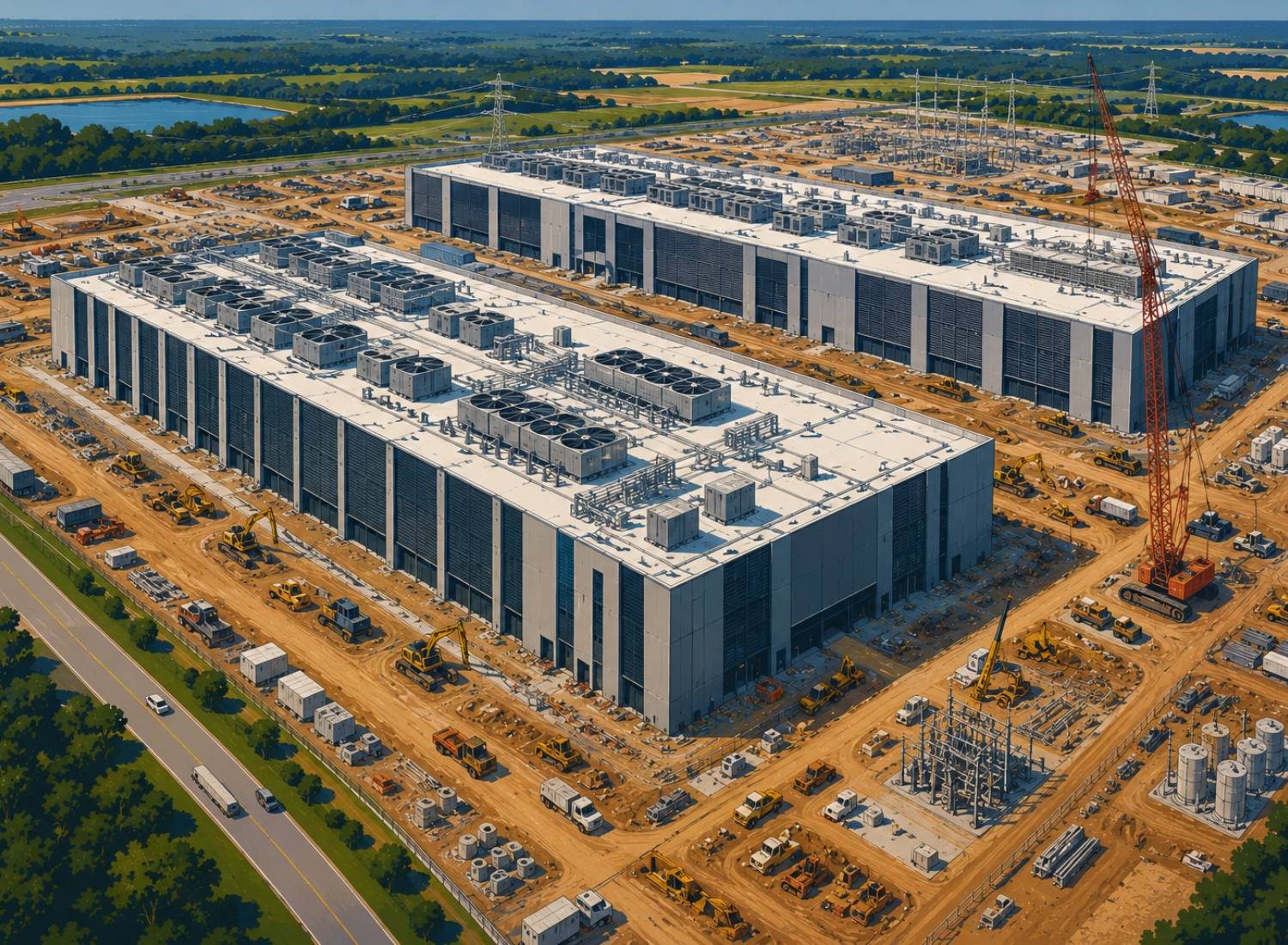
At the same time, we’re being intentional about expanding in sectors where we’re already well-positioned. Workplace design remains a core strength, and we have a strong foothold in the life sciences market. We’re also growing our presence in higher education, data centers, and high-rise projects along the waterfront.
We’re equally open to pursuing new opportunities that stem from our team’s passions and prior experience. When our people bring interest, expertise, or relationships in emerging areas, we’re willing to explore those directions—because it connects our employees to our growth, culture, and brand.
Overall, we’re excited about the next three to five years and confident in our ability to grow with our existing clients while expanding into new sectors.
Want more? Read the Invest: New Jersey report.
Subscribe to Our Newsletters