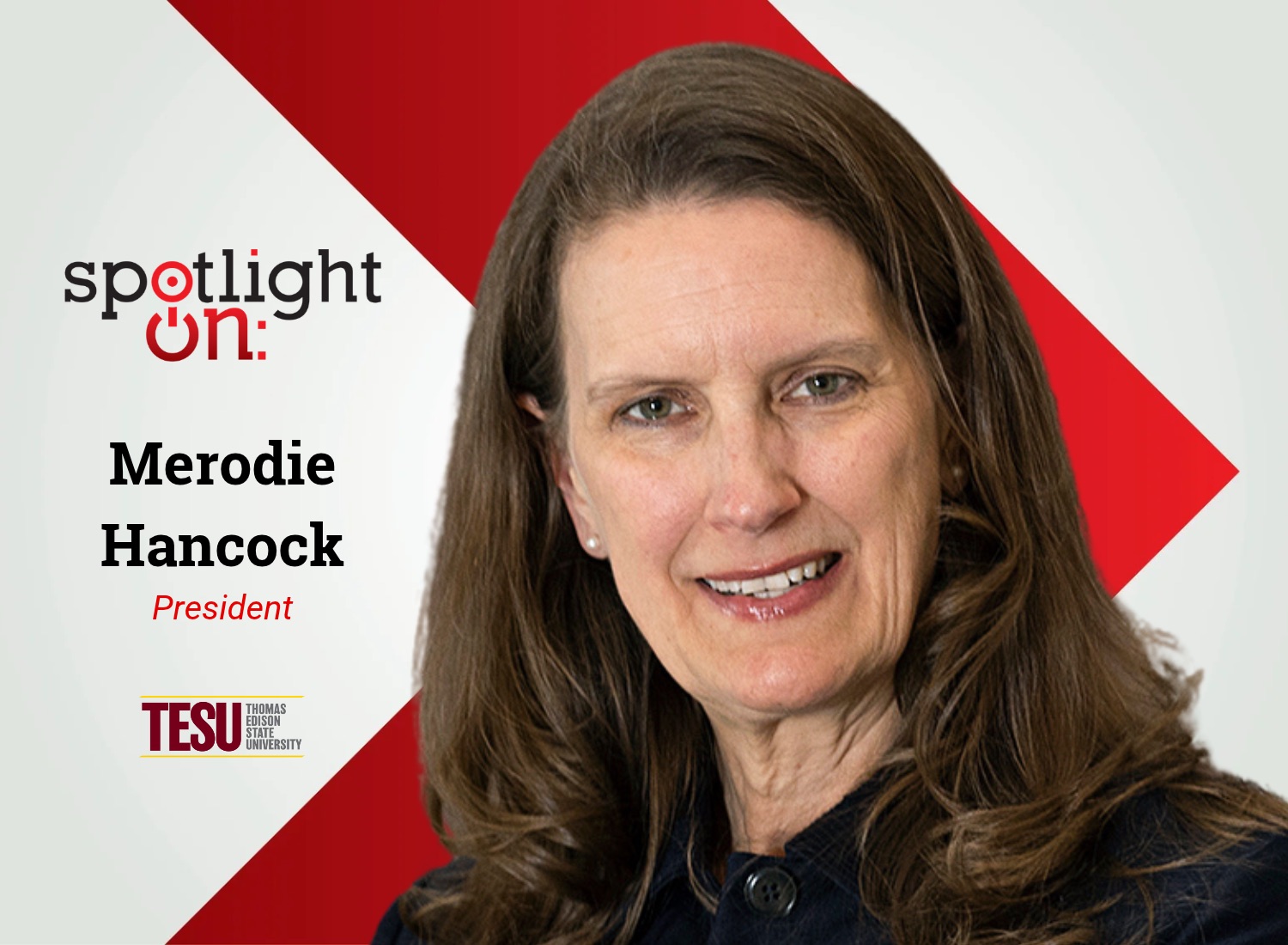

Robbie Hinton, Headmaster, Cary Christian School
 In an interview with Invest:, Robbie Hinton, headmaster of Cary Christian School, discussed recent campus investments, enrollment growth, and the school’s classical Christian approach to preparing students for the future. “We’re developing our students to be more human, to have the only skill that really is going to matter in the future. In a world of AI and robotics, the greatest commodity is simply the ability to be a human being,” Hinton said.
What changes over the past year have had the greatest impact on Cary Christian School?
We just completed a $12 million investment into our campus. That included new parking, a synthetic turf field, renovations to our theater, updates to air conditioning, and covered porticos for students during carpool. Those are the most visible changes. When people drive onto campus, they notice the field, the theater, and the additional parking. During Grandparents Day this year, grandparents had places to park, which was a welcome improvement.
Beyond the physical changes, we have continued to see growth following COVID. Before the pandemic, we had around 60 empty seats. This year, we will begin above capacity with approximately 865 students, which is about 100 more students than we had eight years ago.
That growth has created vibrancy. There is a strong sense that people are part of something larger than themselves. The investment our families have made, combined with enrollment growth, has strengthened the community throughout the school.
What trends are you seeing in demand for independent and faith-based education?
The demand is significant. We receive new applications every day, and interest continues to grow. Families want their children to be well educated, not simply so they can go to college. They genuinely want them to know more. That makes our job easier. Parents appreciate a safe environment, but many are specifically looking for a rigorous education that prepares their children for what comes next.
The people being drawn to Cary want their children to be well educated and prepared for the future, and that aligns closely with our mission.
How does Cary Christian School prepare students for life beyond college and long-term success?
The first responsibility of a school is to make sure students are prepared. We want them to have a diploma and an education that allow them to attend any institution that matches their ability and effort. If a student has the capacity to attend Princeton, Duke, or another highly selective university, we want them to be prepared to do so.
What we enjoy even more is hearing from students who return and tell us they were prepared. One graduate studying at Princeton told us that the papers he wrote at Cary Christian School were more demanding than the papers he was writing there. While other students were struggling with the workload, he felt ready.
As a Christian school, we are also concerned with whether students are emotionally and spiritually prepared. College brings new pressures and expectations. We want students to be ready not only for academic challenges but also for the social and personal demands that come with greater independence.
Last year, a professor at the University of North Carolina reached out to us and asked what we were doing differently. He noted that when he asked questions, our students stood up and responded with intentionality and directness. We love hearing stories like that.
We want our students to be qualified, prepared, and ready.
How is AI affecting education, and how should schools prepare students for a future shaped by it?
AI is already affecting education. I have been in education long enough to remember when the internet first emerged, and people worried that it would undermine research and learning. Over time, we learned how to use it effectively and responsibly.
Now, similar concerns exist around AI. Students can use tools like Claude or other platforms to generate papers, and schools have to respond thoughtfully.
For us, the answer begins with fostering a love of learning. If students genuinely care about what they are studying, they will want to write their own papers. If they are invested in the material, they will engage with it personally rather than outsourcing the work.
AI is also pushing schools to become better at cultivating that engagement.
At the same time, our educational philosophy aligns naturally with what will matter most in an AI-driven future. Classical and Christian education is a humanizing effort. We focus on the humanities and on helping students develop intellectual, emotional, and relational skills that are uniquely human. We place tremendous emphasis on helping students connect with their classmates and teachers. Those relational skills will serve them throughout their lives. AI will certainly make many aspects of life more efficient. However, we believe it will also make human qualities even more valuable.
We’re developing our students to be more human, to have the only skill that really is going to matter in the future. In a world of AI and robotics, the greatest commodity is simply the ability to be a human being.
That is what we focus on.
Could you expand on the importance of humanity in education?
Technology always creates opportunities, but it also presents challenges. If we are not careful, technology can make us less human rather than more human.
The question is not whether AI will make us more efficient. It almost certainly will. The question is what we do with that efficiency. Do we use it to deepen relationships and have better conversations, or do we allow it to think and work for us in ways that diminish our own engagement?
We believe education should help students develop a sense of presence, purpose, and generosity. Those are deeply human qualities. When students learn to articulate who they are, what they care about, and how they want to contribute to the world, they become people worth knowing. They also become people who want to know others. That kind of formation cannot be outsourced.
What are your top priorities for Cary Christian School?
One of our major priorities next year is the development of a new playground. At first glance, that might seem like a simple project, but it has prompted us to think deeply about the importance of play. Our school challenges students to do hard things. We ask them to grow intellectually, emotionally, and spiritually. At the same time, we want learning to include a sense of joy and playfulness.
Recently, a parent told us that her daughter, who had been out of school for two weeks, asked if they could simply drive by campus because she missed being there. She wanted to see the school and spend a moment near a favorite tree on campus.
That story reflects something important. We want students to love being here.
Our goal is to create an environment where there is very little distinction between the joy students experience during recess and the joy they experience while learning to write, think, and communicate. We want them to approach both with the same sense of engagement and curiosity.
How do you see Cary Christian School contributing to the Triangle’s future growth and success?
I love being in the Triangle. We are fortunate to be in a region where families continue to seek the kind of education we offer. Our contribution to the community will ultimately be our graduates. We want to send into the workforce and the broader community individuals who are ready to do hard things with a sense of joy.
We are already beginning to see that impact. Recently, a parent from a local company visited campus to inquire about enrolling his children. When I asked what brought him to Cary Christian School, he told me it was the graduates he had hired from our school.
He said they were a different kind of worker, and he wanted his children to become that kind of person.
Is there anything else you would like to add?
A good school prepares students to flourish through Christ in the modern world. A good school should provide an efficient and effective path toward that flourishing. To us, flourishing means finding joy while doing hard things. That is what we strive to do at Cary Christian School.