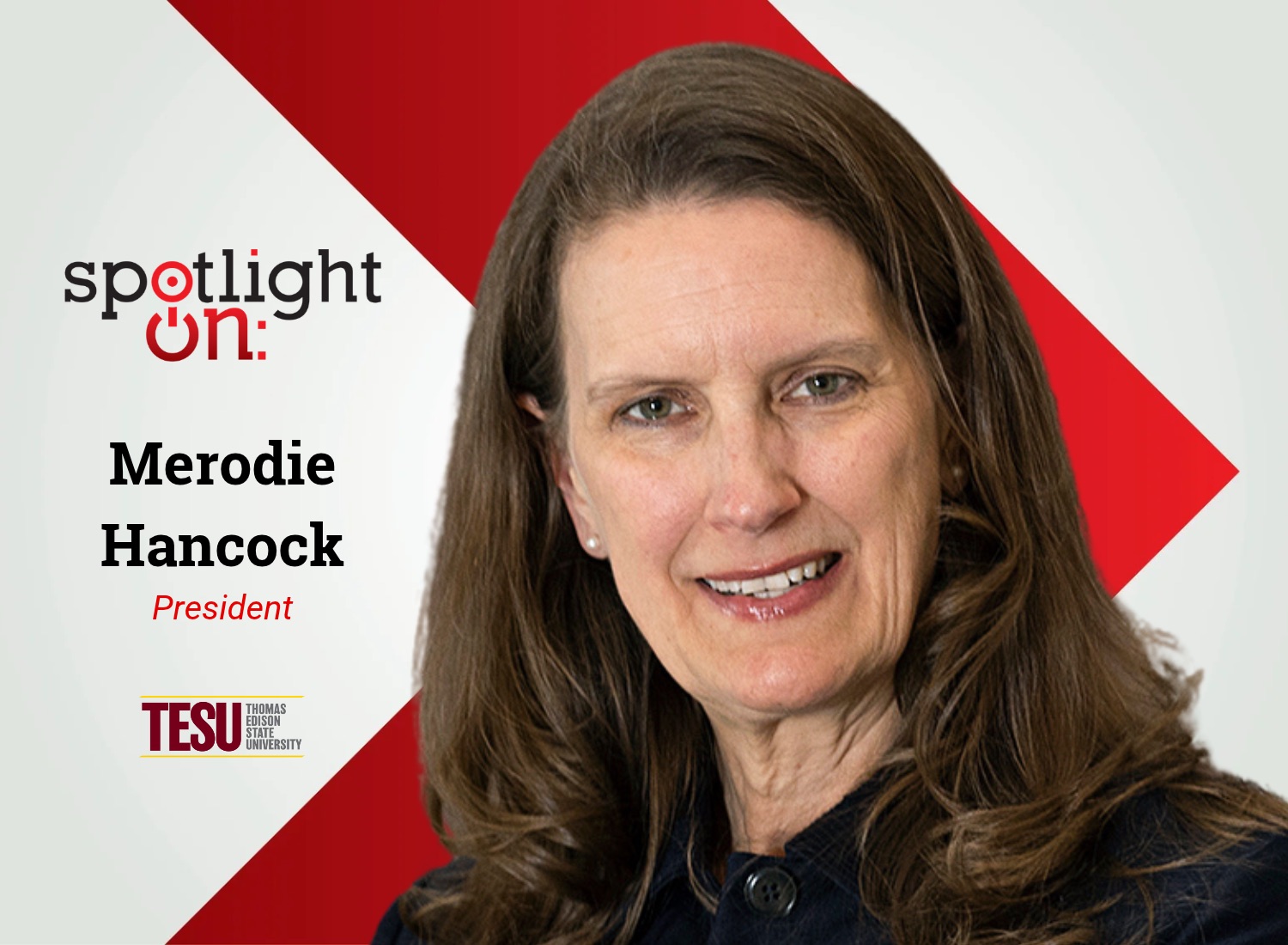

Sean Jenkins, Head of School, Christ School
 Invest: spoke with Sean Jenkins, head of school at Christ School, about the evolving role of boys’ education in Western North Carolina. “Ultimately, we want to remain a national leader in boys’ education. That leadership is measured by outcomes: who our students become, how prepared they are for life, and how effectively they lead in their communities and professions,” Jenkins said.
What should families and community leaders understand about Christ School, and what sets the school apart within Western North Carolina’s education landscape?
Christ School is centered on boys’ education, and we serve just over 300 students from across the country and around the world. Our model is intentionally holistic and built around four pillars: academic rigor, leadership, spirituality, and character education through what we call the Dignity of Manual Labor.
That last pillar is distinctive because it reframes work as something formative and honorable. Every boy uses his hands in some way each day, whether caring for shared spaces or contributing to campus life. It becomes an equalizer. A senior and an eighth grader participate with the same expectations, reinforcing that leadership is rooted in responsibility and service.
We are an Episcopal school, and our spirituality pillar reflects that foundation while remaining welcoming to students of all faiths and no faith. The goal is not to impose belief, but to develop moral awareness, purpose, and respect for others.
Context matters as well. Nationally, adolescent boys are struggling across academic, emotional, and social measures. At Christ School, the way we approach boys’ growth and development is intentionally different. Our environment is small, personal, and relationship-driven. Most faculty and staff live on campus, which allows us to mentor boys closely and consistently.
Looking back over the past year, what milestones stand out, and how have they shaped your priorities?
We are in the second year of implementing a strategic plan, advancing a campus master plan, and launching the silent phase of a comprehensive campaign. Despite significant disruption in Western North Carolina, including Hurricane Helene, we opened the year with our fourth consecutive year of record enrollment and record net tuition revenue.
Programmatically, we introduced several initiatives aligned with future-focused education. We launched an aviation program, one of only a few in the country that teaches high school students how to fly. Training begins with simulators on campus and continues through a partnership with Western North Carolina Aviation for in-air instruction.
We also launched a global studies program that combines international travel, exposure to global leaders, and an advanced scholars track for deeper study. In the arts, the Cooper Living Arts program brings visiting artists to campus for residencies across multiple disciplines, expanding creative engagement for students.
We introduced the Krieger Leadership Scholars Program, our first merit-based boarding scholarship, to strengthen access and elevate leadership potential among applicants. Financially, our campaign has focused on strengthening the endowment, which has doubled over the past year and supports long-term affordability and stability.
Another important initiative is our Modern Life Skills program. It meets twice monthly and addresses real-world pressures boys face today, from practical life skills to decision-making, boundaries, consent, and digital challenges. The goal is to prepare students not only for college, but for adulthood.
How are evolving expectations from families shaping your academic and student-life approach, particularly around mental health?
Families are asking more of schools as students navigate greater complexity. In a boarding environment, that responsibility is amplified. Parents expect schools to address the full spectrum of development, not just academics.
From my experience in higher education, it is clear that colleges recognize gaps in preparation but struggle with how and when to address them. At Christ School, we believe that responsibility belongs earlier in the educational journey. Our goal is to send students to college already equipped with independence, resilience, and life skills.
Mental health is central to everything we do. We do not treat it as a standalone program. Instead, we make it part of every decision, from daily schedules and expectations to weekend programming, technology use, and community culture. The focus is on prevention, consistency, and creating an environment where boys feel supported and understood throughout the year.
What trends are you seeing in demand for independent schools, and how are you responding?
Declining birth rates are affecting education nationally, but because we are predominantly boarding, we have not experienced the enrollment pressures many day schools face. Where we are feeling the impact is international enrollment.
International students represent about 5% of our student body. While that group is diverse, we would like to grow it. Visa issues, safety concerns, and broader rhetoric have contributed to declining international interest. These are not short-term challenges.
Our response is focused on clear storytelling and relationship-building. Programs like global studies and aviation resonate strongly with international families, particularly those looking for differentiated, career-connected pathways. Aviation, in particular, sparks interest among students who may pursue licensing and commercial piloting rather than traditional four-year college routes. Over time, we see that program as part of a broader workforce pipeline.
Schools across the region are facing staffing and cost pressures. How is Christ School navigating those challenges?
We are well-positioned because we offer competitive compensation, professional development, and housing. Approximately 80% of our faculty and staff live on campus, which supports retention and quality of life in a challenging housing market.
As a result, turnover is low and applicant pools remain strong. People are drawn to Asheville and to the opportunity to live and work in a mission-driven boarding environment. Looking ahead, we plan to expand faculty and staff housing as part of our long-term strategy, recognizing that workforce stability directly impacts student experience.
How does Christ School engage with the community and regional partners?
Partnership is essential. Our aviation program works because of collaboration with Western North Carolina Aviation, combining academic instruction with real-world experience. Community service is equally central to our identity.
Last year, our students completed more than 8,000 hours of community service across Western North Carolina. We also host an annual Day of Service when classes are suspended and every student serves in the community. These experiences reinforce that leadership is tied to contribution and accountability, not position.
Looking ahead to 2030, what will define success for Christ School?
We are not seeking to grow enrollment. Our focus is on quality, not scale. Success means continuing to elevate academics, extracurriculars, faculty development, compensation, and affordability, while maintaining the strength of our campus culture.
Ultimately, we want to remain a national leader in boys’ education. That leadership is measured by outcomes: who our students become, how prepared they are for life, and how effectively they lead in their communities and professions.