


Spotlight On: David Ragno, CEO, Keyes Coverage
Key points:
- • South Florida’s property insurance market is easing, but liability and commercial auto costs remain a challenge.
- • Keyes Coverage helps businesses align insurance, benefits, and risk strategies with broader financial goals.
- • Technology and AI are improving efficiency, while talent development remains central to the firm’s long-term growth.
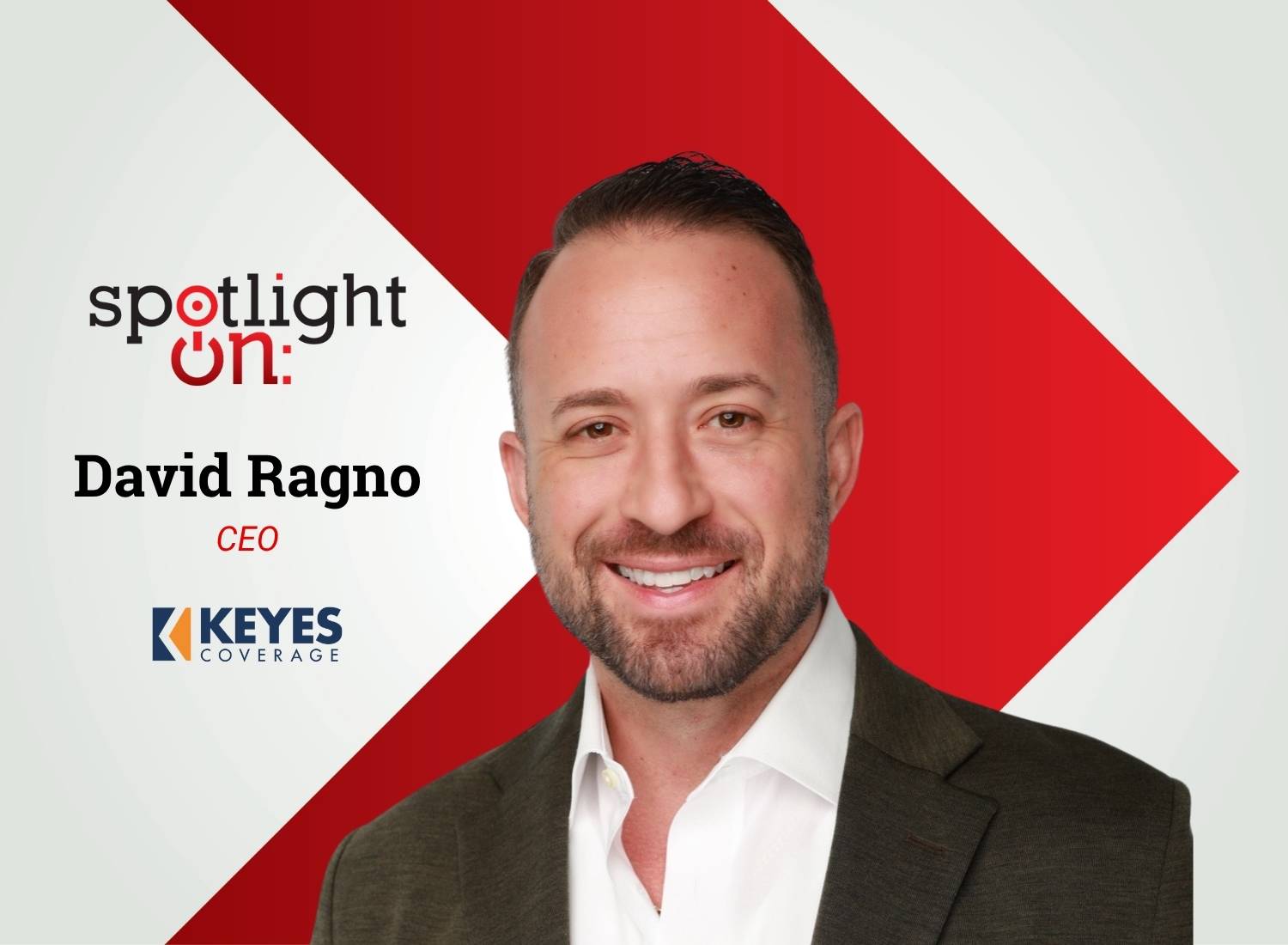 June 2026 — Invest: sat down with David Ragno, CEO of insurance and risk management provider Keyes Coverage, to discuss what is easing in South Florida’s property market, what is still tightening on the casualty and benefits side, and how program design helps leaders treat insurance as strategy, not just spend. “We bring stakeholders into the same room, because the CFO, CEO, and HR leader often see risk through different lenses, and the program has to match the business, not just the policy form,” Ragno said.
Join us at caa’s upcoming leadership summits! These premier events bring together hundreds of public and private sector leaders to discuss the challenges and opportunities for businesses and investors. Find the next summit in a city near you!
How would you describe the insurance market, and what changes have had the greatest impact on your clients over the past year or so?
South Florida is a property catastrophe (CAT)-driven insurance market, meaning we are prone to hurricanes and other natural disasters. Over the past year, that property market has softened considerably. Costs rose so sharply over the last several years and they caused development to slow, but pricing has started to come down to a level where development at scale is possible again.
Outside of insurance pricing, tariffs earlier this year created uncertainty for clients, especially in wholesale distribution. We saw a rush on inventory, pauses on CapEx, and shifts in sourcing as companies looked for new trade routes to avoid or limit tariff impacts.
At the same time, even with property easing, casualty remains hard in South Florida, where claim costs are higher than in many other parts of the country. Fraud rings and rising medical costs continue to push liability and commercial auto costs up. That can be especially challenging for premises-driven businesses such as restaurants, grocery stores, and other operators with heavy foot traffic, where a single high-severity claim can change an account’s loss performance and pricing.
What risks are becoming more difficult or expensive for companies to insure, particularly in sectors like real estate and construction?
Casualty is still the biggest pressure point, the liability side of operating a business. Rising medical costs are driving higher claim severity, and a tough renewal cycle on the benefits side is feeding into overall claim dollars that affect liability performance for real estate and construction accounts. Commercial auto liability is another area that can be stubbornly expensive, and it is often the line item clients are most surprised by when they compare South Florida to other regions.
For property owners, underwriting is also looking more closely at premises exposure, including tenant mix, operating hours, and activities on site. In recent years, many clients have also leaned into captive insurance to retain more risk, rely on their safety culture, and reduce exposure to premium volatility.
How are you helping clients think about insurance as part of a broader risk and financial strategy, rather than just an expense?
We walk clients through their total cost of risk and identify where it makes sense to transfer risk and where it makes sense to retain it. The right structure depends on risk appetite, because the same data can lead to different decisions for different leadership teams.
You use data to determine and benchmark, against your peers, against the industry, against a whole host of factors. But there really is an art to it, because what one business is comfortable retaining, another business wants to transfer completely. We bring stakeholders into the same room, because the CFO, CEO, and HR leader often see risk through different lenses, and the program has to match the business, not just the policy form.
A core differentiator for us is product and program design. We have built specialized programs for industries that are difficult to place, including substance abuse and mental health facilities, and we continue to evolve those offerings. We have also designed programs at scale for large workforces, where the size of the pool creates more flexibility in how coverage is packaged and priced.
How does a strong benefits and risk strategy support workforce retention in today’s labor market?
In a tight labor market, a competitive benefits program is table stakes, and employees increasingly evaluate the full suite of benefits, not just medical. We help employers present benefits in a clearer, more accessible way, so employees can actually understand what is available and how to use it.
We also added a benefits advocate role so employees have a real person to call when they receive confusing paperwork, need to find a provider, or are trying to navigate care. That kind of support becomes a differentiator because benefits only feel valuable when they work smoothly in real life.
Cost pressure is still real. Many employers have faced 10% to 14% increases on fully insured plans, so we are helping clients evaluate self-insured and à la carte approaches that provide more transparency into claims data and more control over claims costs. Managing cost while improving the experience helps employers stay competitive and retain talent.
How are you using technology, and how do you think it might change the way the insurance industry works?
We are a people-first organization, and we do not look to technology to replace people. We look to it to augment their performance and give them more tools to make sound decisions, because that is what we are getting paid to do.
We incorporated AI into non-core functions like accounting, including direct bill reconciliation, which has allowed our team to move upstream into higher-value work. We are also building tools for our commercial lines team to speed up routine tasks, including reviewing long policy documents to confirm they match the design and specifications we requested before they go to the client. In parallel, we are implementing a new management system that we believe is better positioned for the future and more capable of evolving alongside new technology.
From a leadership perspective, how are you developing the next generation of producers and executives to support long-term growth for your firm?
Developing talent is a major differentiator for us. We bring new people into the industry, get them licensed, and train them through a hands-on mentorship process that typically takes about two years before they are fully running on their own. It is day-to-day, practical learning across the full lifecycle of what we do, so new producers understand not only sales, but also how coverage is structured, serviced, and renewed.
We are also committed to promoting from within on the service and operations side, with structured training that prepares account executives to lead teams. Entry-level roles matter to us because they are the pipeline. Many of our leaders started in those roles, and we keep investing in people even as automation expands, because we believe the long-term advantage is a well-trained team that understands the business end to end.
Is there anything else you would like to add?
It is an exciting time to be in South Florida, with wealth and business moving into the region and major companies relocating or expanding here. That creates a domino effect of opportunity for supporting businesses and for young professionals building careers in Broward and Maimi-Dade County.
One opportunity I would like to see grow is insurance talent development locally. South Florida does not have the same concentration of national carriers as places like Hartford, so building stronger pathways with local schools could help keep talent in the region and bring more people into what is, in many ways, a best-kept secret career.
Want more? Read the Invest: Greater Fort Lauderdale report.






