Spotlight On: Janet Cowell, Mayor, City of Raleigh
Key points:
- • Raleigh is using major redevelopment projects to support growth and strengthen downtown.
- • Housing, transit, and workforce development remain key priorities as the city expands.
- • Investments in public safety, resilience, and quality of life are shaping Raleigh’s long-term future.
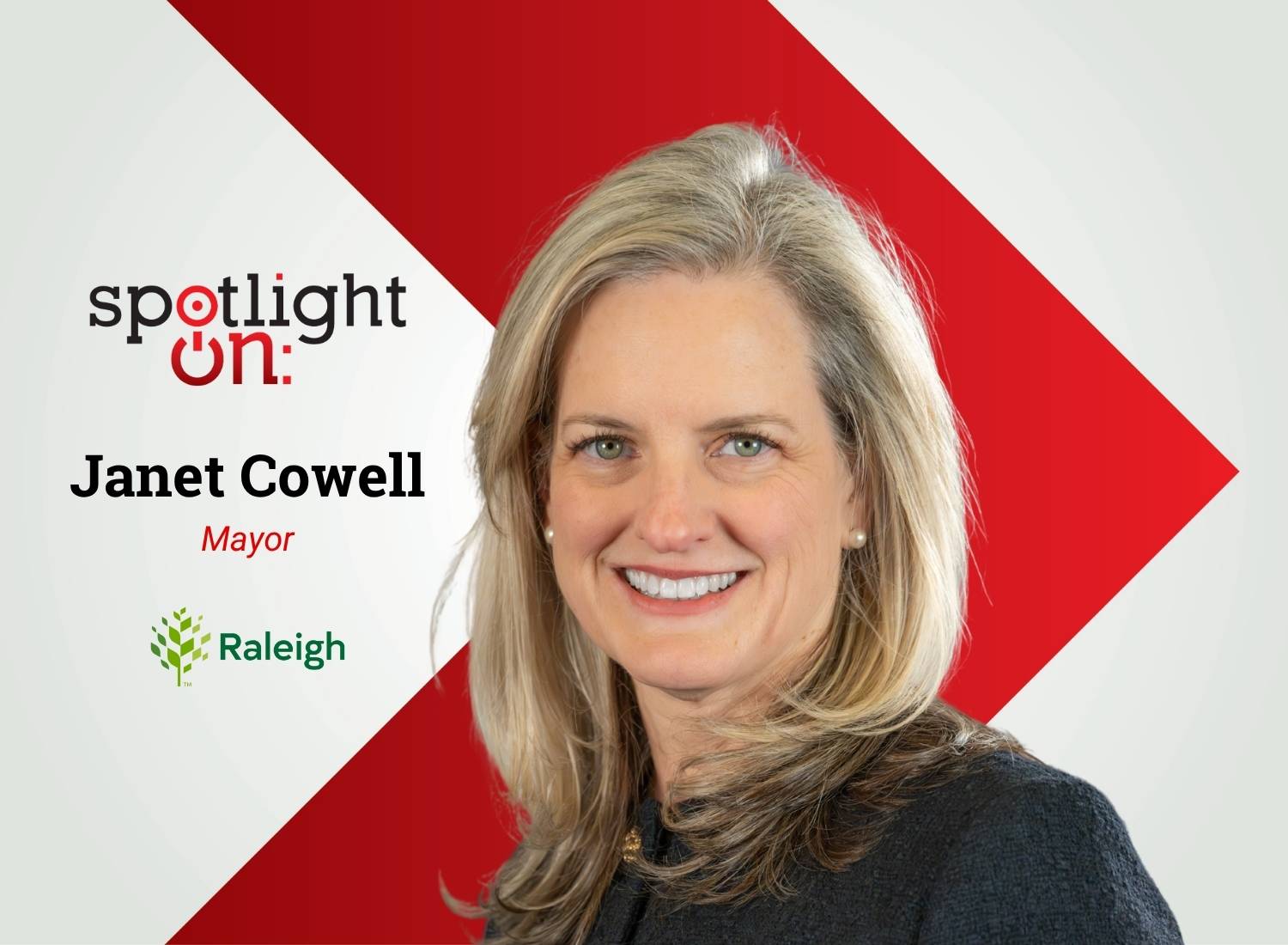 June 2026 — Invest: spoke with Raleigh Mayor Janet Cowell about the public-private projects reshaping the city, how Raleigh is managing growth, and priorities for the years ahead. “Raleigh is a community that’s thinking outside the box,” Cowell said.
Join us at caa’s upcoming leadership summits! These premier events bring together hundreds of public and private sector leaders to discuss the challenges and opportunities for businesses and investors. Find the next summit in a city near you!
What have been some of the most defining developments for Raleigh over the past year, and how are those impacting your administration’s priorities?
A few public-private partnerships have been especially defining because they are changing how people experience Raleigh and how we’re planning for growth. One is the Lenovo Center redevelopment tied to the Carolina Hurricanes. It’s more than a venue update, because it’s transforming a large surface parking environment into a modern mixed-use entertainment district. It’s a visible example of how we can retrofit older sites into 21st-century places that foster activity, drive economic impact, and strengthen destinations.
Another big development is Dix Park. Before becoming mayor, I led the Dix Park Conservancy, so I’ve seen the long arc of this investment. In 2025, the park took a big step forward with the opening of Gipson Play Plaza, supported through major donors and partnerships. We also brought in large-scale public art, including the trolls installation from a Danish artist, which meaningfully increased visitation and energy around the park.
Downtown projects are also shaping priorities. We are advancing major work that will rejuvenate and expand convention assets, add a new hotel, and relocate the Red Hat Amphitheater. These large, coordinated projects affect our administration’s focus because they require alignment across infrastructure, permitting, mobility, and public safety while keeping day-to-day city operations running well.
How is the city adapting its infrastructure, zoning, and service delivery models to maintain growth without compromising quality of life amid all of the development?
On zoning and housing, the Missing Middle reforms adopted by previous councils have been a significant shift. They moved the city from a model focused heavily on single-family development toward a more diversified housing mix, including more townhomes and accessory dwelling units. That approach supports infill, adds supply where services already exist, and helps us manage growth without pushing everything outward.
On infrastructure, we are still investing in core roads and benefiting from major regional projects, but inside the city, we are increasingly focused on targeted improvements, pedestrian access, and transit. Bus rapid transit is an important next step, and we see it as a backbone investment that strengthens connectivity and can support a larger regional system over time.
We also watch housing activity closely as an indicator. Like many communities, we’ve seen signs of moderation that may reflect national trends and interest rates, but our goal remains the same: keep housing moving, keep mobility improving, and keep investing in amenities that protect quality of life as the city grows.
How has the city’s positioning changed within the broader Triangle region as new industries and employers reshape regional competitiveness?
As the Triangle expands, Raleigh’s role continues to evolve. Some large industrial facilities, including certain manufacturing and pharmaceutical projects, are more likely to be located on the edges of the region, where it is easier to assemble big sites. That’s part of the natural pattern of a growing metro area.
At the same time, Raleigh is seeing strength in corporate relocations and office growth, including brand-name employers that want to be in a recognizable, well-served city. Those decisions matter because they bring job growth, visibility, and momentum, and they reinforce Raleigh’s position as a central node in the Triangle’s economy.
We also see confidence in downtown investment, including major professional services expansions. When organizations make long-term commitments and put down real roots, it sends a clear signal that Raleigh is a place where companies see a strong future.
What workforce strategies is the city implementing to ensure alignment with Raleigh’s evolving industry mix, especially in life sciences, tech, and advanced manufacturing?
One of Raleigh’s biggest advantages is our workforce ecosystem. NC State University is a major driver of talent and innovation, and Wake Tech continues to play an essential role in preparing and retooling the workforce for current employer needs. That model is especially important because it can respond quickly to demand across industries, from healthcare to technical roles and skilled trades.
We are also seeing strong examples of applied training partnerships, including hands-on environments that connect education to real workplace demands. Regionally, the Triangle’s broader set of institutions adds depth, especially for life sciences, and that regional capacity helps employers scale.
From the city’s standpoint, workforce alignment is not only about training programs. It is also about housing supply, mobility, and quality-of-life amenities that help employers recruit and retain talent in a competitive environment.
How are you building on efforts to revitalize downtown through housing and retail activation and reestablish downtown as a civic and economic hub?
We feel real urgency around downtown because growth projections are significant. Raleigh is expected to add roughly a quarter of a million people before 2050, and downtown is a natural place to concentrate density.
We already have a growing residential base downtown, and we are continuing to support high-rise and mixed-use residential projects to expand that community. A stronger residential presence helps downtown function as a true neighborhood, not just a daytime business district.
From a planning standpoint, downtown’s grid network and existing amenities make it a logical place for additional growth. Alongside major projects, we also focus on smaller improvements that strengthen the experience of downtown and support street-level activity. The goal is to keep downtown moving toward a more complete civic and economic hub as the city grows.
How are you working with institutional anchors and business leaders to drive inclusive economic development and innovation across the city?
We focus on practical support for small businesses and creating pathways for local participation in the region’s growth. That includes technical assistance to help businesses navigate permitting, understand what it takes to get established, and connect to financing resources and training opportunities.
In a market with significant construction and investment, it’s also important to help local businesses understand how to participate in major projects, including subcontracting and partnership opportunities. We do outreach to make those processes more accessible, so local businesses are positioned to benefit from the activity happening across the city.
Inclusive economic development, for us, is about strengthening the local business fabric and making sure opportunity is connected to real programs and real outcomes.
Looking ahead, what are your highest priorities for positioning Raleigh as economically competitive while continuing quality of life over the next four years?
A major priority is staying disciplined about where we drive density and how we expand the urban fabric. Raleigh has historically had a smaller downtown footprint, so we need to grow downtown thoughtfully and concentrate development in key nodes while preserving established residential areas. That helps us add housing and jobs in places that can support them while maintaining neighborhood character.
Public safety is also central. Raleigh is widely perceived as a safe city, and we want to strengthen that through staffing, training, and the capital investments needed as the city expands. That includes fire and EMS capacity, building new facilities where growth is occurring, and continuing to support leadership and recruitment that sustain high performance and trust.
Environmental resilience is another major focus. Raleigh remains exposed to major storm events, so we are investing in stormwater, green infrastructure, and flood resilience. Those investments improve long-term stability for residents and help protect homes, businesses, and critical infrastructure.
We are also proud of initiatives that link operational performance with environmental outcomes. We are using wastewater resources to regenerate natural gas that can power our bus fleet, which improves air quality and reduces waste. Raleigh is a community that’s thinking outside the box, investing over the long term to make sure that we have a good financial and environmental quality of life.
What is the importance of maintaining social services when looking at the overall well-being of the community?
One area I want to emphasize is social services and partnerships, even though it is not always framed as an economic development topic. As mayor, I pay close attention to how changes at the federal level can affect local service delivery, particularly around homelessness and hunger. We work with the county, which leads these services, plus strong nonprofits and community partners, to strengthen services, facilities, and coordinated outreach.
These efforts are connected to community well-being and a sense of security, but they are also about who we want to be as a city. As Raleigh grows, we want to retain that sense of neighborliness and make sure more residents can share in stability and opportunity.
Want more? Read the Invest: Raleigh-Durham report.