Spotlight On: Kathleen Patrick, President, CarepathRx & Chartwell Pharmacy
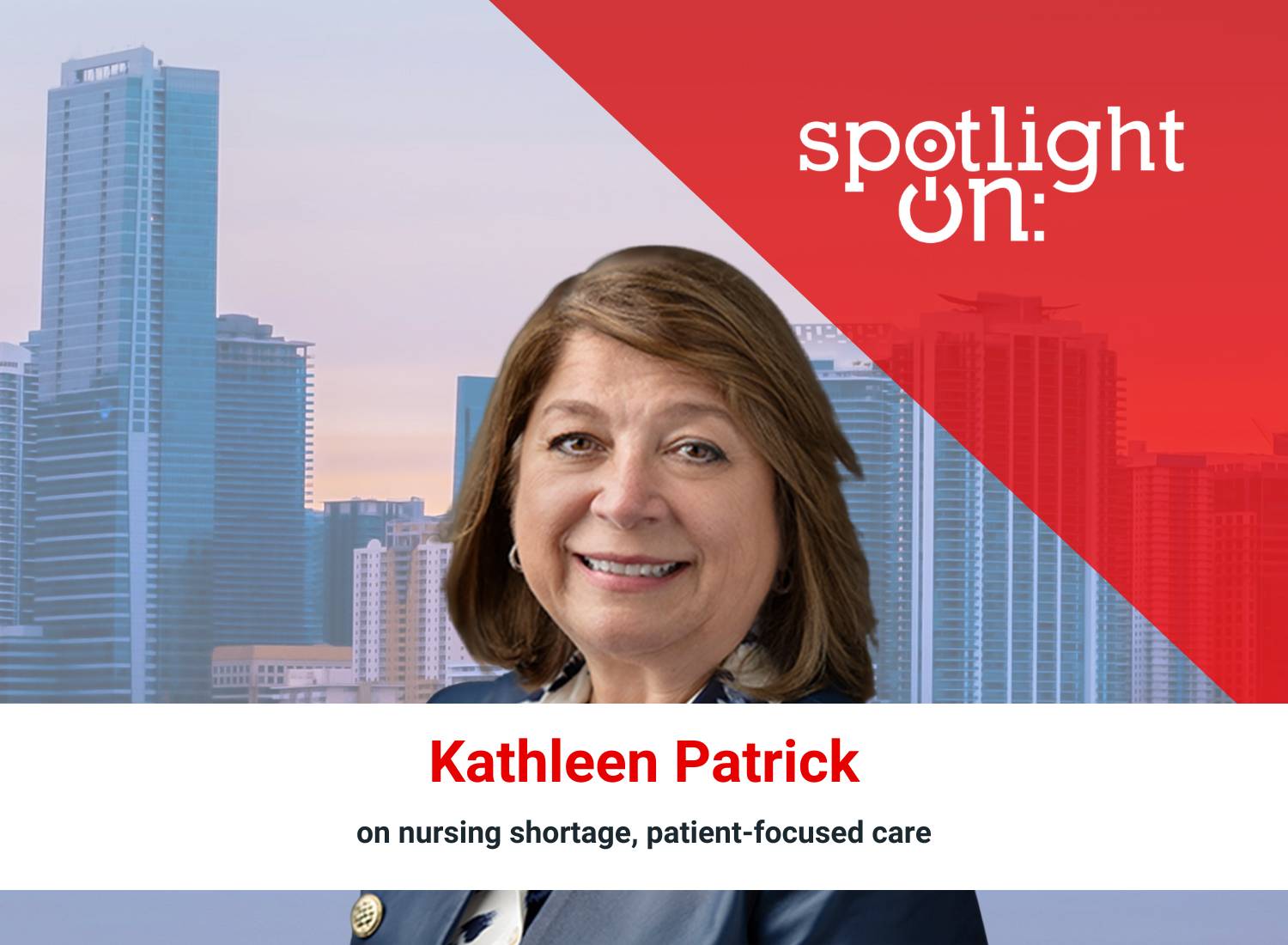 November 2025 — Kathleen Patrick, president of CarepathRx & Chartwell Pharmacy, spoke with Invest: about the company’s innovative approach to home infusion therapy. “We have more than 25,000 patients that depend on us, and our employees provide them with the best care available. Our job is to help them receive their therapy in the most successful, yet unobtrusive, way possible,” she said.
What changes over the past year have most impacted CarepathRx’s operations in Pittsburgh?
Pittsburgh has been a hub for healthcare innovation for several decades. We work with patients that do not need to be cared for in a hospital setting. Our pharmacists and nurses work very hard to help our patients live their lives however they wish, with minimal interruption of work schedules or family responsibilities. We make sure their disease state or chronic condition is not what is driving their everyday schedules.
With the nursing shortage, we are expanding the role of technology, particularly when monitoring our home infusion patients. Many new drugs coming to market require a different skillset and monitoring from our clinicians. In the past, those drugs would have only been administered in a hospital, but now we are safely delivering them in the home every day. Chartwell Pharmacy, which CarepathRx manages on behalf of UPMC health system, is the only pharmacy in the country that can track all aspects of home infusion through cloud-based technology: from electronic coolers to ensure appropriate drug temperature is maintained, to wearable devices tracking patient vitals, and cloud-based pumps that control and record the rate of the infusion.
We are going to see additional technological advancements as we move forward. People prefer not to go to assisted living or long-term care facilities, so technology must keep up with those expectations.
We continually look at ways to transform the business — for both home infusion and specialty pharmacy — in innovative ways. We partner with pharma on many new drug releases and how to bring them into the home in new ways. We focus on the patient so they can receive their medication in a way that is most appropriate for their lifestyle. We want to expand our practice creatively in a way that makes the patient happy, satisfied, and committed to staying on therapy. We have a well-trained clinical team that works with a patient’s family to determine any untoward reactions to help keep them on their prescribed treatment.
Join us at the Invest: Pittsburgh 3rd Edition Leadership Summit! This premier event brings together hundreds of Pittsburgh leaders to discuss the challenges and opportunities for businesses and investors. This year’s theme centers on workforce and innovation. Click here to learn more.
How are you approaching workforce development to meet growing demand?
The nursing shortage is very challenging. During COVID, hospitals wanted to move their patients to the community setting. We had to change our approach to how we partnered with nursing, how we educated nursing, and how we did so much of it virtually.
In home infusion, the goal is for the patient to be self-sufficient in their care. Nurses are utilized for a period, then teach the family how to maintain their medication. We created QR codes so patients and community-based nurses can easily access information and education. We have a library with information on every medication, since each must be handled differently.
You can’t replace a nurse, but you can extend care through teaching and support. We have highly trained nursing staff internally, and they train other nursing agencies across the country.
What challenges do you see in delivering infusion and specialty pharmacy care?
There are many great new drugs coming out, but they have high price tags. Ensuring patients can afford these drugs is very important to us. We work with foundations and pharma partners to reduce costs and keep patients on their prescribed drugs. This year, we provided between $60 million to $70 million in foundation care for our patients. With so many new drugs reaching the market, there are different indications and clinical pathways to provide that drug in the home in the most appropriate way. We have a team that evaluates new drugs and how to provide care for patients, and we share the work with our partnered health systems across the country.
Looking ahead, what are your key goals and priorities for CarepathRx in Pittsburgh and for the industry more broadly?
We want to bring the great clinical programs of Chartwell Pharmacy to the rest of the country, either through expansion of Chartwell’s footprint, or through partnerships with other health systems. Our story is not just focused on growth, but on patient-focused care.
We will continue to expand our technology and work with pharma to bring care into the home. We will work with all of the key stakeholders in a way that builds hub services and new partnerships to continue to take our patient service models to health systems across the country. We set up our partner pharmacies to compete with national pharmacies, who are not innovating at quite the same scale as you would expect from an academic health system like UPMC.
Want more? Read the Invest: Pittsburgh report.