Spotlight On: Reginald Martin, Executive Director, Houston Hospitality Alliance
Key points:
- • Houston is preparing for major global events, including FIFA, after a year of planning and investment.
- • The city’s hospitality sector is built on strong collaboration across hotels, restaurants, and attractions.
- • Martin says Houston’s diversity, food scene, and welcoming culture set it apart.
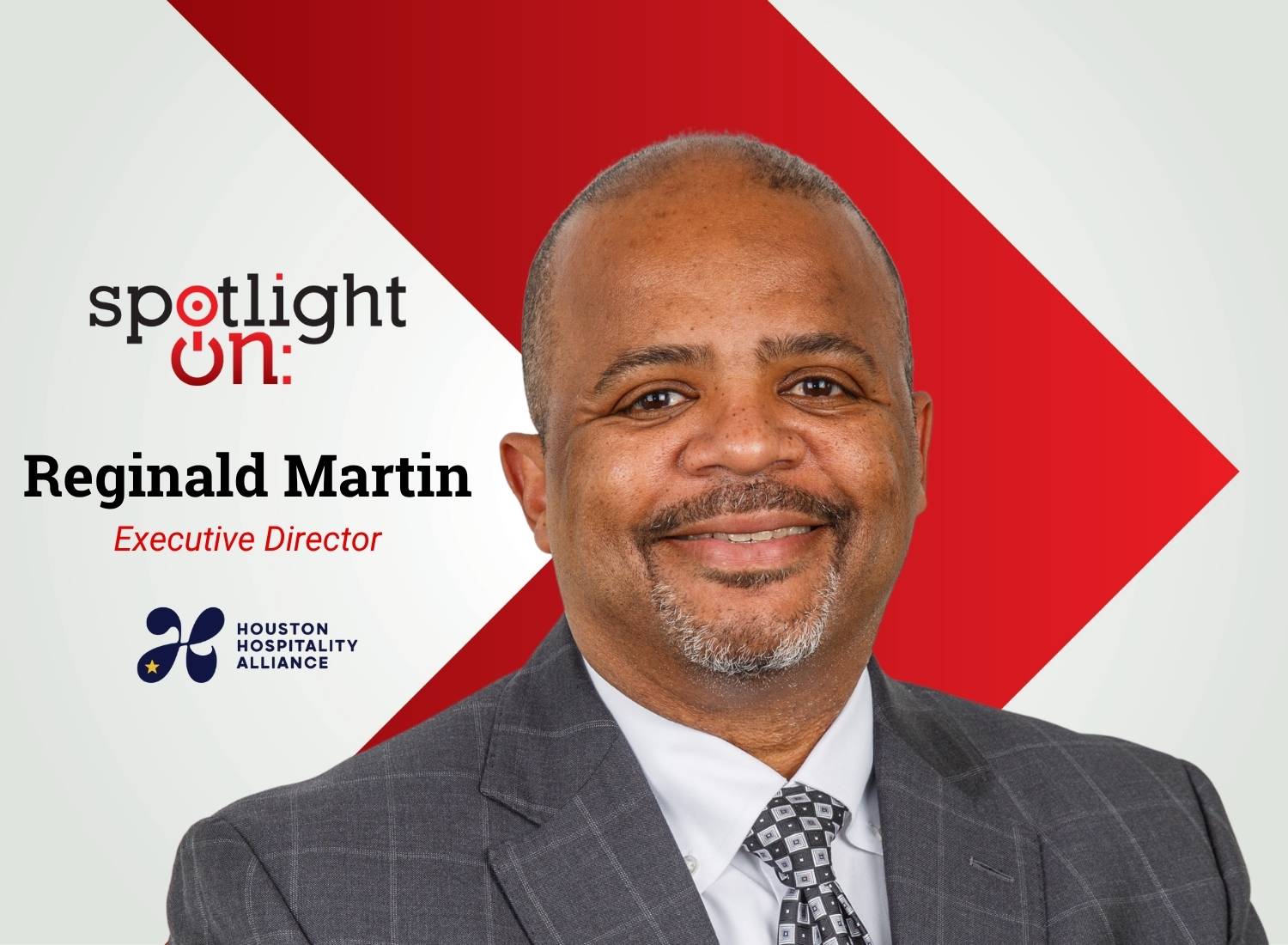 June 2026 — Invest: spoke with Reginald Martin, executive director of the Houston Hospitality Alliance, about how Houston’s hospitality community is preparing for a landmark year of global events, and what makes the city’s visitor experience stand out on the world stage. “Houston understands how to stage large moments,” Martin said.
Join us at caa’s upcoming leadership summits! These premier events bring together hundreds of public and private sector leaders to discuss the challenges and opportunities for businesses and investors. Find the next summit in a city near you!
How would you describe the overall state of Houston’s hospitality industry?
2025 was a good year, still with challenges, but it ended with a more optimistic view of what’s ahead. For many organizations, it was a planning year because we all knew how big 2026 would be for Houston.
In 2025, we were a year out from FIFA and the Sweet 16 basketball tournament, so the focus was on infrastructure, planning, and staffing. There has been a lot of investment, not always with immediate returns, but you have to be ready. We look at 2026 as the year we begin to reap the benefits as visitors join us from around the world.
How would you describe the Alliance’s role today, and how does it support hotels, restaurants, and venues across the city?
Houston Hospitality Alliance is a more than 60-year-old organization. We were originally the Greater Houston Convention and Visitors Bureau, and we transformed into the Alliance in 2023. Most of the city’s global marketing now rests with Houston First, and we continue to partner with them.
We see the Alliance as the hub of all things hospitality in Houston. We bring together leaders from hotels, restaurants, venues, museums, attractions, and bars, plus the businesses that support them, from transportation and parking to florists and event planners.
From a business development standpoint, members look to us for access to leaders and decision-makers. While we do not market the city, we often say we are the content providers that the city markets. Our role is to help ensure Houston is positioned with strong networks, best practices, and coordinated advocacy on the issues that shape the visitor experience.
From a hospitality perspective, how is Houston’s growth changing the competitive landscape, and what opportunities and challenges does it bring?
Houston has always been a city of opportunity. I was at a recent State of the City address, and Michael Heckman, the president and CEO of Houston First, said something that stuck with me: Houston is not the city of your future; it’s the city you come to where you can plan your future. You can come here with your dream and build the future you want.
I am a lifelong Houstonian, and it is striking how the city’s diversity shows up not just in residents, but in talent and entrepreneurship. Houston also plays by a different set of rules than many places. The city does not have zoning, and that flexibility can lower barriers to entry for hospitality concepts, even though it can create tradeoffs.
We also have a strong base of legacy hospitality brands and institutions, and a cultural scene that continues earning wider recognition. At the same time, Houston still gets reduced to cowboy boots and hats. We embrace that, but the city is delivering hospitality at a level people are increasingly recognizing globally.
A recent example is the Houston Chronicle’s “Top 100 Restaurants”. This year, Aga’s, an Indian restaurant, was number one. It is a phenomenal operation in an unexpected setting, and it reflects how Houston embraces cultures and cuisines in a way you can see in daily life, not just in slogans.
Looking at major global events coming to Houston, what preparations are happening now, and how do you see these events influencing long-term investment in the city?
Houston First is the official organization responsible for securing and executing large-scale events, and they continue to do an exceptional job, from winning these opportunities to delivering them in ways that make stakeholders want to return.
FIFA is simply on a different scale than what many people imagine. You are not planning for a single weekend; you are planning for sustained activity and a global audience. For perspective, the Fan Fest component is expected to run for weeks, and that kind of sustained festival footprint is a different operational challenge than a one-week major event.
Houston understands how to stage large moments, but what matters just as much is the hospitality ecosystem behind them: hotel capacity, transportation, venues, and restaurants that can serve visitors authentically across many preferences. When visitors arrive, they are not just attending a match or a game; they are testing the city’s ability to move people efficiently, keep them safe, and deliver an experience that feels welcoming at every touchpoint.
These events also create an opportunity to showcase Houston’s depth, from signature experiences like the rodeo to the breadth of neighborhoods, cuisines, and cultural institutions that visitors can access throughout the region. If we execute well, the long-term benefit is not only the week-of economic activity, but also the future conferences, tours, and business travel that come from a stronger global reputation.
How do you see the role of technology evolving within hospitality?
COVID was incredibly difficult, but it also accelerated the adoption of technology. Restaurants and venues have embraced tools that make service smoother, including handheld point-of-sale devices and QR code menus that reduce printing and allow faster menu updates.
One challenge that remains is credit card swipe fees. They impact operators, especially at smaller price points, and they shape how quickly certain payment habits can shift. Labor challenges are also real, so where technology can support operations while improving the guest experience, the industry will keep moving in that direction.
Looking ahead, what indicators are you watching that will define success for Houston’s hospitality sector over the next three to five years?
Stability matters. Tariffs and trade policy affect costs, and uncertainty makes it difficult for operators to plan. Predictability helps businesses set pricing, manage supply chains, and invest with confidence.
We also have to balance local sourcing with global sourcing. Costs are real for consumers right now. In Texas, the barbecue industry is being hit hard by high beef prices, and a pound of brisket has climbed dramatically over the last decade. Hospitality depends on healthy supply chains, fair trade practices, and a pricing environment that does not squeeze operators or consumers beyond what the market can sustain.
If someone is considering a conference destination, a business expansion, or a U.S. city to visit, Houston should be on that short list. The range of food, hotels, museums, arts, and live experiences is extensive, but what truly sets Houston apart is a genuine Texas spirit of welcoming that visitors feel the moment they arrive.
Want more? Read the Invest: Houston report.