Spotlight On: Ricky Smith, General Manager, Hartsfield-Jackson International Airport
Key points:
- • Hartsfield-Jackson is modernizing infrastructure to keep pace with record passenger demand.
- • AI, biometrics, and automation are reshaping the airport experience.
- Workforce development is preparing the next generation of aviation professionals.
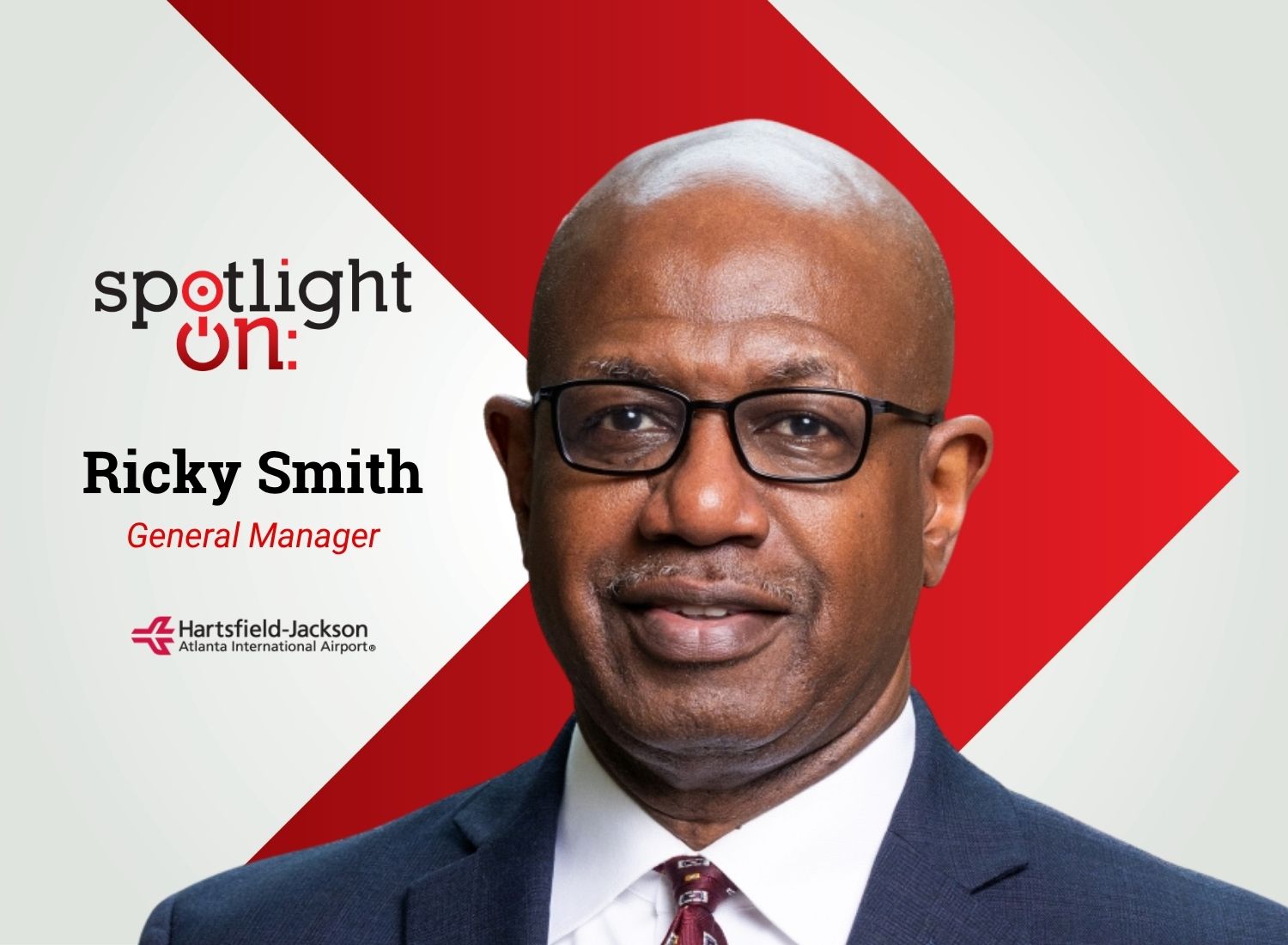 August 2026 — Focus: spoke with Ricky Smith, general manager of Hartsfield-Jackson Atlanta International Airport, about infrastructure investments, passenger growth, workforce development, and the airport’s role in supporting Atlanta’s economy. “Aviation continues to be one of the top industries and the top economic drivers in the country, if not the world.” He discussed how the airport is balancing record demand with modernization while preparing the next generation of aviation professionals.
Join us at caa’s upcoming leadership summits! These premier events bring together hundreds of public and private sector leaders to discuss the challenges and opportunities for businesses and investors. Find the next summit in a city near you!
How has the past year been for Hartsfield-Jackson Atlanta International Airport, and what accomplishments are you most proud of?
It has been a dynamic and challenging year, which is normal for this industry. We had two government shutdowns that affected TSA in a way our passengers had not experienced since 9/11 or COVID. It tested the resiliency of the airport community and showcased the dedication of TSA employees, many of whom continued working without pay.
Airlines continue to deal with geopolitical challenges, fuel prices, labor shortages, and rising wages. Concessionaires face similar pressures, while the FAA is managing increasingly crowded airspace with aging technology.
Despite those challenges, we continue to accommodate growth in both airline service and passenger traffic while improving the customer experience.
How has the Concourse D expansion continued to evolve?
Over the last 12 months, we completed two phases of the Concourse D renovation, the latest completed less than a month ago. The project will continue through late 2028 or early 2029.
The renovation expands hold rooms to accommodate larger aircraft, widens corridors, upgrades restrooms, introduces new concessionaires, and incorporates technologies that improve maintenance and airport operations. Behind-the-wall improvements also allow airport personnel to move more efficiently without conflicting with passenger traffic.
Over the next year, we expect to spend about $1 million a day advancing the next phases while minimizing disruption.
We also announced a new Delta One lounge in partnership with Delta Air Lines, which will be one of the premier lounges in the industry, and opened the South Red parking deck, adding about 6,400 parking spaces with advanced technology. These projects expand capacity while improving the passenger experience.
How is airport infrastructure keeping pace with growing passenger demand?
Airports across the country are investing in infrastructure, but improvements are still trailing demand. That applies not only to airport facilities but also to airspace management. Aircraft operations continue growing, yet the technology supporting the national airspace has not advanced at the same pace.
Climate-related weather events have also become more common. Thunderstorms frequently create ground stops across the Southeast, disrupting operations and making travel less predictable. We have made significant progress, but there is still significant infrastructure work ahead to keep pace with future demand.
How is the airport preparing for storm season and weather disruptions?
The aviation industry is extremely resilient because disruptions are part of our business. From the airport’s perspective, we focus on making stranded passengers as comfortable as possible while improving communication.
We encourage passengers to stay in close contact with their airlines before traveling because airlines provide timely flight updates that can help travelers avoid unnecessary time at the airport. We are also improving how we accommodate passengers during disruptions, while airlines continue improving advance notification and rebooking processes.
This has become the new normal, and the industry continues adapting.
What role does aviation play in Atlanta’s broader business landscape?
Aviation continues to be one of the top industries and the top economic drivers in the country, if not the world. That is certainly true in Georgia and Atlanta.
Innovation in aviation continues to outpace much of the world. We are using AI and biometrics to better understand passenger preferences, improve security, and make passenger processing more seamless. We are also working with Delta to introduce autonomous vehicles for baggage transportation and exploring automation for airfield maintenance, including autonomous mowing equipment.
Innovation is not only about technology. It is also about improving business processes. Understanding passenger flows allows us to more effectively position customer service teams and improve the overall travel experience.
How does data support both airport operations and regional competitiveness?
High-performing airports rely on data to understand passenger behavior and preferences. That information helps us design facilities, allocate customer-facing staff, and improve traffic management by anticipating where peak activity will occur.
We also work closely with the Atlanta Convention & Visitors Bureau when recruiting new business and major events. Airport capacity is an important component of bids for events such as FIFA and the Super Bowl. We share information about passenger trends, airline service, and future growth so regional partners can make stronger cases for bringing those opportunities to Atlanta.
What workforce challenges is the airport facing?
Labor challenges vary across aviation. As a government agency, our biggest challenge is offering competitive salaries while competing with other airports and the private sector.
Concessionaires face additional challenges because they need employees willing to work very early mornings or late nights while also meeting airport security requirements. Airlines have their own staffing challenges, and the industry continues to face shortages of air traffic controllers and avionics professionals.
Another challenge is awareness. Many people simply do not recognize the airport as a place to build a career. They may think only of pilots, flight attendants, or TSA officers, but there are opportunities across nearly every profession. Educating the public about those careers will help expand the pool of future employees.
What are the airport’s priorities over the next three to five years?
We have to begin by reaching students during their formative years. We want elementary, middle, and high school students to understand that careers in aviation extend far beyond flying airplanes. They can become engineers, restaurant managers, air traffic controllers, administrative professionals, and much more.
We also need stronger relationships with colleges so career counselors present airports as long-term career destinations.
Recruiting talent is important, but retaining talent is even more important. That means providing professional development, competitive compensation, and meaningful work that allows employees to feel they are making an impact.
At Hartsfield-Jackson, we have one of the most advanced workforce development programs in the aviation industry, with initiatives ranging from K-12 students to retirees interested in changing careers. Those programs are designed to inspire, educate, and attract future aviation professionals.
We also have a remarkable team throughout the entire Hartsfield-Jackson community. All 63,000 employees are dedicated to giving passengers the best possible experience. Some days are better than others, but every employee comes to work wanting passengers to have a positive experience. Even when we fall short, passengers should know we are committed to doing better.
Want more? Read the Focus: Atlanta report.