


Spotlight On: Ron Gaboury, CEO, Caregility
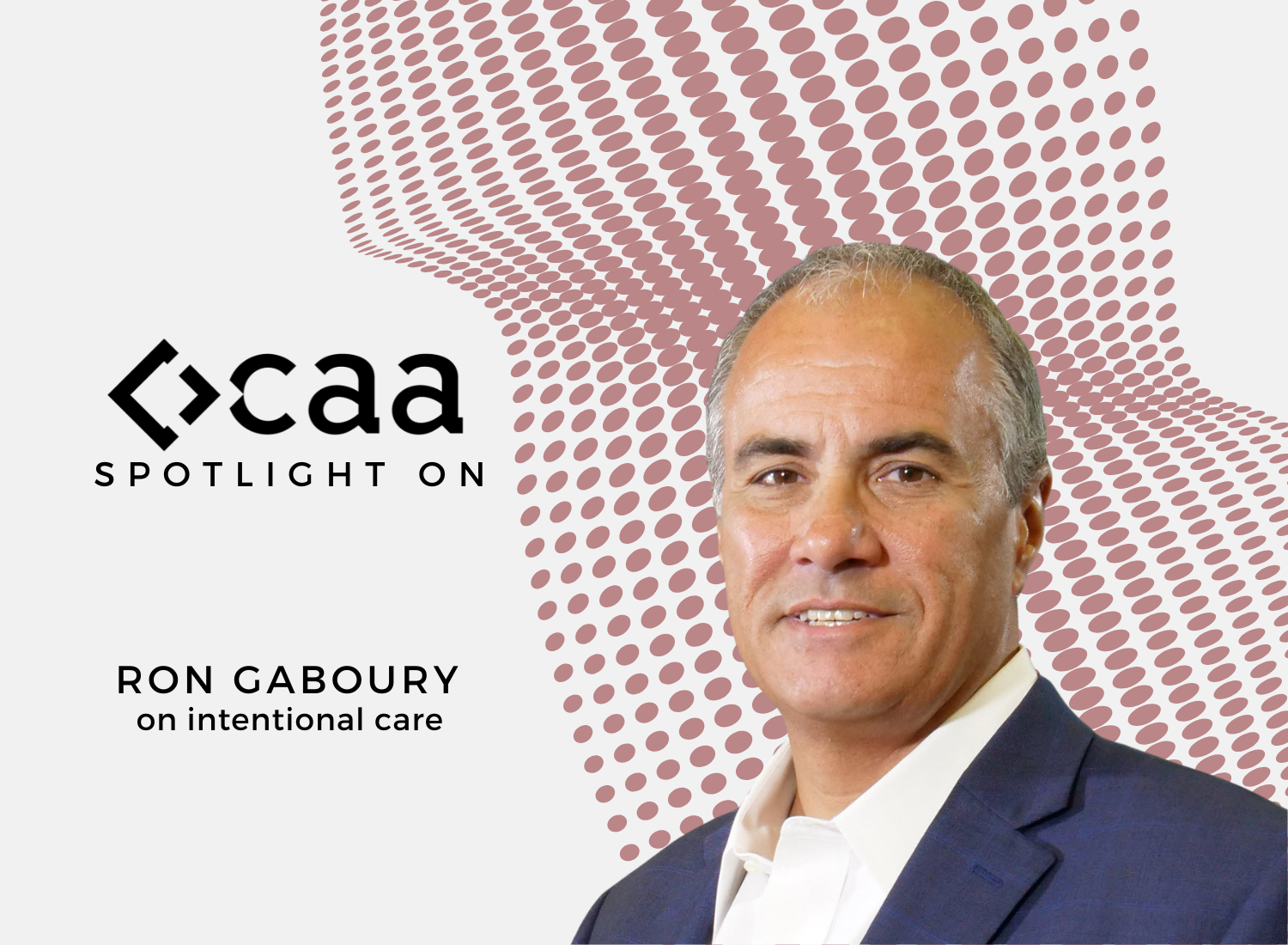 March 2025 — Ron Gaboury, CEO of Caregility, talked to Invest: about how telehealth is revolutionizing the way the healthcare industry provides treatment, from the ways in which providers operate in terms of increased operational efficiencies and lower costs, to the ways in which patients benefit from saved resources and consistent, intentional care.
Caregility has been recognized for three straight years as the Best in KLAS Virtual Care Platform. How has this recognition positioned Caregility in the New Jersey market?
We’ve taken a unique approach to our go-to-market strategy. After years of significant investment in product development, our solution has gained widespread acceptance —even in the face of budget constraints. Our journey began in ICU, which is 10% of the market. Recognizing the need for broader adoption, we expanded into virtual patient observation and virtual nursing, touching every patient room. However, replicating ICU spending across an entire health system isn’t feasible. To overcome this challenge, we embraced the philosophy that telehealth should be as fundamental as oxygen in the hospital – you don’t designate specific rooms for oxygen because it’s available everywhere. The same should apply to virtual care, seamlessly integrated into existing workflows rather than being a location-based resource. Those providers who have embraced telehealth workflows (virtual nursing, sitting, etc.) will not say, “Be sure to put the patient in a room with a telehealth system,” because it is part of their overall workflow, thus virtual care needs access to every room. To support this shift, we introduced the AAP (Accelerated Adoption Program), which allows customers to leverage our technology under contract without upfront capital investment. Since the program’s launch in mid-2024, the AAP has gained strong traction and been widely accepted, while driving our pipeline to over $100 million. Contract sizes have surged from 30-100 endpoints per order to 500-1,000 endpoints per order, marking a major milestone in accelerating the widespread adoption of virtual care.
Do you believe telehealth’s potential is being underestimated, particularly in New Jersey’s healthcare community?
Telehealth is increasingly recognized as a catalyst for care rather than a replacement for clinical staff. Telehealth enhances —not replaces— healthcare workers by supporting them in delivering better patient outcomes. Take virtual nursing, for example. While its outcomes may differ from traditional in-person care, its true power lies in improving overall quality. By offloading certain tasks, floor staff can gain more time for hands-on face-to-face care with patients who need it most. Budgets can influence the pace of adoption, but perceptions have shifted dramatically over the past two years. As more health systems integrate virtual care into their workflows, telehealth is proving to be an essential tool for optimizing resources, improving operational efficiency, and ultimately enhancing patient care.
Considering workforce shortages in the healthcare industry, what opportunities do telehealth, machine learning and AI offer to minimize staff challenges?
Just as certain aspects of care can be virtualized, in-person clinical staff provide invaluable observation skills that complement virtual care. A well-integrated patient room setup enhances both nurse and patient safety by capturing both audio and visual data. This continuous observation can be critical in scenarios such as detecting patient falls, identifying early signs of sepsis, and improving overall hospital efficiency. Caregility is committed to the responsible use of AI in telehealth. While AI has its limitations, we leverage it as an assistive tool rather than allowing it to take the lead. Our focus remains on enhancing clinical workflows and patient outcomes, ensuring that technology supports —not replaces— human expertise.
What are the key challenges healthcare providers in New Jersey face when integrating telehealth solutions?
While demand and interest in virtual care continue to grow, traditional budgets remain a primary barrier, though we are beginning to see a shift. The industry’s future transformation is still unfolding, leaving many questions about what’s next.
Competition is another key challenge. We built a company, an industry, and a product in a remarkably short period of time. As more companies compete for market leadership, some make claims about their capabilities that do not always align with reality. Rather than asserting that we have all the answers, we focus on asking the right questions: “What’s next? How can we best support our customers while empowering patients?” Our reputation among major healthcare organizations remains strong because they recognize not only the value of Caregility’s products and solutions today but also our vision for the future. The legacy of innovation is what we aim to continue delivering —-ensuring that we evolve alongside our customers and thoughtfully integrate new services that drive real value.
Looking at the continued growth and importance of telehealth and telemedicine, what do you think is next for that sector?
With hospital costs and return on investment being top priorities, we developed an economic calculator to help healthcare organizations identify ways to achieve better financial and operational outcomes. Our approach involves analyzing key data to propose cost effective strategies for implementation of virtual care. Healthcare providers should not have to make multimillion-dollar investments in virtual care without clear performance insights. Virtual care enhances efficiency and improves healthcare delivery, and we have the data to support those claims. While in-person care remains invaluable, its impact can be significantly amplified through virtual solutions and AI. Our goal is to increase visibility of telehealth as an essential and effective component to modernize healthcare as a treatment option.
What measures has Caregility implemented to ensure data security and HIPAA compliance?
Caregility was founded on a strong commitment to data security. Our roots stem from a sister company with deep heritage in security, and as we evolved into the telehealth space, we carried that foundation forward. Given the mission-critical nature of ICU environments, security remains a top priority. Our team of experts continuously ensure that our telehealth solutions uphold the highest standards of data protection and reliability, safeguarding both patients and providers.
In your last interview with Invest:, you mentioned the expansion of your partner ecosystem to optimize clinical workflows. How have these partnerships evolved?
Our partnerships have evolved significantly, driven by both market needs and customer-specific requirements. In the past, we took a proactive approach purchasing licenses, integrating solutions, and introducing them to the market to assess their impact. Today, the landscape has shifted. Demand for telehealth solutions is well established, allowing us to make more strategic, data-driven integration decisions. We now focus on utilizing our resources efficiently while striving to be the apex of telehealth, ensuring our solutions align seamlessly with the evolving needs of healthcare providers.
What is your outlook for the healthcare sector over the next few years, and what are Caregility’s top business priorities in that time?
Our outlook is better than ever. We have made a modest investment into international expansion, we are already seeing significant opportunities worldwide, and we are actively closing on new, exciting ventures. Given our size, we remain strategic and prescriptive about our growth, but positive feedback from our customers affirm that we are on the right path. Looking ahead, we anticipate that major healthcare implementations will increasingly prioritize efficiency, with telehealth playing a critical role in both expanding care access and addressing budget constraints. We are excited to continue driving innovation and transforming the industry.
For more information, please visit:





