
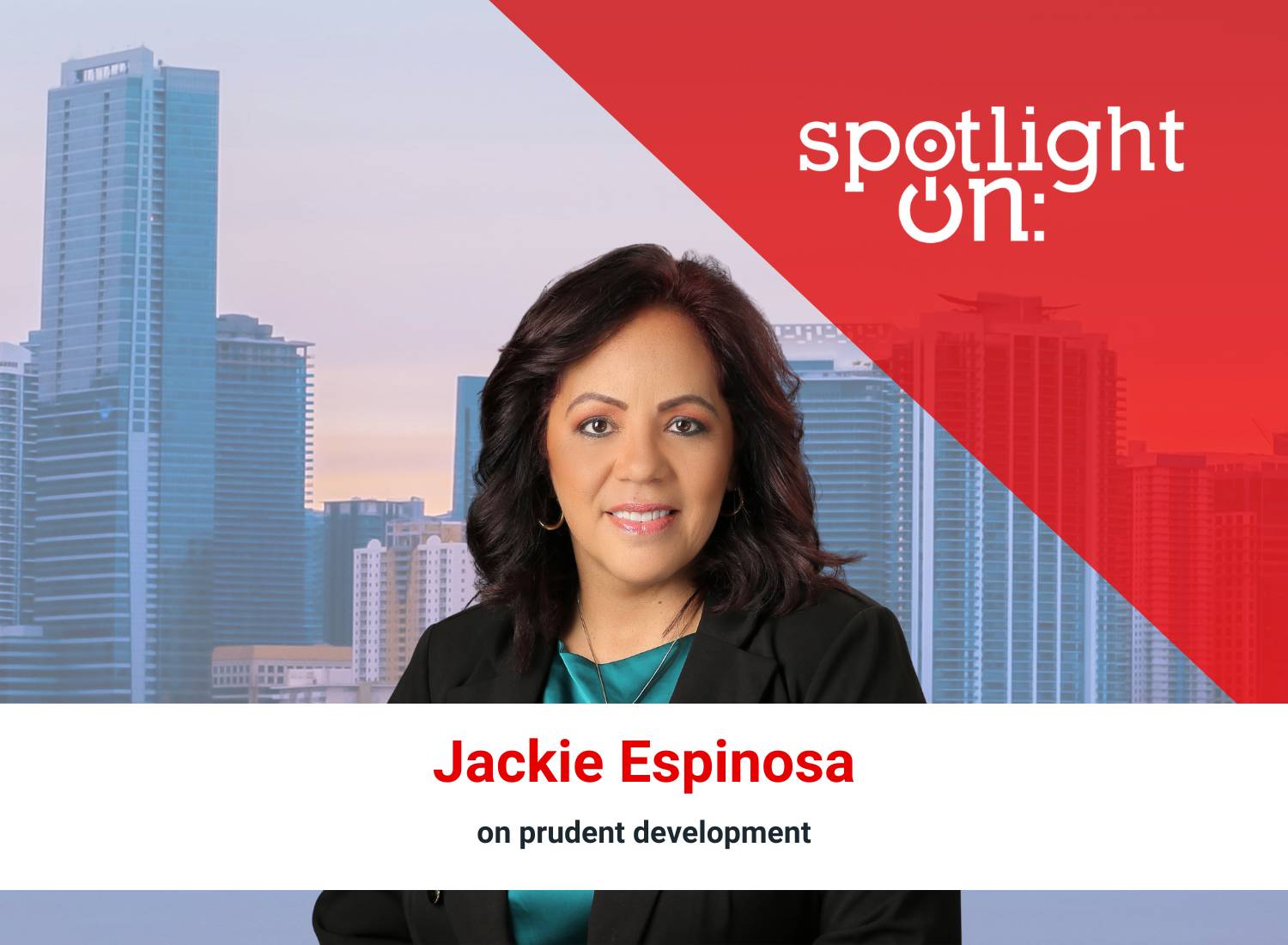
 December 2025 — Invest: sat down with Jackie Espinosa, mayor of the City of Kissimmee, to discuss how the city is aligning rapid growth with prudent, community-focused development. From new hotels and a convention center downtown to reinvestment along the Vine Street corridor and around the executive airport, nearly half a billion dollars in projects are reshaping Kissimmee’s economic profile. “It’s like the Emerald City. Everything’s happening here,” Espinosa said.
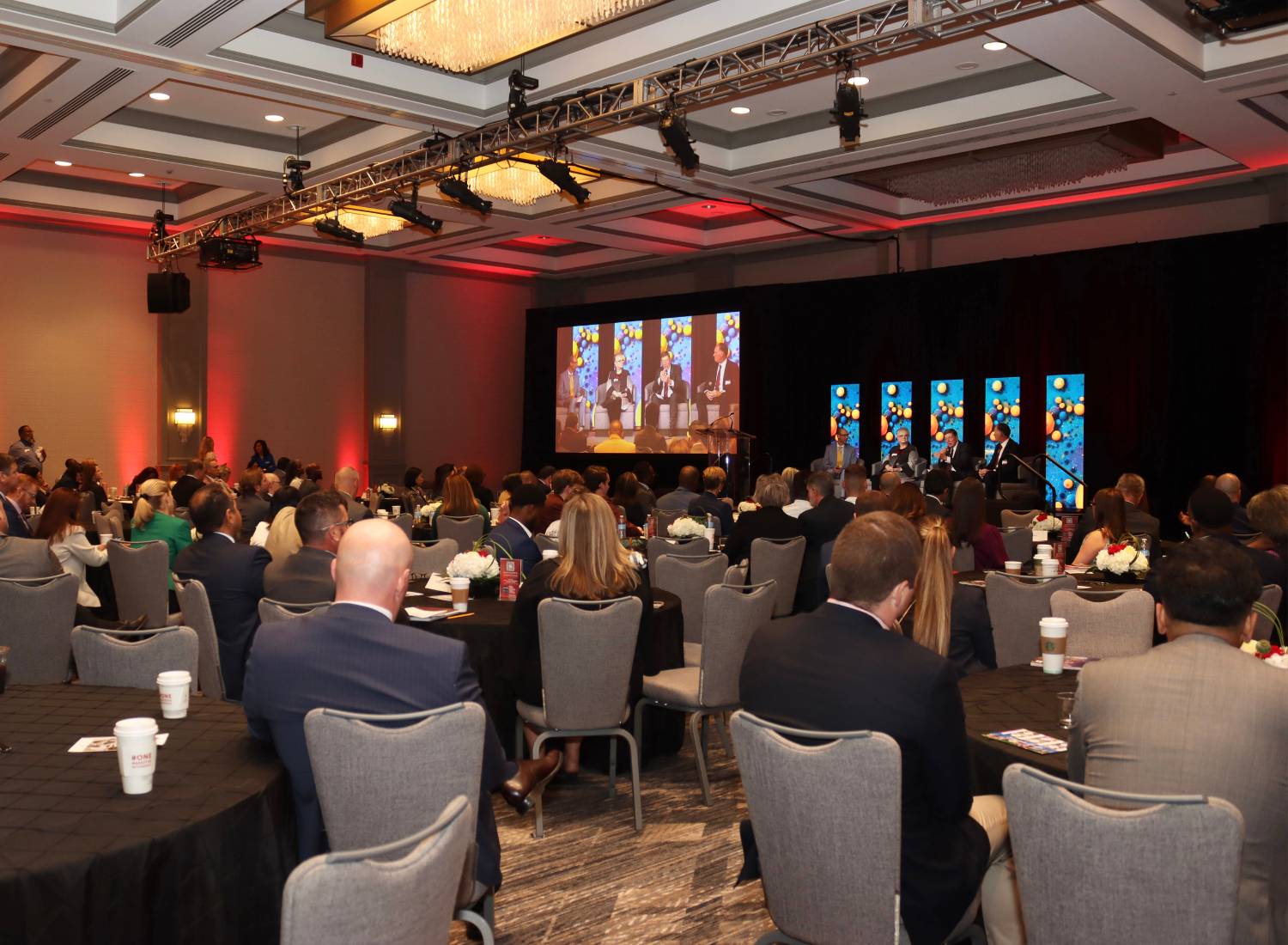
Join us at caa’s upcoming leadership summits! These premier events bring together hundreds of public and private sector leaders to discuss the challenges and opportunities for businesses and investors. Find the next summit in a city near you!
Over the past year, what changes have most influenced the city of Kissimmee?
We’ve always been development-friendly, but what has truly defined this year is our focus on prudent development — projects that create long-term value for residents and businesses rather than growth for growth’s sake. You see that in our Kissimmee Complete Street Improvement Project and in how we’re approaching hotels, housing, and mixed-use redevelopment across the city.
On the fiscal side, we just adopted a proposed budget of about $310.3 million for the new fiscal year. For a city with close to 90,000 residents, we’re not the largest, but certainly not the smallest, and we’re operating from a position of strength. Our millage rate has remained at 4.6253 for 17 consecutive years, reflecting the stability of our budget and the discipline of our administration.
From a development perspective, we’ve approved several hotel projects for the first time in a long time. Azure will replace our existing Civic Center site with roughly 300 rooms, and alongside it we’re building a new convention center. We also have a new hotel planned near our executive airport with extended-stay options for students in aviation programs, plus another hotel downtown that will include about 30 residential units.
Add in the redevelopment of the former Kmart site — with 630 residences, about 51,000 square feet of commercial space and a 73,400-square-foot indoor sports facility — and, together with CRA investments, we’re approaching half a billion dollars in public and private investment.
What economic and demographic trends are shaping business attraction and investment in Kissimmee today?
Tourism has long been one of our leading drivers, but what’s changing is the diversification of our economy. We’re seeing strong momentum in advanced and micro-technology due to our proximity to NeoCity. While NeoCity sits just outside our limits, it directly influences our housing market, workforce, schools, and job opportunities. Those high-paying jobs are shifting the income profile of our community.
With that growth, we’ve been intentional about aligning development with public safety. We recently received a $750,000 U.S. Department of Justice grant to expand community policing and support public safety initiatives. Growth and safety must move together — and as our police department has rebuilt trust with the community, this funding allows us to expand that progress. When you combine tourism, innovation, residential growth and stronger public safety, you start to see a more balanced economic base taking shape.
How are revitalization efforts advancing, particularly around housing and redevelopment?
The Vine Street corridor is a 5.5-mile stretch that historically has been viewed primarily as a tourist corridor. Our goal is to reposition it as a vibrant, mixed-use area that serves both residents and visitors. Housing is central to that transformation. The former Kmart site alone will bring 630 new units, and beyond that, various projects along the corridor include a mix of affordable and market-rate housing to reflect the diversity of our community.
Through our two CRAs — Downtown Kissimmee and Vine Street — we’re offering grants for façade improvements and upgrades that elevate the look and feel of the corridor. This ensures we’re not only investing in downtown but also in the gateways that shape the city’s broader image.
How are you supporting the expansion of Kissimmee’s medical corridor?
We’re fortunate to have a strong medical presence, including a major HCA hospital that serves as a Level 2 trauma center. Helicopters fly in from across Central Florida when needed, and having that level of care within the city is a tremendous asset for both residents and employers.
Around that anchor, we’re seeing more medical offices and specialized facilities open or expand. To support them, we offer startup funding, expansion grants, and incentives for businesses creating new jobs. Our fast-track permitting process is especially important for healthcare projects, where timing can be critical.
The medical district sits just before our executive airport, and together they form a growing hub of economic activity. Our next goal is securing a customs unit at the airport to expand import-export opportunities. As I often say, it’s like the Emerald City — everything’s happening here.
How are you working with regional partners to expand multimodal transportation options?
Connectivity is one of our greatest strengths. SunRail runs directly into downtown, and we complement that with Freebee — an on-demand, no-cost service that takes riders anywhere within our expanded medical district. If someone gets off SunRail and needs to reach a hospital or clinic, Freebee gets them there with no fare.
We also partner closely with LYNX and its regional services to ensure transit supports growing corridors and employment centers. And Amtrak runs right through the center of downtown, bringing travelers from across the country. With SunRail, Amtrak, LYNX and local micro-transit working together, Kissimmee is becoming even more accessible as we grow.
Looking ahead to 2026 and beyond, what new economic development strategies and partnerships is the city launching?
One initiative I’m especially proud of is Business Boost 2.0. We allocated $1 million in remaining COVID-era funds to help small businesses that were here before the pandemic. Home-based businesses can receive around $5,000 in grants, while brick-and-mortar businesses can receive up to $20,000 — meaningful support at a critical time.
We’re also focused on attracting and sustaining new businesses. Our CRAs provide a Pioneer Project Incentive Program for residential, innovative commercial and mixed-use development, and our Commercial Property Improvement Program grant offers up to $50,000 for improvements to long-standing businesses, sometimes without requiring a match or repayment.
When you take everything together — hotel and convention investments, medical and aviation growth, business grants, fast-track permitting and CRA revitalization — Kissimmee is becoming a place where opportunity is tangible. Our job is to make sure that entrepreneurs and employers see the city as a partner in their success.
Want more? Read the Invest: Orlando report.
Subscribe to Our Newsletters
"*" indicates required fields