


Jacqueline Railey, Mayor, City of Coconut Creek
 May 2026 — Invest: spoke with Jacqueline Railey, mayor of Coconut Creek, about the city’s next phase of growth, including its emerging MainStreet downtown hub, a strengthened small-business environment, and long-term commitments to sustainability and quality of life. “When residents are safe, happy, and secure, and businesses are thriving, it benefits the broader region, not just Coconut Creek,” Railey said.
How would you describe the city of Coconut Creek’s overall economic vision in 2026, and what makes this moment distinct from previous years?
Over the last year, we have been in the midst of a real growth spurt, and we are excited about what that can mean for our residents. Expanding our tax base helps us invest back into the city, and our residents come first, so quality of life stays at the center of our decisions.
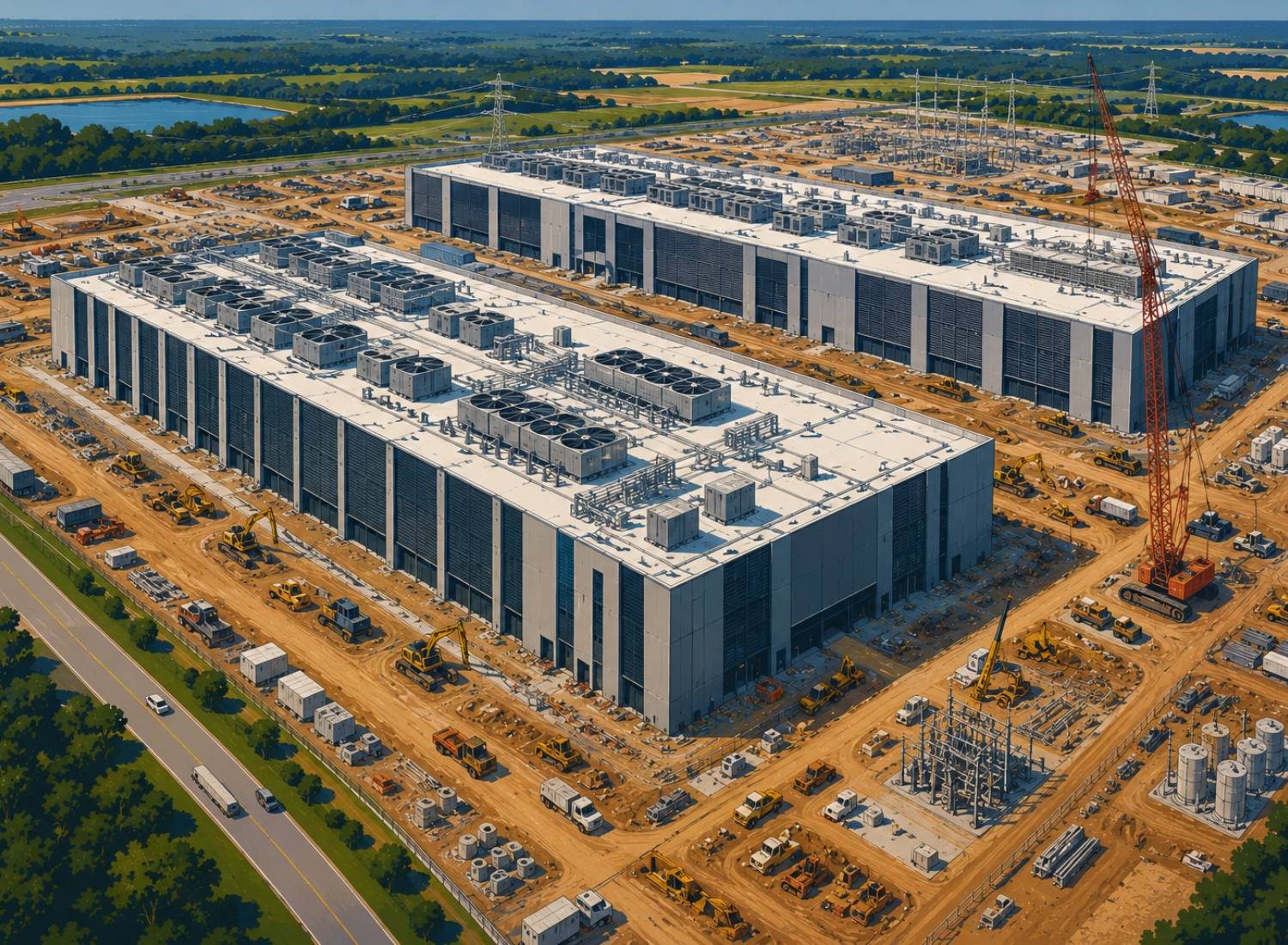
Two projects are shaping this moment. We have a light industrial park that is being completed now, and we also have MainStreet, a 187-acre mixed-use development. Both are meaningful because they add momentum while also requiring careful planning.
At the same time, we are paying attention to policy discussions in Tallahassee. Bills at the state level can affect municipalities, so we are going to remain conservative as we set up our budget for the next year. We want to keep moving forward without putting long-term stability at risk.
How is the Main Street development influencing investment patterns, private sector confidence, and the city’s long-term identity?
MainStreet is intended to become a true downtown hub for Coconut Creek. It is adjacent to the Promenade, an established shopping center, and Monarch Station, a residential community. The development plan includes roughly 1,600 to 1,700 additional residential units, plus restaurants, businesses, civic space, parks, and green space.
The idea is to create a place where people can live, work, and play in the same area. That supports local businesses, helps reduce traffic pressure, and can attract visitors from neighboring cities. It also strengthens the city’s identity by giving Coconut Creek a clearer center of activity while still reflecting what residents value about the community.
How are you balancing new development with environmental commitments and the quality-of-life reputation that sets Coconut Creek apart?
We have strong standards for development, and open space has been a priority for a long time. In MainStreet, we have designated more than 18 acres for new parks, open space, and green space. That is part of the city’s expectation when development intensity increases.
Resiliency is built into the planning as well. Each development creates a resiliency plan, and at minimum, buildings are green-certified. We also encourage visible resiliency features, what we call conspicuous displays of green technology, so residents can see what the city and developers are doing.
For example, MainStreet will include a cistern and a windmill designed to reclaim water for landscaping and park areas. It also connects to the land’s history as a former farm, so it functions as infrastructure, public art, and a sense-of-place feature.
We also plan public services alongside growth. The city is constructing a new fire station in the MainStreet area, which supports safety and response capacity as the community expands.
What types of businesses align best with the city’s long-term strategy, and how are you positioning Coconut Creek to attract them?
Coconut Creek is primarily a small-business community, and we treat that as a strength. We have a chamber of commerce, and we partner with neighboring communities on workshops and support. During COVID, for example, we provided grants to help small businesses, because even small amounts mattered at that time.
We try to maintain a business environment where local owners feel supported and where new business activity lifts the overall market rather than creating unhealthy competition. The big businesses come and go, but the small ones stay where they’re happy, and our job is to help create the conditions that keep them here.
Affordability and housing diversity are major issues across the region. How is the city addressing these needs while supporting economic opportunity and quality of life?
We approach affordability through both policy and planning. At the city level, we remain conservative in budgeting and focus on keeping the millage rate and taxes as manageable as possible.
In new non residential development, there is a percentage allocated for affordable housing, and we are focused on workforce housing options as well. In MainStreet, we are partnering with the developer to provide purchase assistance for a range of housing types, including townhomes, villas, and condos, and we are also working with apartment developers on rental assistance aimed at workforce housing.
We also see walkability as part of the affordability picture. If residents can walk or bike to restaurants, jobs, and daily needs, they can reduce transportation costs, which helps households even when housing prices are under pressure.
What are your top priorities for the next three to five years to ensure Coconut Creek continues to thrive?
First, we want to deliver MainStreet successfully and keep growth aligned with the city’s identity. We will maintain green spaces and protect the small-town feeling residents value. Coconut Creek has a distinct sense of place, and you can feel it when you enter the city.
Quality of life remains the foundation, including parks, programs, and cultural activities. We are also planning in an environment of uncertainty, and municipalities do not always know how they will be affected by policy changes, so we will be careful and disciplined.
Public safety is also paramount. Police and fire funding will remain a priority, and we are working to renovate our police station so the department can operate more effectively and so we can support the people who do that work.
How do you see Coconut Creek’s role evolving within the broader South Florida economy as growth continues across the region?
As more people and businesses are attracted to the city, it creates more opportunity. Additional commercial space can help balance the tax base and reduce pressure on residential taxpayers, and growth can bring more resources to reinvest in services and amenities.
We also want to remain a place that attracts families. When residents are safe, happy, and secure, and businesses are thriving, it benefits the broader region, not just Coconut Creek.
Is there anything you would like to highlight about Coconut Creek’s strengths and momentum?
Education is an important part of what makes Coconut Creek attractive. We have higher education and technical options, along with public and private schools, and we value partnerships that support student opportunity. We also see internship programs as a practical bridge between education and the local business community.
We encourage residents to support local businesses. We have used a slogan, “Keep your cash in the Creek,” because we want people to shop local when they can and help the businesses that help define the community.
We are also streamlining permitting by creating a permit concierge service within our building department. The goal is to help businesses, especially small businesses, move through the process as efficiently as possible while still maintaining the integrity of the rules and building codes we must follow.
Finally, we are proud of civic investments that reflect community values. At City Hall, we have designated a remembrance garden, and we recently unveiled a sculpture called Generations honoring the Holocaust. It was a meaningful moment for the city, and it is part of a broader effort to build public spaces that are both welcoming and reflective.