
Jacksonville Business News: JAXPORT Triggers Expansion
Key points:
- • JAXPORT infrastructure progress has transformed the region into a leading economic hub.
- • Massive inbound population migration adds more than 100 new residents to the region daily.
- • Industrial real estate occupancy is exceptionally tight due to multimodal logistics demand.
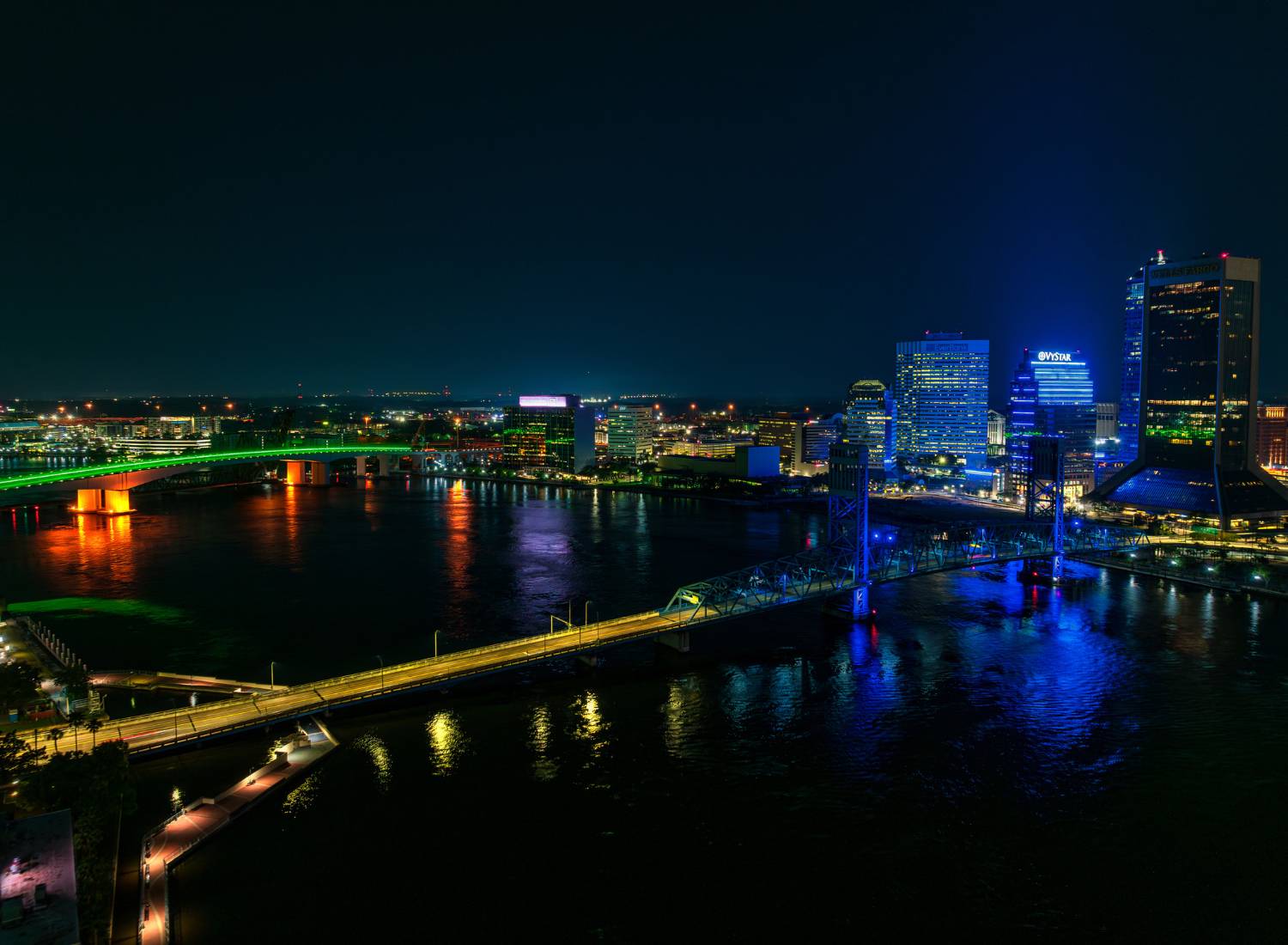 May 2026 — The structural acceleration of Northeast Florida’s maritime and commercial infrastructure is sending a powerful message to multinational supply chain operators reading Jacksonville business news: the region has officially entered a new tier of domestic economic dominance.
Join us at caa’s upcoming leadership summits! These premier events bring together hundreds of public and private sector leaders to discuss the challenges and opportunities for businesses and investors. Find the next summit in a city near you!
Driven by aggressive deep-water port improvements and an unrelenting influx of manufacturing capital, the metropolitan area is aggressively capturing market share from traditional, higher-cost East Coast distribution hubs. This industrial real estate and transport boom demonstrates that corporate logistics planners are prioritizing multimodal connectivity to safeguard their modern freight networks against global maritime disruptions.
Infrastructure asset enhancement
The physical and operational transformation taking place across the regional trade footprint is backed by authoritative transport logs. According to the comprehensive Florida Department of Transportation Seaport Mission Plan, the state’s network of seaports has initiated a massive $7 billion rolling five-year capital improvement strategy running from the current 2025-2026 cycle through 2030.
At the frontline of this investment is the Jacksonville Port Authority, where deep-water berth adjustments, crane expansions, and enhanced rail-to-ship intermodal connections are allowing the gateway to handle unprecedented container volumes while significantly shortening domestic overland transit times.
This systemic expansion directly underpins the broader industrial real estate market. As multimodal access scales up, developers are racing to deliver millions of square feet of class-A warehousing and specialized cold-storage space along the I-95 and I-10 logistics corridors.
Corporate users scanning updates in Jacksonville business news find that this rapid infrastructure deployment is actively drawing in advanced manufacturing, automotive distribution, and major e-commerce fulfillment firms that require direct, immediate access to both high-velocity rail networks and the rapidly expanding Southeast consumer market.
Demographic shifts fuel industrial scale
The massive scale of this industrial absorption is further fueled by domestic demographic shifts. Northeast Florida has emerged as a premier destination for inbound population migration, consistently adding more than 100 new residents to the economic zone every single day. This steady labor force expansion provides local advanced manufacturing and logistics firms with a deep, highly stable bench of technical and mechanical talent at a time when competing coastal markets are confronting severe structural workforce deficits.
Furthermore, the regional combination of a highly business-friendly tax environment and an excellent relative cost of living ensures that corporate operators can scale their physical footprints with exceptional cost predictability.
This stable operating framework has allowed the local corporate ecosystem to diversify cleanly into high-value technology niches, including financial technology, specialized healthcare services, and advanced aerospace engineering. Consequently, speculative industrial property builds are frequently being fully pre-leased long before their physical core-and-shell completion phases, preserving exceptionally low submarket vacancy rates across all primary distribution submarkets.
Forward-looking economic trajectories
This long-term alignment of deep-water port infrastructure, reliable rail connectivity, and permanent inbound population growth has effectively insulated the regional economy from broader domestic commercial real estate construction corrections.
While national capital markets navigate tighter credit parameters, local public-private partnerships continue to deploy massive tranches of development capital, ensuring that critical roadway, utility, and maritime infrastructure expansions proceed without delay. This proactive development strategy guarantees that the metropolitan area remains uniquely poised to absorb future waves of global maritime commerce.
Looking forward, corporate leaders evaluating local opportunities in Jacksonville must monitor three primary operational indicators through the back half of the fiscal year. First, analyze how the implementation of federal maritime prosperity guidelines alters the distribution of capital grants for near-port advanced manufacturing zones. Second, observe whether the accelerating pace of deep-water channel maintenance lines allows the port to capture a greater share of post-panamax container vessel routing. Third, track how regional utility providers adapt substation capacities to support the high-density automation equipment being integrated into new logistics facilities. Navigating these dynamic operational shifts will distinguish industry leaders from passive observers during this era of sustained regional growth.
Want more? Read the Invest: Jacksonville report.