
Spotlight On: Thomas Cornish, COO, BankUnited
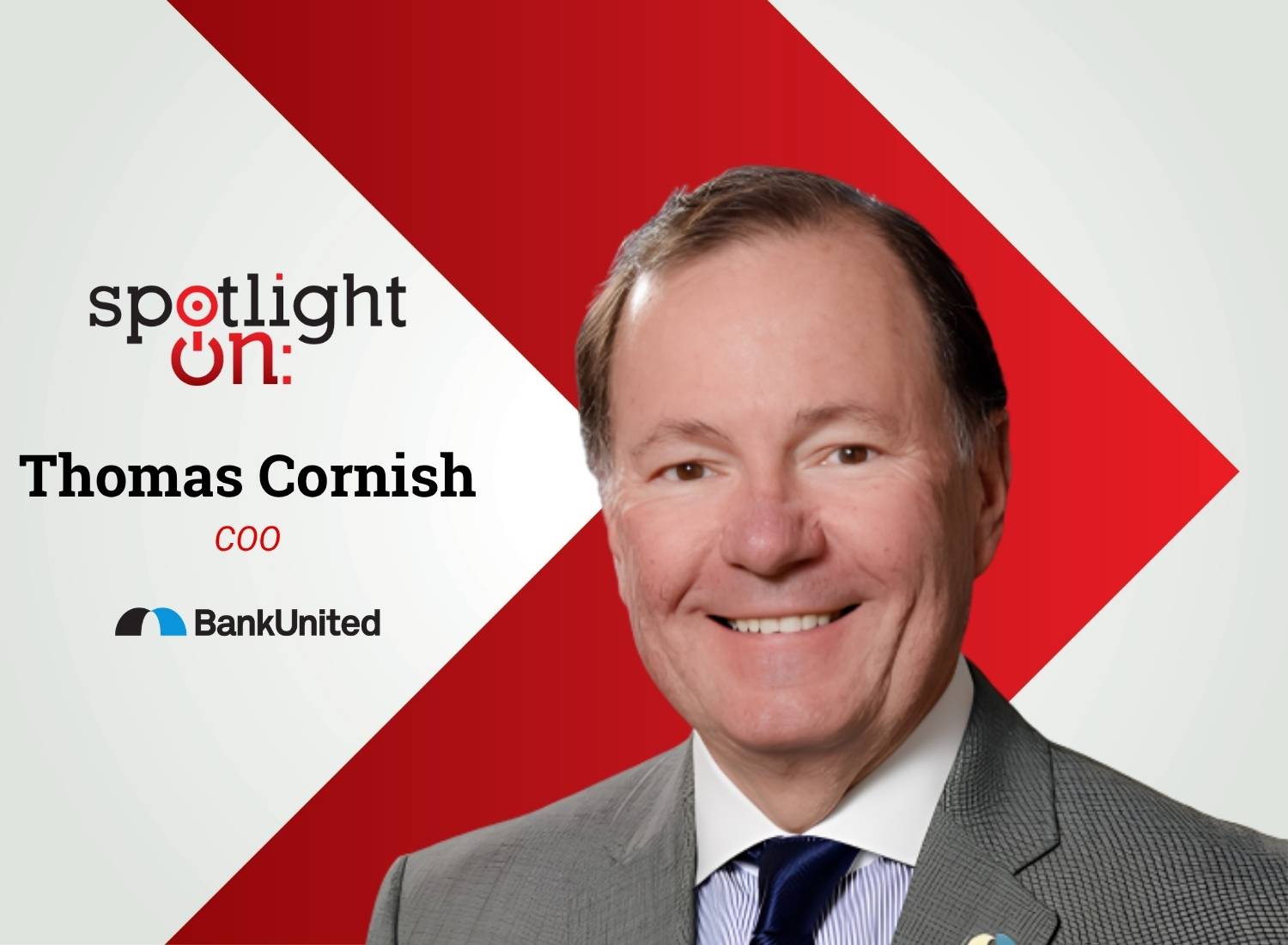 June 2026 — Invest: spoke with Thomas Cornish, chief operating officer of BankUnited, about the bank’s growth strategy across Florida, the competitive dynamics shaping the state’s banking sector, and how technology is changing both operations and client expectations. “The quality of the people you have who operate with clients, both internally within the company and externally in the marketplace, generally is where you win or lose,” Cornish said.
Join us at caa’s upcoming leadership summits! These premier events bring together hundreds of public and private sector leaders to discuss the challenges and opportunities for businesses and investors. Find the next summit in a city near you!
What have been the key milestones and strategic developments for BankUnited in Florida over the past year?
Over the last 12 months, our focus in Florida has been on expanding investments in people across key growth markets. We recently opened a new corporate banking and commercial real estate office in downtown Tampa, relocated teams, and hired new talent there. We have a high degree of confidence that Tampa will remain a strong growth market and an attractive place to do business over the next five to 10 years.
We have also added to our team in Jacksonville, a market we like a great deal. Jacksonville has been a quiet story, but it has registered impressive economic growth over the past five years, particularly in employment. The region has done a good job attracting new companies and strengthening sectors like healthcare, manufacturing, and financial services. The port and airport continue to be major economic drivers, and we have a substantial client base tied to that activity.
Compared with South Florida, Jacksonville still offers a lower cost of living, which supports continued growth. We have been in the market for about 10 years and are looking to expand further.
South Florida remains a major driver of growth. Since COVID, Miami and the surrounding areas have become magnets for private equity, hedge funds, and global companies. Miami, Fort Lauderdale, and Palm Beach have all seen significant growth, with Miami experiencing it most visibly.
We also see strong momentum in Orlando. While tourism is a key component, it is also becoming a central distribution hub. The Orlando-Tampa corridor is increasingly attractive for logistics and distribution companies, and that trend continues to build.
From a national perspective, Florida and Texas are the two places banks want to be. These markets benefit from business-friendly environments, population growth, and strong economic activity. We are investing in Dallas and opening a new office in Charlotte, and we are not alone. Banks across the country are focusing on the South and Southwest as key growth regions.
How have you enhanced efficiency across the organization while supporting growth and expansion?
Efficiency today is closely tied to technology. There is no business that can operate without a strong technology strategy. The use of AI and other tools has significantly improved productivity. Tasks like credit analysis that used to take hours can now be completed in minutes.
Because we operate a number of niche businesses, there is no single approach. Each segment adopts technology based on its specific needs. That flexibility allows us to apply AI where it is most effective.
The second major factor is remote work. We now have more flexibility in how we staff operations. We are no longer required to place all support functions in a single location. This allows us to allocate resources more efficiently and align talent with specific needs, regardless of geography.
For example, analysts in one market can support opportunities in another. That level of flexibility helps us better match talent to workload and reduces inefficiencies that come from purely geographic staffing models.
This shift also impacts physical space. We are redesigning offices to reflect new work patterns, with fewer private offices and more collaborative and flexible spaces. Employees who come in a few days a week can use shared workspaces rather than fixed offices. The overall footprint is becoming more efficient.
Have you seen digital transformation evolve alongside client expectations and generational shifts?
The level of digital expectation often depends on the size of the business and the generation of its leadership. Small, owner-led businesses tend to want fully digital banking solutions. They are used to managing their lives through mobile apps and expect the same for their businesses. There is very little distinction between personal and business financial tools at that level.
Larger businesses, especially public companies, have more complex requirements. They need audit controls, regulatory compliance, and separation of duties. While they want digital capabilities, they also need structured processes that align with those requirements.
What we see is a clear shift toward digital, but not a complete replacement of traditional channels. Clients want flexibility. They want to choose how they interact based on the type of transaction.
If something is transactional, it should be digital and efficient. If it is strategic, it typically requires in-person interaction. Sending a payment should be done through an app. Discussing a major financing decision is something clients still prefer to do face-to-face.
As you move upmarket, the need for personal interaction increases, even as digital capabilities remain important. The key is offering both.
Looking ahead three to five years, what are BankUnited’s top priorities, and how do you see Florida’s banking landscape evolving?
Florida will continue to become more competitive. More banks are entering the market, and existing players are expanding their presence. Attractive markets do not stay undiscovered, and Florida is clearly one of the most attractive.
At the same time, we expect Florida to continue growing at a pace above the national average. The combination of population growth, business-friendly policies, and economic momentum supports that outlook.
For us, the priority is focus. At our size, we have to be selective about where we compete and where we can win. That means choosing the right markets and business segments and committing resources accordingly.
Another key priority is talent. We have built a strong team by creating a more entrepreneurial and less bureaucratic environment. We need to continue attracting and retaining high-quality people.
The quality of the people you have who operate with clients, both internally within the company and externally in the marketplace, generally is where you win or lose. Products and technology are often similar across banks. The real differentiation comes from people and how they serve clients.
Success ultimately comes down to making the right strategic decisions and having the right team in place to execute them.
Want more? Read the Invest: Jacksonville report.