Tampa Bay business news today: Fintech hub takes shape
Key points:
- • Tampa Bay emerges as a dynamic Southeast finance hub outside of Miami.
- • Raymond James Financial, with a record $12.82B in net revenues, anchors the ecosystem.
- • Tampa Bay Chamber highlights major regional worker inflows.
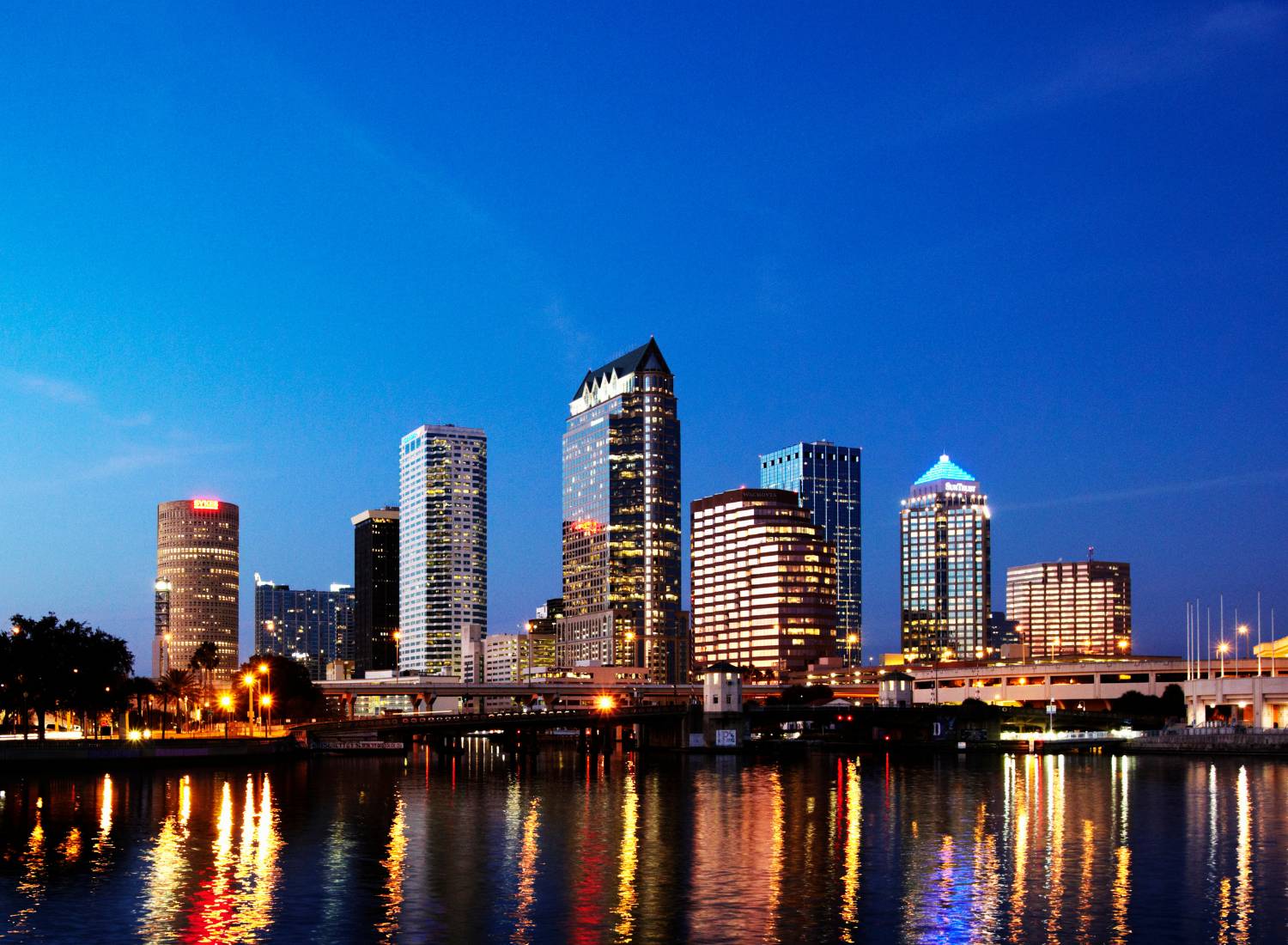 June 2026 — Tampa Bay business news today is being written in the offices of wealth management firms, fintech startups, and global banks that have chosen the region as the destination for their next chapter of growth — cementing Tampa Bay’s emergence as the Southeast’s most dynamic financial services market outside of Miami.
Join us at caa’s upcoming leadership summits! These premier events bring together hundreds of public and private sector leaders to discuss the challenges and opportunities for businesses and investors. Find the next summit in a city near you!
Building the financial hub
Tampa Bay’s financial services sector is larger, more diverse, and more strategically important to the regional economy than most national observers recognize. According to the Tampa Bay Chamber, the organization rebranded from its legacy “Greater Tampa” name to better champion regional economic growth. Raymond James Financial, headquartered on the St. Petersburg waterfront, anchors the ecosystem with a record $12.82 billion in net revenues for fiscal year 2024 (the latest figure available), placing it among the top full-service wealth management firms in the United States by revenue.
The corporate anchor of Raymond James has catalyzed a broader financial services ecosystem that extends well beyond wealth management. Citigroup operates a major hub at its Citibank Center Tampa campus, which was custom-designed to accommodate approximately 2,500 professionals across operations, technology, and risk management functions.
Fintech accelerates the shift
The most compelling new dimension of financial services is the emergence of a credible fintech cluster building on the region’s established corporate infrastructure. The region’s universities — particularly the University of South Florida and the University of Tampa — have responded by expanding data science, quantitative finance, and financial technology programs to meet measurable and sustained employer demand.
The commercial real estate market is reflecting the shift. According to Cushman & Wakefield’s Marketbeat reports, class-A asking rents in the Westshore submarket have firmed averages tracking over $40 per square foot, remaining highly competitive compared to surging prime space in Miami. This helps sustain the cost argument that has driven relocation decisions by firms accustomed to New York or Chicago pricing.
The workforce story is equally important. Tampa Bay has become a preferred destination for financial professionals exiting high-cost Northeastern markets, drawn by Florida’s zero state income tax, an improving quality-of-life infrastructure that now includes professional sports franchises, an international airport with expanding direct route service, and a housing market that remains accessible relative to Miami or Naples.
Tampa Bay’s financial services cluster remains highly concentrated in a relatively small set of major employers, and the region lacks the venture capital density needed to sustain a true independent fintech innovation ecosystem comparable to New York, Chicago, or San San Francisco. Building that investor infrastructure — through regional fund formation, accelerator programs, and the kind of serial founder community that emerges from successful exit cycles — will be the defining project for Tampa Bay’s next phase of financial services development.
Executives and investors monitoring the Southeast financial services landscape should watch two near-term signals. The pace of Westshore office absorption will indicate whether the current corporate expansion cycle is sustainable or whether the market is approaching the natural ceiling of available talent and space. And the outcome of several large pending fintech Series B and C fundraises by Tampa Bay-based companies will signal whether the region can develop the financial technology exit track record needed to attract the follow-on capital that transforms a regional cluster into a nationally recognized hub.
The fundamentals are in place — the next cycle of growth will depend on execution. Tampa Bay business news today leaves little doubt that the trajectory is pointing upward.
Want more? Read the Invest: Tampa Bay report.