
Pittsburgh’s robotics edge runs into a scaling problem
Key points:
- • Pittsburgh’s robotics and AI now count more than 250 companies and 11,300-plus jobs.
- • The region is producing breakout companies in the deep tech space.
- • Thin local venture capital and a low startup-exit rate are Pittsburgh’s hurdles to overcome.
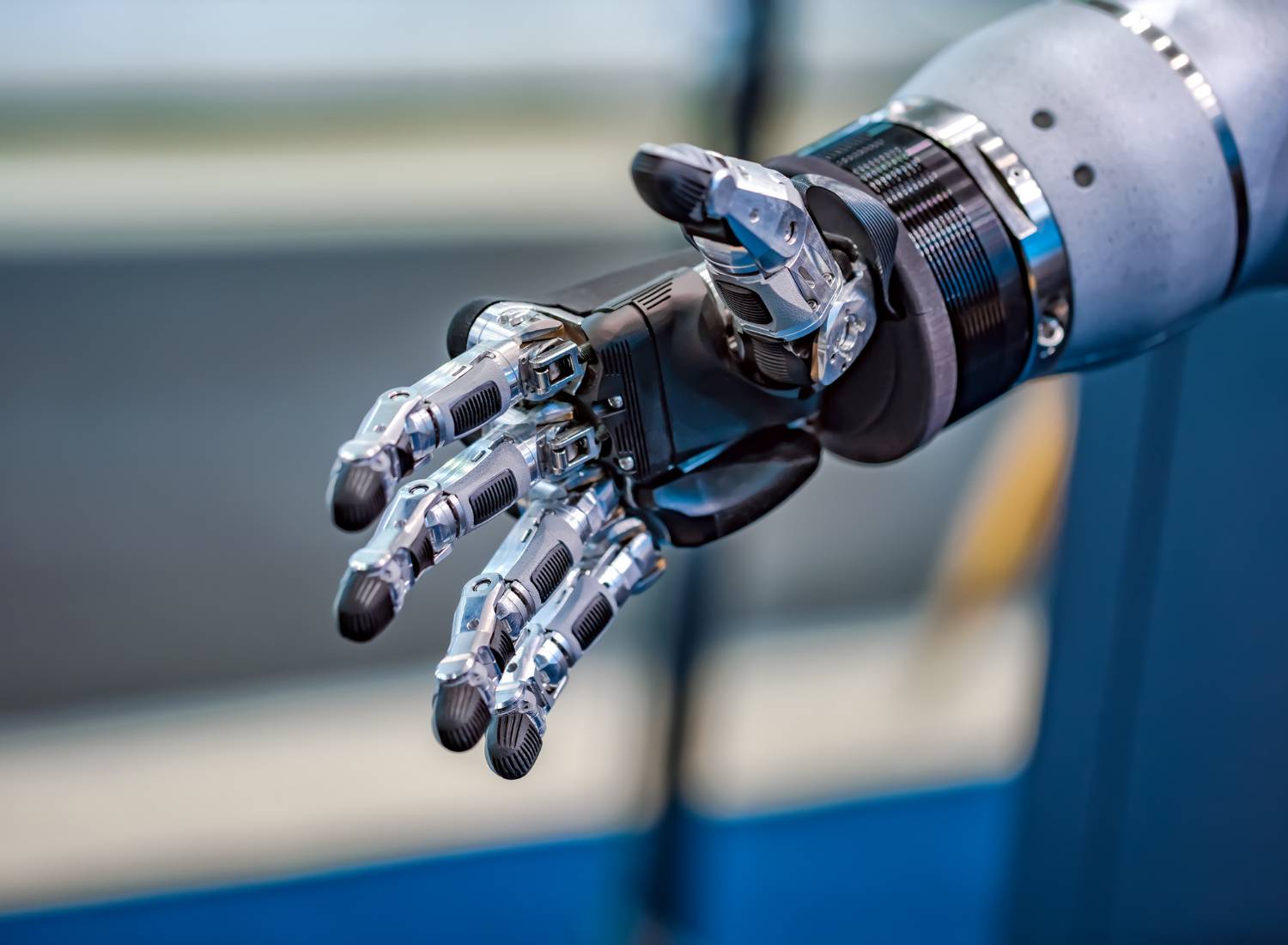 July 2026 — Pittsburgh is already a proven leader in robotics and physical AI, driven by elite research and deep talent. The tech is there, but the region faces one major hurdle in securing the capital needed to scale these local innovations into global businesses.
Join us at caa’s upcoming leadership summits! These premier events bring together hundreds of public and private sector leaders to discuss the challenges and opportunities for businesses and investors. Find the next summit in a city near you!
Carnegie Mellon University’s Robotics Innovation Center opened earlier this year as a 150,000-square-foot testing hub for robots built to operate on land, water, air, and space, giving the Pittsburgh robotics hub new visibility for physical AI investment.
“The Robotics Innovation Center is a project driven by meaningful community collaboration and Carnegie Mellon University’s record of innovation excellence,” Allegheny County Executive Sara Innamorato said, as cited by CMU. “I’m excited by the economic opportunities it’s poised to bring to residents and the region — and especially to the community of Greater Hazelwood.”
A dense cluster
More than 250 robotics, autonomy, and AI companies now operate across the Pittsburgh region, anchored by names including Carnegie Robotics and Skild AI. According to Pittsburgh Robotics Network, that ecosystem employs over 11,300 people and draws more than $9.8 billion in cumulative investment. Robotics Row, the corridor running from the Strip District to Lawrenceville, houses much of that activity and rivals other hubs across the United States.
The region’s physical infrastructure reinforces the pitch. The Regional Industrial Development Corporation redeveloped the historic Mill 19 in 2019 inside the shell of a former steel mill in Hazelwood, now home to the ARM Institute, which has funded more than 120 robotics projects across a network of 400-plus member organizations spanning industry, government, and academia.
The city’s affordability is also emerging as a competitive advantage. Speaking at an AI pitch competition in April, serial entrepreneur and former Shark Tank investor Mark Cuban argued that Pittsburgh offers founders an unusually favorable environment to build companies.
“As an entrepreneur, you always look for a way that you can survive as long as possible. Pittsburgh is like, literally one of the most affordable cities in the country, and you combine that with having such a great education base and what’s going on here with seeing AI and robotics, it’s harder to fail here than any other city,” said Cuban, as cited by Pittsburgh Business Times. “If you’re looking at Silicon Valley or New York, the cost structures there are ridiculous.”
Deals and departures
Astrobotic, a Carnegie Mellon spinoff that builds lunar landers, has secured more than $600 million in contracts since 2007 and now employs over 230 people; its Griffin lunar mission is slated to launch later this year. Gecko Robotics, which builds infrastructure-inspection robots, reached a $1.25 billion valuation in June 2025. At the GeoAI and Robotics Summit, Pittsburgh Director of Economic Development Steve Wray said geospatial sensing is becoming inseparable from robotics as machines move into uncontrolled, real-world job sites. “As robotics become more a part of our daily life, the technology will be more important as we move on,” Wray said.
But the ecosystem’s capital base remains thin relative to its output. Pittsburgh-based startups raised about $1.5 billion in venture funding last year, yet regional firms supplied only $23 million of it — down from $140 million a decade ago — and just 10 companies exited the startup phase in 2025, according to a Pittsburgh Media Partnership analysis of Ernst & Young and Innovation Works data. In the latest edition of Invest: Pittsburgh, Pittsburgh Robotics Network Executive Director Jennifer Apicella pointed to breaking down those barriers.
“Trying to get the finance community to understand what is a risky investment and what is a good investment is critical so these companies can grow to meet the demand in the market,” Apicella told Invest:. “It is important for companies to understand that there is risk in some of these adoption exercises, but you can de-risk that through more efficient commercialization pathways.”
Workforce as strategy
The federal Build Back Better Regional Challenge awarded the region $62.7 million to accelerate robotics adoption and workforce training, according to Pittsburgh Regional Alliance data, funding that flows through partners including the ARM Institute’s Robotics Manufacturing Hub, which offers free automation assessments to small and mid-sized manufacturers across 11 Pennsylvania counties. Executives weighing a Pittsburgh footprint should watch whether that training pipeline, paired with new lab capacity at the Robotics Innovation Center, converts research output into more homegrown scale-ups — or whether the Pittsburgh robotics hub keeps exporting its biggest breakthroughs to better-capitalized markets.
“Pittsburgh is a place where we’re not just designing robots, we’re actually putting them to work. Our training in both AI and robotics is setting our citizens up for the future. There’s nothing that can stop Pittsburgh from being in that leading force,” said Wray.
Want more? Read the Invest: Pittsburgh report.