

Face off: Healthcare affordability in San Antonio meets a growth test
Key points:
- • Healthcare affordability in San Antonio faces mounting cost and capacity pressures as rapid population growth strains providers and insurers alike.
- • Texas ACA effectuated enrollment fell 4% in February 2026 after enhanced federal premium tax credits expired.
- • Behavioral health, virtual care, and community partnerships are becoming central to closing access gaps across South Texas.
 August 2026 — Rapid population growth and rising healthcare costs are reshaping South Texas healthcare, increasing pressure on physician and hospital capacity. Insurers are responding by expanding investments in employer cost management, provider access, and member engagement while working to keep coverage affordable.
Join us at caa’s upcoming leadership summits! These premier events bring together hundreds of public and private sector leaders to discuss the challenges and opportunities for businesses and investors. Find the next summit in a city near you!
The pressure is showing up nationally first. Employer-sponsored family health insurance premiums averaged $26,993 in 2025, up 6% from the prior year, according to the KFF Employer Health Benefits Survey. Texas’ effectuated ACA enrollment increased through much of 2025 before easing late in the year. By February 2026, enrollment had fallen 4% year over year to 3.28 million, marking the state’s first annual decline since 2019 after enhanced federal premium tax credits expired, according to CMS data. Nearly 900,000 Texans who selected an ACA Marketplace plan during the 2026 open enrollment period had not effectuated their coverage by February.
Rapid population growth compounds the problem. The metro area sits inside one of the fastest-expanding regions in the country, according to U.S. Census Bureau population estimates released in March 2026, with San Antonio ranked among the nation’s 10 fastest-growing metro areas by numeric population growth between 2024 and 2025. Nearly two-thirds of Texas adults skipped or postponed care due to cost over the past year, according to the Episcopal Health Foundation’s Texas Health Tracking Survey.
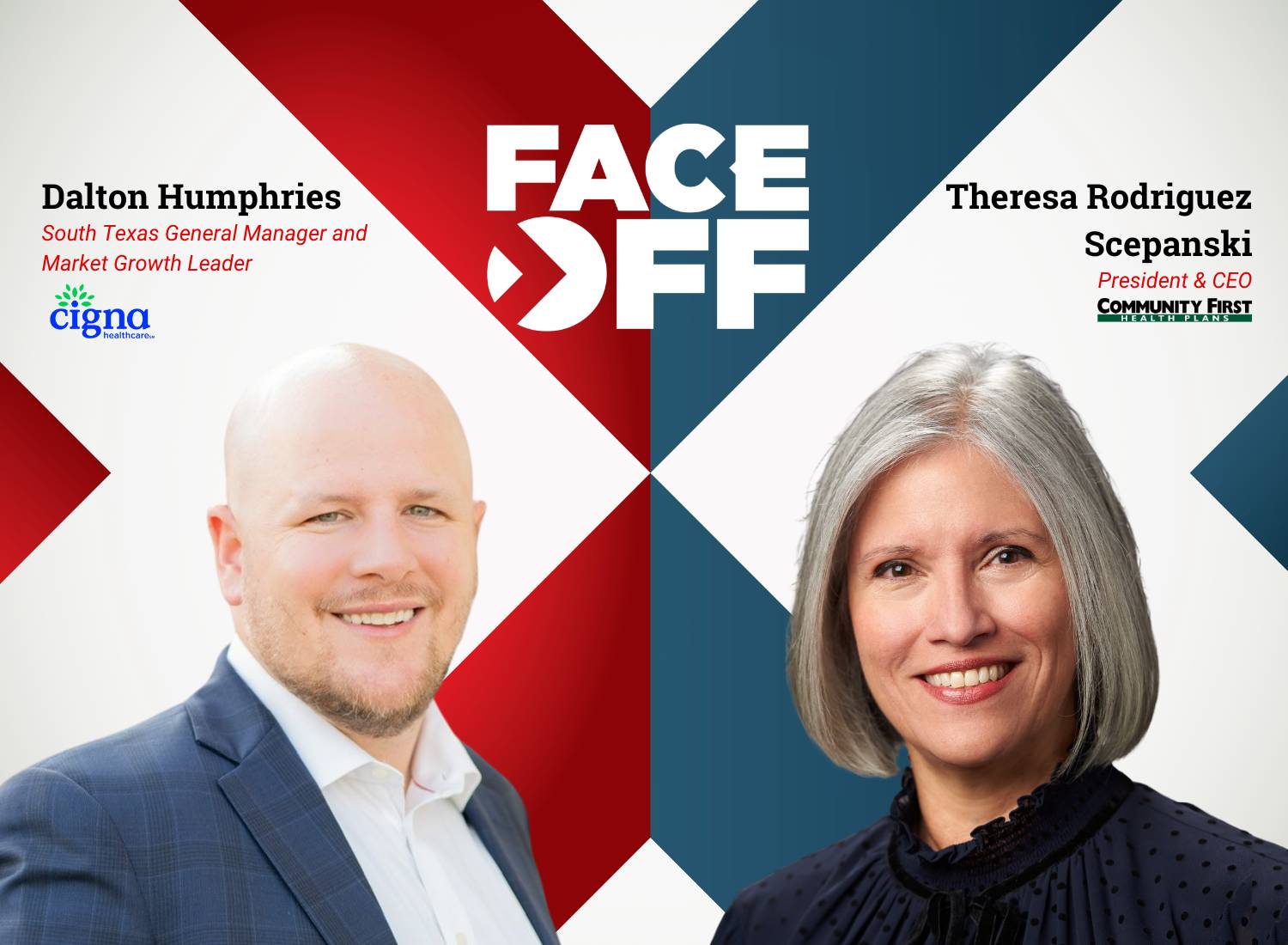
To better understand how these trends are reshaping healthcare affordability in South Texas, Invest: spoke with Dalton Humphries, South Texas general manager and market growth leader at Cigna Healthcare, and Theresa Rodriguez Scepanski, president and CEO of Community First Health Plans, about cost pressures, access to care, and strategies for improving member outcomes.
READ MORE: Healthcare trends driving transformation in 2026
What is driving the affordability conversation with employers and members today?
 Dalton Humphries: Cost is the No. 1 concern for the employers we work with and for the members we serve. At Cigna, our goal is to provide access to high-quality physicians, improve understanding of benefits, and simplify access to care. Alongside high-quality physician access, we focus on sustainable whole-person health. Our ultimate goal is to help individuals become the healthiest version of themselves, whatever that may look like for a particular individual. Employers are no longer only asking about pricing. They are asking how we will help control costs year over year.
 Theresa Rodriguez Scepanski: A key challenge identified in the community is the complexity of navigating healthcare. For many individuals, particularly those managing chronic conditions, understanding how to access services, coordinate care, and utilize benefits can be overwhelming. As a local, not-for-profit managed care organization, Community First Health Plans is able to approach rising healthcare costs differently. Our focus is on keeping coverage as affordable as possible for the community. This allows us to reinvest directly into services, support, and access to care, helping members and their families navigate costs while still receiving the care they need.
Where are you finding the biggest access gaps?
Humphries: Workforce shortages are one of our greatest concerns, particularly shortages among primary care physicians and first-line specialists such as OB-GYNs and pediatricians. Our members need relationships with primary care physicians. Without those relationships, conditions may be identified too late, which affects outcomes and increases costs. One of the ways we are addressing this challenge is through our full suite of virtual solutions. Through MDLIVE, members can establish ongoing relationships with primary care providers, access laboratory services, and maintain continuity of care virtually.
Scepanski: In San Antonio, we are seeing a different trend compared to other markets. Several plans offering Marketplace and Medicare coverage have exited the market due to shifting strategic priorities. This shift has created an opportunity for Community First Health Plans to expand its membership, particularly in the Marketplace, as we continue to provide locally focused, accessible coverage options. However, gaps remain for individuals who are uninsured. Many qualify for coverage but lack the information needed to enroll and navigate their benefits. Addressing this education gap is critical to ensuring individuals can access healthcare services and achieve better outcomes.
How is behavioral health factoring into your strategy?
Humphries: Mental health plays an important role in overall health. If you look at chronic conditions across the United States, many include a behavioral health component. At Cigna, we put behavioral health front and center. We have a robust behavioral health network that enables individuals to access treatment programs and connect with case managers when diagnosed with chronic or complex conditions. We have also layered in services such as 24/7 crisis care because behavioral health needs are not always tied to a scheduled appointment. Sometimes support is needed immediately, and we want to help members navigate to the right resources and care.
Scepanski: Community partnerships are critical to improving healthcare outcomes. We work closely with nonprofit and community-based organizations across San Antonio to address needs such as food security, housing, transportation, and maternal support. Many of our members have needs that go beyond healthcare coverage. Our role is to help connect them with trusted community partners who can provide additional resources, ensuring a more holistic approach to care.
Want more? Read the Invest: San Antonio report.