
Texas City economic development bets on housing and retail
Key points:
- • Texas City has welcomed 15 residential developments into its planning pipeline over recent years, according to economic development director Kristin Edwards.
- • Retail recruitment, downtown investment and a business accelerator are central to the city’s growth strategy.
- • Workforce training, expanded public services and potential new water supplies will help shape how the city accommodates growth.
 November 2026 — Texas City is betting that more rooftops can help broaden an economy anchored by industry.
Join us at caa’s upcoming leadership summits! These premier events bring together hundreds of public and private sector leaders to discuss the challenges and opportunities for businesses and investors. Find the next summit in a city near you!
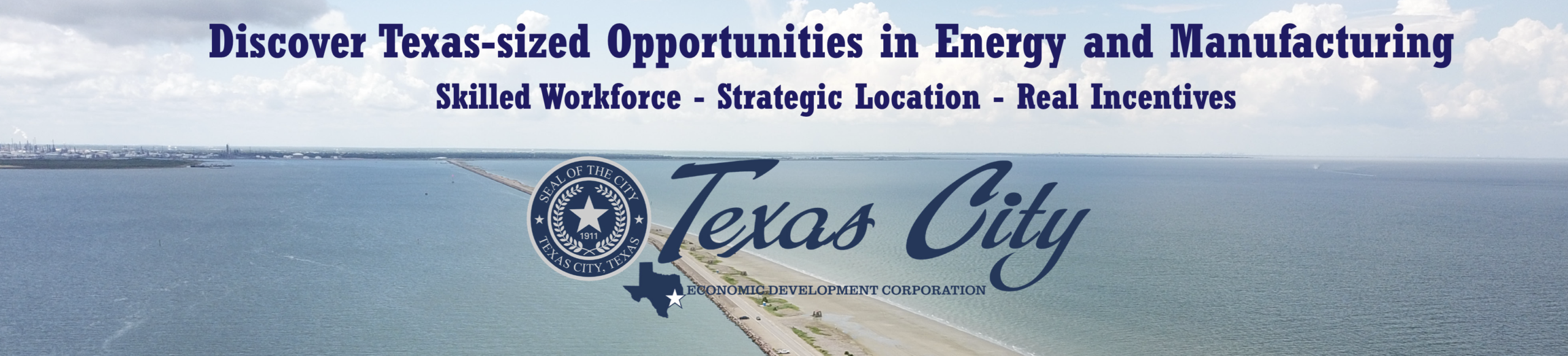
The Gulf Coast city has welcomed 15 residential developments into its engineering and planning pipeline over the past few years, according to Kristin Edwards, its economic development director. The goal is to expand the property tax base and attract businesses that give residents more reasons to shop and dine locally.
Population growth gives that strategy a foundation. Texas City had an estimated 59,733 residents in July 2025, up 15.2% from the U.S. Census Bureau’s April 2020 estimates base. The question is how much of that growth the city can convert into sustained commercial activity.
For Texas City economic development officials, the challenge extends beyond attracting builders. Housing must translate into occupied homes, retail demand, and revenue to help support the services a larger population requires.
Turning residents into customers
“Retail follows rooftops, but it is important to ensure the retail coming in aligns with the community’s goals and gap analyses,” Edwards said in an interview with Invest: Houston.
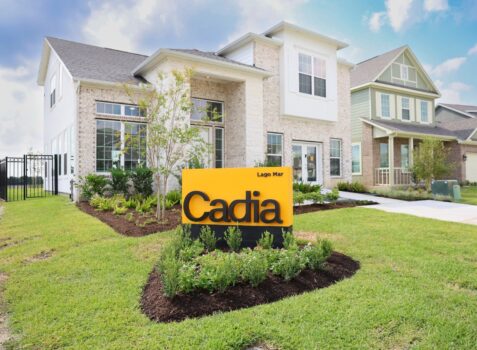
Edwards and her staff have been recruiting restaurants, boutiques and music-related businesses. Two developments along I-45, Lago Mar and Beacon Point, are central to that effort. She expects both to be completed or nearing completion within three to five years, bringing opportunities to serve residents and draw travelers off the interstate.
Industry continues expanding
The push for housing and retail comes alongside further investment in the industrial economy.
Marathon Petroleum’s third-quarter 2026 earnings release lists two MPLX fractionation facilities near its Galveston Bay refinery, each with a capacity of 150,000 barrels per day. The facilities, which separate natural gas liquids into individual products, are expected to enter service in 2028 and 2029. The filing also lists a planned 400,000-barrel-per-day liquefied petroleum gas export terminal at the Port of Texas City, with service expected in 2028.
Edwards also points to the proposed Galveston LNG Bunker Port at Shoal Point, intended to supply liquefied natural gas as marine fuel, including for cruise ships operating out of Galveston.
For the city, industrial expansion and residential development serve different purposes. Energy projects add productive capacity and potential employment. Housing and retail can broaden the sources of local economic activity. Whether they materially change the city’s revenue mix will depend on their scale and the public costs associated with growth.
Building a workforce nearby
Regional shipbuilding investment adds another reason to strengthen training programs.
In June 2026, a groundbreaking ceremony marked a $1 billion modernization project covering Davie Defense’s facilities in Galveston and Port Arthur, according to the Texas governor’s office. The investment creates a regional opportunity for workforce development. Edwards said the project helped shape the Pipelines Initiative, a partnership involving the Texas City Economic Development Corporation (EDC), the Texas City-La Marque Chamber of Commerce, school districts, employers, nonprofits, and the Texas Workforce Commission.
The initiative aims to make the connection between classroom choices and industrial careers clearer. Texas City Independent School District’s Industrial Trades Center provides instruction in welding, safety, and firefighting, with support from industry partners.
A downtown investment seeks a return
Downtown, the city is pursuing growth through smaller businesses and public investment.
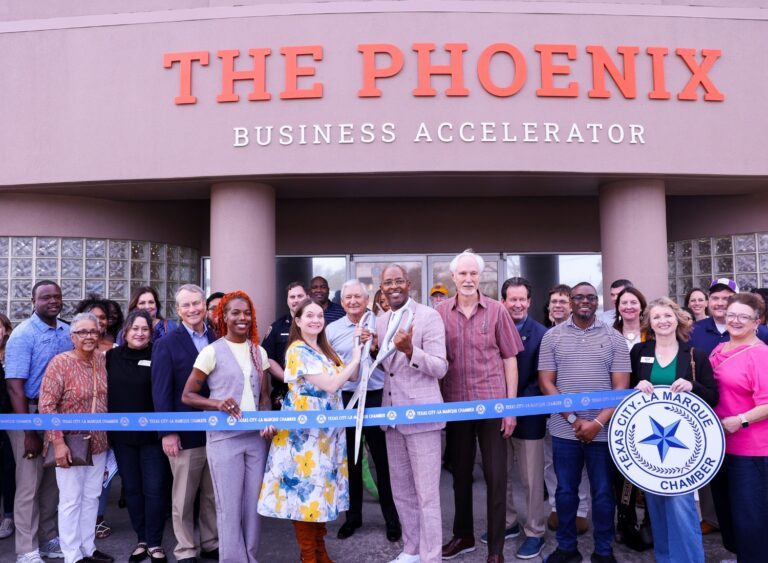
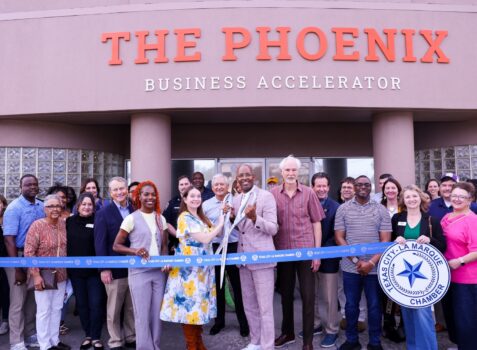
The EDC funded a $7 million community plaza that opened in September 2025, Edwards said. The Phoenix Business Accelerator on Sixth Street has welcomed several clients and offers support intended to help entrepreneurs establish and expand businesses locally.
The commercial test will extend beyond attendance at plaza events. New storefronts, sustained customer traffic, and businesses that remain downtown would provide stronger evidence that public investment is supporting lasting activity.
The housing strategy also must account for existing residents. Texas City’s 2025–2029 Consolidated Plan identifies affordable rentals, preservation of older homes and assistance for households facing housing cost burdens as pressing needs. New subdivisions address only part of that picture.
Growth carries costs
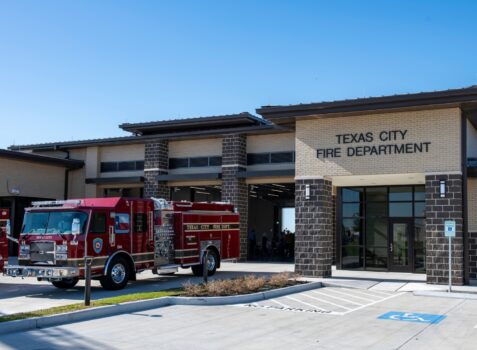
A larger population will require additional public services. Edwards said the city plans to add fire station No. 5 near Mainland City Centre and anticipates further fire and police facilities as residential development progresses.
Water supply is another consideration. EPCOR’s proposed Bayshore Desalination Facility would produce approximately 26.5 million gallons of drinking water per day, according to the company. The Texas Commission on Environmental Quality completed its technical review and prepared a draft discharge permit, and a public meeting took place Nov. 10.
Texas City’s growth strategy will ultimately be measured by what follows the announcements: occupied homes, operating businesses, and revenue that helps cover expanded services. Population growth has enlarged the potential customer base. Turning those residents into a more diversified local economy is the work ahead.
Images provided by Texas City
Want more? Read the Invest: Houston report.