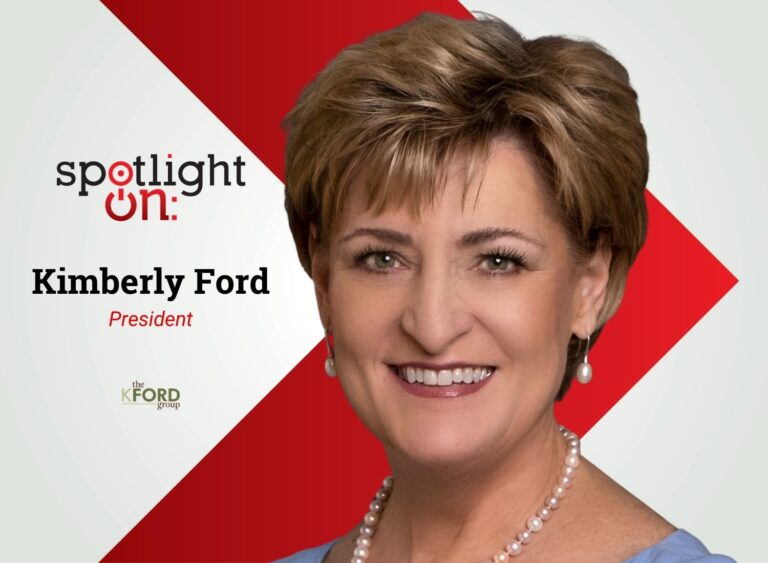

Adrienne Cole, President & CEO, Greater Raleigh Chamber of Commerce
 Adrienne Cole, president and CEO of the Greater Raleigh Chamber of Commerce, sat down with Invest: to discuss the Triangle’s economic momentum, workforce development, infrastructure priorities, and collaborative culture. “In the Triangle region, we engage in the concept of radical collaboration. It is fundamental to everything we do,” Cole said.
What major changes in economic development activity or business demand have most shaped the Triangle over the past year?
Our project pipeline remains strong. We typically work on 40 to 50 active economic development projects at any given time. There are still a fair number of life sciences projects, including biomanufacturing and biotechnology, as well as advanced manufacturing and cleantech.
We have also seen some office projects again, which has been encouraging.
One thing that has been building over time is the infrastructure demand associated with these projects. Whether it is life sciences or advanced manufacturing, we are seeing more significant energy needs than we have experienced in the past. We are working closely with partners like Duke Energy to meet those needs as companies move into the market and continue to grow and scale here.
It is not unusual for companies in this market to make an initial announcement and then move into expansion more quickly than they had originally intended. That is a positive sign because it means they are accessing the talent they need and are in an environment where they can grow.
What do these investment projects signal about the region’s competitive position nationally?
One important point about the Triangle is that we are a diverse market from a project perspective. We have a lot of industries represented here, and we are not reliant on one industry sector.
We are strong in life sciences broadly, including biotechnology, biomanufacturing, research and development, clinical research organizations, venture capital, and startups. We are also strong in information technology, data analytics, and AI, and we have professional services to support those companies. Advanced manufacturing also continues to grow here.
There is also a lot of cross-pollination between sectors. We may have a life sciences company that has its global data group here. It identifies as a life sciences company, but it also has a significant technology presence. That convergence is unique to our market and gives us an edge in global competition.
We are also attracting companies from across the country and around the world. We continue to see strong foreign direct investment activity from companies looking to establish a presence in the United States.
What are employers telling you about workforce challenges and opportunities?
We have a strong workforce and talent pipeline. That includes our K-12 schools, both public and private, as well as our college and university infrastructure, including Duke University, the University of North Carolina at Chapel Hill, and NC State University, along with Wake Tech and other community colleges in our region.
We also recruit talent from other parts of the country because this is a place where people want to live. There is a high quality of life, strong schools, and a lot of job opportunities.
The challenge is the speed of change. Companies are trying to understand how they can use AI to drive efficiency and productivity.
The question becomes how businesses integrate AI effectively while ensuring employees are prepared to use those tools. From a workforce-readiness perspective, we need to continue adapting quickly to support those changing needs.
How is the Chamber supporting small and midsized businesses?
We serve businesses ranging from one- and two-person businesses and microbusinesses to the largest employers in the market, so their needs can vary significantly.
Our work is always about identifying challenges and bringing in resources to help address them. We leverage our broader membership network to make connections. For example, if a small business has a banking issue, we can connect them with banking resources.
What role does regional collaboration play in maintaining momentum across the Triangle?
In the Triangle region, we engage in the concept of radical collaboration. It is fundamental to everything we do.
At the chamber, we prioritize bringing together the business community, academic institutions, elected leaders, appointed leaders, and nonprofits to move projects forward and address challenges collectively.
We organize regular meetings that help build relationships and trust among those groups. That foundation of trust makes collaboration more effective when major issues arise.
The concept of radical collaboration is something that we value. It is not new to the Triangle. It has been part of this region’s identity for a long time, whether we are addressing transportation, housing, infrastructure, education, or economic development projects.
What infrastructure investments are needed to support continued growth?
North Carolina is the third-fastest-growing state in the country, and the Triangle is one of the fastest-growing regions in the country. We have to be thoughtful about how we keep up with the growth.
We have been in conversations at the local and state levels about additional funding tools for transportation and the ability for local communities to expedite projects.
It is also important that we collaborate regionally on water and sewer needs so communities can support residential, commercial, and industrial growth. That means understanding capacity, coordinating expansions, and working together across municipal and county boundaries.
We have long been a community that has been willing to invest in itself through bond referendums supporting schools, transportation, housing, parks, and greenways. These investments, both in the built environment and in human infrastructure to support things like housing and childcare, will be important.
What are the chamber’s top priorities in the coming years?
We want to continue to be strong in economic development, transportation and mobility, business-friendly policies, member support, leadership development, and marketing the region nationally and internationally.
Transportation includes not only roads, but also bus rapid transit, air service, and supporting the continued growth of Raleigh-Durham International Airport.
We are nonpartisan. We do not endorse candidates, but we do have a policy agenda driven by the needs of the business community. Continuing to support sound policy that helps businesses thrive is important.
We also do leadership programming through initiatives such as the Women’s Leadership Conference, Emerging Leaders, and Leadership Raleigh. Developing future leaders will continue to be an important part of what we do.
We want to sustain an environment where businesses, families, and talent can thrive now and 50 years into the future. We have a lot of positive things happening, but we cannot become complacent.
What factors are shaping the Triangle’s quality of life as the region grows?
The Triangle’s growth story is not just about business and economic development. It is also about quality of life, arts and culture, sports, entertainment, and community.
We are seeing exciting developments throughout Raleigh and Wake County.
People love living here. When you love a place, you want to invest in it, care for it, and help it continue to thrive.