

Boston’s top universities brace for NIH budget reductions
Writer: Mariana Hernández
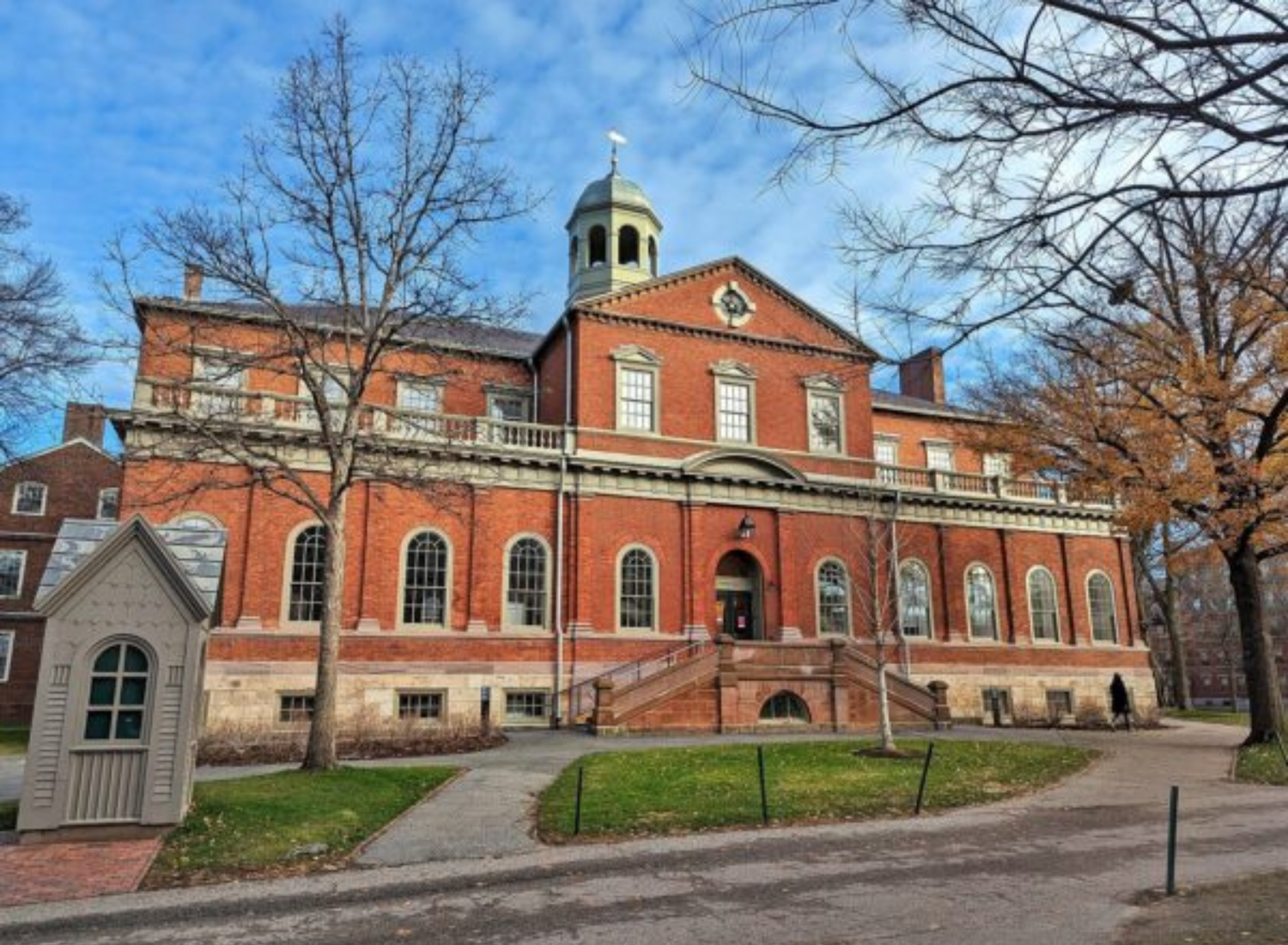
April 2025 — Home to some of the top universities in the world, Boston is considered a national hub for higher education. In addition to shaping the global workforce, the city’s institutions drive groundbreaking research across fields ranging from engineering to life sciences. However, recent federal funding cuts could have a sizable impact on research and innovation in Massachusetts and beyond.
Harvard University and the Massachusetts Institute of Technology (MIT) instituted temporary hiring freezes last month, citing uncertainty over pending National Institutes of Health (NIH) funding. In 2024, the universities received more than $500 million combined.
Alongside the hiring freeze, MIT is planning a 5% to 10% reduction in academic and administrative units. Boston University has also signaled the beginning of a challenging financial season, aiming to minimize the impact of projected shortfalls.
These cuts are expected to affect not only academic research but also the broader Boston economy. Harvard and MIT rank among the state’s largest employers — fifth and ninth, respectively.
The federal government expects to save up to $4 billion annually through the 15% cut in total NIH funding. In 2024, Massachusetts received the third-highest NIH funding at $3.4 billion, and the highest on a per capita basis, at $485 per resident.
In February, the NIH issued guidance announcing a reduction in indirect cost rates, which include administrative and facilities expenses. According to the official guidance, those costs have traditionally accounted for 27% to 28% of total grant funding, with some institutions charging more than 50%.
The NIH justified the 15% cap by referencing maximum indirect cost rates set by private foundations. For example, the Bill & Melinda Gates Foundation caps indirect costs at 10% while the Rockefeller Foundation sets a maximum of 15%.
To help mitigate the impact of these cuts, UMass Amherst launched a new Research Continuity Emergency Matching Fund, aimed at supporting staff salaries and benefits, as well as student research-related expenses.
Despite these efforts, the U.S. Department of Health and Human Services released a detailed list in late March of 11 Massachusetts-based projects that have officially lost NIH support due to funding changes. Many of the eliminated projects were related to Covid-19, with officials stating such funding is no longer necessary as the pandemic is considered over. To date, $6.1 million in NIH funding has been cut from Massachusetts projects.
Massachusetts Gov. Maura Healey addressed the education and healthcare community in late Feb. at her annual Greater Boston Chamber of Commerce address. She emphasized that research is vital for universities and hospitals as well as the businesses that support and are supported by the life sciences industry. The state’s innovation economy has generated thousands of jobs and years’ worth of research that could be at risk going forward.
Top image via Daderot/Wikimedia
For more information, please visit:
https://www.mass.gov/
https://www.nih.gov/
https://web.mit.edu/
https://www.harvard.edu/
https://www.bu.edu/