
Charlotte region zeroes in on quality of life investment
Key points:
- • Across the Charlotte region, parks, greenways, and downtown redevelopment have become as central to corporate site selection as tax incentives.
- • Local leaders from Gastonia to SouthPark are funding hundreds of millions in public space and infrastructure specifically to win talent-dependent employers.
- • National data backs the strategy: every $1 spent on parks returns at least $3 in local economic benefit, and site consultants confirm quality of life increasingly tips office and headquarters decisions.
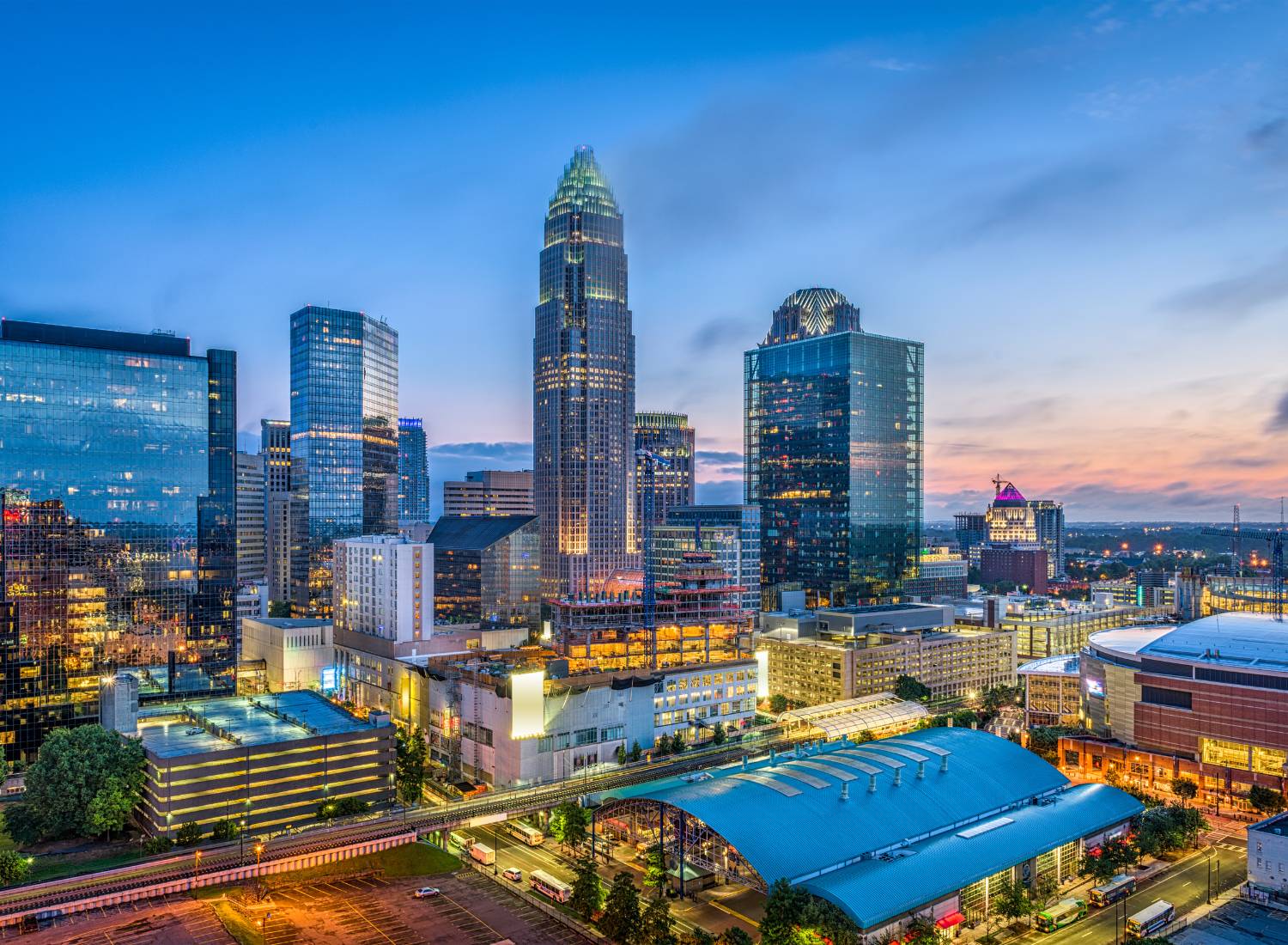 July 2026 — SouthPark Community Partners’ decision to move forward with the redevelopment of Symphony Park — even as costs rise and construction shifts into 2027 — illustrates how quality-of-life investments have become part of the economic development playbook. From parks and greenways to downtown districts and outdoor recreation, communities across the Charlotte region increasingly see placemaking as infrastructure that attracts employers, talent, and private investment.
Join us at the Invest: Charlotte 6th Edition Leadership Summit! This premier event brings together hundreds of Charlotte’s business and regional leaders to discuss the challenges and opportunities for businesses and investors. Buy your ticket now!
That bet has data behind it. Site consultants interviewed by Site Selection magazine say quality of life now carries a “commanding presence” in headquarters and office searches, particularly when a company needs to relocate staff from another market. It rarely decides a deal on its own. It increasingly decides which finalist wins.
The financial case has hardened, too. Trust for Public Land’s 2026 ParkScore report found that every $1 a city spends on parks and recreation returns at least $3 in annual economic benefit, through lower healthcare costs, reduced stormwater expense, higher property tax revenue, and stronger consumer spending. Nationally, local parks generate $201 billion in spending activity and 1.1 million jobs, according to the National Recreation and Park Association. In North Carolina specifically, outdoor recreation added $17.7 billion in value and 155,462 jobs in 2024, per the state’s Outdoor Economy Office.
Charlotte and its surrounding counties are acting on that math. Cities and counties across the metro are funding parks, greenways, and downtown districts not simply as amenities, but as economic development assets that complement traditional recruitment tools such as incentive packages, certified sites, and infrastructure investments. The quality of life investment now running through Gastonia, Rock Hill, Iredell County, Chester County, and SouthPark totals hundreds of millions of dollars in public and private capital, all aimed at the same goal: keeping talent in the region and pulling employers toward it.
Invest: spoke with regional business and community leaders about how that shift is influencing investment decisions and long-term growth.
 Adam Rhew, President & CEO, SouthPark Community Partners
We also have over $2 billion in development in the pipeline across retail, office, multifamily, and hospitality. That level of investment demonstrates how competitive and attractive SouthPark is for the long term. Public space is the infrastructure for human connection, and Symphony Park will be where people come together, collide in positive ways, and feel part of the district.
We’re leading a $21 million public-private partnership with Simon Property Group, the city of Charlotte, and other stakeholders, including TowneBank, which contributed a seven-figure commitment. When complete, it will be named TowneBank Symphony Park — a reflection of how the business community views this asset as much more than green space. It supports talent attraction, employee engagement, and deeper community connection.
 Wit Tuttell, Executive Director, Visit North Carolina
Tourism is truly the front porch of economic development. It creates that initial impression, whether for a potential resident, investor, or company exploring relocation. If someone wants to visit a place, it stands to reason they might also want to live or work there.
We do a great job showcasing our lifestyle and opportunities to those audiences. North Carolina has strong infrastructure, excellent schools, a community college system aligned with workforce needs, and robust support systems for business. Tourism helps attract talent and investment, which fuels broader economic growth.
What often surprises people is how green and natural our urban areas feel. Visitors to Raleigh and Charlotte frequently comment on how beautiful and lush they are. We’ve preserved that natural aesthetic even in our largest cities. It’s one of our strengths — blending strong business environments with an accessible, outdoorsy feel. Whether someone is visiting or considering relocation, they experience that same quality of life.
 Sally Sandy, City Manager, City of Morganton
Morganton, as the county seat and commercial and cultural center of the county, believes in investing in more than industry. We invest in arts and cultural amenities, recreational opportunities, and our downtown, which serves as a focal point for Morganton and Burke County. Creating that quality of life helps manufacturers, business leaders, and investors decide they want to locate here.
Downtown remains an important part of our economic development strategy. It supports businesses and residents, serves as an attraction for visitors, and helps define who we are as a community.
Morganton also has a long history of supporting recreation. We sit in a wonderful area of the state for outdoor recreation, and we have an extensive park and greenway system. Those amenities are a source of pride and an important part of our identity.
 Michael Peoples, City Manager, City of Gastonia
Gastonia plays an important role in supporting the broader Charlotte-Metro economy, especially as a place that contributes workforce, livability, and industrial capacity. On this side of the river, we are also focused on building our own assets and remaining as self-sustained as possible. We have natural assets, including access to rivers, mountains, parks, and greenways. We have strong healthcare anchors, such as CaroMont Health. That evolution has helped us attract global corporate citizens, including a strong European business presence in places such as Gastonia Technology Park and Apple Creek Corporate Park.
We are continuing to balance development with park investment, green space preservation, and greenway construction. We are completing the first phase of a 140-acre park in western Gastonia near Crowders Mountain State Park, which receives nearly one million visitors each year. We also opened another park near downtown about a year and a half ago and connected it through our greenway network, linking major recreational assets more intentionally to the urban core.
 Robert Long, Director, Chester County Economic Development
Our strength is outdoor lifestyle. We are located between the Broad and Catawba rivers, near Lake Wateree, and offer recreational amenities like golf, sporting clays, and white-water rafting. We also have a strong agricultural base, highlighted through events like Ag + Art.
Tourism and quality of life are closely linked. As companies locate here and bring in talent, it is important to show that people can live and work in Chester County. With about 500 homes currently on the market, we are better positioned to do that. This is the most growth we have seen as a community in 100 years.
Want more? Read the Invest: Charlotte report.