
Downtown Atlanta’s real test starts now
Key points:
- • Centennial Yards anchors a broader downtown development pipeline, with eight major projects expected to add about 8,500 residential units.
- • Atlanta is using mixed-use development and housing growth to build a more active, year-round urban core beyond major events.
- • The World Cup drew more than 544,000 match spectators and 500,000 Fan Festival visitors.
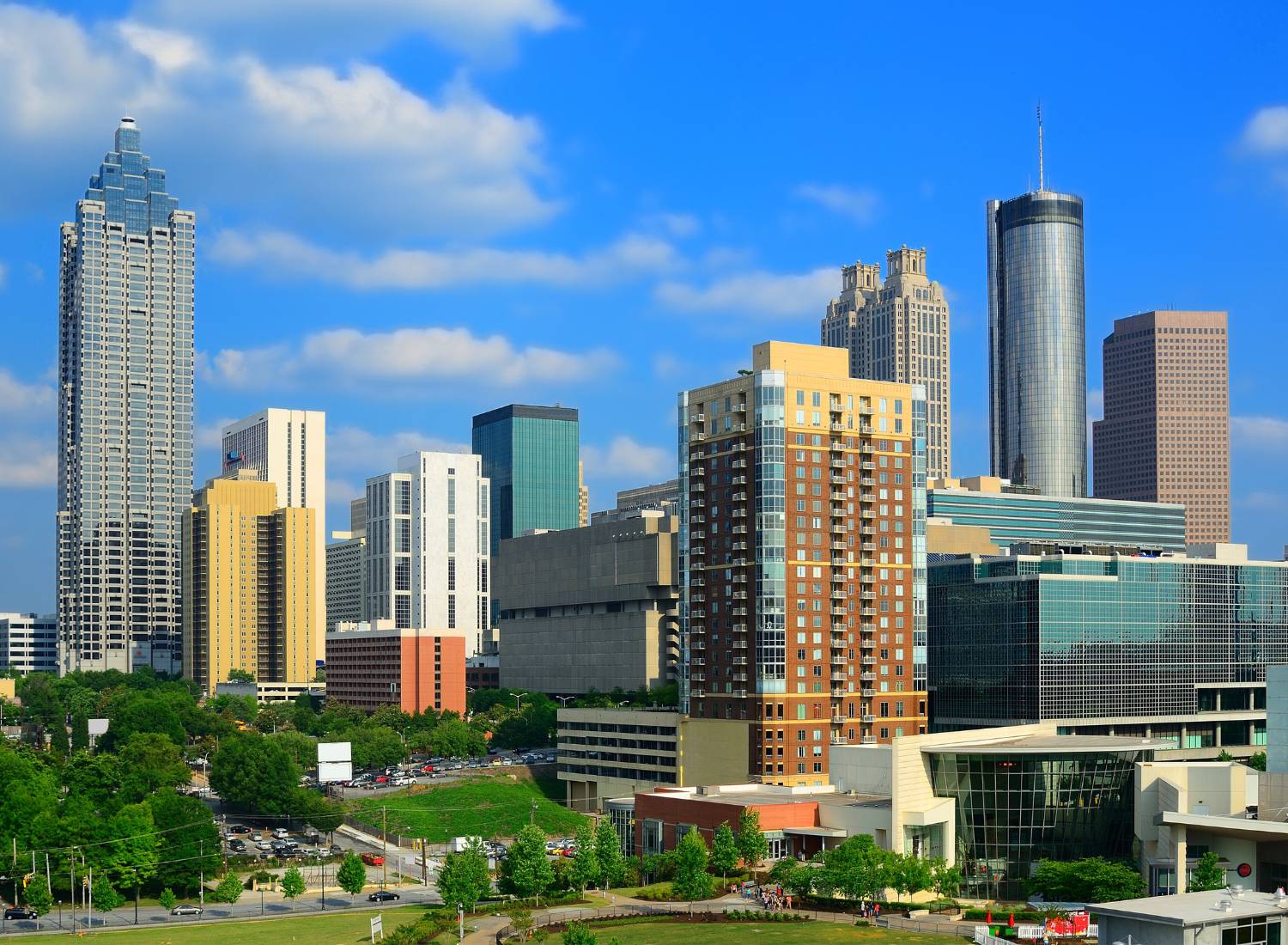 July 2026 — A roughly $15 billion pipeline is moving Downtown Atlanta development from long-term planning into major mixed-use projects. Guided by a 15-year master plan shaped by more than 5,000 stakeholders, the projects aim to expand the residential base, attract investment, and create a more active urban core. The FIFA World Cup brought new visibility to work that had been underway for years.
Join us at caa’s upcoming leadership summits! These premier events bring together hundreds of public and private sector leaders to discuss the challenges and opportunities for businesses and investors. Find the next summit in a city near you!
“Nothing’s an overnight success. People have been working on this for decades. What you’re seeing now is a culmination of a lot of different investments that are starting to happen,” said Brian McGowan, CEO of Centennial Yards, during the Focus: Atlanta 7th Edition Leadership Summit in March.
Thinking long-term
Atlanta‘s Plan Downtown ATL outlines more than 100 implementation strategies across six strategic goals focused on creating a more livable, walkable, and economically competitive urban core. Major projects now underway are putting parts of that long-term vision into development.
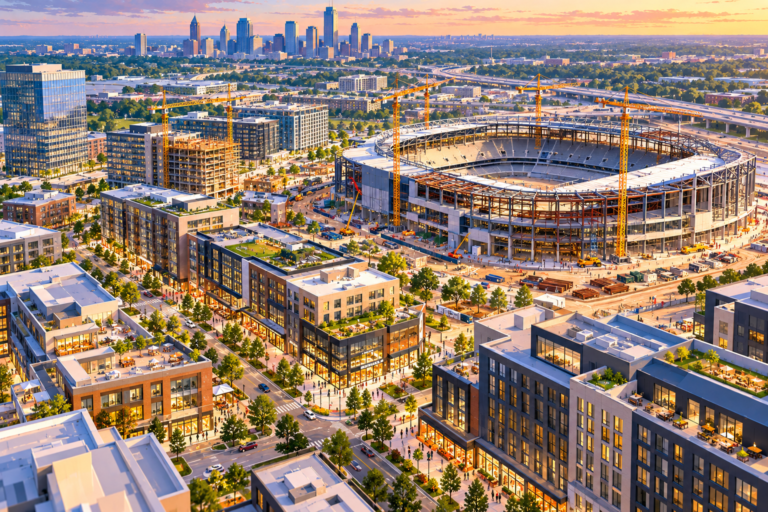
Centennial Yards is where the plan turns into concrete and steel. The $5 billion, 50-acre redevelopment is adding a new tower with roughly 280 apartments, more than a dozen retail shops, and approximately 62,000 square feet of leasable space for around 17 tenants. Once complete, the project is expected to reach nearly 2,000 residential units, with this tower pushing the total to roughly 800 apartments.
Quinn Arnau, president at the Atlanta REALTORS® Association, said in an interview with Focus: “We are fortunate in Atlanta. Centennial Yards and the South Downtown project are moving forward.”
READ MORE: Atlanta businesses eye $1B World Cup economic impact
Built for every day
The push to create a more active, residential downtown extends across several major projects. Centennial Yards and South Downtown are advancing large-scale redevelopment, while Underground Atlanta attracted more than 2 million visitors last year. Projects including the Stitch and the Civic Center redevelopment are also expected to reshape how people live in, move through, and use the urban core.
“What’s missing is people living in downtown. What we’re seeing momentum in right now is building apartments and finding ways to have people stay downtown. That would be a true 24-hour destination,” said Shaneel Lalani, CEO of Lalani Ventures, at the Focus: Atlanta summit.
As new housing comes online, affordability remains part of the broader development equation. Under its agreement with the city, Centennial Yards must set aside 20% of new residential units as affordable housing or pay a fee instead. The developer separately contributed $28 million to Atlanta’s affordable housing trust fund and paid nearly $8.5 million in place of including affordable units at The Mitchell, its first new residential tower.
The World Cup brought international attention and increased activity to Downtown Atlanta. Atlanta’s eight matches drew more than 544,000 spectators, while the FIFA Fan Festival welcomed more than 500,000 visitors and MARTA recorded more than 2.5 million rides during the tournament period, according to the Atlanta Convention & Visitors Bureau. Tourism and business leaders expect the exposure to support Atlanta’s tourism industry while creating opportunities for future investment, trade and business growth.
READ MORE: How World Cup crowds are proving transit’s value
Looking ahead, Downtown Atlanta’s development pipeline provides a longer-term measure of the investment underway across the urban core.
“There are eight key projects that are going to change the trajectory of where we’re sitting right now. We think about 8,500 units will come online. Most of those projects are funded, at least phase one of those projects, so these aren’t projects that are just on a shelf,” said Eloisa Klementich, president and CEO of Invest Atlanta. Together, the projects represent an estimated $15 billion in investment and a projected $22 billion in economic impact, according to Klementich.
Having demonstrated its ability to attract and host major global events, the next phase will center on sustaining year-round economic activity. As additional mixed-use projects come online and public-private partnerships advance the city’s long-term master plan, business leaders and investors will gain a clearer picture of whether today’s redevelopment efforts translate into a more resilient and competitive urban core over the coming years.
Want more? Read the Focus: Atlanta report.