How World Cup crowds are proving transit’s value

Key points:
- • Atlanta and Philadelphia transit systems are setting ridership records while moving millions of World Cup fans.
- • MARTA leadership frames the tournament as a catalyst for 20-year infrastructure investment.
- • Federal funding and years of planning are turning a global event into long-term regional economic value.
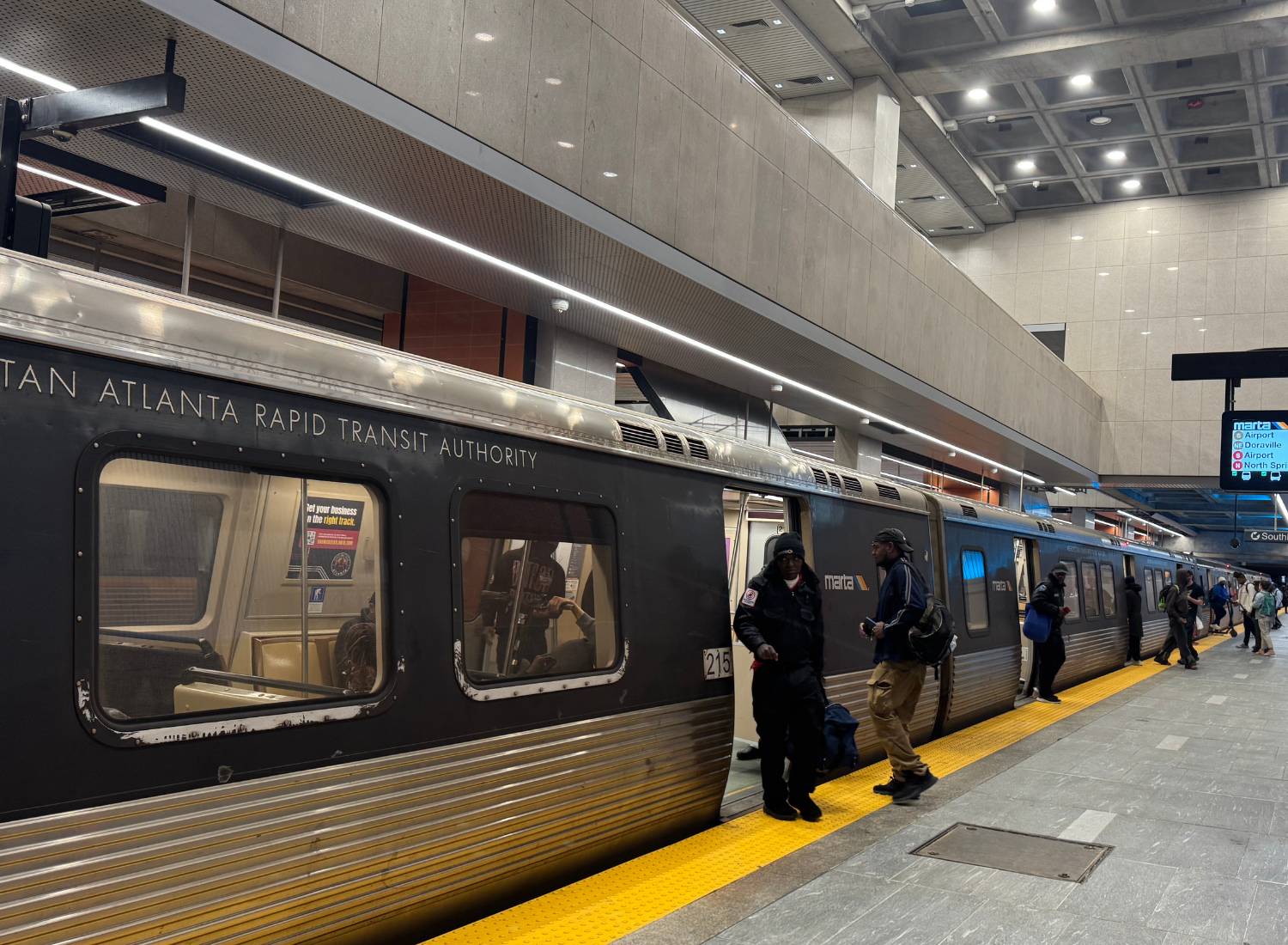 July 2026 — Millions of international visitors have been pouring into U.S. host cities for the FIFA World Cup 2026, and they are making the most of public transit. The influx is pushing World Cup transit systems in Atlanta and Philadelphia to record ridership, testing networks that spent years preparing for this moment.
Join us at caa’s upcoming leadership summits! These premier events bring together hundreds of public and private sector leaders to discuss the challenges and opportunities for businesses and investors. Find the next summit in a city near you!
At the end of June, the American Public Transportation Association (APTA) reported that the Metropolitan Atlanta Rapid Transit Authority (MARTA) moved roughly 1.7 million people to four World Cup matches, nine FIFA Fan Festivals, and related events between June 11 and the tournament’s midpoint. Its busiest day was June 24, when an estimated 220,000 rail riders — about 2.3 times a typical weekday — traveled for the Morocco-Haiti match.
For the leaders running these systems, the logistics challenges to overcome are proof of what years of investment can carry, and a preview of what the systems will look like once the visitors go home.
Join us at caa’s upcoming leadership summits! These premier events bring together hundreds of public and private sector leaders to discuss the challenges and opportunities for businesses and investors. Find the next summit in a city near you!
Atlanta builds for the long term
In Atlanta, that longer view belongs to Jonathan Hunt, interim general manager and CEO of MARTA. The ridership records are the visible layer of a much deeper effort, and the World Cup served as a deadline to reshape the city’s transit system for the future.
“Everything we’re doing is designed to last beyond the World Cup. These aren’t one-time projects,” Hunt said in the latest Focus: Atlanta report, released in March. “A new station rehab benefits us for 20 years. These investments are good for now and for the region’s long-term economic development.”
The crowds are the test, and Hunt expects the payoff to become clearest well after the final whistle.
“After the World Cup, when people come back a year or two later, they’ll see the impact: new rail cars, a transformed Five Points Station, the fully rehabbed Garnett Station, and a completely redesigned bus network,” Hunt said. “These aren’t just short-term upgrades. They’re foundational changes to how people experience transit in Atlanta.”
APTA reported that MARTA Transit Ambassadors had worked nearly 4,000 shifts assisting customers across the system by the tournament’s midpoint, part of the staffing and coordination push host agencies spent two years preparing. For MARTA, the World Cup is functioning as a stress test that validates investment already in the ground and justifies what comes next.
Philadelphia proves the model
Atlanta is not alone in turning tournament demand into a demonstration of capacity. In Philadelphia, the Southeastern Pennsylvania Transportation Authority (SEPTA) is running its Broad Street Line at roughly 31,000 riders per match to and from Lincoln Financial Field, with added capacity to move about 15,000 people per hour, according to APTA.
The surge extends beyond rail. SEPTA’s Flash bus service for visitors recorded an 800% increase in ridership during the tournament, its largest jump since 2015. The two systems show a consistent pattern across host markets that when transit agencies are resourced to perform, riders respond at scale.
That pattern is the argument APTA is making to Washington. The association highlighted $100 million in Federal funding to support World Cup-related transit service, and it is using the tournament’s performance to press for sustained investment.
“These numbers are proof of what public transportation can do when it has the resources to perform,” said Paul Skoutelas, president and CEO of APTA, in a press release. He tied the results directly to the next surface transportation authorization bill now moving through Congress.
From event to economic engine
Reliable transit widens the labor market, supports downtown density, and makes host cities more competitive for future events and investment. Hunt’s case is that a tournament-driven deadline delivered upgrades that will serve residents and employers long after the visitors leave.
With the knockout rounds bringing some of the largest crowds still to come, the immediate task is moving fans. But the leaders shaping these systems are already looking past the final.
Want more? Read the Invest: reports.