Face Off: Miami’s role in the creative economy boom
Writer: Mirella Franzese
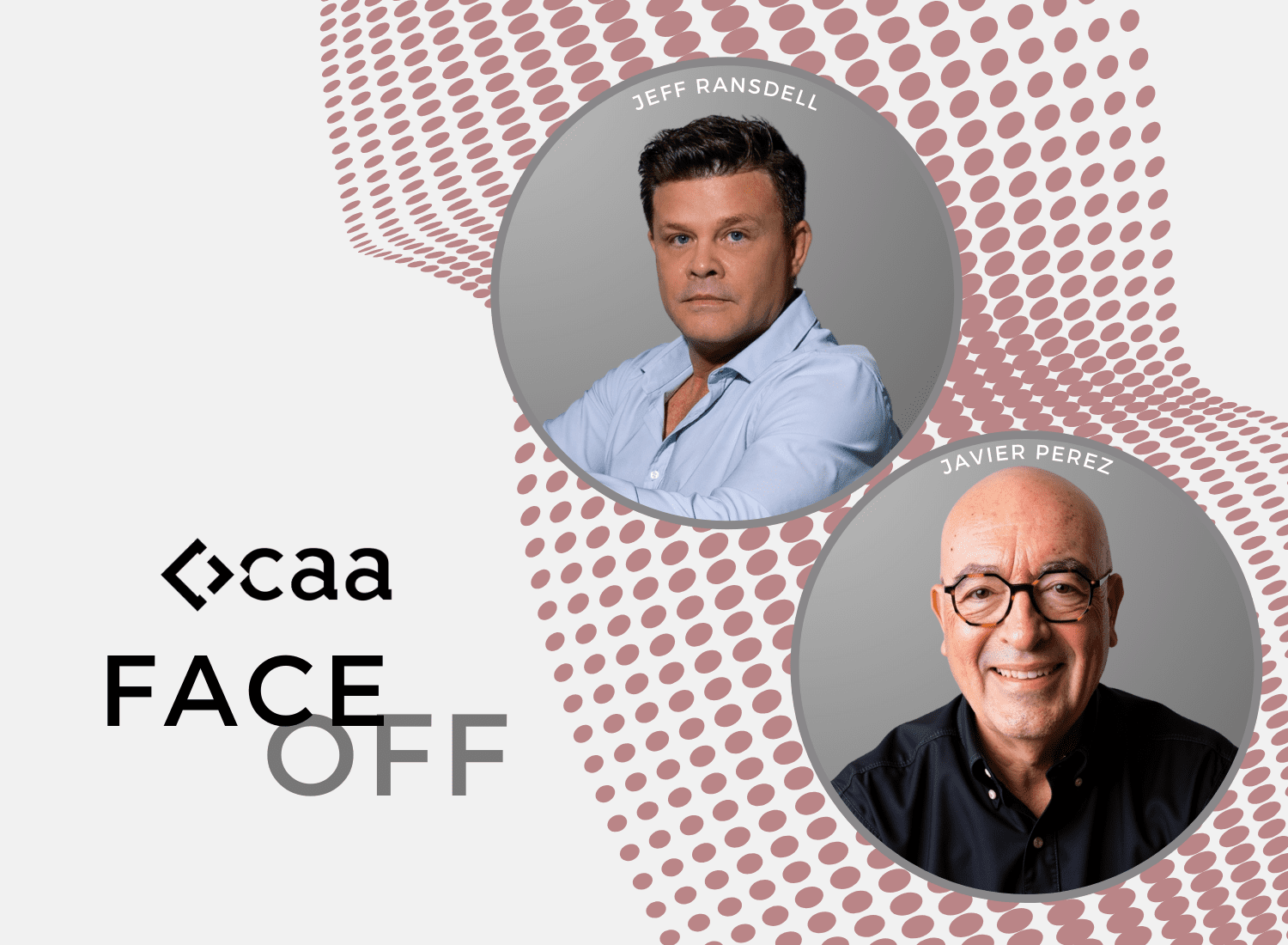 February 2025 — Startups are increasingly viewing Miami as an attractive alternative to California’s Bay Area and New York City for raising capital, according to executives in the VC space. Talent, taxes, and lifestyle make up a large part of the appeal, but it’s Miami’s access to capital that is setting the region apart from other domestic markets.
South Florida leaders credit Miami’s emerging reputation as the world’s “capital of capital” to the city’s robust innovation-driven economy and strategic location, which helps connect foreign ideas and U.S. investment.
While Miami ranks No. 18 in Pitchbook’s global VC Ecosystem Rankings, it’s considered the largest startup ecosystem in the Southeastern United States, with $32.8 billion in fundraising in 2024, compared to Austin, ranked No. 19 with $26.3 billion in fundraising value.
Invest: recently spoke with Jeff Ransdell, founding partner and managing director of Fuel Venture Capital, and Javier Perez, founder and managing partner of Global PayTech Ventures, to discuss Miami’s growing status as a VC economy and potential headwinds ahead.
What makes Miami an attractive location for businesses and why did you choose it as a destination for your company?
Jeff Ransdell: I believed U.S. companies would increasingly look south for growth. Miami’s unique connection to Latin America made it the perfect base. Having lived here for 23 years, I often say Miami feels close to the U.S. but isn’t — it’s truly international.
If I were starting a venture capital firm from scratch, why go to Silicon Valley, which is dominated by incumbents? Miami’s diversity fosters creativity, making it the perfect place to build something lasting. Why build anywhere else when Miami is paradise, even when it rains?
Javier Perez: North America is super important on its own, but when you add Latin America, you are probably talking about the largest market in the world for nearly anything, and certainly for venture capital. As one of the partners at my firm, Daniel Perez, puts it “Miami is the capital of capital.”
If you are European, your focus will be on the East Coast. Proximity and manageable flight times are key. That narrows it down to cities like New York, Boston, and Miami, with New York being the primary choice initially. However, if you go further south, you reach places like Mexico City, S£o Paulo, and Buenos Aires.
When you put all this together and ask yourself which location offers access to both North and Latin America, there is only one clear answer: Miami. Simply put, Miami offers better geographical accessibility as compared to all other options. From Miami, you can also easily reach Mexico, Colombia, S£o Paulo, and Venezuela. The weather, the outdoor activities, and the relaxed atmosphere also make it easier to focus and connect. Miami allows us to integrate Latin America into the conversation seamlessly, creating a more diverse and enriching discussion.
Companies like Citadel, IDC Ventures, Searchlight Capital, and others have moved here. It is not just about taxes, though lower taxes are a plus. Talent prefers Miami, and we find many professionals from New York eager to relocate here. In Miami, we can offer them better-paying jobs due to lower living costs, and life here is more accessible as you can get tickets to events and reservations at restaurants without much hassle.
How would you describe the current macroeconomic environment?
Randsell: The 2021 bear market still shapes the current macroeconomic environment, the first the private sector has truly faced. The fintech winter hit hard — unicorns once worth billions are now valued at $300-$400 million. Valuations dropped, capital flow slowed, and cap table adjustments became common. Pay-to-play rounds surged, where non-participants faced dilution. It’s been like a war, with new challenges daily to help our portfolio companies navigate.
Historic high interest rates are affecting how consumers and investors spend. Treasury bills and bonds offer 5-5.5% returns with no risk, making it tough to attract investment in riskier ventures like startups. The demanding macroeconomic conditions haven’t improved yet.
Perez: It is a challenging time for private capital. We are at an all-time low for generating unicorns, which are companies valued at over $1 billion, and IPOs. At the same time, interest rates are at their highest in the past decade, which makes fundraising difficult for founders.
Traditional investors and venture capitalists are now cautious. When interest rates were near zero, private capital was more attractive. Investors needed alternatives to generate returns, and they turned to startups. Today, however, investors can earn over 5% from simple money market accounts. With more predictable returns available, fewer people are willing to take risks on startups.
This situation has made it harder for founders to secure funding. Many investors are now focusing on “flavor of the month” trends, like they did with cryptocurrency. A few years ago, cryptocurrency was the hot topic, but now it has faded. Today, everyone is talking about artificial intelligence.
Looking ahead, what do you believe are the most important factors that will shape the venture capital industry in the long-term?
Randsell: The creative economy will continue to grow in demand. Fuel Venture Capital was created to provide individuals access to the creative economy, which, until now, has primarily been the domain of large institutions, insurance companies, and endowments. For the past 25 years, these big players have had exclusive access to this space. One reason I started Fuel in Miami was to give everyday people the same opportunity.
Hardworking families often lack access to investment opportunities through firms like Bank of America, Merrill Lynch, or Morgan Stanley, which still operate under what I believe is an outdated model. Technology has democratized information, allowing individuals to research and discover firms like Fuel Venture Capital, which provide access to the creative economy, just as large institutions have been doing.
This trend will only strengthen over time. The creative economy is poised to become more dominant because, in the end, all U.S. GDP growth will come from technology — period. Especially over the next four to five years, with advancements in AI and other technologies, it will integrate even more into our daily lives. I believe that in five years, we may wake up and not recognize much of the world around us — it’s going to be that transformative.
Perez: The days of generalist VCs trying to cover every sector are over. Success will come to those who have deep knowledge of their industry.We are not just investors anymore either, we are partners. Many founders are brilliant at creating products but might lack experience in areas like marketing, business organization, or networking. That is where we come in. With decades of experience in payments, and in my case, nearly half a century, we help these founders navigate the complexities of the industry. We bring not just capital but also knowledge, connections, and strategic advice to the table.
When we consider the evolution of payments and technology in general, I believe it ultimately revolves around convenience. It all boils down to helping clients avoid discomfort and unnecessary hassle in their daily lives.
For more information, please visit: