Liquidity, rates, and growth shape Orlando banking strategy
Key points:
- • Orlando’s rapid growth is reshaping banking strategy, with greater focus on liquidity, discipline, and client advisory.
- • Businesses are shifting cash into higher-yield accounts and making more strategic decisions on capital allocation.
- • Demand is rising for flexible credit and tailored banking solutions as companies navigate ongoing economic uncertainty.
 April 2026 — With nearly 3 million residents and roughly 725 new neighbors arriving every week, the Greater Orlando region is one of the fastest-growing metro areas in the nation — and that momentum is reshaping how businesses and the Orlando banking community think about capital.
Join us at the Invest: Greater Orlando 4th Edition Leadership Summit! This premier event brings together hundreds of Greater Orlando’s business and regional leaders to discuss the challenges and opportunities for businesses and investors. Buy your ticket now!
The Federal Reserve, holding its benchmark rate steady at 3.50% to 3.75%, signaled in March that the current monetary policy stance is “appropriate to promote progress toward our maximum employment and 2% inflation goals,” said Fed Chair Jerome Powell.
That stability, however measured, has unlocked a new calculus for savers and borrowers alike: standard savings accounts earn just 0.38%, while top high-yield accounts now pay upwards of 4%. For Central Florida’s business leaders, that gap has sparked a deeper conversation about liquidity, flexibility, and strategy.
Invest: Greater Orlando spoke to three of the region’s leading banking executives navigating the opportunities and challenges of a rapidly expanding market. From liquidity strategies to the rising appeal of interest-earning accounts, local financial leaders are aligning their approach to meet the demands of a growing, dynamic economy.
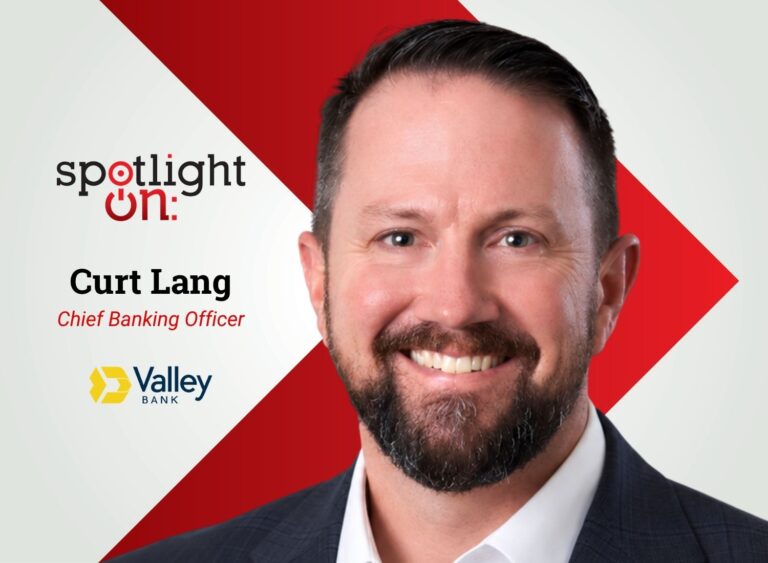
Barbara Interlicchio, Senior Vice President, Central Florida Market President, Valley Bank
From a macroeconomic perspective, the most notable shift has been the normalization of volatility and what that has required of both clients and banks to remain successful. Clients have been forced to take a more proactive and disciplined look at their business models, while banks have had to become more consultative, more disciplined, and even more relationship-driven.
At the local level, the past year was one of recalibration. The industry has moved from rapid expansion to more focused, disciplined growth. It’s not about growing for growth’s sake, but about strategic growth. Success today is defined by strong credit discipline, thoughtful liquidity management, and deep client engagement.
Ongoing volatility has heightened the focus on tighter operations, stronger controls, and deliberate growth. That places a premium on cash-flow visibility and liquidity management. Clients want a banking partner that truly understands how their business operates and where potential pressure points may emerge.
Economic uncertainty has become more persistent than cyclical. Years or recurring disruption have required both banks and clients to be resilient and adaptable. Strong fundamentals, both operationally and on the balance sheet, are critical for long-term success. For banks like ours, volatility presents an opportunity to be a steady, trusted partner. Clients value clarity, consistency, and confidence when conditions shift. Remaining present, consultative, and engaged through cycles has never been more important.
Ben Lalikos, Central Florida Market President, Cogent Bank
Banking can look like a commodity at the transaction level. What we work hard to differentiate is service, staying close to clients and being a high-touch advisor, not just a provider. That matters in a volatile economy with moving interest rates, trade uncertainty, and real estate cycles, especially in Central Florida, where the market continues to add people and businesses.
We saw an uptick in activity in the fall of last year, including more M&A, equipment purchases, and new development. The first part of 2025 felt cautious, and that came through in client conversations. But the tone changed quickly from late summer into early fall.
At some point, business owners realized they could not wait forever. They did not abandon risk management, but they became more strategic about timing and started moving again, rather than waiting for perfect conditions that may never arrive.
More recently, we have seen clients keep less in operating accounts and more in interest-earning reserve accounts, even if that means paying sweep costs, because the yield can justify it.
As rates shifted again, clients started redeploying cash, either toward assets or toward debt reduction. When the spread between what you are paying on loans and what you are earning on deposits narrows, refinancing, working capital, and capital allocation decisions move with it.
Elia Marenco, Executive Director & Commercial Banking Leader Emerging Middle Market, Wells Fargo
During a larger portion of 2025, there was a lot of uncertainty in the market, primarily driven by tariffs and inflation. Many companies were trying to understand what the impact would be on costs and operations and that led to a more cautious approach. We saw a number of organizations pause projects during the first two quarters of the year as they reassessed priorities.
Companies pivoted inward. Instead of pushing forward with uncertain initiatives, they evaluated internal processes and looked for ways to create efficiency. They were seeking advice from their relationship managers and bankers to ensure they could continue supporting operations in a more disciplined way.
In 2026, companies are focused on preserving liquidity and being more deliberate about how they deploy resources. Operating costs are higher in today’s environment; interest rates continue to stay in place and businesses are increasingly aware of ongoing price increases. As a result, flexibility in credit terms matters more than ever. They want to ensure they have the right support from their financial institutions so they can stay agile and be prepared for changes happening both locally and globally.
The most consistent demand is for tailored credit solutions that align with each company’s specific needs. Businesses want flexibility, particularly in an environment where economic cycles can shift quickly.
Want more? Read the Invest: Greater Orlando report.