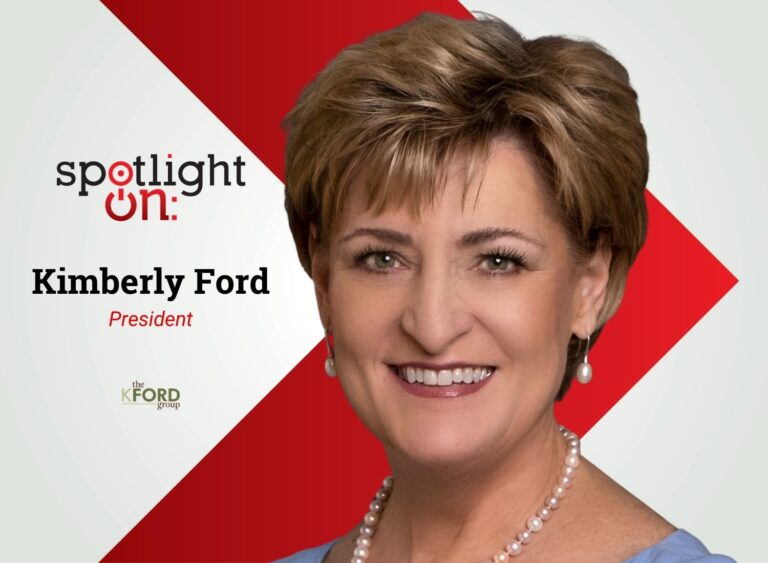

Nicole Thompson, President & CEO, Downtown Durham
 Invest: spoke with Nicole Thompson, president and CEO of Downtown Durham, about retail momentum, downtown activation, and the policy shifts needed to support small businesses in a hybrid-work era. “It gives us a chance to really look at the downtown as a whole,” Thompson said.
What major changes have you seen in downtown Durham over the past year, and how are those changes shaping its economic momentum?
We are seeing a strong influx of retail merchants downtown, particularly new openings in restaurants and food and beverage, along with additional retail. The pipeline remains active, and that activity is helping reinforce a sense of momentum.
We are also seeing a gradual increase in foot traffic, especially in the evenings and on weekends. That is where some of the strongest energy is right now, with people coming in to dine, explore, and spend time in the district. There is a general excitement in and around downtown that reflects that renewed engagement.
Additionally, remote and hybrid work continue to impact daytime traffic. We are still working with office property owners and commercial brokers on what it will take to bring workers back, and we are adjusting to a new daily rhythm for businesses that once depended on weekday office activity.
That shift has pushed us to think differently about how we keep downtown at the center of economic activity, residential life, visitor experiences, and cultural history for Durham. The city recently adopted the Downtown Durham Blueprint 2035, which examines how we activate parks, open spaces, alleys, and other unique assets through art, business connections, interactive seating, and placemaking.
It gives us a chance to look at the downtown as a whole and how we can strengthen what makes it special while we also address ongoing work-from-home and hybrid-work challenges. The blueprint also considers how people move through downtown, including walking, biking, micromobility, and vehicle access, so that different parts of the district feel connected and accessible.
You host several arts-focused events downtown. How do those events support downtown activity and small businesses, and what are you focused on right now?
Events are a major part of how we bring people into downtown in a way that aligns with what makes Durham special. They energize different areas and create reasons for people to explore beyond their usual routines.
Third Friday is one example. It is rooted in the art and culture that define downtown and provides a consistent opportunity to invite residents and visitors into the district. It is about creating an experience that encourages discovery, whether that means stepping into a gallery, visiting a new retailer, or trying a new restaurant.
This month, we are highlighting a retail incubator we have been working on for several months. We will introduce three retailers opening their first brick-and-mortar locations. That is exciting not only for those entrepreneurs but also for downtown, because it strengthens our retail mix and adds more street-level activity.
Our goal is to support these entrepreneurs early, help them connect with customers, and ideally see them grow into long-term tenants. Seasonal changes affect us, particularly in winter, but as spring arrives, we see momentum build again. We also work with partners such as Discover Durham and event managers to bring additional programming downtown, which adds to the overall energy of the district.
How is your organization helping small businesses stay competitive right now, and what challenges are you most focused on?
The biggest challenge remains the impact of hybrid and remote work on daytime traffic. We are working with businesses and city and county partners to identify ways to draw people downtown during the day, while continuing to build on evening and weekend strength.
Expanding retail is one strategy. Downtown Durham already has a strong identity, but we want to broaden the mix and introduce new concepts, including through the retail incubator. We are also exploring practical measures, such as parking flexibility. The City Council has been considering free hourly parking, which could reduce friction for customers and make short visits easier.
We also focus on streamlining processes for new businesses. Helping expedite permitting and resolving issues quickly allows entrepreneurs to focus on their operations rather than navigating complex administrative hurdles. Our role is often to advocate, connect stakeholders, and help move projects forward efficiently.
Marketing is another core strategy. We highlight new businesses through events, our website, social media, and ambassadors who create and share content. We want people to know what is happening downtown so that when they come for an event, they are encouraged to explore beyond it.
In addition, we maintain a visible presence on the street through our clean and safe team and our hospitality team. They interact directly with businesses, provide information, and help keep the environment welcoming. Maintaining a clean and inviting public realm supports business success and strengthens the overall experience of downtown.
From your perspective, how does downtown Durham contribute to the region’s broader workforce and talent attraction strategy, as well as economic development?
Durham has long had a strong entrepreneurial foundation, and that continues to shape our contribution to the region. People come here because the community is supportive of new ideas and expansion.
We see this across creative industries, technology, and life sciences, particularly through research coming from institutions such as Duke, UNC, and NCCU. Students arrive for their education, build connections, and often stay, or return later, because they see opportunity here.
Downtown supports that dynamic through co-working spaces, collaborative environments, and a culture that encourages partnership. The American Underground is one example of a space built around collaboration and idea-sharing. We also continue to see research activity spill into the broader community, reinforcing downtown’s role as an economic center.
By remaining authentic and supportive of entrepreneurship, downtown Durham plays an important role in attracting and retaining talent in the broader region.
Looking ahead three to five years, what are your top priorities for Downtown Durham?
First, we want to remain vibrant and growth-oriented, with policies that encourage new growth while supporting existing businesses at every level, from street-level merchants to office-based employers.
Second, we want downtown to remain safe and welcoming so that residents, visitors, and employees feel comfortable spending time here. That includes creating an environment that is inclusive across age, gender, and racial and ethnic backgrounds.
Third, we want Durham to remain Durham by protecting and highlighting its authenticity. That includes honoring the history of Black Wall Street, recognizing the growing Latino community, and supporting the strong LGBTQ community. Preserving those defining characteristics is essential to maintaining the identity that makes downtown unique.