

How universities and healthcare systems anchor Nashville’s real estate surge

INASe4_Banner_Butler_Snow

Writer: Eleana Teran

NashvilleNovember 2025 — Middle Tennessee’s growth is redefining how healthcare and education shape the built environment. In Nashville, that connection is visible across the city’s expanding campuses and medical corridors, where universities, healthcare systems, and developers are working together to meet both workforce and community needs.


Join us at caa’s upcoming leadership summits! These premier events bring together hundreds of public and private sector leaders to discuss the challenges and opportunities for businesses and investors. Find the next summit in a city near you!


According to Transwestern’s 2Q25 Nashville Healthcare Market Report, the region’s healthcare real estate fundamentals remain strong, with the direct vacancy rate at about 6.6%, holding within a steady 5.7% to 7% range since 2021 even after more than 1 million square feet of new space was delivered. Average asking rents have risen to $34.22 per square foot, reflecting sustained demand as population and medical employment continue to grow across the metro.

Healthcare remains a cornerstone of the local economy. The Nashville Health Care Council reports that more than 900 healthcare companies now operate in the area, spanning hospital management, life sciences, and digital health innovation. At the same time, the Business & Economic Research Center at MTSU projects that by 2030, the state’s healthcare and social assistance sector will add over 80,000 jobs. These employment shifts are being recognized by higher-education institutions and developers alike, as they respond not only to facilities demand but to talent pipelines and community outcomes.

These trends are driving new conversations about real estate, talent development, and community impact. Developers are adapting to the rise of healthcare-anchored projects, where clinics and therapy spaces are increasingly integrated into mixed-use environments. At the same time, higher education institutions are expanding medical schools, launching healthcare training programs, and partnering with developers to meet the region’s rising demand for skilled professionals and modern facilities.

This intersection where education meets healthcare, and workforce meets infrastructure, is defining Nashville’s next phase of growth. Invest: spoke with regional leaders whose organizations are shaping the evolution and supporting the next wave of development in Middle Tennessee.

Brannen_Edge_Quote_Stack_NashvilleBrannen Edge, president & CEO of Flagship Healthcare Properties

Nashville feels like the healthcare center of the country. It’s home to major healthcare REITs, hospital systems, surgery center operators, and providers. We opened an office with just one person, and it’s now grown to a team of five and we’re outgrowing our space. Tennessee has become increasingly important to us, with seven properties generating about 6% of our net operating income. We’ve invested in multiple markets — Chattanooga, Knoxville, Memphis — and we’re preparing to buy another building in Chattanooga. Still, Nashville remains at the heart of healthcare, not just in Tennessee but nationally, and we plan to continue putting resources into that market.

Teaching hospitals and medical schools are crucial drivers of healthcare growth in markets like Nashville, Tampa Bay, and now Charlotte. They not only train the next generation of doctors and nurses but also attract research funding, drive innovation, and spur business investment. Charlotte, for example, is finally getting a medical school, which will be a game-changer for the region. A strong educational and research presence strengthens the entire healthcare ecosystem.

Elizabeth_Goodwin_Quote_Stack_NashvilleElizabeth Goodwin, senior managing director and Tennessee market leader at CBRE

Nashville is full of opportunities, but it’s also evolving quickly. Nashville’s rapid growth, particularly in the tech sector, is a key focus for CBRE. Our recent “Scoring Tech Talent in 2025” report highlighted Nashville’s strong position, ranking it third in the nation for tech job growth.

Another unique growth opportunity exists within healthcare. Last year, we added Alan Kirby as a leader of our Healthcare Services Group in Nashville to help us navigate this complex industry that is becoming more retail-oriented, with minute clinics and therapy offices being incorporated into mixed-use developments. So, really, mixed-use is booming.
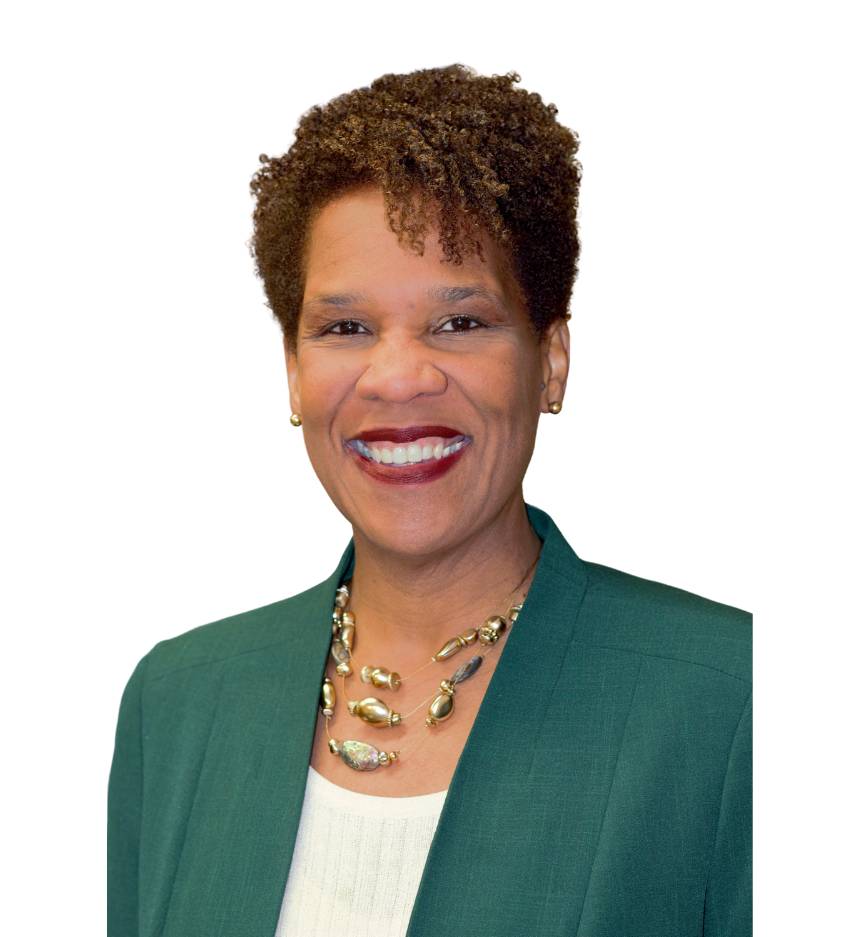
Shanna_Jackson_Quote_Stack_NashvilleShanna Jackson, president of Nashville State Community College

Employers increasingly value practical skills over degrees for many roles. We’re seeing more success as we align training with specific employer needs. That’s the future of education. We support both degree and non-credit training. Healthcare has seen strong growth, particularly in entry-level roles like patient care technicians — jobs that don’t require degrees but serve as stepping stones to advanced programs. While this has always been our focus, it’s now gaining more traction, especially with support from state leadership. We remain committed to helping adult learners access training while balancing work and family.

We’re also working through the Nashville Area Chamber of Commerce to create a regional healthcare workforce collaborative. Many healthcare roles don’t require a degree but can lead to longer-term careers. This initiative focuses on quickly launching training programs for those roles. We recently reopened our East Davidson campus in partnership with the Tennessee Department of Labor and Workforce Development and Workforce Essentials. It now houses our entire workforce development team and an American Job Center, creating a one-stop shop for job seekers and employers.

Greg_Jones_Quote_Stack_NashvilleGreg Jones, president of Belmont University

The biggest highlight is the opening of our Thomas F. First, Jr. College of Medicine. We admitted and welcomed our first class of 50 students. They’re now completing their first year of medical school. Given both the healthcare needs in the country and Nashville’s role as a healthcare city, we are now developing healthcare professionals in medicine to complement our work in nursing and pharmacy, and health sciences is tremendously exciting.

Part of what we built with our new College of Medicine building is a 60,000-square-foot simulation center that is both high tech and high touch. We’re right out there working with advances in AI and technology in healthcare. We’re also focusing on that high-touch interaction, but you also want a healthcare professional who knows you as a whole person, and our approach to technology and education allows that to happen. We’re looking to adapt and focus on practice in all that we are and do.

Top image provided by R.C. Matthews Contractor

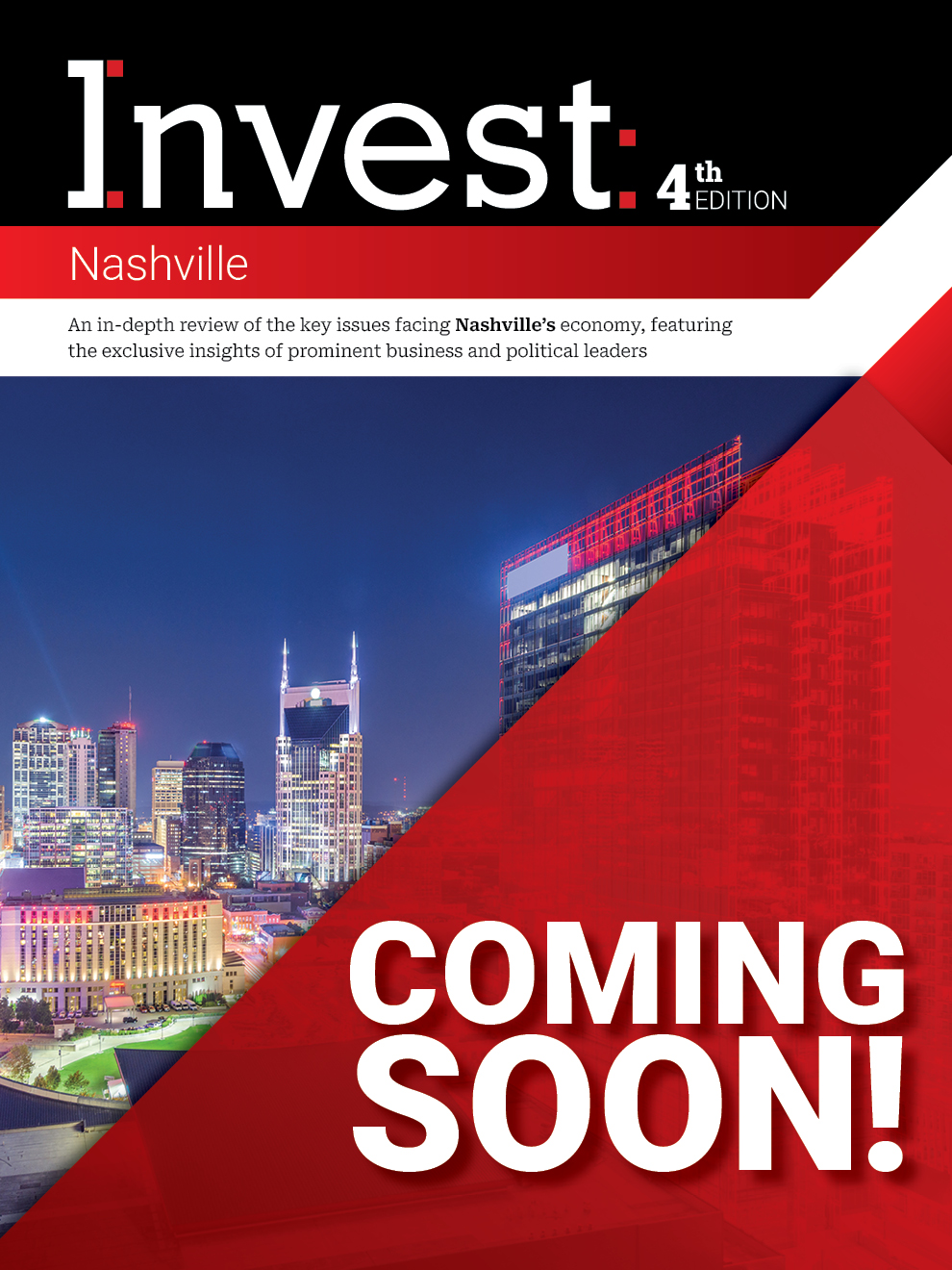
Want more? Read the Invest: Nashville report.

Subscribe to Our Newsletters

"*" indicates required fields

Address*
Would You Like To Receive Our National Newsletter?*
Interests
Markets
This field is hidden when viewing the form

Spotlight On: Veronica Elders, Interim CEO & Chief Nursing Officer, Nashville General Hospital

Veronica_Elders_Spotlight_OnNovember 2025 — In an interview with Invest:, Veronica Elders, interim chief executive officer and chief nursing officer for Nashville General Hospital, said that strengthening community partnerships and improving patient-centered care are central to the hospital’s mission and future strategy. “Nashville General has an incredible mission, but we need people to invest in it. We can’t do it alone. Building those external relationships is one of my top priorities,” she said.

Over the past year, what have been the most significant changes within the hospital, and how do these developments reflect broader trends in healthcare?

Over the past year, two of our biggest milestones were achieving a Leapfrog Grade A in both Fall 2024 and Spring 2025. This accomplishment reflects our commitment to prioritizing patient care, especially care transitions, which is making sure patients fully understand their treatment and how to manage their care at home. We achieved this through strong collaboration with our Community Care team. It was a huge accomplishment for us.

We’ve also experienced significant leadership changes, and I’m honored to now serve as both the interim CEO and chief nursing officer. The reason that Leapfrog Grade A means so much is because when I first became chief nursing officer in February 2020, COVID hit the following month. My first Leapfrog score as CNO was a D — I was devastated. But we steadily improved: from a D to a C and now to an A.

The A score came from us re-evaluating our care model and adapting it to meet our patients’ current needs. I think hospitals everywhere have had to shift toward a more patient-centered, even consumer-driven, model. Patients know what they want and need, and we must respond to that. Only four hospitals in Nashville earned an A, and we were one of them. We’re proud that we’ve maintained that grade over two consecutive reporting periods, even through all the changes we’ve faced.


Join us at caa’s upcoming leadership summits! These premier events bring together hundreds of public and private sector leaders to discuss the challenges and opportunities for businesses and investors. Find the next summit in a city near you!


Could you talk more about the specific clinical or operational strategies that contributed most to recent recognition?

We view patient care as a continuum, not a series of isolated events. For example, when a patient arrives in our emergency department, we ensure that before they leave, they have follow-up appointments scheduled right at the bedside. We do bedside discharge planning in both the ED and inpatient settings. We call this “care transition” because we’re not simply discharging patients, we’re transitioning them to the next appropriate level of care to support their wellness.

Additionally, our Community Care team focuses on long-term needs after discharge. That includes addressing food insecurity, transportation, and housing issues. This patient-centered approach ensures we’re meeting people where they are and supporting them throughout their entire healthcare journey.

How is the hospital adapting its strategy to meet the needs of an increasingly diverse and expanding community, particularly underserved populations?

That’s truly at the core of our mission. We’re committed to serving vulnerable populations, which includes patients with insurance, underinsured individuals, and those without insurance. We treat all patients regardless of their ability to pay.

We’ve adapted by navigating rising operational costs, addressing staffing shortages, and responding to changing patient expectations. One of our most significant approaches has been strengthening community partnerships and expanding access to preventive and primary care services. These steps are crucial to meeting the evolving needs of our community and staying true to our mission.

How are you addressing nurse staffing shortages and retention, especially in a public hospital setting like yours?

Our leadership style emphasizes a sense of community and family. We’re smaller than some larger facilities, which allows us to foster close relationships — many of our nurses I know by name. This sense of connection helps us support one another at the bedside.

We also have a nurse residency program overseen by our Nursing Leadership and Professional Development team. We’ve developed a Clinical Excellence program where experienced nurses mentor new staff. For example, our nursing education team sometimes works full 12-hour shifts alongside frontline staff to better understand their needs and ensure proper patient care. These programs build a supportive, growth-oriented environment.

How is the hospital innovating in nurse education, mentorship, or career development through internal programs or partnerships?

We have numerous clinical affiliations. For example, we offer clinical training opportunities for students from TSU, Vanderbilt, and Vol State Community College. Surgical tech students come from Nashville State Community College. These partnerships allow us to help shape the next generation of caregivers.

We also received a grant from THA (Tennessee Hospital Association) in collaboration with TSU, which supports our own nurses serving as clinical faculty for TSU students. This enhances the students’ experience because they’re learning from professionals already embedded in the hospital’s culture and environment.

I’ve personally taught at Lipscomb and South College, and I can tell you there’s a learning curve when you’re not familiar with the clinical site. Having hospital staff serve as instructors bridges that gap and gives students a much richer experience. We also partner with Belmont for pharmacy student placements. These partnerships are crucial for building a strong healthcare workforce.

What are the most urgent challenges facing public hospitals in Tennessee today?

Safety net hospitals like Nashville General are being hit hard by several issues. Rising costs — for supplies, pharmaceuticals, and general operations — are a major burden. Funding remains a significant challenge, especially due to Tennessee’s reluctance to expand Medicaid, which would help both patients and hospitals like ours.

Staffing shortages are persistent, which strains our ability to provide consistent care. There’s also a shift in patient expectations; people now expect more from their healthcare experience. These combined pressures create a complex environment for safety net hospitals.

How are you positioning the hospital to lead through these challenges?

We’re closely evaluating our financial infrastructure and looking to expand our community partnerships. Strengthening our alignment with the mayor’s office and Meharry Medical College — our academic partner — is a key focus. We’re also exploring public-private partnerships, which have helped other safety net hospitals like Erlanger in Chattanooga and Grady in Atlanta grow and thrive.

Nashville General has an incredible mission, but we need people to invest in it. We can’t do it alone. Building those external relationships is one of my top priorities. It’s the path forward for long-term sustainability and growth.

What are your top strategic priorities for the hospital in the coming years?

Our top priority is expanding community partnerships, which are vital to our survival and success. We’re undergoing a transition and are working to grow our preventive and primary care services in collaboration with Meharry Medical College. The goal is to address health needs early, before they become critical, and to ensure everyone has a reliable place to go for care.

On a personal note, I’m a native Nashvillian. I’ve been in healthcare for 30 years, and Nashville General has always held a special place in my heart. I was once a patient here myself. After 17 years at Vanderbilt, I returned to serve the community that shaped me. To help this hospital move forward, we need strong partnerships with community stakeholders and private entities. That’s how we grow and thrive.

Want more? Read the Invest: Nashville report.

Subscribe to Our Newsletters

"*" indicates required fields

Address*
Would You Like To Receive Our National Newsletter?*
Interests
Markets
This field is hidden when viewing the form

The future of EVs hangs in the balance

IMSP24_Banner_Canopy_By_Hilton_Minneapolis

Writer: Mirella Franzese

EVNovember 2025 — After a strong third quarter, electric vehicle (EV) sales surged 40.7%, driving market share to new all-time highs. Yet, the outlook for EV adoption in America is more uncertain than ever.


Join us at caa’s upcoming leadership summits! These premier events bring together hundreds of public and private sector leaders to discuss the challenges and opportunities for businesses and investors. Find the next summit in a city near you!


After the Trump administration pulled back support, U.S. automakers are bracing for a plummet in sales this quarter and next — one that is expected to massively forestall plans for an electric future. 

General Motors (GM), for instance, just took a $1.6 billion hit on its electric vehicle rollout as the government terminated its $7,500 EV tax incentives on Sept. 30, as reported by NBC. In a letter to shareholders, GM said it expects the adoption rate of EVs to slow down following the termination of tax incentives and tighter emissions regulations.

Under these circumstances, Ford has put a pause on plans to build out an EV plant in Tennessee. The automaker, which lost $2.2 billion in the EV segment in the first half of the year, told Reuters that it would push back its product launch, hoping for stronger customer demand to achieve profitability. 

“(The EV industry) is going to be smaller, way smaller than we thought, especially with the policy change,” Jim Farley, CEO of Ford Motors, said at a recent company event, as cited by CNBC. “I wouldn’t be surprised that the EV sales in the U.S. go down to 5%.”

In addition to Ford, Kia and Hyundai have reported massive dips in EV sales as buyers rushed to pull purchases before credits ended under changes by the Trump administration. Meanwhile, Tesla, the national EV leader, also suffered drastic losses in the second quarter as sales fell 13%. CEO Elon Musk warned that “rough quarters” lay ahead for the company.   

As a whole, EV adoption rates across the U.S. remain largely mixed because of diverging economic policies, demographic makeup, and the ability to deploy infrastructure on a state-by-state basis. While some states have willfully shored up investment in the EV market, others have lagged behind, creating critical gaps in infrastructure to power the next generation of vehicles. 

“Shifts in public policy often drive changes in demand,” explained Donald Scarinci, managing partner at New Jersey law firm Scarinci Hollenbeck LLC, in an interview with Invest:. “There are emerging issues related to the power grid, electric vehicles, and the transition away from gasoline-powered engines,” which are creating new challenges. 

The West Coast and Northeast remain the national leaders in EV adoption, propped up by states like California, New Jersey, Vermont, and Washington. Electric vehicles make up a significant percentage of total new auto sales in those regions, according to the most up-to-date data from the Alliance for Automotive Innovation. 

At the same time, Southern states are ramping up sales in an effort to drive growth. In the first half of the year, after California, Florida sold more electric vehicles than any other state (65,798), followed by Texas, which sold 43,418. 

Georgia is also scaling EV production. For instance, the Hyundai Motor Group celebrated the grand opening of its Metaplant facility near Savannah, GA, earlier in 2025. where it now expects to produce 500,000 EVs per year. For Baker Donelson’s Atlanta Managing Shareholder Ivy Cadle, this project has been pivotal for the state of Georgia. 

“That area is experiencing growth that’s really unrivaled in the state,” Cadle told Invest:. “I expect our government will continue to look for ways to help the economy grow through these types of partnerships.”

Despite its economic potential, EV adoption is still lagging. Even in California, the highest-performing market, the rate of adoption is only 5.8%. The margins are even smaller at the national level; just 2.1% of electric vehicles were operational in the first quarter of this year, according to the Get Connected Electric Vehicle Report Q1 2025

Meanwhile, in the global race for EV adoption, the United States is an outlier, especially compared to other global advanced economies, like Norway, China, and the European Union. In those regions, the YoY market share for hybrid and battery-powered electric vehicles was well over 40%, as of June/July 2025. In the U.S., though, just under 10% of all new car sales were electric vehicles.

As the data shows, the American EV segment is still maturing, despite continued investment from automakers. Yet, the federal government’s recent policy rollbacks now threaten to arrest growth in a market that remains in its infancy. 

One of the biggest roadblocks is charging infrastructure, which remains well below demand for the whole of the country, as noted by William Bowie, president of CEO Empower Construction. 

“From the East Coast to the West Coast, we lack sufficient electric charging points,” he told Invest:. In the first quarter of 2025, just one new public charging port was added per every new 42 electric vehicles registered, according to Get Connected Electric Vehicle Report Q1 2025

Additionally, 44% of Americans say that public charging infrastructure in their area is insufficient, as per S&P Global, and without realistic access to these stations, most buyers will not commit to purchases. This is a common hurdle for states like New Jersey, which have more electric vehicles than available charging ports.

Despite a forecasted slowdown in sales ahead of the next quarters and the loss of federal support, America’s top-performing EV markets offer a roadmap for resilience. 

California is a prime example. The state owns 48% more electric vehicle chargers than gas nozzles in adherence to strict emissions standards, which continues to drive EV growth. 

States that invest in infrastructure and enact public policies that promote broader EV adoption are likely to stay ahead of pitfalls. Yet, regions that are unable to match this level of investment will see slumps in the category, widening the national adoption gap.

Want more? Read the Invest: reports.

Subscribe to Our Newsletters

"*" indicates required fields

Address*
Would You Like To Receive Our National Newsletter?*
Interests
Markets
This field is hidden when viewing the form

Invest: Greater Orlando to highlight Central Florida’s growth, diversity

CAA25_Conexio_Banner

IORDe4_Cover_Greater OrlandoNovember 2025 — As population growth and business investment accelerate, Orlando and the wider Central Florida region stands at the crossroads of innovation and opportunity across sectors from tourism and technology to real estate, education, and defense. With the newest edition of Invest: Greater Orlando entering its research phase, the report will go deep into the region’s economic strengths — highlighting leaders, institutions, industries, and new strategies that are redefining what growth looks like across Central Florida.


Join us at caa’s upcoming leadership summits! These premier events bring together hundreds of public and private sector leaders to discuss the challenges and opportunities for businesses and investors. Find the next summit in a city near you!


“The Greater Orlando area has been a wonderful market to understand how businesses across industries are performing both at a local and international level. Our last edition showed the region’s pivotal partnerships to a robust economy, with insights across government and economic development leaders to professional services, real estate, and education,” said caa Founder and CEO Abby Lindenberg. “Our team couldn’t be more excited to launch this next report and leadership summit to put Greater Orlando on the global stage of business and innovation.”

The region added 31,600 jobs in the year ending June 2025 — outpacing both state and national averages, with major gains in finance, education, healthcare, and hospitality. Banking technology firm Temenos recently announced its new U.S. Innovation Hub in Downtown Orlando, creating 50 high-wage tech jobs focused on AI development. In addition, Epic Universe, the first new major theme park in the U.S. in over two decades, is projected to create 17,500 jobs nationwide and deliver $2 billion in economic impact for Florida in its first year alone.

Orlando’s broader business climate remains equally strong. The region earned the economic “Triple Crown,” ranking No. 1 among large U.S. metros in GDP, population, and job growth for 2024, as cited in Orlando Economic Partnership’s Q3 2025 Market Update. Labor demand increased 4.8% in early 2025 and the average annual wages rose 4.6% to $64,940, while the region’s unemployment rate held at 3.8%, outperforming both state and national figures.

Despite broader economic concerns and investment uncertainty, Invest: Greater Orlando will highlight, both through data-driven analysis and exclusive insights, how the region’s innovation ecosystem, workforce growth, and business initiatives are creating fertile ground for future development.

About caa & Invest: Greater Orlando

caa is an integrated media platform producing in-depth business intelligence through its annual print and digital economic reviews, high-impact events, and exclusive video interviews via its platform, Invest:Insights.

Invest: Greater Orlando 4th Edition is an in-depth economic review of the key issues facing the Central Florida region, featuring exclusive insights from more than 200 economic leaders, sector insiders, elected officials, and institutional heads. The publication aims to 1) equip local, national, and international investors with comprehensive insights on the region and 2) promote Greater Orlando as a competitive, innovative, and collaborative place to do business.

The report conducts a deep dive into the top economic sectors in the region, including real estate, construction, infrastructure, banking and finance, legal, healthcare, education, and tourism. The publication analyzes the leading challenges facing the market and uncovers emerging opportunities for investors, entrepreneurs, and innovators.

The caa team is currently connecting with stakeholders across the region to gather perspectives and analysis that will define this year’s edition. Invest: Greater Orlando is a unique opportunity for the business community to share its story with a national and global audience.

For more information, contact:

Ana Karen Gonzalez

Executive Director

[email protected]

Mariana Hernandez

Editorial Lead
[email protected]

Subscribe to Our Newsletters

"*" indicates required fields

Address*
Would You Like To Receive Our National Newsletter?*
Interests
Markets
This field is hidden when viewing the form

The right track for development in Palm Beach

IPBe6_Banner_Jewish_Federation_of_Palm_Beach_County

Writer: Pablo Marquez

West_Palm_Beach_StationNovember 2025 — Transit-oriented development (TOD) is rapidly reshaping Palm Beach County’s urban landscape, fostering vibrant, walkable communities around transit hubs. Defined by the integration of residential, commercial, and recreational spaces within close proximity to public transit, TOD aims to reduce reliance on cars, while enhancing quality of life. TOD supports sustainable growth, highlighted by the recent approval of a 300,000-square-foot office building near a Tri-Rail station — a project demonstrating the potential for business and residential expansion in these areas.

Palm Beach County is embracing TOD as a solution to its growing mobility and sustainability needs. The Palm Beach Metropolitan Planning Organization (MPO), has been instrumental in promoting these developments — aligning projects with the goals of the 561 Plan and advancing compact, transit-connected communities. With projects such as the upcoming Tri-Rail station in Boca Raton, TOD is expected to catalyze “15-minute city” initiatives across South Florida — where residents can reach essential services within a short walk or bike ride from home. These efforts position the region as a leader in smart, sustainable urban planning.

Below, industry leaders from across Palm Beach County share their insights with Invest: on the evolving landscape of transit-oriented development and key initiatives their organizations are leading.


Join us at caa’s upcoming leadership summits! These premier events bring together hundreds of public and private sector leaders to discuss the challenges and opportunities for businesses and investors. Find the next summit in a city near you!


Valerie_Neilson_Quote_Stack_Palm_BeachValerie Neilson, Executive Director, Palm Beach Metropolitan Planning Organization (MPO)

We are focusing on transit-oriented development (TOD). With housing affordability as a pressing issue — approximately 60% of the average household income of residents in Palm Beach County is spent on housing and transportation — we’re advocating for solutions that reduce these costs. TOD supports the redevelopment of underutilized areas into vibrant, transit-accessible communities with workforce housing, reducing reliance on cars while enhancing affordability and sustainability. Stations like Brightline’s in Boca Raton and West Palm Beach have already spurred redevelopment, demonstrating the appeal of TOD. These projects alleviate transportation costs and enhance quality of life by fostering walkable, transit-oriented environments.

David_Dech_Quote_Stack_Palm_BeachDavid Dech, Executive Director, South Florida Regional Transportation Authority/Tri-Rail

We’re very pro-transit-oriented development (TOD), especially on some of the properties we own. We can develop those properties and ensure that rents going forward don’t involve fare increases. We did a tremendous amount of work on the infrastructure of the railroad and the rolling stock of the equipment over the last three years. We want to look at productivity where we can. Our plan was to re-procure our contracts next year and have a bundled procurement where all of our services are in one contract. The idea there is to be able to bring in some efficiencies in that contract.

Ivan_Maldonado_Quote_Stack_Palm_BeachIvan Maldonado, Executive Director, Palm Tran

Transit-oriented development is critical to the success and vibrancy of any community. As the population grows and space becomes more limited, building more roads is not necessarily the answer. We must find ways to accommodate people in different communities, and that happens through transit-oriented development. We believe in working closely with grassroots efforts, planning agencies, and developers to help plan transportation options for their constituents. This is key. In Europe, for example, transit-oriented development is part of everyday practice. It’s not about massive parking lots, but about creating places where people live, work, and play. It’s important to integrate transportation options with all the necessary amenities to build a vibrant community.

Natalie_Crowley_Quote_Stack_Palm_BeachNatalie Crowley, Director of Planning & Zoning, Palm Beach Gardens – Planning  Zoning Department

The strategy has been to get ahead of growth and plan for it accordingly with balance in mind. We’ve taken on some big projects, such as our Transit Oriented District, our city-wide mobility plan, and our affordable/workforce housing programs. The city has had the incredible opportunity at coming up with a strategy and vision while engaging the public and the business community, and has established a forward-thinking plan for how we want the community to grow.

Our vision for the Transit Oriented District is to have a vibrant mixture of uses that is walkable, safe, beautiful, and offers multiple transportation choices — including a potential future train station. Our policies have allowed for higher density development, with a menu-based incentive system that lets developers add this density by including affordable housing, sustainable building practices, engaging the public at ground levels with shops and amenities providing public art, which the city really values.

Top image via Brightline

Want more? Read the Invest: Palm Beach report.

[UPDATE: Nov. 14, 2025 — this article has been edited to reflect that the Palm Beach Transportation Planning Agency has reverted to using its official name, Palm Beach Metropolitan Planning Organization (MPO)]

Subscribe to Our Newsletters

"*" indicates required fields

Address*
Would You Like To Receive Our National Newsletter?*
Interests
Markets
This field is hidden when viewing the form

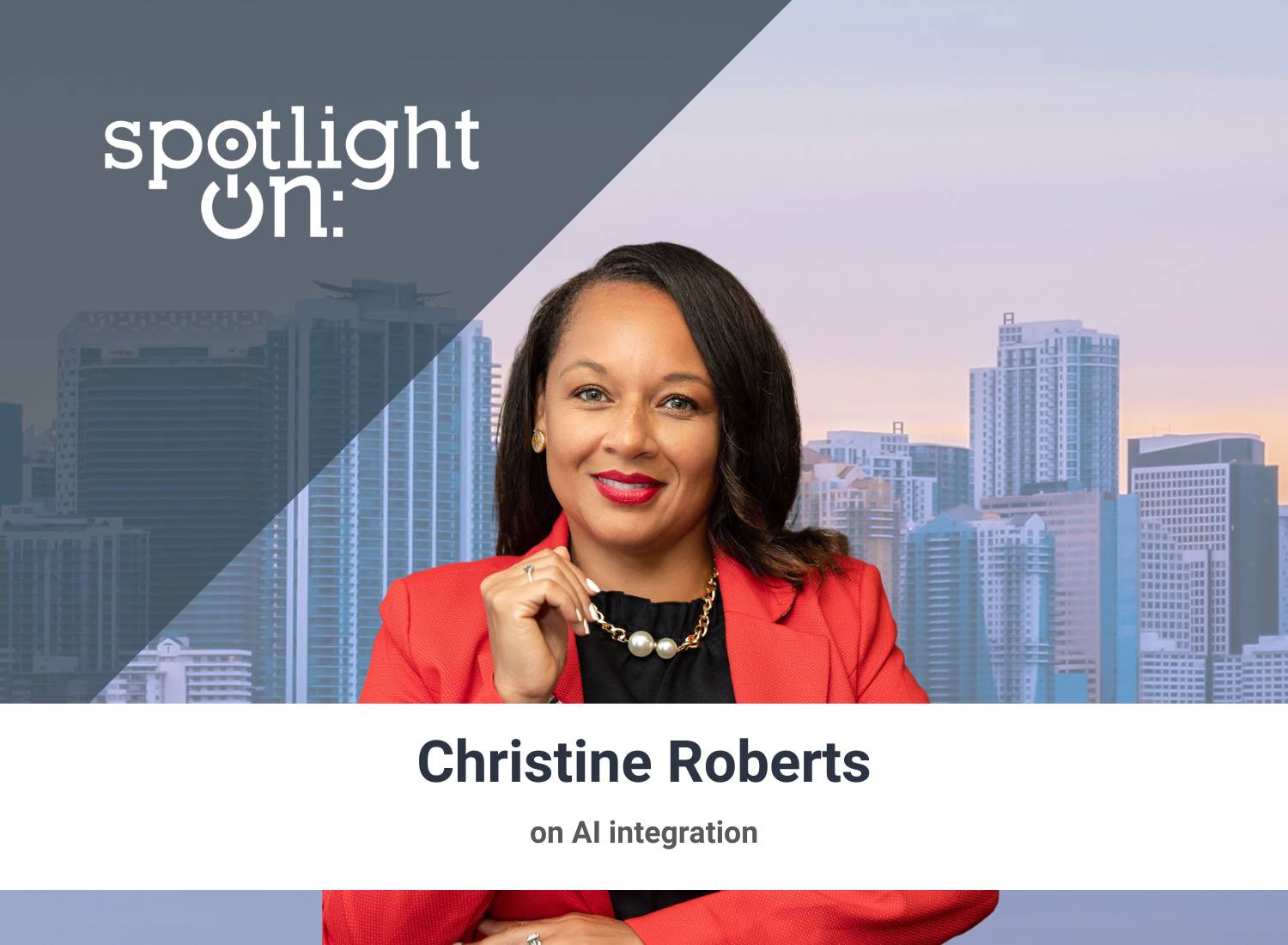
Spotlight On: Christine Roberts, CEO, Intention Enterprises

Christine_Roberts_Spotlight_OnNovember 2025 — In an interview with Invest:, Christine Roberts, CEO of Intention Enterprises, highlighted industry trends, financial literacy initiatives, and strategies for helping clients navigate economic challenges as she discussed the evolving role of AI in accounting. “AI enhances efficiency, but the human touch in interpreting financial data remains irreplaceable,” she said.

What changes over the past year have had the biggest impact on Intention Enterprises and in what ways?

As an emerging company, one of the most significant shifts we are navigating is the integration of Artificial intelligence into our field. There is a misconception that accountants and bookkeepers will no longer be needed once AI is introduced, but that is simply not the case. In fact, we believe our role will become more integral because we provide the human touch, which is the component that cannot be replaced. While AI can handle data entry and calculations efficiently, the explanation and interpretation of financial data remain our responsibility.

We have also observed AI being integrated into the software. Even QuickBooks, which is widely adopted by small and medium-sized businesses, has added AI features. The implementation of AI has been a tremendous timesaver. It enhances our efficiency, allowing us to focus more on strategic advisory roles rather than manual tasks.


Join us at caa’s upcoming leadership summits! These premier events bring together hundreds of public and private sector leaders to discuss the challenges and opportunities for businesses and investors. Find the next summit in a city near you!


How is Intention Enterprises leveraging technology and the use of AI to provide better customer service and streamline operations?

AI has become an integral part of our organization functioning  like an additional employee. It provides a second set of eyes to review our work, ensuring calculations are accurate and knowledge is up to date. For example, AI can help fact-check information, which is critical because tax laws change often. Despite having over 25 years of industry experience I find AI tools valuable to staying current and verifying critical updates.

Data entry is another area where AI has made a significant impact. Tasks such as bank feed categorization, which were previously manual, are now automated. This efficiency allows us to dedicate more time to client interactions, understanding their goals, and providing tailored consulting services. As we are growing our Fractional CFO offering, AI assists with intake and workflow processes, saving substantial time and improving service quality.

What is your overview of the accounting and capital management industry in Palm Beach, particularly regarding trends and industry dynamics?

Currently, tariffs are a major concern across industries. Even if a business is not directly involved in  trade, tariffs can have a ripple effect. For example, businesses in the medical, retail, and  technology sectors may face increased costs  from tariffs, these costs eventually trickle down to consumers and business clients.

Another trend we are seeing is the  need to educate small and medium-sized businesses on adopting professional accounting services. With evolving regulations, changes in sales tax laws, businesses benefit from partnerships with accounting professionals who can guide them.  Intention Enterprises is moving toward a knowledge-based model, where we will play a crucial role in informing clients about compliance and strategic financial planning.

How is Intention Enterprises adapting to address shifts in client expectations and enhance customer experience?

At Intention Enterprises, we go beyond data entry. We prioritize developing the narrative behind the numbers, equipping our clients with the knowledge to grow their businesses. This means spending time reviewing financial statements and helping clients interpret what these figures mean for strategic planning. Whether it is  prepared for the next quarter or the next five years, our goal is to empower clients with actionable insights that drive informed decision-making.

How important is financial literacy among decision-makers and others?

Financial literacy is incredibly important, not only for generating revenue but also for understanding how to manage the resources. It serves as the foundation for sound financial decision-making. In Florida, there is an initiative to introduce financial literacy training as early as middle school. I have partnered with Junior Achievement to teach financial literacy, planting the seed early so that young individuals understand these concepts and discuss them at home.  Financial literacy is crucial for business decision makers to understand resource management, strategic planning, and crisis management. Honestly without it, growth stalls, and mistakes compound.

In what ways does Intention Enterprises’ affiliations and partnerships contribute to pushing forward the goals of the firm?

Our affiliations and partnerships with financial institutions, chambers of commerce, and other organizations in the area serve distinct but interconnected purposes. We believe in giving back to the community. One of my key partnerships is with the Equity Entrepreneur Center, as the former Board Chair; we support emerging entrepreneurs. Currently, I serve as the Executive Vice President for the Boynton Beach Chamber of Industry and Commerce, which we founded nearly two years ago. The chamber now has 200 members and continues to grow. The primary focus of a chamber of commerce is to provide knowledge, foster networking opportunities, and facilitate partnerships. My passion lies in equipping companies with the resources they need to grow and remain sustainable.

I would also emphasize the importance of businesses engaging with their local governments. Partnering with city and county officials ensures that you have a voice in policies that affect your industry. I serve as the Vice Chair on the Palm Beach County Office of Equal Business Opportunity advisory board, where we advocate for small businesses to ensure they receive fair opportunities in the market. Everything is interconnected, and active participation is key to long-term success.

Taking into account economic headwinds, have there been any changes in the way that you advise your client companies?

Our approach has remained consistent, grounded  in conservative financial guidance. I encourage  my clients to always pay their quarterly taxes on time, remit sales tax promptly, and remain fully compliant with regulations. I emphasize the importance of planning for the future by maintaining emergency funds to weather market downturns. Florida businesses  experience lower revenue during the summer months, so I help clients build systems to ensure they have sufficient reserves to cover expenses during those periods.

What are the primary challenges affecting the accounting sector, and how is Intention Enterprises working to address these challenges?

The challenges vary depending on the industry.  One of our challenges is helping our clients stay on top of the changing financial landscape. Accountants are no longer just bookkeepers; we are advisors that help our clients plan strategically. At Intention Enterprises we work with clients to provide industry-specific solutions. For example, in the nonprofit sector the biggest financial pain is cash flow unpredictability because they rely on grants and donations. We help our nonprofits clients stay grant ready. In the healthcare space we’ve seen disrupted supply chains and increased costs. In response we worked with our clients to make financial plans for bulk purchasing and inventory forecasting to reduce long-term risk.

We like to believe that regardless of the business sector Intention Enterprises work to make our clients not only compliant but be prepared to grow and pivot.

What is your outlook for Intention Enterprises over the next two to three years?

My focus is to expand our team and on  education. I want Intention Enterprises to be a leader in financial empowerment; helping business owners understand the link between mindset, financial planning, and long term sustainability. In December, I published a journal called “Wealth Whispers” that offers reflection on how intentional financial strategies contribute to long-term personal and business success. We plan to grow with our clients.

Want more? Read the Invest: Palm Beach report.

Subscribe to Our Newsletters

"*" indicates required fields

Address*
Would You Like To Receive Our National Newsletter?*
Interests
Markets
This field is hidden when viewing the form

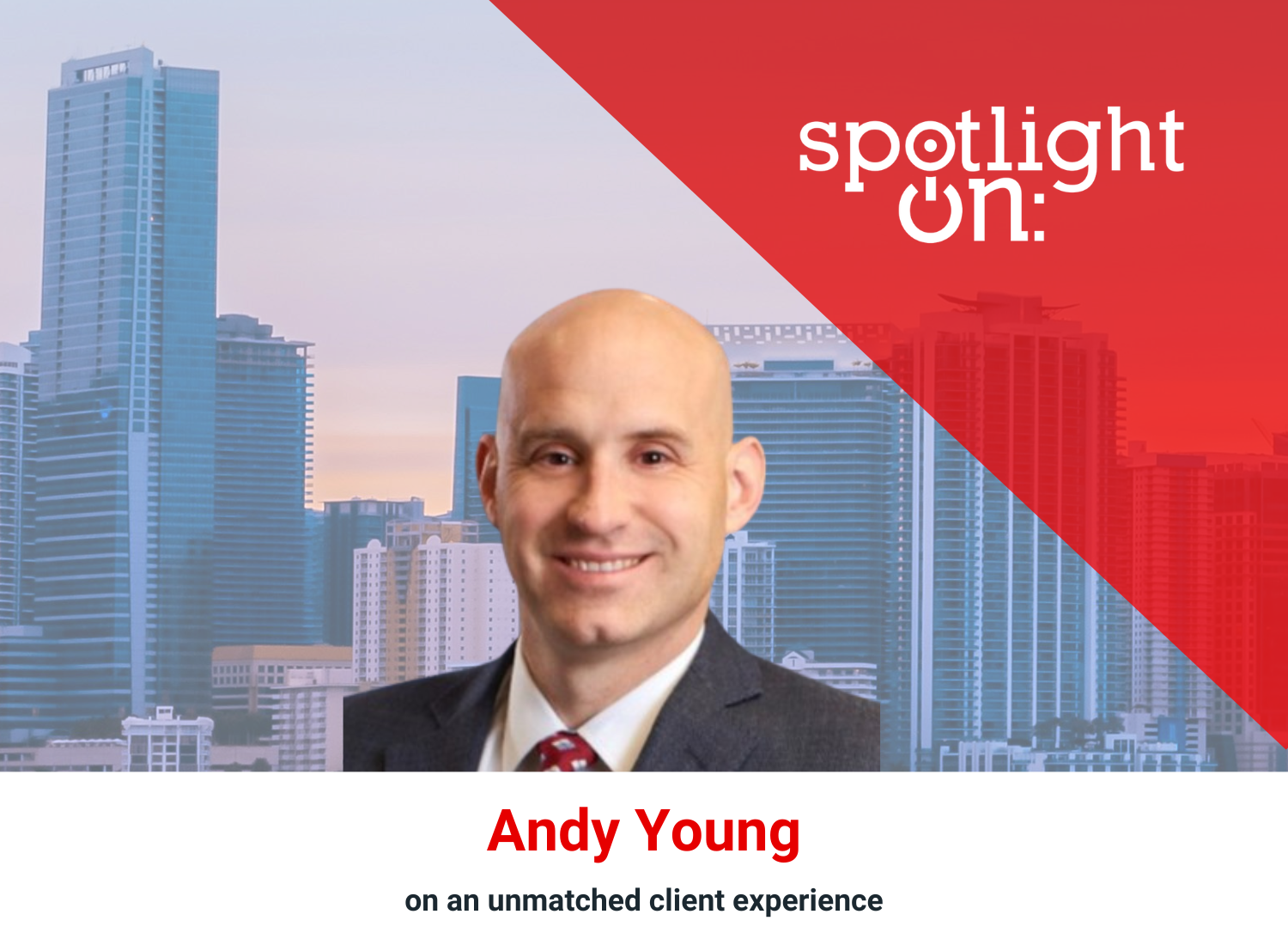
Spotlight On: Andy Young, Assistant Managing Partner, Forvis Mazars

Andy Young_Forvis Mazars_Spotlight OnNovember 2025 — In an interview with Invest:, Andy Young, assistant managing partner at Forvis Mazars, detailed the firm’s strategic growth and commitment to the Pittsburgh market. He explained how the recent combination with Mazars has been transformative. “Being able to form this network has opened up a lot of opportunities and has given us the ability to provide that unmatched client experience that we really strive for,” he said. Young also highlighted the strategic importance of the Pittsburgh region and the firm’s innovative approach to talent and technology.

What changes over the past year impacted the company, both globally and specifically in Pittsburgh?

Since forming Forvis Mazars, our clients have seen significant benefits. We have international clients that have operations in the U.S., and clients in the U.S. that have operations abroad. Forming this network has opened up a lot of opportunities and has given us the ability to provide that unmatched client experience that we really strive for. Some of this opportunity has been in the form of talent, including hiring people that have strong SEC experience, for example. That speaks to our commitment to investing in Pittsburgh, realizing that this has the opportunity to be a tremendous growth market for us. Our success hinges on those two things: the network and the ability to continue to get great talent in the door.


Join us at the Invest: Pittsburgh 3rd Edition Leadership Summit! This premier event brings together hundreds of Pittsburgh leaders to discuss the challenges and opportunities for businesses and investors. This year’s theme centers on workforce and innovation. Click here to learn more.


How does Pittsburgh fit into your broader U.S. and global strategy, and what makes the region important for your growth and client service priorities?

If you think about the experience our partners have, our roster for manufacturing and financial institutions is strong. Higher education is extremely important. We have a national-leading higher education practice. There are more than 30 publicly traded companies in Pittsburgh which is why we feel like we’ve got a huge opportunity here. From an energy perspective, Pittsburgh is second only to Texas in terms of natural gas production. Whether with the producers or with the entities that provide support to that industry, we see a future for our team to support the energy industry. Not to mention the recent major investment being made in the Pittsburgh region, the Pittsburgh airport. 

What strategies are you using to attract and retain top accounting and advisory talent in Pittsburgh?

Our industry, for a number of years, has had some challenges with fewer college students choosing to major in accounting. Pennsylvania recently passed a lower-hours threshold to be able to sit for the exam and become a CPA — one of many states to do so in effort to open up more pathways to earning a CPA license. Although there was some good news recently showing that accounting majors were up 12% nationally in 2024 compared to 2023, the fact remains that fewer young people are earning accounting degrees than when I started with the firm. That trend has caused many firms of all sizes to rethink how they hire.

At Forvis Mazars, we prioritize trying to get our talent up to speed and supporting their continued growth and development from day one. Today, these young professionals have to know what quality work looks like a lot quicker. Technology such as AI is taking some of the load off, but we lean into that with our people, letting them show off their skills and talent to our clients much earlier on. The really fun part is the relationships that we build with our clients, and making sure that they see that from the get-go is critical. That’s why we feel like we can really attract and retain high quality employees.

What significant tax and advisory trends are shaping your clients’ needs right now, particularly around clean energy tax credits and climate risk dashboards?

A very robust federal tax bill was just passed, and that presents a lot of opportunities for our clients, as well as for our people. For our region, there are numerous benefits, including 100% depreciation and expensing of provisions for certain manufacturing facilities. Hopefully that encourages investment in the region. While clean energy credits were drastically impacted by the new tax bill, significant opportunities remain and we have a team dedicated to navigating these credits.

Forvis Mazars has worked to develop tools that help our clients navigate these new rules. We also have our EDGE group, which is the firm’s innovation lab. They are on the front end of making sure that the technology we are utilizing is cutting edge. We allow anyone from across the firm to submit an idea to the EDGE team, typically to either help solve issues our clients are experiencing, or to help our teams work smarter and more efficiently. The EDGE team partners with others across the firm on these ideas by listening to understand, leveraging the right tools and technology, and building something that has the potential to help our clients or teams, or both. 

How is innovation and technology shaping the delivery of accounting and consulting services, particularly with the cutting-edge tools you mentioned?

Everybody talks about AI. It very much is a game changer, and I think it can really help us provide more value and get us where we need to be a little bit quicker, which frees our people up to focus more on the strategic issues that our clients need us to focus on. For instance, we have our new state and local tax software, SALT Explorer, which helps multi-state contractors navigate the complexities of working across many tax regimes. It’s a state-of-the-art tool which has seen strong success for our clients early in the program’s life.

In addition to helping with the clean energy credits, the program provides comprehensive information critical to making an informed decision about possibly operating in a given state. That makes it a powerful forecasting tool for our clients. We are leaning into those technologies, asking how we can do some of the things we’ve historically done a little quicker, which allows us to focus on the bigger issues for clients.

Can you share examples of your nonprofit initiatives and collaborations, and how they align with your broader ESG and corporate responsibility goals?

One of the things that I love about Forvis Mazars is our culture of giving back. The Forvis Mazars Foundation has a national footprint, but all of the donations are locally focused. Within every local market, our partners and leaders contribute to the Foundation, and each local office choses how they would like to allocate those funds in their own community. It is important that we have that local focus.

In addition, we also have our annual IMPACT Days. Our employee engagement council will decide where to volunteer and this past year, our group volunteered with an organization in Pittsburgh called Global Links. Global Links collects medical supplies and toiletries and then provides them to those in need. Our team separated and organized supplies for distribution. It was a great experience for our people. The willingness to give back is ingrained in our team and it’s another way to keep us engaged with our neighbors.

What are the key goals and priorities for you and for the Pittsburgh office for the next two to three years?

We’ve been in Pittsburgh now for more than 10 years. Later this calendar year we will be moving into a new office on the North Shore which our team is very excited about. We have a solid commitment from the national firm to continue investing in Pittsburgh.

Longer term, we really want to be viewed as a trusted partner in Pittsburgh and to the companies that are local, to help them unlock their full business potential. Forvis Mazars is here for the long haul. Pittsburgh continues to reinvent itself and evolve, and I feel like we’re right there with it. We really feel that we can continue to add value and grow our relationships more, because there is a strong investment coming from abroad.

Want more? Read the Invest: Pittsburgh report.

Subscribe to Our Newsletters

"*" indicates required fields

Address*
Would You Like To Receive Our National Newsletter?*
Interests
Markets
This field is hidden when viewing the form

US economic forecast 2026: Blind spots threaten growth

IPITe3_Banner_HBKS

Writer: Mirella Franzese

Economic_ForecastNovember 2025 — Despite signs of stabilization in the third quarter, the U.S. economy faces deepening structural pressures that could test growth in the following quarters. Economic growth steadied in the previous quarter, supported by record stock gains, firm consumer spending, and balanced labor markets — though cracks remain beneath the surface.


Join us at caa’s upcoming leadership summits! These premier events bring together hundreds of public and private sector leaders to discuss the challenges and opportunities for businesses and investors. Find the next summit in a city near you!


“The American economy is a $30 trillion dynamic and resilient beast, but it’s going to face a test here at the turn of the year,” Joseph Brusuelas, chief economist at RSM U.S., told Reuters

The road to 2026 remains challenging. The OECD’s latest economic outlook suggests a slower path forward, forecasting that growth will lose momentum through 2026. 

According to the OECD’s report, U.S. economic growth will slow to 1.8% in 2025 from 2.8% in 2024 — dipping below the 2-3% rate, widely viewed as healthy for an economy. This number is projected to slip further to 1.5% in 2026, as higher tariff rates, net immigration losses, and cuts to the federal workforce disrupt growth. Analysts also warn that other critical vulnerabilities persist, including funding cuts, sustained inflation, and the lingering impact of the ongoing federal shutdown — all of which could weigh on performance into 2026. (Check out the latest Invest: Business Sentiment Survey results for how executives are viewing the economy and business.)

Blind spots

As the Treasury notes, there are several blind spots in the path ahead that could severely undermine the American economy.

“We see both upside and downside risk,” said Stephen Meyer, CEO of the Philadelphia-based PPR Capital Management. “Rates are likely trending down, which is generally positive, but the broader question is whether the economy is strong enough to support that shift. Unemployment is a key concern… and inflation remains sticky enough to impact Fed decisions,” Meyer told Invest:.

Beyond rates and inflation, experts point to several key indicators that pose the biggest risks to the U.S. outlook.

The federal government shutdown

The federal government shutdown, which ended on Nov. 12, threatens to drag the current quarter’s GDP growth. This occurs through lost productivity from discharged workers, paycheck delays, and spillover effects on related industries, like government contractors and local services. The CBO estimates up to $14 billion in lost output from the shutdown, although economists believe the real toll could be higher, according to Poynter. The CBO expects most losses to be recouped in early 2026, though lasting damage to the late 2025 is likely.

Consumer spending

Consumer spending is the largest component of GDP, accounting for nearly 70% of the U.S. economic output, according to Morningstar. As such, it is considered one of the main determinants of the country’s economic health. However, in 2025, consumer spending has been at odds with consumer sentiment, leading to an uncertain outlook.  While real personal consumption expenditure increased by 1.4% in the second quarter of 2025 from the previous quarter, consumer sentiment is still markedly lower than in 2024, according to research from the University of Michigan.

While recession fears have stoked broader pessimism in the economy, consumers haven’t pulled back on spending yet. Because economic data lags real-time behavior, experts view the gap between sentiment and spending as a concern, especially given that spending data might not catch up with how consumers are really feeling. Spending therefore remains a major blind spot for economists when assessing upcoming quarters.

Labor markets

Ruling out the shutdown, a decrease in public sector employment is expected to weigh on labor markets through the 4Q25. More than 150,000 federal employees on the Deferred Resignation Program are expected to have departed government employment after an imposed period of leave, which ended on Sept. 30. Analysts expect October employment to reflect this decline in total payroll employment, unless these employees had their resignation date postponed, were recalled from administrative leave upon agency reconsideration of staffing needs, or had found replacement jobs.

The broader labor market is expected to remain a weak spot in the months ahead, according to the Wall Street Journal’s latest economic census. This quarter, economists expect the economy to add only 15,000 jobs a month — down more than 35,000 from July’s survey. The long-term outlook also falls below expectations. In the coming year, U.S. employers are expected to add fewer employees — just 49,000 a month on average, down from 74,000 a month in their previous survey. That is also WSJ economists’ lowest monthly payrolls forecast since the July 2023 survey.

Yet higher unemployment is still unlikely despite slower job growth, as the new administration’s immigration crackdowns have reduced the supply of workers in a number of key industries. According to the Treasury Department, labor supply and labor demand have softened at the same time, which has offset modest hiring with somewhat stable unemployment.  

“Indeed, labor markets appear to remain in balance as labor demand has softened with easing supply,” announced the Treasury in a press release. “With modest hiring but low layoff rates, firms appear to be shedding labor via attrition and planning on productivity to drive output growth.”

Stock market

Sustained corporate investment in the tech sector carried stocks to record highs in the 3Q25 — a positive economic indicator for the Treasury. However, the U.S. stock exchange is not representative of the economy as a whole, as Morningstar’s senior editor Margaret Giles notes. Large corporations and wealthy investors hold the biggest influence over the stock market, but small businesses make up the majority of the U.S. economy. Stock prices reflect investor confidence rather than current conditions like spending and employment, but remain vulnerable to tariff announcements, rate cuts, and press releases.

Inflation and political rift

Interest rates, geopolitical uncertainty, and tariffs are among the biggest upside risks to the inflation outlook. Energy prices remain extremely volatile, driven by geopolitical shocks such as conflicts and tariff changes. Even though the U.S. has advanced its trade and economic relations with China, as recently announced by the White House, tariffs are expected to continue to play a pivotal role in 2026.

“There is a lot of uncertainty surrounding tariffs, their effects on the cost of goods, and their effects on business expansion,” said Forvis Mazars Managing Partner Brian West in an interview with Invest:. “The economy has slowed slightly… More businesses are pushing back on expanding their teams and services. Budgets are being constricted from taking on opportunities for future planning. Business acquisitions have dropped in the last quarter. We are seeing signs pointing to a wait-and-see approach, which is putting a pause on hiring, decision-making, and new projects.”

Artificial intelligence

Corporate spending on AI infrastructure and data centers has buoyed economic growth and driven stock market rallies throughout 2025. While these projects are expected to create productivity gains and economic growth, timelines for completion are uncertain. Additionally, AI’s growing role in the workforce is reshaping productivity and employment structures, creating efficiency gains but also new forms of displacement, such as layoffs. 

“Artificial intelligence also could have disruptive impacts on the economy and labor markets as businesses and individuals integrate it or fail to. Firms that are slow to adapt to the technology could find themselves at a competitive disadvantage, as could workers that delay incorporating artificial intelligence to improve their skills growth and productivity,” stated the Treasury. As business leaders weigh expansion against uncertainty, the coming quarters may prove decisive in determining whether the economy’s soft landing can be sustained — or whether deeper structural challenges will resurface. 

“The future remains uncertain,” said Tom O’Connor, Nashville market executive for financial services leader Synovus, in an interview with Invest:. “We might have clarity in three months, or we might not.”

Want more? Read the Invest: reports.

Subscribe to Our Newsletters

"*" indicates required fields

Address*
Would You Like To Receive Our National Newsletter?*
Interests
Markets
This field is hidden when viewing the form

Where Pittsburgh leaders see the real value in AI

Writer: Melis Turku Topa

Pittsburgh_SkylineNovember 2025 — AI is no longer a tech upgrade, it’s a strategic imperative reshaping how companies operate, lead and grow. Around 75% of organizations globally now use AI in at least one business function, and nearly half deploy it in three or more functions.


Join us at the Invest: Pittsburgh 3rd Edition Leadership Summit! This premier event brings together hundreds of Pittsburgh leaders to discuss the challenges and opportunities for businesses and investors. This year’s theme centers on workforce and innovation. Click here to learn more.


Across Pittsburgh, organizations are building AI-driven corporate strategies that reshape business models, accelerate decision-making, and unlock new forms of value creation. 

As adoption scales, success increasingly depends on responsible implementation. Only 25% of businesses report a fully implemented AI governance program, and those with a formal AI strategy are more than twice as likely (80% vs 37%) to achieve successful adoption. That means effective upskilling, leadership dedication, and governance frameworks — including roles such as Chief AI Officer and Chief Data Officer — are rapidly becoming the key strategic differentiators of modern competitiveness.

Across boardrooms and campuses, executives are shifting the conversation from whether to use AI to how it can be responsibly integrated into long-term strategy. From predictive analytics in healthcare to generative tools in professional services and real estate, AI is not only optimizing operations but also reshaping how organizations think, lead, and compete.

Pittsburgh companies are moving beyond pilot programs toward enterprise-wide adoption. Data-driven decision-making now guides everything, from product design to customer experience and sustainability planning. For many firms, AI has become a foundational element of corporate strategy informing long-term investments and unlocking new growth models.

At K&L Gates LLP, Managing Partner Thomas Ryan noted that the firm’s early adoption of AI has positioned it ahead of the curve. “A significant achievement is being an early adopter for integrating AI across multiple disciplines,” said Ryan, in an interview with Invest:. “We have a firmwide AI industry working group that rolls out tests for new products, works with our clients, and finds ways to continue integrating and pushing our practices forward.”

This proactive approach mirrors a broader shift across Pittsburgh’s professional services landscape, where law firms, consultancies, and financial institutions embed AI into workflows to enhance precision, productivity, and client value.

With innovation comes responsibility. As AI becomes central to business operations, leaders are prioritizing governance, ethics, and workforce readiness. Responsible AI adoption encompassing transparency, fairness, and accountability is increasingly seen as a hallmark of forward-thinking organizations. A recent NTT DATA survey found that over 80% of executives believe leadership, governance, and workforce readiness are lagging behind AI adoption, underscoring a clear gap between technological capability and ethical oversight. As a result, companies that invest in governance frameworks and ethical leadership are distinguishing themselves as trustworthy and resilient in this new era of intelligent business.

In healthcare technology, Perry Genova, senior vice president and chief technology officer at Omnicell, emphasized that innovation must never come at the expense of safety.

“Everyone should be mindful of ethics and safety when discussing innovation, particularly in the case of artificial intelligence solutions,” Genova said. “AI can be extremely powerful and enabling but must be safely harnessed to ensure our customers and patients experience benefits without risk.”

Such a structured approach to AI governance reflects a growing awareness across industries where success depends not only on technological advancement, but also on the ethical frameworks guiding its use.

Beyond corporate settings, Pittsburgh’s academic institutions are at the forefront of preparing the next generation of AI-ready leaders — one of several themes covered at the upcoming Invest: Pittsburgh leadership summit on Feb. 26. Isabelle Bajeux-Besnainou, dean of the Tepper School of Business at Carnegie Mellon University, shared with Invest: how AI is shaping the future of business education.

“We’re expanding access to AI education beyond traditional students. We already work with companies through custom executive programs, but soon we’ll launch an AI for Business online course in partnership with CMU’s School of Computer Science,” she said. “It’s a comprehensive offering with 24 faculty members contributing to teach AI from a business perspective. Across the board  from operations to instruction to outreach AI has become deeply embedded in everything we do.”

By integrating AI across disciplines, CMU and other institutions are ensuring executives and students alike can adapt to a rapidly evolving digital economy — one where human insight and machine intelligence go hand in hand.

For some industries, AI’s potential is transformative, but not absolute. John Bilyak, market leader and principal at Colliers, for example, pointed out that the technology’s promise must be grounded in practicality.

“The key is to ensure technology enhances, rather than hinders, the practical aspects of real estate deals,” said Bilyak. “While AI certainly has its place, its potential might be overblown.”

Want more? Read the Invest: Pittsburgh report.

Subscribe to Our Newsletters

"*" indicates required fields

Address*
Would You Like To Receive Our National Newsletter?*
Interests
Markets
This field is hidden when viewing the form

San Antonio federal layoffs test economic stability and workforce readiness

ISATe4_Banner_Order_ of_the_Daedalians

Writer: Andrea Teran

San_AntonioNovember 2025 — A recent wave of layoffs tied to expiring federal contracts is deepening economic uncertainty across San Antonio, with nearly 1,300 job losses statewide anticipated before the end of 2025. In one of the most significant local examples, 279 janitorial and maintenance workers at Brooke Army Medical Center (BAMC) will be laid off after Thanksgiving, following the end of a five-year, $148.8 million contract with CBRE Government & Defense Services.


Join us at the Invest: Houston 2nd Edition Leadership Summit! This premier event brings together hundreds of Houston’s business and regional leaders to discuss the challenges and opportunities for businesses and investors. This year’s theme centers on Houston’s role as a leader in world innovation. Buy your ticket now!


CBRE, formerly J&J Maintenance, has operated at BAMC since 2001. While some affected employees may be rehired by the next service provider, the layoffs are expected to be permanent and come with the loss of tenure and benefits, according to the company’s Worker Adjustment and Retraining Notification (WARN) letter submitted to the Texas Workforce Commission.

“These layoffs are expected to be permanent,” wrote Howard Young, the company’s chief people officer, in the letter. “However, there may be an opportunity for the impacted employees to be hired by the new service provider.” Some of the affected workers are represented by the Laborers’ International Union of North America.

These job losses follow earlier cuts by TechWerks, which laid off 87 workers providing IT services to the Defense Health Agency in San Antonio. Combined with layoffs at federal contractors across Texas — including NASA subcontractors, Spirit Airlines, and Texas Instruments — the current cycle reflects a broader shift in federal spending priorities and its cascading effects on regional economies.

Despite recent layoffs, the Dallas Federal Reserve forecasts that Texas will add roughly 180,400 jobs in 2025, a 1.3% increase by year’s end. While employment rose at an annualized rate of 3.2% in August, year-to-date growth remains modest at 1.2%, well below the state’s historical 2% trend. Economists caution that seasonal factors, including school-year hiring, may be inflating recent gains.

Beneath the surface, key sectors are showing signs of strain. In September, the Dallas Fed’s Service Sector Outlook Survey recorded a sharp decline in business conditions, with the employment index falling into negative territory and hours worked contracting. Uncertainty also surged to 22.5, its highest reading since April, reflecting increased caution among employers. Retailers reported even deeper weakness, with sales, staffing levels, and overall business activity all declining. These figures suggest that while headline growth continues, San Antonio’s labor market — particularly in service and consumer-facing sectors — is cooling.

This sentiment is echoed by the National Federation of Independent Business (NFIB), whose Small Business Optimism Index fell to 98.8 in September — the first decline in three months. The Uncertainty Index climbed to 100, one of the highest levels in the NFIB’s 52-year history.

The layoffs come amid broader workforce shifts in San Antonio, where local institutions are expanding support services to manage economic displacement. Workforce Solutions Alamo, the region’s publicly funded workforce agency, continues to offer job search assistance, career training programs, and industry-aligned certifications through its “Ready to Work” initiative and federally supported programs under the Texas Workforce Commission. According to agency data, in-demand fields include health care, manufacturing, and information technology — sectors still experiencing growth despite localized contractions.

Want more? Read the Invest: San Antonio report.

Subscribe to Our Newsletters

"*" indicates required fields

Address*
Would You Like To Receive Our National Newsletter?*
Interests
Markets
This field is hidden when viewing the form