





Writer: Mariana Hernández
 November 2025 — Small businesses remain the backbone of New Jersey’s economy, driving innovation, community development, and local employment across every county. With 1.1 million small businesses accounting for 99.7% of all firms and employing nearly half of the state’s workforce, the Garden State relies on its entrepreneurs to fuel economic resilience and growth.
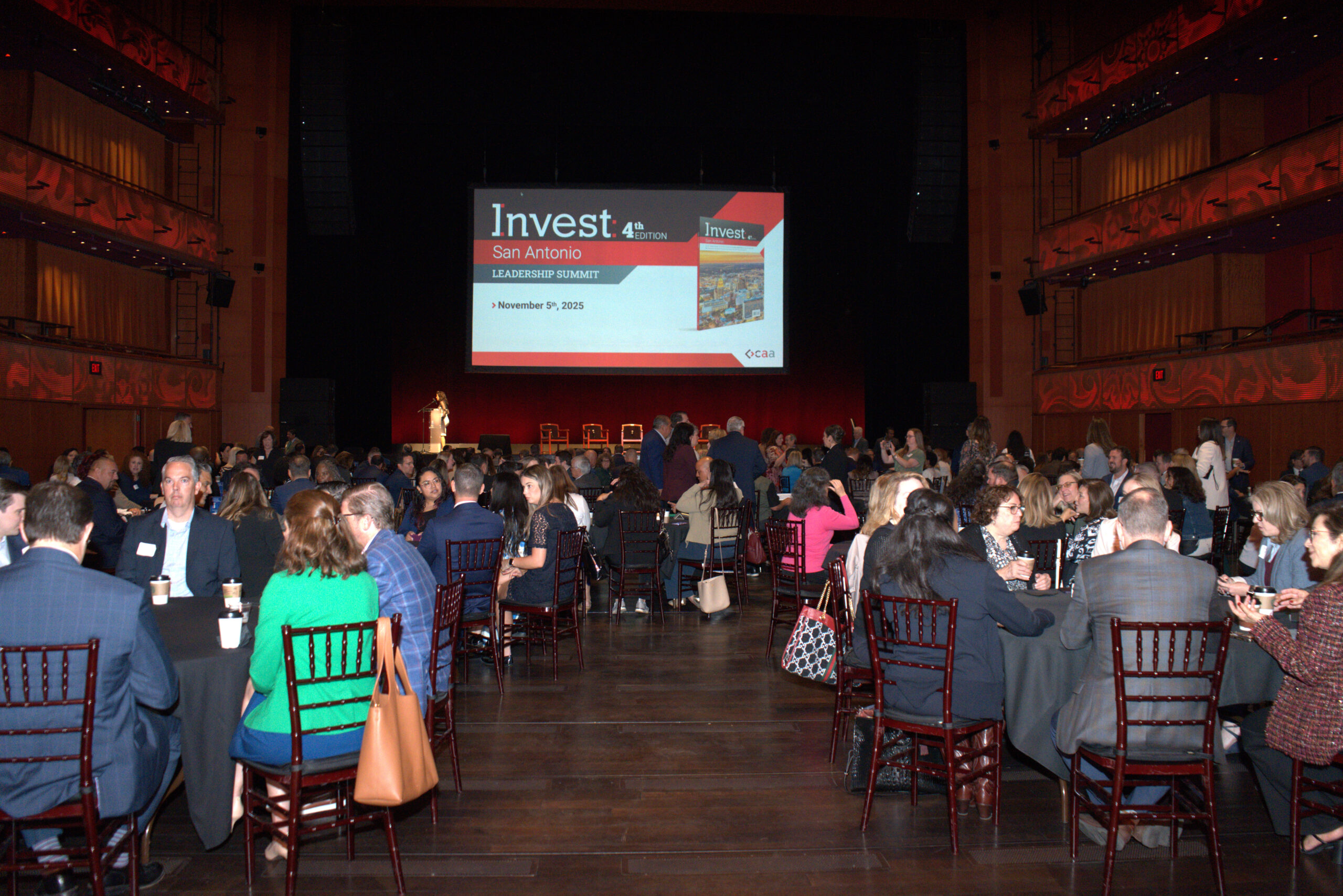
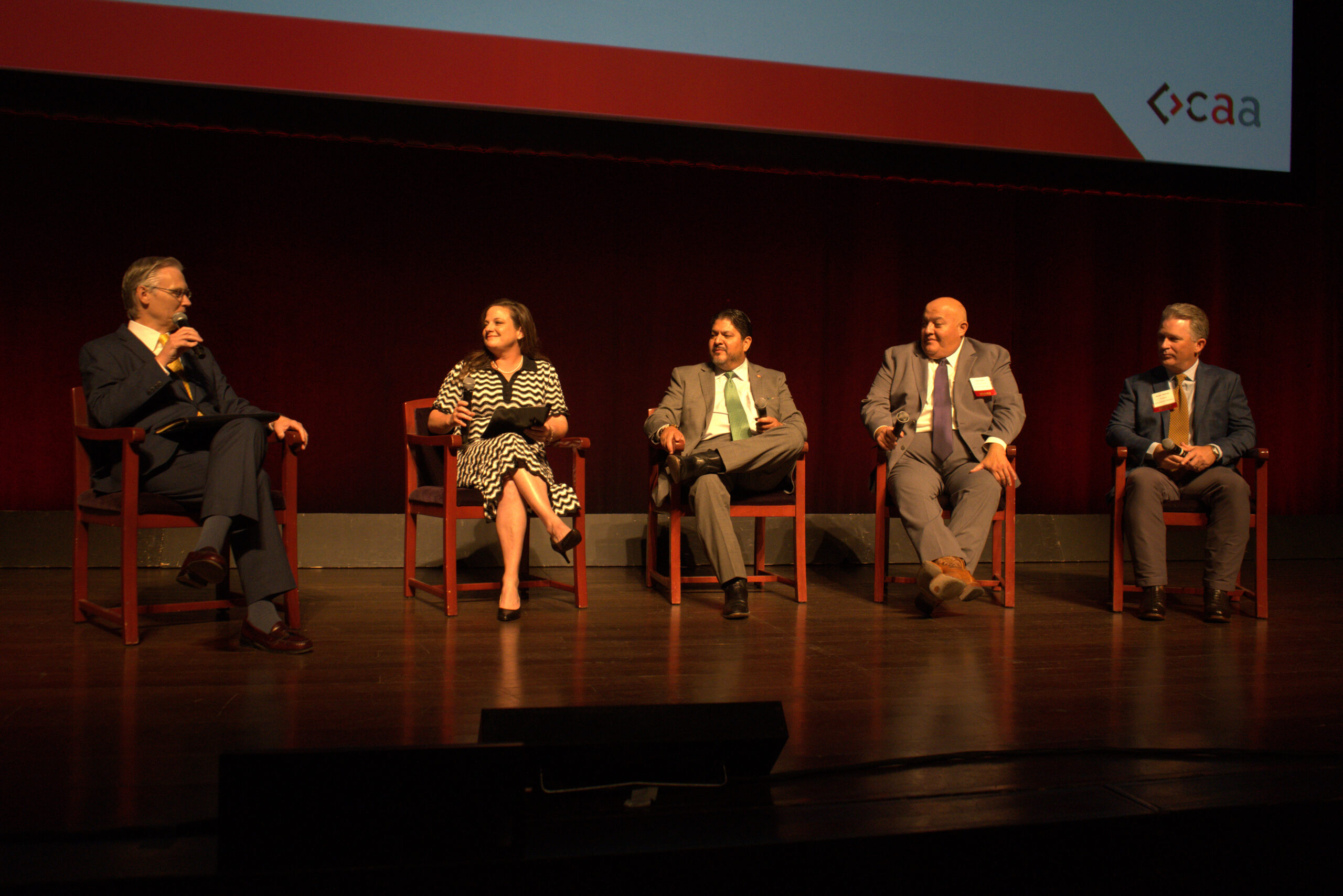
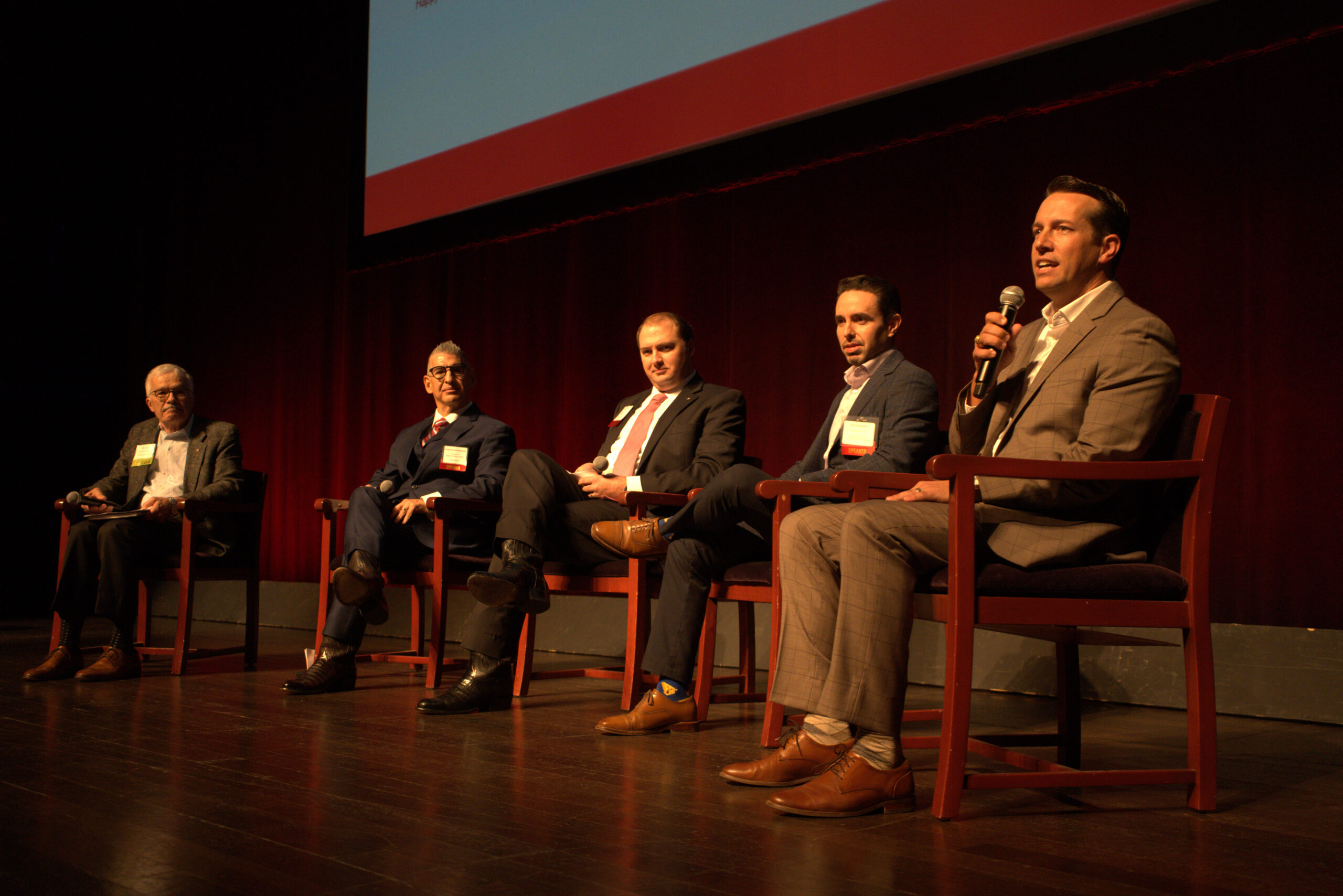
Join us at caa’s upcoming leadership summits! These premier events bring together hundreds of public and private sector leaders to discuss the challenges and opportunities for businesses and investors. Find the next summit in a city near you!
From March 2023 to March 2024, small businesses were responsible for nearly all of the state’s new jobs, contributing 38,432 net new positions—a remarkable 99.5% of total job gains. This momentum reflects not only the importance of local business owners but also the collaborative support of government agencies, development authorities, and state programs to lower the entry barriers for entrepreneurs.
At the state level, the U.S. Small Business Administration (SBA) has played a major role, providing over $768 million in traditional loans since January 2025 through August 1 — $115 million more than the same period last year — and helping create or support more than 12,000 jobs. Meanwhile, the New Jersey Economic Development Authority (NJEDA) continues to bolster local economies through initiatives like the Premier Lender Program, which partners with banks to offer low-interest loans and financing to businesses that may not qualify for traditional funding.
Meanwhile, the New Jersey Business Action Center (NJBAC) continues to play a pivotal role through free consulting services, the Small Business Advocacy Program, and “Resource for Growth” events that connect entrepreneurs with lenders, regulators, and development partners. Together with county commissioners and economic development teams, these initiatives are helping to build a stronger, more inclusive economy across the Garden State.
Local leaders are also taking a proactive approach to business retention and expansion. From workforce training to simplified permitting or direct financial assistance, counties are aligning their economic strategies with the needs of their small business communities. Invest: spoke with commissioners from across the state on the policies, partnerships, and community-based efforts empowering small businesses to succeed in today’s evolving economy.
 Orlando Cruz, County Commissioner, Passaic County
Within the county itself, we have our workforce investment board that is partnering with experts to ensure that our community has access to good-paying jobs. Partnering with in-demand industries and preparing individuals so they are workforce-ready is key.
Our small-business developmental center works with individuals who either want to start a business or currently own a business and need guidance. They help small businesses navigate challenges, as well as assist entrepreneurs in getting started. We’re also proud that our local Small Business Development Center worked with more than 400 entrepreneurs and small businesses over the past year, with expansion and stability throughout the past few years, and is constantly working with our state partners to provide the necessary resources and support from filing their incorporation documents to signing their first lease to applying for grants through the NJEDA.
Creating a great partnership is of the utmost importance. The small-business development center has a long list of referral partners, ranging from financial institutions to nonprofits like SCORE. SCORE consists of retired business owners and CEOs who have a wealth of knowledge and experience in running a business and provide free counseling to entrepreneurs and small-business owners. Maintaining these partnerships has been crucial.
 Brendan Gill, Commissioner, Essex County
The Workforce Innovation and Opportunity Act strengthens the Essex County Workforce Development Plan. This four-year plan sets a timeline to help residents of Essex County get the skills they need to succeed in a wide array of potential jobs. The programs train people in industries like healthcare, social assistance, education, retail trade, finance, insurance, utilities management, as well as scientific and technical services.
The growth of AI and AI-driven industries is something we’re trying to get ahead of. We are one of the few counties with an office of small business development where the residents can, at any time, be guided through the technical process of acquiring skills as a small business. For example, they can compete for public work, like for the sheriff’s department, roads and bridges, engineering, vocational school, county college, county hospital, criminal justice system, and jail.
The county of Essex alone is roughly an $800 million entity, and all that money is spent, by and large, on businesses and people within the county. Our aggressive outreach team and outreach office educate those potential businesses on how they can compete for that work that may exist in the public sector, and if they need other technical experience or training to do private sector work, such as insurance and bonds. They can also tap into the university systems, from Rutgers University, New Jersey Institute of Technology, Montclair State University, to Seton Hall University, all located in the county, for both undergraduate and post-secondary education.
 Shanel Robinson, County Commissioner Director, Somerset County
We have recognized that people are prioritizing work-life balance, and are choosing where they live not only based on their place of employment but other factors they see as important. We are being proactive in recognizing those trends, informing people about all the great things Somerset County offers, while directly supporting employers who can leverage our recently created talent attraction tool, Why Somerset, during their prospecting and recruiting. Why Somerset provides information on our excellent public schools, housing market, safety, things to do, places for trailing, where spouses can work, and more.
The County also supports our small businesses and recently invested in the creation of the Somerset County Business HUB. Housed in Somerset County Business Partnership’s new offices, the HUB was a direct outcome of how the pandemic created a need to provide business education on marketing, grants, loans, and other essential topics, where the focus was on supporting business growth and entrepreneurship. This focus drove this new multi-conference room space, designed to be used by small businesses.
 Jason Sarnoski, Commissioner Director, Board of County Commissioners, Warren County
A key challenge is managing the burden of state and federal mandates on local taxpayers. Keeping taxes low and affordable for residents is crucial, despite rising insurance and healthcare costs and decreased program funding. Losing federal and state support stretches our budget thin. We’re actively addressing IT infrastructure challenges and emphasizing proactive local planning to attract desired businesses.
However, opportunities abound. Our open space, tourism, and education offer avenues for growth, including new technologies like drones. There’s a strong demand for skilled blue-collar workers — carpenters, plumbers, electricians — which our tech school excels at training, fostering future economic development. Our agriculture industry is strengthening through tourism, drawing visitors who enjoy local farms and produce. This boosts our downtown shops and attracts people seeking open spaces and recreation, which we actively promote.
Want more? Read the Invest: New Jersey report.
Subscribe to Our Newsletters
"*" indicates required fields