Sentiment down but economy ‘healthy:’ Fed

Writer: Mirella Franzese
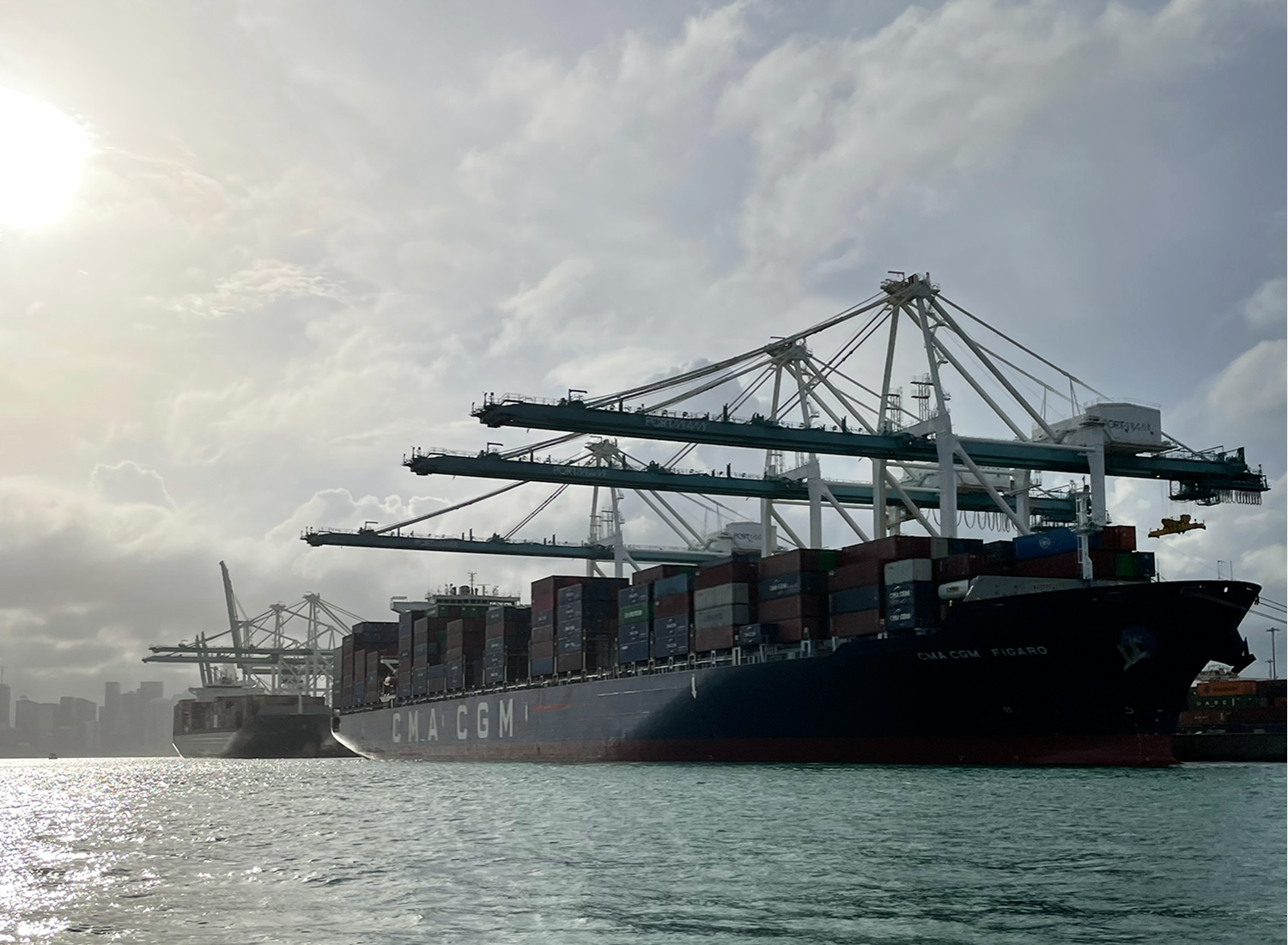
March 2025 – Weakening sentiment held interest rates in place this week as stagnating inflation and the Trump administration’s tariffs across North America, Europe, and Asia fuel further economic uncertainty.
“We do understand that sentiment has fallen off pretty sharply but economic activity has not yet,” said Federal Reserve Chair Jerome Powell during a press conference. “The economy seems to be healthy.”
However, Powell also noted that further progress will be delayed given the arrival of tariff inflation and cautioned against hastiness. “We’re not going to be in any hurry to move,” he said. “We’re well positioned to wait for further clarity and not in any hurry.”
While investor sentiment has taken a hit, what the Fed’s latest decision will mean for the global economy remains to be seen, according to Bradesco Bank CEO Henrique Leme Pinto Lima.
“After several years in the market, economic uncertainty has become a constant rather than an exception,” Lima told Invest:. He also noted that the U.S. economy remains resilient despite fears surrounding tariffs, interest rates, and the new administration.
READ MORE: Trade tensions deepen as investors struggle with uncertainty
“Banks are not particularly concerned about economic downturns at this moment; instead, we are seeing renewed client engagement. While uncertainty can delay investment projects, overall, the outlook is optimistic,” he emphasized.
In the last month, however, the MSCI World Index — which represents 74% of U.S. shares — dipped by 10%, while the S&P 500 index dropped 11%. And despite Lima’s confidence in the economy over the long-term, recession fears linger.
Google Trends show the term ‘recession’ has reached its highest level of internet interest since July 2022, when the Fed increased interest rates by 75 points for a second consecutive time as inflation rose.
U.S. Treasury Secretary Scott Bessent recently acknowledged short-term market instability resulting from the Trump administration’s policies, particularly on international trade. On NBC’s Meet the Press, he said there was “no guarantee” that there wouldn’t be a recession in the United States.
Despite speculation, the U.S. economy is slowing down in real time and will continue to experience a reduced pace of growth heading into 2026, as signaled by multiple macroeconomic indicators.
The S&P Global U.S. Services Purchasing Managers’ Index showed the slowest output growth seen in 14 months as of February 2025. American retail sales also decreased by 1.2% in January only to rise slightly by 0.2% the following month, reflecting more cautious spending from consumers. Likewise, U.S. GDP growth for the first quarter is projected to shrink by 1.8%, according to the Atlanta Federal Reserve.
READ MORE: Atlanta Fed’s Bostic warns of ‘bumpy’ path to 2% inflation as Georgia economy outperforms U.S.
Nonetheless, Bank of America CEO Brian Moynihan expects the economy to rebound in the long-term and that the U.S. economy is holding up better than investors expected. In an interview with CNBC, he highlighted that consumer spending remains strong in spite of recent dips, and that economic growth should be solid through the next year, even if at a slower pace.
“We’re in this classic moment… where the consumer is saying, ‘I’m getting more pessimistic,’ in some of the surveys and things like that… But if you actually look at what they’re doing day to day, they continue to spend, which means the economy ought to be holding up better than people think,” said Moynihan.
Cover image by Ryan Gandolfo for caa
For more information visit:
https://www.atlantafed.org/
https://www.oecd.org/en.html
https://bradescobank.com/en/